Search For Maps & Articles

Showing posts with label Data. Show all posts

List of Companies Running Photo-Enforced Camera Programs

Estimated U.S. Market Share (2025)

Photo enforcement—also called automated traffic enforcement—uses cameras and sensors to detect violations like red-light running, speeding, school-bus stop-arm passing, and bus-lane misuse. Cities, counties, school districts, and sometimes private communities contract with specialized vendors to supply the hardware, software, back-office processing, and even the citation workflows that make these programs possible. If you’re researching partners for a new program (or comparing an existing one), this guide profiles the major players, how they operate, and what makes each distinct.

How the business works (in 60 seconds)

Most programs bundle three layers:

  1. Hardware & sensing. Radar, lidar, or vision sensors pair with high-resolution cameras to detect and document infractions across multiple lanes, day and night. Vendors such as Jenoptik, VITRONIC, and Tattile design this equipment and often integrate it into full solutions.

  2. Software & back office. Vendors host evidence portals, automate chain-of-custody, perform plate reads (ALPR/ANPR), and prepare citation packages for law enforcement or administrative review.

  3. Program operations. Many providers run “turnkey” programs: site studies, installation, maintenance, evidence review, mail processing, and customer support—sometimes delivered “as a service” with revenue-share or fee-for-service models.

The companies to know (and why)

Verra Mobility

One of the largest end-to-end operators globally, Verra Mobility runs red-light, speed, school bus stop-arm, and bus-lane programs for more than 300 government agencies. They emphasize full-stack delivery—hardware, software, violations processing, and program analytics. In 2021, Verra Mobility acquired Redflex, expanding its footprint across the U.S. and internationally.

Why it matters: Scale and breadth. If you want a mature, widely deployed solution across multiple enforcement types, Verra Mobility is a default short-list candidate.

Sensys Gatso Group

A long-standing global provider, the company offers fixed, mobile, and managed “Traffic enforcement as a Service” (TRaaS) models that handle the full process from detection to fine notifications while providing agencies with oversight and data access.

Why it matters: Flexible operating models (including TRaaS), deep program experience, and strong international track record.

Jenoptik (Road Safety)

Jenoptik designs TraffiStar and Vector systems for red-light and speed enforcement. Their portfolio spans fixed, mobile, and trailer-based deployments and includes non-invasive options that avoid cutting loops into pavement—useful where roadway disruption must be minimized.

Why it matters: High-quality optics and robust product lines for different use cases (tripods, in-vehicle, semi-stationary trailers).

VITRONIC

Known for POLISCAN lidar, VITRONIC’s systems do multi-lane, contact-free measurement and come in fixed, semi-stationary, and mobile variants. They also support average-speed/section control and remote monitoring to keep fleets online.

Why it matters: Accuracy and versatility. Lidar-based enforcement is attractive where precise multi-lane tracking without in-road sensors is preferred.

Tattile

Tattile is a European camera manufacturer focused on ANPR and enforcement platforms such as Smart+ Speed. Their hardware is widely integrated into tolling, tracking, and speed applications and is often paired with partner software or local operators.

Why it matters: Strong hardware that agencies or systems integrators can incorporate into broader solutions.

RedSpeed

RedSpeed provides automated enforcement programs including red-light, speed, and CrossingShield stop-arm systems for school buses. In the U.S., they market turnkey, violator-funded models; internationally, they supply cameras and software platforms.

Why it matters: School-bus safety specialization and flexible funding models that can lower upfront costs for agencies.

Altumint (Pro ATE)

Altumint positions itself as an AI-driven, end-to-end provider. Its Pro ATE suite covers site analysis, installation, capture, ticket processing, and court dockets—aiming to minimize agency lift.

Why it matters: One-vendor coverage for both technology and administrative workflows.

NovoaGlobal

NovoaGlobal offers photo enforcement for red-light and school-zone speed, plus public-safety integrations. Their systems rely on radar tracking and capture multi-angle evidence with photos and video clips.

Why it matters: Focus on packaged solutions that combine enforcement with broader community safety tools.

Traffic Logix

Traffic Logix is notable for promoting an ownership model—agencies buy and own the cameras rather than entering long revenue-share contracts—while still providing enforcement-grade systems such as the Enforcer Plus. The company also surfaces HOA and private-road use cases.

Why it matters: Alternative economics. Ownership can make long-term costs more predictable and keep more fine revenue with the locality (where law allows).

Snapshot comparison table

Company Core focus Program model(s) Typical deployments / notes
Verra Mobility Full-stack operator Turnkey, end-to-end programs 300+ agencies; expanded globally via Redflex acquisition
Sensys Gatso Global programs & tech Managed TRaaS or traditional Emphasis on service model and workflow coverage
Jenoptik Hardware + solutions Capital purchase; integrator TraffiStar/Vector; fixed/mobile/trailer
VITRONIC Lidar-based speed enforcement Fixed, semi-stationary, mobile POLISCAN; section control; remote monitoring
Tattile ANPR + enforcement cameras Hardware for integrators Smart+ Speed; broad mobility portfolio
RedSpeed Red-light, speed, stop-arm Turnkey, violator-funded CrossingShield; camera/software platforms
Altumint AI-driven end-to-end (Pro ATE) Fully managed Site studies through court dockets
NovoaGlobal Photo enforcement + integration Turnkey Radar-based, multi-angle evidence
Traffic Logix Enforcement with ownership options Purchase/ownership model HOA/private-road adoption; municipal programs

Note: Redflex is now part of Verra Mobility (acquisition closed in June 2021), but the brand is still referenced in older municipal documents.

Choosing a vendor: what to evaluate

1) Legal fit and use cases. Laws vary by state and country (e.g., who can issue citations, signage rules, revenue handling). Vendors with multi-jurisdiction experience can help structure compliant programs and avoid delays.

2) Evidence quality. Ask for sample violation packages from day/night, multi-lane, and adverse weather scenarios. Non-invasive systems (no loops) can simplify installations and maintenance.

3) Program model and economics.

  • Turnkey/TRaaS: Lower staffing needs; predictable per-ticket or per-site fees.

  • Ownership/capital: More control and potentially higher net revenue retention over time. Vendors like Traffic Logix lean into this.

4) Operational reliability. Trailer or mobile options can rapidly address hot spots or work zones. Look for remote monitoring, uptime guarantees, and SLA-backed maintenance.

5) Transparency & public acceptance. Public dashboards, clear signage, grace periods, and education campaigns improve legitimacy. Many cities launch pilot phases first before citations begin.

Trends to watch in 2025

  • Multi-offense detection. Next-gen systems aim to spot speeding, red-light running, bus-lane misuse, and in some regions, even seat-belt or phone-use violations—all within one platform.

  • AI at the edge. More on-camera processing shortens review time and reduces bandwidth needs.

  • Flexible deployments. Semi-stationary trailers and in-vehicle systems let agencies move assets as crash patterns or complaints shift.

  • Private-road enforcement. HOAs and campuses are experimenting with civil-penalty models using enforcement-grade cameras. These do not affect licenses or insurance but can carry local consequences.

FAQ: “Operator” vs “Manufacturer”

Some companies both make equipment and operate programs (for example, Verra Mobility and Sensys Gatso). Others primarily build hardware (such as VITRONIC and Tattile) and then work through integrators or agency-run back offices. Many U.S. cities prefer full-service operators to handle chain-of-custody, mailing, payments, and customer support. If you already have in-house capacity, you might consider buying hardware and running pieces yourself.

The bottom line

If you need a turnkey, proven operator with the scale to support multiple enforcement types across complex jurisdictions, shortlist Verra Mobility and Sensys Gatso. If your priority is best-in-class hardware with flexible integration—especially lidar-based speed enforcement—look closely at VITRONIC, Jenoptik, and Tattile. For school-bus or municipal programs with creative funding or ownership options, compare RedSpeed, Traffic Logix, NovoaGlobal, and Altumint.

No matter which route you take, insist on:

  • rigorous before/after safety metrics,

  • transparent public communications,

  • clear legal authorities and signage plans, and

  • evidence packages that hold up under scrutiny.

This combination—credible vendors, sound economics, and community-minded implementation—makes photo enforcement more effective, fair, and defensible over the long term.

How Google’s AI Uses “Query Fan-Out” to Find Traffic Camera Data

If you've ever wondered how Google finds red light camera locations, speed camera zones, or traffic violation videos so quickly—it's thanks in part to a search technology called “query fan-out.” This AI-powered technique helps Google pull data from a wide array of sources in milliseconds, improving the quality of its search results for enforcement-related queries.

🔍 What is Query Fan-Out?

Query fan-out means that your search is split and distributed across many databases or indexes simultaneously. For example, when someone searches "speed camera locations in Chicago," Google doesn't send that query to just one database—it sends it to dozens of indexes: maps, news, videos, shopping, and even legal databases.

🚦 How This Applies to Traffic Enforcement

At PhotoEnforced.com, we know firsthand how important it is to index thousands of traffic camera locations accurately. Google's AI now uses fan-out to:

  • Scan image databases (e.g., Google Street View) for camera poles
  • Cross-reference local news about new enforcement installations
  • Pull from government PDFs or city council meeting notes
  • Index crowdsourced platforms like ours and community forums

🤖 AI + Real-Time Traffic Enforcement = Faster Alerts

With query fan-out, AI systems can also integrate live data, such as traffic sensor feeds or license plate recognition logs. This is why a query like "red light camera ticket appeal San Diego" might surface a legal article, a court link, and a blog post from a traffic attorney—all within seconds.

📡 Why It Matters for Drivers

For drivers concerned about getting ticketed without warning, understanding how AI-driven search works is key. It allows platforms like ours to become more discoverable and for you to find enforcement data more easily—even before your local city updates its own website.

📌 Want Real-Time Alerts?

We're building a subscription-based service to warn you of red light cameras and speed cameras on your route—integrated with Apple Maps and Google Maps using real-time, crowdsourced data.

Stay ahead of automated enforcement with smarter data. Sign up to get alerts, and help us improve our map by submitting new locations.

How Many Cities & Countries Use Red Light and Speed Cameras?

How Many Cities Use Red Light and Speed Cameras?

Automated traffic enforcement using red light and speed cameras is a growing trend worldwide, although its implementation varies significantly by region. These systems are used to deter dangerous driving behavior, improve road safety, and reduce traffic-related injuries and deaths.

Red Light Cameras in the United States

Red light cameras are currently in use in approximately 338 U.S. communities, marking a decline from the over 500 cities that operated such systems a decade ago. These programs are permitted in 22 states and the District of Columbia, with large metro areas like New York City, Chicago, Philadelphia, and Washington, D.C. leading the way.

Rank City Approximate Number of Cameras Camera Types Used Notes
1 New York City, NY 2,200+ Speed Cameras, Red Light Largest U.S. program; 750 school zones covered
2 Washington, D.C. 5,000+ Speed Cameras, Red Light Most traffic cameras per capita in the U.S.
3 Chicago, IL 527+ Speed Cameras, Red Light Extensive program; significant revenue from fines
4 San Francisco, CA 33+ Speed Cameras New program with income-based fines; 50 cameras planned
5 Los Angeles, CA 33+ Speed Cameras Pilot program initiated; fines based on income
6 Philadelphia, PA 300+ Speed Cameras, Red Light Focus on high-risk intersections
7 Seattle, WA 100+ Speed Cameras, Red Light Active enforcement in school zones
8 Denver, CO 100+ Speed Cameras, Red Light Implemented to reduce accidents
9 Phoenix, AZ 100+ Speed Cameras, Red Light Comprehensive citywide coverage
10 San Diego, CA 100+ Speed Cameras, Red Light

These cameras are typically placed at high-risk intersections and are credited with reducing angle collisions and red light running violations. In some areas, their effectiveness has led to a decrease in the number of cameras needed over time.

Keywords: red light camera statistics, red light enforcement USA, cities with red light cameras

Speed Cameras in the United States

Speed camera programs are in operation in about 195 U.S. cities, with legal authorization in 19 states and the District of Columbia. These cameras are often deployed in school zones, high-accident corridors, and areas where speeding is a persistent problem.

For example, New York City operates over 2,000 speed cameras near schools. Between 2019 and 2021, data showed a 73% drop in speeding violations at fixed locations, highlighting the effectiveness of the system in reducing dangerous driving.

Keywords: speed camera usage USA, speed enforcement cities, speed cameras near schools

Global Camera Use: Red Light and Speed Enforcement Worldwide

Worldwide, the number of traffic enforcement cameras far exceeds those in the U.S. Combined, there are more than 118,000 red light and speed cameras around the globe.

  • Red light cameras worldwide: Over 19,000

  • Speed cameras worldwide: Over 80,000

The top countries with the most traffic enforcement cameras include:

Rank Country Red Light Cameras Speed Cameras Total Cameras
1 Brazil 1,170 14,210 15,380
2 Italy 2,321 8,104 10,425
3 United States 3,974 4,001 7,975
4 United Kingdom 811 4,004 4,815
5 Germany 408 3,869 4,277
6 France 720 2,969 3,689
7 United Arab Emirates 482 2,109 2,591
8 Sweden 0 2,487 2,487
9 Spain 377 1,598 1,975
10 Turkey 70 1,427 1,497
11 Austria 177 1,245 1,422
12 Argentina 470 772 1,242
13 Belgium 68 1,163 1,231
14 Finland 45 1,057 1,102
15 Canada 774 279 1,053
16 Taiwan 308 712 1,020
17 Poland 208 534 742
18 Australia 335 264 599
19 Morocco 7 548 555
20 Croatia 12 513 525

This shows a strong global commitment to improving traffic safety through automated enforcement.

Keywords: global red light camera statistics, worldwide speed camera data, countries with most speed cameras

Legal and Policy Differences

In the U.S., state-level laws govern whether red light and speed cameras can be used. While some states fully embrace these systems, others have banned or heavily restricted them. For example, Texas has prohibited red light cameras, although some cities were allowed to maintain them until contracts expired.

These legal differences make the U.S. a patchwork of enforcement zones, where drivers may face automatic fines in one state but not the next.

Keywords: red light camera laws by state, speed camera legal states, U.S. automated enforcement laws

Conclusion

Red light and speed cameras continue to play a major role in promoting road safety in the U.S. and around the world. While their use is growing globally, adoption in the U.S. remains dependent on local and state policy. Cities that do use these systems have often seen measurable improvements in driver behavior and road safety.

Keywords summary: how many cities use red light cameras, speed camera statistics USA, red light enforcement worldwide, traffic camera usage by country

Can Red Light Camera Ticket Revenue Be Used to "Do Good"?

scale
Can Red Light Camera Ticket Revenue Be Used to "Do Good"?

The Promise and the Controversy of Automated Enforcement

Red-light camera systems have proliferated in cities across the U.S. over the past few decades. These cameras issue tickets automatically when drivers run red lights, and the resulting fines can accumulate into tens or even hundreds of millions of dollars in annual revenue for municipalities. Because the system is automated, many citizens view it with suspicion: Is this a tool for public safety, or a new form of taxation or “gotcha” enforcement? The tension is exacerbated by a lack of transparency in how the revenue is used. Redirecting some or all of the revenue toward schools or non-profits could help soften public ire—if done transparently and legally. But doing so involves complex legal, political, and ethical questions.

How Much Money Is at Stake?

The red-light camera enforcement industry is now estimated at over one billion dollars annually across the U.S. Over 500 cities deploy red-light cameras, with more than 7,000 units currently in operation nationwide. With that level of revenue, even a modest percentage diverted into educational initiatives could provide meaningful funding for schools, especially in districts struggling with budget shortfalls, outdated technology, or limited resources for extracurricular programs.

Why Redirecting Revenue Rarely Happens

Although the idea is appealing, real-world adoption is infrequent. So far, only one widely documented case exists of a city using red-light camera revenue to benefit schools. In Wilmington, North Carolina, ticket revenue has been directed toward local educational funding. That stands out as a noteworthy but isolated example. Why are there so few examples? There are several obstacles. Local and state laws often limit how fine revenue may be spent. In many cases, fines are restricted to public safety or road infrastructure purposes. Legislative resistance also plays a role, as local officials may prefer keeping revenue flexible. Transparency is another challenge: to make such programs viable, cities must prove the funds are properly managed and audited. There are also perception issues. Some people argue that funding schools with ticket fines unfairly links public education to traffic enforcement, disproportionately impacting lower-income drivers. Others worry that it creates a moral hazard, incentivizing cities to issue more fines to maintain school funding.   Ticket Proceeds Go To Local Schools.  

A Hypothetical Framework for Redirecting Fines

If a city wanted to experiment with funneling red-light fine revenue into school funding, a structured framework would be required. First, a legal review would determine if state statutes or city charters allow earmarking of fine revenue for education, and whether amendments are necessary. Second, a separate and transparent fund would need to be created, such as a “Red-Light Camera Education Fund,” with specific guidelines for spending on supplies, technology, or after-school programs. Third, stakeholder input should be sought from school districts, parent-teacher associations, community groups, and city councils. Fourth, independent audits and public reporting must be required to ensure accountability. Fifth, municipalities could cap contributions or allocate a percentage, such as 10–25%, to maintain fiscal flexibility. Sixth, a pilot program in a limited area could test the concept before broader implementation. Finally, a strong public awareness campaign would be needed to communicate that enforcement is directly funding local classrooms, helping improve trust and legitimacy.

Benefits of the Approach

The potential benefits are significant. Public buy-in could increase if residents know that fines directly help schools. Schools would gain an additional revenue stream to address chronic funding gaps. Redirecting fines could also create a visible civic linkage between enforcement and community well-being. If executed transparently, this model might transform how citizens view automated enforcement.

Risks and Criticisms

On the other hand, there are notable risks. Schools might grow dependent on unpredictable revenue streams, which fluctuate based on enforcement levels and driver compliance. Some critics argue it could create a conflict of interest, with cities incentivized to maintain or even increase ticketing levels. Equity concerns remain as well, since fines often disproportionately affect lower-income residents. Political backlash is also likely, with opponents framing the initiative as “policing for profit,” even if the proceeds are redirected for good.

Why More Cities Don’t Adopt This Model

Several reasons explain the rarity of this practice. Few cities have publicized successes to emulate. Legal and political hurdles are substantial, with state laws or municipal charters often blocking revenue earmarking. Some officials prefer unrestricted use of fine revenue to maintain flexibility in budgeting. Additionally, many municipalities are risk-averse and avoid novel approaches that could spark public criticism or lawsuits.

Best Practices for Communities Considering It

For communities exploring this model, best practices include conducting legal reviews early to avoid compliance issues, starting with pilot programs to test feasibility, using transparent accounting to maintain trust, limiting revenue allocations to avoid dependency, engaging stakeholders across education and government, and measuring outcomes with public reporting. Showing clear benefits, such as improved technology in classrooms or more extracurricular opportunities, is key to long-term acceptance.

The Bigger Picture

The debate over red-light cameras often centers on whether they truly improve safety or merely serve as revenue generators. Redirecting funds toward schools could help change that narrative, turning a controversial enforcement mechanism into a tool for community good. The idea fits within broader discussions about equity, justice, and creative funding models for underfunded public systems. While it won’t solve all education funding challenges, it could provide supplemental support and demonstrate that governments are willing to innovate for the public good.

Conclusion

The concept of using red-light camera ticket revenue to fund schools remains largely theoretical, with Wilmington, North Carolina standing as one of the only real-world examples. Despite the challenges, the idea deserves renewed consideration as cities search for ways to balance enforcement, fairness, and public service. With proper legal groundwork, transparent oversight, and strong community involvement, traffic enforcement revenue could become more than just a controversial budget item—it could directly contribute to the education and future of children. Whether other municipalities will follow remains to be seen, but the conversation is an important one as the role of automated enforcement continues to evolve.

License Plate Reading Camera Locations in the U.S.

License Plate Reader Cameras

A lot of drivers get confused about the different types of cameras being used.  Drivers often confuse traffic cameras (located on the top of traffic lights) with red light cameras (located on the side of the road).  These cameras are license plate readers and are using track vehicles and are not used to enforced speeding or red-light running.  The use of license plate reading cameras is rapidly on the rise.  If you would like to read more about them see this Arstechnica article.    

We recently started a new category (license plate camera) in our database to track license plate reading cameras simply to minimize the confusion about the different types of cameras with our readers.  We get hundreds of erroneous red light cameras locations submitted to our database every month.  When in fact these locations are license plate but most likely traffic flow monitoring cameras. Having a new category of cameras we track in the database should help minimize driver confusion. Read also our articles on traffic flow cameras.    

Across the U.S., drivers are increasingly noticing cameras at intersections, along highways, and in parking facilities. Many assume these devices are speed or red-light enforcement tools, but in many cases they are license plate reading cameras (LPRs). These specialized systems are designed to scan and record license plates, not necessarily to issue tickets. Understanding where LPR cameras are located and how they function can help drivers separate fact from fear.

Common Locations of License Plate Readers

Common Locations of License Plate Readers

License plate readers are strategically placed to maximize coverage, efficiency, and usefulness for law enforcement, transportation agencies, and private operators. The most common locations include:

  1. Highway Overpasses and Ramps

    • Positioned on overhead gantries or bridges.

    • Used for toll collection, stolen vehicle detection, and traffic analysis.

  2. Busy Intersections

    • Mounted on poles near traffic lights or traffic signs.

    • Often confused with red-light cameras, but usually used for tracking flow, Amber Alerts, and crime prevention.

  3. Parking Lots and Garages

    • Found at airports, shopping malls, universities, and private garages.

    • Used to monitor overstays, enforce permits, and simplify automated entry/exit.

  4. Police Vehicles

    • Mobile LPRs mounted on the roof or trunk of patrol cars.

    • Allow officers to scan plates while driving, instantly flagging wanted or stolen vehicles.

  5. Residential & Gated Communities

    • Installed at entry gates to monitor traffic in and out of private neighborhoods.

    • Helps property managers enforce access rules and track visitors.

  6. Border Crossings

    • Widely used at international checkpoints.

    • Helps customs and immigration agencies track vehicles entering or leaving the country.

Why These Locations Matter

The placement of license plate reading cameras isn’t random. Each location serves a strategic purpose:

  • Highways & Ramps: Maximizes the number of vehicles scanned, improving tolling and stolen vehicle recovery.

  • Intersections: Provides valuable data for traffic safety and criminal investigations.

  • Parking Facilities: Reduces labor costs while improving enforcement.

  • Police Cruisers: Extends coverage beyond fixed locations.

  • Borders: Enhances national security and monitors cross-border crime.

LPRs vs. Other Cameras

Driver confusion stems from the variety of cameras on roadsides:

  • Traffic Flow Cameras: Positioned high above roads, designed to measure congestion.

  • Red-Light Cameras: Located at intersections, angled to capture vehicles that run red lights.

  • Speed Cameras: Often box-like, placed on poles or trailers to detect speed violations.

  • License Plate Readers: Mounted lower or angled specifically to capture plates, not issue tickets for moving violations.

By knowing which camera is which, drivers can better understand whether a device is monitoring behavior or simply recording movement.

National Expansion of LPR Networks

The presence of license plate readers is rapidly expanding nationwide. Urban centers deploy them for law enforcement, suburban counties add them for traffic monitoring, and private entities invest in them for parking enforcement. The rise of cashless tolling and congestion pricing zones has only accelerated their spread.

For example:

  • New York City uses LPRs in its congestion pricing program.

  • Los Angeles and Chicago integrate them into both traffic flow and law enforcement operations.

  • Smaller communities are increasingly adopting fixed LPR units to supplement limited police manpower.

Privacy Concerns Around Location Tracking

Because LPRs are strategically positioned in high-traffic areas, concerns arise about constant surveillance. Drivers often ask:

  • How long is data stored? Some agencies delete after 30 days, others keep records for years.

  • Who can access the data? Local police, state agencies, and sometimes federal authorities share data across networks.

  • Can private companies misuse it? Parking firms and repossession agencies often run their own LPR systems.

Public debate continues about whether these widespread locations create a “tracking grid” of vehicle movement.

Why We Track LPR Locations in Our Database

At PhotoEnforced.com, we receive thousands of camera location submissions from drivers every year. Many of these are mistakenly flagged as red-light cameras, when in fact they are license plate readers or traffic monitoring cameras.

To reduce confusion, we added a dedicated license plate camera category in our database. This helps drivers distinguish between:

  • Locations where tickets are issued.

  • Locations where plates are scanned for data, security, or tolling.

Knowing the difference not only eases anxiety but also helps educate the public about how roadway surveillance is evolving.

International Examples of LPR Locations

LPR locations aren’t limited to the U.S.:

  • London uses them throughout its congestion charge zone.

  • Singapore has citywide LPR coverage integrated with traffic management.

  • Australia deploys mobile and fixed LPRs for both police and tolling.

Globally, LPR placement is guided by the same principle: maximum coverage at choke points like tolls, borders, and intersections.

The Future of LPR Camera Locations

As technology evolves, the number and variety of LPR locations will continue to grow. Emerging trends include:

  • Integration with Smart Traffic Lights: Automatically adjusting signals based on real-time flow data.

  • Neighborhood Security Networks: Communities pooling resources to install LPRs at every entry/exit.

  • Expanded Highway Networks: Cashless tolling spreading across more U.S. states.

  • Private Sector Growth: Retailers, universities, and even hospitals deploying LPRs for security and parking management.

Conclusion

License plate reading cameras are no longer rare—they are a permanent feature of modern roads and communities. Found on highways, intersections, police cruisers, parking lots, borders, and residential neighborhoods, these cameras serve many purposes beyond issuing tickets. While they improve efficiency, safety, and enforcement, they also raise important debates about privacy and data security.

By clearly identifying and categorizing these cameras, databases like PhotoEnforced.com help drivers understand the difference between enforcement tools and monitoring systems. Knowing where license plate cameras are located allows drivers to make sense of the growing network of roadside technology that shapes today’s driving experience.

Red Light & Speed Camera POI Database 2025

#1

Mapping the Machine: Red Light & Speed Camera POI Databases in 2025

In the world of traffic enforcement, one of the most enduring debates centers on how to balance safety, fairness, and transparency. Red light and speed cameras were first introduced with the promise of reducing crashes at dangerous intersections and encouraging drivers to obey the law. Over the years, however, they have also generated controversy over revenue motives, legal fairness, and privacy. One solution that has emerged to improve transparency is the creation of comprehensive Point of Interest, or POI, databases. These databases map the exact locations of red light and speed cameras and provide a public resource for drivers, researchers, and advocates. In 2025, as automated enforcement continues to expand and evolve, the importance of such a database is greater than ever.

A POI database in this context is essentially a structured list of camera sites. Each entry usually contains GPS coordinates, camera type, direction of enforcement, and jurisdictional information. Some include details such as whether the device is active, inactive, or in warning-only status. Drivers and app developers use these data points to integrate alerts into navigation systems. Researchers and journalists use them to study enforcement patterns. Legal advocates may rely on them when challenging tickets or monitoring controversial programs. The value lies not only in locating cameras but also in shedding light on how, where, and why they are deployed.

The strength of such a system is that it offers drivers a form of transparency that municipalities are often reluctant to provide. Many cities operate automated enforcement quietly, sometimes with minimal signage or publicity. A shared public database gives drivers the awareness to anticipate enforcement zones, ideally encouraging safer behavior before a violation occurs. This increased visibility is also important for public trust. By showing that enforcement is not hidden but openly mapped, advocates can argue that cameras exist for safety rather than surprise revenue.

There are, however, major challenges to maintaining an accurate POI database. Cameras are frequently added, relocated, or removed, and municipalities do not always announce these changes. User-contributed data can fill gaps, but it may be prone to errors such as false positives, duplicate entries, or incorrect coordinates. Technology changes also complicate matters: some cameras are multi-purpose, able to monitor both speed and red light violations, while others are purely for traffic flow monitoring and not tied to enforcement. Distinguishing between them requires careful verification. The only way to keep the database reliable is through constant updates, community participation, and systematic quality control.

Since the original concept of camera POI databases appeared in the early 2010s, the legal landscape has shifted dramatically. In 2025, the use of automated enforcement remains uneven across the United States. Some states encourage the practice, while others prohibit it outright. As of today, over twenty states and the District of Columbia permit red light cameras under some form of law. Around eight states ban them entirely. Others allow them in limited contexts, such as near schools or in work zones. Speed cameras are somewhat less widely accepted, with only about nineteen states allowing them under specific conditions. New legislation continues to shape this field. For example, Ohio now requires that a law enforcement officer be physically present at a camera site to validate its use, a move designed to address due process concerns. California is debating reforms that would convert red light violations into civil infractions with lower fines and fewer long-term consequences for drivers. These kinds of changes mean that a modern POI database must not only list camera coordinates but also indicate whether enforcement is currently legal in that jurisdiction.

Technological advances also play a role in how these systems operate. Many cities now begin with warning-only periods when new cameras are installed. Drivers receive mailed notices without fines for the first few weeks to build awareness. Honolulu, for example, recently phased in speed camera enforcement with a multi-week educational grace period. San Francisco is expanding to dozens of new automated speed cameras, and Connecticut has approved installations in towns near schools and crash corridors. In Pennsylvania, lawmakers are considering expanding red light cameras to all municipalities. These deployments are accelerating, making frequent updates to a POI database more important than ever.

Another frontier is predictive enforcement technology. Researchers are developing systems that use real-time traffic data, signal timing, and driver behavior modeling to predict red light violations before they happen. Such tools could eventually feed into navigation alerts, giving drivers personalized braking warnings rather than simply showing static camera locations. A future POI database might therefore include not only camera coordinates but also metadata about traffic patterns, time-of-day risks, and anticipated enforcement zones. The database is evolving from a static map into a dynamic layer of traffic intelligence.

Still, the controversies surrounding automated enforcement have not gone away. Critics continue to argue that cameras are primarily about revenue, pointing to cities that generate millions of dollars annually in fines. Others challenge the fairness of mailing tickets without live officer judgment, raising due process concerns. Contract transparency remains another flashpoint, as many municipalities outsource enforcement to private companies that take a share of revenue. Privacy concerns have also grown with the rise of automatic license plate recognition technology, which often operates in parallel with red light or speed cameras. Questions about data retention, image storage, and sharing with law enforcement or third parties are fueling new legislative proposals. A well-designed POI database in 2025 should ideally include not only where cameras are but also what kind of data they collect and how long it is stored.

For users and contributors, best practices have become clearer. Contributors should be precise about directionality: a camera might only monitor northbound traffic, not all approaches. They should update the status when a camera is removed or deactivated. They should include the date of last confirmation to help users know how current the information is. Users, meanwhile, should treat the database as a helpful supplement rather than a guarantee. A missing listing does not mean a camera does not exist, and an incorrect listing may lead to false security. The safest approach is to continue obeying signals and limits regardless of database entries, while using the resource as an extra layer of situational awareness.

The applications of a POI database are broad. For navigation and safety apps, they provide drivers with timely alerts, potentially reducing violations. For journalists and watchdogs, they offer a tool to track where cities deploy cameras and whether the placement is equitable or disproportionately concentrated in certain neighborhoods. For legal defenders, they can verify whether a ticketed location corresponds with a valid and legal camera installation. For researchers, overlaying crash data with camera locations allows analysis of whether cameras genuinely improve safety or simply shift collision patterns elsewhere. In some cases, such analysis has shown reductions in severe T-bone crashes at camera-equipped intersections, while in others, results are less clear.

Examples from current practice illustrate how widespread and diverse camera use has become. Chicago continues to operate one of the largest red light enforcement systems, with nearly 150 intersections monitored. Reports suggest that T-bone crashes at these intersections have dropped by more than half since installation. New York City operates over two thousand school-zone speed cameras, issuing violations around the clock, though evasion tactics such as defaced license plates have cost the city millions in lost revenue. California cities use cameras under state code but may soon change how tickets are categorized if reform proposals pass. Connecticut and Pennsylvania are joining the expansion trend, while Honolulu illustrates the educational-first approach. These snapshots underscore how fast the landscape shifts and why continuous database updates are essential.

In conclusion, a red light and speed camera POI database is not just a technical resource. It is part of a broader ecosystem of transparency, accountability, and road safety. In 2025, such a database must go beyond a list of coordinates. It should incorporate metadata about legal status, operational phases, privacy policies, and confidence scores. It should adapt to predictive technologies and integrate with dynamic traffic systems. And it must remain community-driven, continuously updated, and open to dispute and verification. Automated enforcement is not going away, but neither is public skepticism. A transparent, accurate, and adaptive POI database helps bridge the gap, offering drivers clarity, advocates oversight, and cities a chance to prove that safety, not revenue, is the true purpose of enforcement.

How to Pay or Fight a Red Light Camera Ticket

red light scamera ticket atm
 
photo notice payment
<

If you’ve received a red light camera ticket in the mail, you’re probably frustrated, confused, or even angry. The fines often range from $50 up to $500 depending on your state or city, and the notice usually comes with a photo of your vehicle and instructions to pay quickly. Unfortunately, we are not the company or city that collects this ticket revenue, nor do we operate the cameras. Many visitors mistakenly believe that Photo Enforced runs the enforcement programs, but that is not the case. What we do is provide information, maps, and resources to help you understand your options before you pay.

Do You Really Need to Pay Right Away?

Before rushing to pay, take a moment to understand your rights. Many drivers are surprised to learn that they may have valid defenses, and paying immediately is not always the best option. In some cases, the ticket may not be enforceable, or you may have grounds for dismissal. Calibration errors, missing warning signs, or unclear photos are just some of the reasons that drivers have successfully fought tickets.

Many people simply assume the only option is to pay, but contesting may be possible in your jurisdiction. If you pay right away, you essentially admit guilt and waive your chance to challenge the ticket in court.

Why Drivers Mistake Us for “Big Brother”

Because we own the domain Photo Enforced, some visitors think we are the ones issuing tickets or operating the cameras. We regularly receive emails with questions like, “Can I look up and see if I received a ticket?” or “Where do I go to pay?” The answer is always the same: you need to contact your local courthouse in the city where the violation occurred or log into the official ticket payment system used by the municipality or its contractor.

The Problem With Fragmented Customer Service

This confusion highlights a bigger issue: customer service management for red light camera programs is far from efficient. Every city, county, or private contractor seems to run its own system. Drivers are left hunting for the right website, waiting weeks for mailed notices, or dealing with tickets that go to outdated mailing addresses. This leads to unnecessary frustration, late fees, and missed deadlines.

There should be a national destination website for ticketed drivers. A centralized database would allow individuals to log in securely, see whether they received a ticket, and pay the fine online. Drivers could also update their mailing address, ensuring that notices reach the right person. Such a system would not only help drivers but also improve payment recovery rates for cities. Instead of waiting two weeks for a letter, guilty drivers could resolve their cases immediately online. Unfortunately, no such national portal exists, leaving drivers to navigate a patchwork of local systems.

Should You Pay or Fight?

Before paying your fine, consider whether you might have grounds to fight. Common defenses include missing warning signs, unclear photographs, improper camera calibration, or not being the actual driver at the time of the violation. Courts in some jurisdictions have dismissed tickets when the evidence was weak or when proper procedures were not followed. Fighting may save you hundreds of dollars and protect your driving record.

On the other hand, if the evidence is clear and the fine is relatively low, paying promptly might be the simplest solution. The decision depends on your situation, your state’s laws, and whether you’re willing to invest time in challenging the ticket.

How to Pay a Red Light Camera Ticket

If you’ve decided to pay, here’s how to do it:

  1. Check the official notice. Your mailed ticket will include instructions and a website or courthouse location.

  2. Go online to the correct portal. Many tickets are processed through contractor sites such as PhotoNotice.com. Other cities may have their own systems.

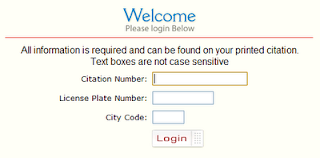
  3. Enter your details. Typically, you’ll need your citation number, license plate, and sometimes driver’s license information.

  4. Make payment. Most sites accept credit or debit cards. Some allow e-checks or mailed money orders.

  5. Save your receipt. Always keep a confirmation in case of disputes or record errors.

Paying your ticket this way ensures it is logged in the system, helping you avoid additional penalties or late fees.

Useful Payment Websites

Here are some of the most common resources drivers use to pay tickets:

  • PhotoNotice.com – a payment site used by RedFlex for many U.S. cities

  • Individual city or county court websites – often listed directly on your citation

When you visit a payment portal, you’ll usually see a welcome screen prompting you to enter your citation details. From there, you can review the photographic evidence, confirm the violation, and submit your payment securely.

The Bigger Picture

Red light camera programs have sparked debates across the country. Supporters argue that they improve safety by reducing red light running. Opponents claim they are more about revenue than safety, pointing to the millions of dollars collected each year. What is clear is that the system is not user-friendly. A more transparent, centralized solution would reduce confusion, improve fairness, and give drivers a straightforward way to resolve citations. Until then, drivers must carefully read their notices, double-check the payment portals, and decide whether to pay or fight.

Final Thoughts

Receiving a red light camera ticket is stressful, but you do have options. You can pay the fine quickly through the correct online portal, or you can explore legal defenses to contest it. The key is to act promptly, whether you are paying or fighting. Our role is not to collect fines but to provide drivers with clear information so they can make informed decisions. If you need to pay, use a trusted site such as PhotoNotice.com or your local courthouse portal. If you want to challenge the ticket, consider researching defenses like improper signage or unclear evidence. With the right knowledge, you can avoid costly mistakes and handle your ticket in the best way for your situation.

Washington D.C. Adds Crosswalk Cameras for Safety

DC crosswalk cameras
Search the database for "Crosswalk" to find Crosswalk Camera Locations

Washington D.C. has become a pioneer in pedestrian safety by installing crosswalk cameras. This innovative move aims to improve traffic enforcement, reduce pedestrian accidents, and promote safer streets for both pedestrians and drivers. As one of the first cities to adopt this technology, Washington D.C. is setting an example for other cities looking to improve traffic safety through automated enforcement.

What Are Crosswalk Cameras?

Crosswalk cameras are automated traffic enforcement devices designed to monitor and enforce pedestrian traffic laws at crosswalks. These cameras are strategically placed at high-traffic intersections and are capable of capturing images of vehicles that fail to yield to pedestrians in crosswalks, violating traffic laws. Drivers who break the law receive fines based on the evidence captured by the cameras.

Is Washington, D.C. the First City to Install Crosswalk Cameras?

While Washington D.C. is not the first city to experiment with automated traffic enforcement cameras, it is one of the first to specifically implement crosswalk cameras. This system is a part of D.C.’s broader efforts to reduce pedestrian accidents and improve traffic safety. The District joins a growing list of U.S. cities that are leveraging technology to enforce traffic laws and protect pedestrians.

Why Did D.C. Install Crosswalk Cameras?

Rising Pedestrian Accidents

Pedestrian accidents in Washington D.C. have been a growing concern in recent years. The city has seen an uptick in the number of pedestrian fatalities and injuries, prompting city officials to take action. By installing crosswalk cameras, the city aims to enforce pedestrian right-of-way laws and deter drivers from engaging in risky behavior, such as failing to yield to pedestrians in crosswalks.

Vision Zero Initiative

The crosswalk camera program is part of D.C.'s Vision Zero initiative, a comprehensive plan to eliminate traffic-related deaths and injuries by 2030. The program focuses on engineering safer streets, educating the public, and enforcing traffic laws. Crosswalk cameras contribute to these efforts by ensuring that drivers comply with laws designed to protect pedestrians.

Public Awareness and Education

Beyond enforcement, the installation of crosswalk cameras serves to raise awareness about pedestrian safety. By publicly announcing the use of cameras and issuing fines, D.C. hopes to educate drivers on the importance of yielding to pedestrians and following traffic laws.

What Are the Benefits of Crosswalk Cameras?

Improved Pedestrian Safety

The primary benefit of crosswalk cameras is increased pedestrian safety. By holding drivers accountable for not yielding to pedestrians, the cameras help reduce the number of pedestrian accidents. Studies have shown that automated traffic enforcement can lead to a decrease in accidents at monitored locations.

Increased Driver Accountability

Crosswalk cameras provide an effective way to enforce traffic laws and hold drivers accountable for their actions. By issuing fines based on camera footage, the city ensures that violators are penalized, even if they are not caught by a police officer. This helps create a culture of accountability on the roads.

Revenue Generation for City Infrastructure

In addition to improving safety, crosswalk cameras generate revenue that can be reinvested into city infrastructure. The fines collected from traffic violations help fund projects that improve roadways, pedestrian infrastructure, and public safety.

Challenges and Considerations

Privacy Concerns

One of the key challenges associated with crosswalk cameras is privacy. Some residents have raised concerns about surveillance and the potential misuse of camera data. However, city officials argue that the cameras are focused solely on traffic enforcement and are not used for general surveillance.

Public Perception and Acceptance

While crosswalk cameras have been effective in improving safety, some drivers may view them as an infringement on their rights or as a means of generating revenue. Public perception of the program is crucial to its success, and ongoing education and outreach are essential to ensure that the public understands the program's goals and benefits.

Conclusion

Washington D.C.'s decision to install crosswalk cameras represents a significant step forward in the city’s efforts to enhance pedestrian safety. By using automated technology to enforce traffic laws, the city is not only improving safety for pedestrians but also setting an example for other cities considering similar initiatives. As the program continues to evolve, Washington D.C. will likely see reductions in pedestrian accidents and a shift toward safer, more responsible driving habits.

Why Are Mapping Companies Afraid to Publish Camera Locations?

black, red, yellow country shape 

In an age where real-time traffic updates, satellite imagery, and AI-powered routing are commonplace, one question stands out: Why do most mapping companies avoid showing speed and red-light camera locations? With drivers increasingly reliant on navigation apps like Google Maps, Apple Maps, and Waze, the lack of transparency around traffic enforcement camera locations raises serious concerns about data censorship, user trust, and government influence.

The Growing Demand for Camera Location Transparency

Speed and red-light cameras are now widespread across major U.S. cities—from New York to Chicago to Los Angeles. These cameras are marketed as tools to improve public safety by deterring dangerous driving behaviors. But many critics argue they're also a revenue-generating tool for municipalities.

For drivers, knowing the location of speed and red-light cameras isn't just about avoiding tickets—it's about making informed driving decisions. That’s why demand for apps and websites that publish camera locations has skyrocketed. So why aren’t the biggest names in mapping fully supporting this?

1. Legal and Regulatory Pressure

Mapping giants operate globally, which means they face a complex patchwork of local laws and regulations. In some countries, publishing the location of speed enforcement cameras is outright banned. Even in the U.S., some jurisdictions have lobbied against features that reveal camera locations, arguing it undermines public safety efforts.

Is It Illegal in Germany and Europe?

Yes—and this is a major reason mapping companies remain cautious.

In Germany, it is illegal to use or operate apps or devices that provide real-time speed camera alerts while driving. Section 23(1c) of the German Road Traffic Act prohibits using such functionality in vehicles, and violators face fines and points on their license. Passive knowledge (like memorizing camera locations or checking before the drive) is allowed—but live alerts during driving are banned.

Here’s a snapshot of laws in Europe:

Country Legal to Use Speed Camera Alerts While Driving?
Germany ❌ Illegal
France ❌ Illegal (workarounds like "danger zones" used)
Switzerland ❌ Very illegal—even owning the app
UK ✅ Legal for fixed cameras
Netherlands ✅ Generally allowed
Italy/Spain ✅ Mixed enforcement

Because mapping companies often deploy uniform global features, they tend to restrict or blur enforcement camera data in countries with strict laws—sometimes impacting their features even in more lenient regions.

2. Fear of Political and Governmental Backlash

Publishing camera locations can put tech companies at odds with local governments and law enforcement agencies. These partnerships are often essential for access to infrastructure data, transit updates, and emergency response systems.

Criticizing or circumventing traffic enforcement tools might jeopardize those relationships. For some companies, avoiding conflict with city governments is more important than serving driver interests.

3. Liability and Public Safety Concerns

Mapping companies must also weigh ethical concerns. Critics of camera alerts argue that making camera data widely available could encourage reckless driving—drivers might only slow down near known camera points and speed elsewhere.

This puts companies in a tough position: if someone misuses the information and causes harm, could the platform be held partially responsible? To avoid these murky liability waters, many simply choose not to include real-time camera data.

4. Data Sourcing Challenges

Another overlooked factor is data reliability. Camera installations frequently change—new ones are added, and older ones are decommissioned or relocated. Maintaining an accurate, up-to-date global database of camera locations is a monumental task that requires constant local data verification.

Crowdsourced platforms like Waze have made strides in this area, but even then, accuracy varies widely by location. This makes it hard for major players to justify large-scale implementation, especially if the data can't be verified.

5. The Rise of Independent Alternatives

With mainstream mapping tools reluctant to offer full camera visibility, independent websites and apps are stepping in to fill the gap. Platforms like Speedtrap.org, PhotoEnforced.com, and various Reddit forums crowdsource camera location data and provide regularly updated maps.

Conclusion: Transparency vs. Control

At the heart of the issue is a clash between driver autonomy and centralized control. Mapping companies may cite safety, compliance, and legal complexity as reasons to hide traffic camera data, but users are growing increasingly skeptical. In a digital era built on open data and real-time insights, the decision to withhold information feels outdated—and potentially manipulative.

If companies like Google and Apple want to maintain user trust, it might be time to embrace camera transparency and let drivers make informed choices.

Washington D.C. Adds Stop Sign Cameras in School Zones

Map of Washington, DC Stop Sign Cameras Above

Washington D.C. is stepping up enforcement in school zones with a new plan to install 32 stop sign cameras throughout the city. Announced by the District Department of Transportation (DDOT), the initiative is aimed at increasing driver compliance and enhancing child safety near schools.

The move comes as part of D.C.’s broader Vision Zero strategy, which seeks to eliminate traffic fatalities and serious injuries by 2024. The city has already implemented speed cameras and red-light cameras — now, stop sign enforcement cameras are being added to the mix.

Why Stop Sign Cameras in School Zones?

According to DDOT, many drivers fail to make complete stops at stop signs, especially during busy school drop-off and pickup hours. These violations put children, crossing guards, and pedestrians at risk.

Stop sign cameras use automated license plate recognition and video capture to detect violations. If a driver rolls through or completely ignores a stop sign, a citation is automatically issued.

Where Will the Stop Sign Cameras Be Installed?

The DDOT has identified 32 high-risk school zones for installation. While the specific locations haven’t all been made public, the city says areas were selected based on:

  • Historical crash data

  • Community complaints

  • Proximity to schools and crosswalks

  • Traffic volume and pedestrian density

The goal is to target problem areas where non-compliance has led to near-misses or actual accidents.

How Much Is the Fine for a Stop Sign Violation?

Drivers caught by stop sign cameras in Washington D.C. could face fines of up to $100 per violation. The fines are civil penalties and do not add points to a driver’s license, but non-payment can lead to increased penalties or vehicle registration issues.

When Will the Cameras Be Active?

The cameras are expected to begin rolling out in late summer 2025, with full activation citywide by the start of the new school year in Fall 2025.

Community Response and Safety Impact

Parents and school administrators have expressed strong support for the new cameras, citing ongoing safety concerns during student arrival and dismissal times. Studies from other cities show that automated enforcement can lead to 30–50% reductions in stop sign violations.

Conclusion

Washington D.C.’s decision to install stop sign cameras in school zones is a proactive step toward safer streets. As enforcement ramps up, drivers should expect stricter compliance monitoring and should make full stops at all signed intersections — especially near schools.

How to Get Out of a Red Right Camera Ticket

Case Dismssed

notice to appear

What the Blank Data Fields on Your Automated Traffic Enforcement Notice to Appear Mean to You?

A red light camera ticket is mailed to you on a form (TR-115 see below) generally labeled Notice to Appear –Automated Traffic Enforcement and this form have data fields that are filled in with information like Name, Driver Lic. No., Age, Birthdate, Yr. of Veh., Make, Color, Code and Section, etc. Sometimes many of these fields are not filled in and you may wonder why? 

Getting a red-light camera notice in the mail is stressful, but you don’t have to treat it like a lost cause. Many automated traffic enforcement notices have procedural holes, incomplete data, or evidence problems that can lead to dismissal — if you act quickly and prepare the right documentation. This guide folds proven tactics together into an SEO-friendly, practical plan you can follow today.

Understand the notice you received

Automated traffic tickets are usually mailed on a standard “Notice to Appear” form. That form contains many fields — name, license number, vehicle year, make, color, violation code, and more. Some fields are legally required while others are discretionary. If mandatory fields are left blank or contain incorrect information, that can be grounds to challenge the validity of the notice. Read the form line-by-line and note the citation number, the PIN for viewing photos/video (if provided), and any deadlines for contesting. 

Common, successful defenses

Below are the defenses most often used successfully in hearings or written contests. Each one works best when supported by concrete evidence (photos, witness statements, logs).

  • Blank or incorrect form fields (technical defects). Courts expect required fields to be completed correctly. Missing mandatory data on the Notice to Appear can sometimes lead to dismissal on a technicality. 

  • You weren’t driving. If the registered owner wasn’t driving, identify the real driver with an affidavit or provide proof that the vehicle was loaned to someone else. Many jurisdictions permit the owner to officially transfer liability to the actual driver.

  • The light was yellow, not red. Signal timing, camera timestamps, and video often decide these disputes. If the footage or the signal log shows the light was still yellow when you entered the intersection, that’s a strong defense.

  • Insufficient warning signs or improper placement. Cities are supposed to provide adequate signage announcing automated enforcement. If signs weren’t visible or were missing, that argument can convince hearing officers to dismiss the ticket.

  • Photo/video doesn’t show the driver or clear violation. Blurry photos, angles that fail to identify the driver, or footage that doesn’t show lane position or signal status weaken the city’s case.

  • Equipment malfunction or calibration issues. Request the camera’s maintenance and calibration logs. If the vendor or agency didn’t perform required checks, the evidence may be inadmissible.

Evidence checklist — what to collect and how to use it

Collecting the right evidence is the difference between being dismissed and losing your contest. Organize everything into a simple packet:

  1. The original Notice to Appear — make a clean photocopy and highlight any missing fields or errors. 

  2. Photos and video from the camera system — download or request official copies using the PIN on the notice. Save originals and create backups.

  3. Your own footage — dashcam, helmet cam, or phone video is powerful. Time-stamped footage that contradicts the notice can change a hearing’s outcome.

  4. Witness statements — short written affidavits signed and dated by anyone who can confirm what happened.

  5. Proof of who was driving — rental agreements, loan forms, or insurance documents if the vehicle was not driven by the registered owner.

  6. Environmental documentation — photos you take immediately of sight lines, the placement of signs, traffic signal heads, and any visual obstructions at the intersection.

  7. Request the vendor/agency logs — maintenance, calibration, chain-of-custody, and signal timing logs. These are frequently decisive when a camera’s reliability is in question. 

How to request evidence and make records requests

Many jurisdictions allow you to view or download camera images and video online once you enter the notice number and PIN. If online access is unavailable, file a written request to the court or agency. In addition, consider a formal public records request for maintenance and calibration logs; vendors sometimes fail to keep complete records, and missing entries can support your defense.

How to present your case — options and strategy

You typically have three ways to respond to a red-light camera notice: pay, contest by mail/online, or request a hearing. Paying is the simplest but concedes liability. If there are any of the defenses above worth pursuing, contest the ticket.

  • Mail/online contest: Many agencies accept written declarations and documentary evidence. Carefully follow the submission guidelines and include copies (not originals) of your evidence.

  • In-person hearing: Bring organized evidence in a binder — the original notice, a timeline of events, labeled photos, witness affidavits, and a concise statement of your argument. Be polite, stick to facts, and let the exhibits tell the story.

  • Hire an attorney: If the potential consequences are significant (points, insurance surcharges, or multiple violations), a traffic attorney experienced with camera cases can be worth the expense.

Tactics judges and hearing officers respect

  • Be organized and concise. Judges respond well to a clear, chronological presentation and well-labeled exhibits.

  • Highlight procedural defects. Point out missing mandatory fields, incorrect dates/times, or lack of required signage. These procedural problems are often quick wins. 

  • Use signal timing and vendor logs to your advantage. Demonstrating that the camera timestamp doesn’t match the traffic controller’s log or that maintenance checks are missing can discredit the evidence.

  • Offer an alternative explanation. If you were avoiding an emergency, following an officer’s direction, or reacting to a hazard, present concise supporting evidence or testimony.

If you lose the hearing

If your contest is denied, you usually still have options: pay the fine (and possibly attend traffic school where eligible), file an appeal if allowed, or consult an attorney about civil remedies. Keep in mind that procedures and appeal windows vary widely by city and state.

Practical timeline and action plan (quick checklist)

  1. Read the notice immediately and note deadlines.

  2. Download the camera images/video and make backups.

  3. Photograph the intersection and signage as soon as possible.

  4. Gather dashcam footage, receipts, or witnesses.

  5. Request maintenance/calibration logs from the vendor/agency.

  6. File your contest or hearing request before the deadline.

  7. Organize your evidence and present it clearly at the hearing.

Final thoughts

Automated traffic enforcement tickets are not unbeatable. Cities rely on forms, camera systems, and vendor processes — and each of those has rules and gaps you can challenge. Focus on deadlines, gather and preserve evidence, and present a clean, factual case at your hearing. If the stakes are high, work with a traffic attorney who regularly handles camera cases. With preparation and persistence, many people get camera tickets dismissed or reduced.

Here are a few other ways to get out of a red light camera ticket as well . . .

Frequently Asked Questions About Red-Light Camera Tickets

Can I ignore a red-light camera ticket?
No. Ignoring it can lead to late fees, collections, or even a hold on your vehicle registration. Always respond by the deadline on the notice.

What is the easiest defense against a camera ticket?
Showing you were not the driver is often the most effective. Many cities allow the registered owner to submit an affidavit identifying the actual driver.

Do camera tickets put points on my license?
It depends on the state. In some states they are treated like parking tickets with no points, while in others they can affect your driving record and insurance.

How do I see the photo or video evidence?
Most notices include a citation number and PIN for viewing images and video online. If not, you can request copies from the issuing agency.

What if the camera or form has errors?
Incorrect license plate numbers, missing required fields, or faulty camera calibration can be valid grounds for dismissal if properly documented.

Should I hire a traffic attorney?
If the ticket could add points to your record or raise your insurance, hiring an attorney can increase your chances of dismissal or reduction.

New Jersey Red Light Cameras: Why They Were Removed

Chris Cristie

Will New Jersey Red Light Cameras Be Removed for Good?

For decades, New Jersey has been at the center of the national debate over red light cameras. These automated enforcement devices were once pitched as a solution to intersection crashes, but they quickly became a symbol of controversy. With the state’s red light camera program officially shut down in 2014, the lingering question remains: Will New Jersey ever bring them back, or are they gone for good?

Background: How New Jersey’s Red Light Cameras Started

In 2009, New Jersey launched a pilot program that allowed municipalities to install red light cameras at selected intersections. The stated purpose was straightforward: reduce traffic collisions caused by drivers running red lights. The cameras used sensors and automated imaging to capture vehicles that entered intersections after the signal turned red, and tickets were mailed to the registered owners.

Initially, more than 70 intersections across 25 municipalities participated in the program. Cities such as Newark, Jersey City, and Elizabeth adopted the technology, and private companies operated the cameras in exchange for a share of the fine revenue.

At first, supporters touted the cameras as life-saving tools. The theory was that automated enforcement would deter reckless driving, change driver behavior, and reduce the number of dangerous T-bone crashes at busy intersections.

Growing Public Backlash

Despite the safety claims, New Jersey drivers quickly voiced frustration with the program. Residents complained about:

  • Unfair Tickets: Many violations involved rolling right turns on red, where drivers slowed but didn’t come to a complete stop.

  • Yellow Light Timing: Some believed yellow light times were shortened to increase violations and revenue.

  • Lack of Transparency: Ticket revenue-sharing agreements with private vendors raised concerns about profit motives.

  • Delayed Notification: Tickets often arrived weeks later, leaving drivers unable to recall the incident or gather evidence to contest it.

By 2013, public sentiment had turned sharply against the cameras. Petitions circulated, lawsuits were filed, and grassroots campaigns urged lawmakers to end the program. Advocacy groups argued that cameras were less about safety and more about generating millions in revenue for cities and camera vendors.

Legal and Political Challenges

As the backlash intensified, lawmakers faced pressure to reevaluate the program. Governor Chris Christie acknowledged the widespread dissatisfaction and expressed reluctance to expand automated enforcement.

In 2012, controversy erupted when some municipalities were accused of using cameras that didn’t meet state certification standards. This led to a temporary suspension of ticketing at certain intersections and further eroded public confidence.

Meanwhile, other states began questioning their own programs. Court rulings in Florida, California, and Illinois raised doubts about due process and vendor involvement in ticket processing. New Jersey lawmakers took note of these developments as the state’s pilot program neared its expiration date.

End of the Pilot Program in 2014

The turning point came in December 2014. The legislation authorizing New Jersey’s red light camera pilot program expired, and lawmakers chose not to renew it. This decision effectively shut down all red light cameras statewide, making New Jersey one of the first states to abandon the technology after initially embracing it.

When the program ended, more than 500,000 violations had been issued across participating municipalities. The revenue impact was significant—millions of dollars in annual fines disappeared from city budgets overnight. Yet, many residents celebrated the program’s end as a victory for fairness and accountability.

Safety Impact: Did Cameras Work?

The key question still debated today is whether red light cameras actually made New Jersey roads safer. Studies conducted during the pilot produced mixed results:

  • Rear-End Collisions: Some data showed an increase in rear-end crashes at camera-equipped intersections, as drivers slammed on their brakes to avoid tickets.

  • T-Bone Crashes: On the other hand, angle collisions (often the most deadly) appeared to decline in some locations.

  • Driver Behavior: Anecdotal evidence suggested that while some drivers became more cautious, others grew frustrated and more aggressive.

The conflicting data made it difficult to justify extending the program, particularly when weighed against the public’s perception that the cameras were unfair and revenue-driven.

Municipal Fallout: Losing Revenue

For towns and cities that had grown dependent on red light camera revenue, the program’s end created budget challenges. Some municipalities had used the money to fund local traffic safety initiatives, while others relied on the fines to cover general expenses.

Without cameras, enforcement returned solely to local police officers, who could use discretion in issuing citations. This shift restored a sense of fairness for drivers but reduced the steady stream of automated revenue.

Lessons from New Jersey’s Experience

New Jersey’s experiment with red light cameras offers important lessons for other states considering or currently using automated enforcement:

  1. Public Trust Matters: Without transparency and clear communication, programs will be viewed as “cash grabs.”

  2. Yellow Light Timing Is Critical: Any suspicion that lights are shortened undermines legitimacy.

  3. Vendor Contracts Need Oversight: Profit-sharing agreements fuel distrust and create conflicts of interest.

  4. Safety Data Must Be Clear: Mixed results make it difficult to justify controversial programs.

Other states, such as Texas and South Carolina, have also banned red light cameras in recent years, often citing similar reasons.

Will Red Light Cameras Return to New Jersey?

As of 2025, New Jersey has not shown any signs of reviving its red light camera program. Lawmakers remain wary of the political fallout, and residents continue to view the cameras negatively.

However, new technologies—such as speed safety cameras in school zones—are gaining traction in other states. Some advocates believe New Jersey may eventually revisit automated enforcement under different guidelines, perhaps focusing narrowly on school or work zones rather than general intersection monitoring.

For now, though, red light cameras in the Garden State remain history.

Conclusion

New Jersey’s red light camera program was one of the most contentious traffic enforcement efforts in the state’s history. Launched with the goal of improving safety, it ended in widespread backlash, legal challenges, and ultimately a complete shutdown.

The story highlights the delicate balance between safety and revenue, technology and fairness, enforcement and public trust. While some states continue to expand automated enforcement, New Jersey stands as a clear example of how public opinion can drive policy.

For New Jersey drivers, the message is clear: red light cameras are gone, and for the foreseeable future, they’re not coming back.

Popular Articles (All Time)