Search For Maps & Articles

Showing posts with label Local. Show all posts

Are Traffic Cameras Legal in Los Angeles, California?

Los Angeles red light cameras map

The debate over red light cameras in Los Angeles has been ongoing for more than a decade. As the Los Angeles Board of Police Commissioners prepares to decide whether to approve the LAPD’s request for a new multi-year, multi-million-dollar contract for the city’s Photo Red-Light Program, drivers, taxpayers, and policymakers alike are asking an important question: Are traffic cameras legal in Los Angeles, California, and do they actually work?    Are Traffic Cameras Legal In Los Angeles, California?

This article explores the legal battles, financial controversies, and political disputes surrounding Los Angeles’ red light camera program. We’ll look at who profits, who pays, and why many California cities have abandoned cameras altogether.

LAPD’s Request for a New Contract

The Los Angeles Police Department has asked the city to approve a new contract with American Traffic Solutions (ATS), the Arizona-based vendor currently operating the system. According to the LAPD, the new deal would keep the cameras running for several more years across dozens of busy intersections.

But the numbers don’t look good for the city’s bottom line. Under the proposed agreement, Los Angeles would actually lose a minimum of $1.5 million per year. Critics argue that no safety program should run at such a steep loss, especially when the public continues to question its effectiveness.

Arizona Boycott Controversy

Adding to the drama, ATS is headquartered in Arizona. Years ago, the Los Angeles City Council passed a resolution boycotting Arizona-based companies in protest of the state’s immigration policies. Now, with the LAPD pushing to sign a new deal with ATS, watchdog groups are pointing out the contradiction.

How can the city uphold a boycott while awarding a multi-million-dollar contract to an Arizona company? This inconsistency could sway the vote when commissioners meet to decide the fate of the program.

The Role of Safer Streets L.A.

Safer Streets L.A., a grassroots organization dedicated to motorist safety, has been one of the loudest voices opposing red light cameras in the city. The group argues that the cameras are less about safety and more about revenue generation, punishing drivers while failing to reduce accidents.

According to Safer Streets L.A., there is a growing chance that enough members of the Police Commission Board will reject the LAPD proposal, effectively ending the city’s red light camera program once and for all.

The organization also highlights the questionable ethics of ATS, pointing to reports that the company has engaged in manipulative campaigns designed to sway public opinion in favor of cameras. Publications such as the HeraldNet and Spokesman have reported on similar controversies involving the vendor in other states.

Do Red Light Cameras Improve Safety?

At the core of this debate is the question of whether cameras make streets safer. Studies have shown mixed results:

  • Supporters argue that cameras reduce dangerous T-bone collisions caused by drivers running red lights.

  • Opponents counter that while some collisions decrease, rear-end accidents often increase as drivers slam on their brakes to avoid tickets.

Safer Streets L.A. has published multiple reports claiming that Los Angeles’ red light cameras have not produced measurable safety improvements. Instead, they argue, the program simply transfers money from residents to an out-of-state corporation.

The Cost of Fighting a Ticket

In Los Angeles, getting caught by a red light camera can cost $490 or more once state fees are included. But that’s not all. Many drivers who challenge their citations end up spending thousands in legal fees. Some local traffic attorneys have become experts at fighting camera tickets, often getting them dismissed due to errors in the citation process.

These frequent court challenges are one reason the program is financially unsustainable. If drivers are beating tickets in court, the city and ATS are collecting less money, leaving taxpayers to cover the operating costs.

Why Other California Cities Shut Down Cameras

Los Angeles is not the only California city to face these challenges. In fact, more than 60 cities across the state have already abandoned their red light camera programs after facing similar problems. Cities like Berkeley, Pasadena, and San Diego found that the financial and political costs outweighed the benefits.

Opponents argue Los Angeles should follow suit, ending the program rather than extending it for several more years at a loss.

Legal Questions About Enforceability

Another wrinkle is the question of whether camera tickets are even enforceable under California law. While the state allows photo enforcement programs, courts have ruled that evidence must be reliable and drivers must be properly identified.

In some cases, drivers have successfully argued that mailed citations lack proper legal foundation because the officer who signs them did not personally witness the violation. These arguments, combined with public resentment, have further weakened support for the program.

Ethics and Public Trust

The LAPD and city officials have a responsibility not just to enforce traffic laws, but also to uphold public trust. Partnering with a company accused of questionable lobbying tactics raises concerns about transparency and accountability.

If residents believe cameras are more about money than safety, compliance drops and resentment grows. For programs like this to work, the public must view them as fair and effective.

What Happens Next?

The Los Angeles Board of Police Commissioners is scheduled to hold a meeting at 9:30 a.m. at the Police Administration Building, 100 West 1st Street, Los Angeles, CA. At that meeting, they will vote on whether to approve the LAPD’s request.

If the board votes against the contract, Los Angeles’ red light camera program could be shut down for good. If they approve, the city will continue paying millions to keep the cameras running—despite public opposition and financial losses.

The Bigger Picture

The fight over red light cameras in Los Angeles represents a larger debate happening nationwide. Cities across the United States are grappling with whether automated enforcement is the future of traffic safety or an outdated, ineffective cash grab.

Los Angeles, with its size and influence, could set an example for other municipalities. Ending the program might signal to other cities that it’s time to rethink photo enforcement altogether.

Conclusion

So, are traffic cameras legal in Los Angeles, California? Yes, they are allowed under state law—but legality doesn’t necessarily mean they make sense for the city. Between financial losses, ethical questions, legal challenges, and public opposition, the red light camera program faces a tough road ahead.

The upcoming Police Commission vote will determine whether Los Angeles doubles down on this controversial technology or joins dozens of other California cities in pulling the plug.

One thing is certain: the decision will affect not just drivers, but also the city’s reputation for balancing public safety with fairness and fiscal responsibility.

References:

Spokesman
Againstallclods

The Board of Police Commissioners meeting will take place at 9:30am at the Police Administration Building 100 West 1st Street. LA, CA. Safer Streets L.A. studies regarding red-light cameras can be viewed and downloaded for free at Saferstreetsla.org/reports

New York Speed Cameras: Expansion, Laws & Fines (2014–2030)

speed camera yellow
speed camera grey

More Than 2,000 Speed Cameras Are Now a Reality: What You Need to Know in 2025

Over a decade ago, the idea of deploying some 2,000 speed cameras in and around New York seemed ambitious. Today, that plan is not only realized — it has expanded and become central to New York City’s traffic safety strategy. What began as a 2014 proposal to deploy hundreds of new cameras across Long Island and the city now forms the backbone of Vision Zero and school zone enforcement efforts.

If you drive in New York today, here’s a clear, up-to-date guide to how these systems work, where they operate, and what’s new as of 2025.  NY Speed Cameras map.

A Decade-Long Journey: From Proposal to City-Wide Enforcement

The 2014 Proposal

In 2014, the New York State Senate passed a bill permitting more than 2,000 new speed cameras in New York City and surrounding counties. That bill authorized:

  • Up to 69 cameras in Suffolk County

  • 56 in Nassau County

  • An additional 120 cameras for New York City, atop the 20 already operational

These cameras were intended primarily for use before, during, and after school hours. Violators would be mailed $50 tickets for recorded speeding.

That marked the early push to expand automated speed enforcement beyond limited pilot zones into broader city and suburban coverage.

The Transition to 24/7 and Full Deployment

Over time, the program expanded in scope and authority:

  • In 2022, New York City began issuing speed camera violations 24/7, year-round, covering 750 school speed zones across all five boroughs.

  • As of 2025, NYC maintains approximately 2,200 active speed cameras covering these zones.

  • The cameras trigger fines for vehicles exceeding the posted speed by 10 mph or more (11+ mph over the limit).

The shift to 24/7 enforcement dramatically increased detection and fines — but more importantly, it solidified the role of speed cameras as a consistent deterrent, not just a daytime tool.

What’s New in 2025: Extensions, Expansions, and Enhancements

Program Reauthorization Through 2030

One of the biggest recent developments is legislative reauthorization:

  • In June 2025, the Governor signed legislation extending New York City’s school-zone speed camera program through July 1, 2030.

  • This law also strengthens enforcement rules, repeals outdated sections, and ensures continued deployment across the city.

Without this reauthorization, the program would have expired on July 1, 2025, causing the city’s 2,200+ cameras to go dark.

Work Zone & Highway Enforcement Expansion

In addition to school zones, New York has been piloting and expanding work-zone speed camera enforcement, particularly on state highways, bridges, and tunnels.

  • Proposed legislation aims to expand enforcement in work zones on the New York State Thruway and DOT-maintained highways and make the program permanent.

  • Officials are pushing to make these systems standard in MTA bridges and tunnels as part of the upcoming state budget.

  • The current Automated Work Zone Speed Enforcement systems operate where signage is posted, and cameras are activated after daily self-checks.

These expansions are especially aimed at protecting construction workers and managing speeds in high-risk highway settings.

Speed Limiter / “Super Speeder” Legislation

To address repeat offenders, lawmakers and city officials are pushing for intelligent speed assistance devices:

  • A proposed bill would require vehicles to install speed limiters if drivers rack up multiple violations (for example, 11 or more speed or camera tickets in 24 months).

  • The campaign is supported by evidence that a small group of drivers — sometimes called “super speeders” — are disproportionately involved in serious crashes.

  • However, the bill has been softened in negotiations, and red-light violations have been removed from some proposed thresholds.

Whether this legislation becomes law will influence how aggressive enforcement becomes in the coming years.

How the Cameras Work & What Happens if You’re Caught

Detection & Violation Process

  • Cameras operate 24/7, 365 days a year in school zones.

  • They photograph only vehicles going more than 10 mph above the limit (11+ mph).

  • The system filters out unclear captures, and DOT reviews to confirm that the vehicle is properly identified before issuing a Notice of Liability (NOL).

  • Once a violation is confirmed, the vehicle owner receives a Notice of Liability by mail in about 14 days.

  • The standard fine is $50 for an exceedance of 10+ mph.

If the violation is contested, you may dispute it online, by mail, or in person. Ignoring it can lead to late penalties, interest, or even vehicle booting or towing.

Results & Behavioral Change

  • Severe traffic injuries have dropped nearly 30% at locations with new cameras.

  • Some camera placements have produced dramatic changes — one Manhattan location saw a 75% reduction in speeding after installation.

  • Researchers have found that measurable behavioral shifts (reduced speeding) take about six months to fully materialize, and effects vary by neighborhood.

These patterns underline that sustained enforcement, not one-off deployments, yields long-term safety gains.

Challenges, Pushback & Loopholes

Tampering & Plate Evasion

To evade camera detection, some drivers have attempted tricks like:

  • Obscuring license plates with plastic covers, reflective spray, or bending them.

  • Covering cameras with objects such as fake flower bouquets.

  • Between 2020 and 2022, over 1.5 million tickets were never issued due to unreadable or obscured plates, representing tens of millions in lost fines.

New rules in 2025 make obscuring or altering plates illegal, with fines of $50, reinforcing that legible plates are essential for automated enforcement to work.

Political & Public Resistance

While many advocates hail the safety benefits, critics argue:

  • Speed cameras are a revenue trap rather than purely safety measures.

  • Some complain that frequent violations in residential areas amount to over-policing of driving behavior.

  • Legislative negotiations have diluted possible penalties, with some proposed “super speeder” thresholds scaled back.

Still, the fact that Albany renewed the program through 2030 suggests broad legislative support for continued automated enforcement.

Your Rights & Best Practices as a Motorist

If you drive in New York, here’s what you should keep in mind:

  1. Know the Speed Zones
    Cameras are limited to school speed zones, roughly within a ¼ mile of schools in each direction.

  2. Mind the “+10 Rule”
    Cameras issue citations for 11 mph or more above the limit. Driving 10 mph over is below the threshold.

  3. Dispute If Incorrect
    If you believe your Notice of Liability was in error, you have 30 days to respond, pay, or contest.

  4. Avoid Plate Tampering
    Don’t obscure or alter your license plate. That itself may draw penalties and undermines your defense.

  5. Track Recurring Violations
    If you incur multiple violations, you may become subject to increased scrutiny or future laws requiring speed-limiting technology.

Why This Matters: Safety, Accountability & Vision Zero

Speed is a leading factor in crash severity. Automated enforcement programs like New York’s are part of the broader Vision Zero initiative — aiming to eliminate traffic deaths altogether.

Legislation and deployment adjustments reflect a belief by policymakers that speed cameras are more than revenue tools — they are critical tools to compel safer driving behavior, especially in school zones and work zones where vulnerable pedestrians and workers are present.

The reauthorization through 2030 signals that the city intends to maintain consistency in enforcement for years to come.

Final Thoughts

What was once a speculative plan in 2014 has matured into a robust, city-wide network of speed cameras, now standard equipment in New York’s traffic safety arsenal. The 2,200+ cameras operating in 750 school zones reflect the program’s growth. Legislative reauthorizations, expansion into work zones, and future speed-limiter proposals show that the system continues evolving — both in breadth and in intensity.

For motorists, the implications are clear: staying within posted limits, keeping license plates visible, and understanding your rights if you receive a Notice of Liability are essential in a city where speed enforcement is no longer novel — it’s expected.  Which states allow speed cameras?

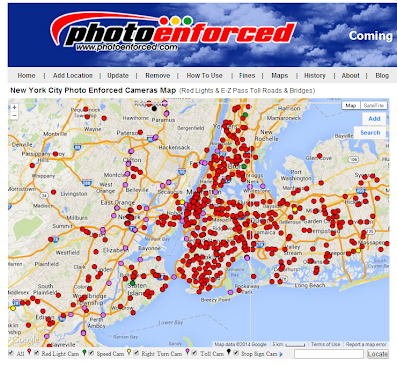
NYC red light cameras map

Unpaid Red Light Camera Tickets in Pueblo, Colorado

Pueblo police logo

Red light camera enforcement in Pueblo, Colorado, was introduced with the promise of safer streets and a self-sustaining revenue stream. The city expected that fines collected from violations would cover the costs of leasing and maintaining the equipment while helping to fund public safety initiatives. But reality has proven far more complicated. A significant share of tickets went unpaid, leaving Pueblo with a shortfall that raised questions about the long-term viability of the program.

The Financial Strain of Unpaid Tickets

City leaders quickly discovered that roughly 20 percent of tickets issued by the red light cameras were not being paid. That unpaid balance left Pueblo with a budget deficit of about $20,000. Instead of generating a surplus for safety programs, the cameras became a financial burden.

Pueblo leases three red light camera units from a private vendor at a cost of about $15,000 per month. Over the course of just six months, lease payments totaled $90,000, while actual collections from fines amounted to only around $70,000. The gap revealed a core weakness in the program: it depended entirely on near-perfect compliance to break even.

Why Drivers Don’t Pay

The unpaid ticket problem in Pueblo reflects broader national trends. Drivers choose not to pay their red light camera fines for several reasons:

  • Financial hardship. Even modest fines can be a strain on families living paycheck to paycheck.

  • Disagreement with the program. Some drivers refuse to pay on principle, seeing red light cameras as unfair or unconstitutional.

  • Administrative challenges. Notices may not always reach the correct person, particularly if vehicle registrations are outdated or the car has changed hands.

  • Weak enforcement tools. Without strong mechanisms such as registration holds or credit reporting, some drivers simply gamble that nothing will happen if they ignore the fine.

The combination of these factors makes it difficult for cities like Pueblo to achieve high compliance rates.

The Broader Impact of Unpaid Fines

Unpaid red light camera tickets carry more than just financial consequences for city budgets. They also create problems of fairness, credibility, and enforcement consistency.

  1. Budget Deficits: Cities often plan around the assumption that revenue from tickets will cover costs. When large numbers go unpaid, taxpayers may end up subsidizing programs that were supposed to pay for themselves.

  2. Credibility Issues: Officials who promised that the cameras would be self-funding and improve safety risk losing public trust when the math doesn’t add up.

  3. Public Safety vs. Profit: When revenue shortfalls dominate the conversation, the original safety purpose of the program can appear secondary.

  4. Unequal Burden: Those who pay their fines shoulder the full cost of compliance, while those who refuse effectively avoid punishment if enforcement mechanisms are weak.

Pueblo as a Case Study

Pueblo’s experience demonstrates the challenges small and mid-sized cities face with automated enforcement. Unlike larger metro areas with broader tax bases and enforcement infrastructure, smaller cities often cannot absorb large amounts of unpaid fines. The result is a cycle in which the cost of leasing and maintaining cameras outweighs the collected revenue, forcing officials to reconsider whether the program is financially sustainable.

What Pueblo Could Teach Other Cities

The Pueblo example highlights several lessons for other jurisdictions:

  • Plan for Nonpayment: Cities should budget with the expectation that a portion of fines will go uncollected. Overly optimistic revenue projections can create financial shortfalls.

  • Strengthen Enforcement: Options like vehicle registration holds, liens, or partnerships with state agencies can increase collection rates.

  • Focus on Safety Metrics: Programs should be judged by their impact on reducing crashes, not by how much revenue they bring in. If cameras prevent accidents, their value extends beyond dollars.

  • Transparency Matters: Public trust depends on clear communication about where revenue goes, how much is collected, and how safety is measured.

The Bigger Picture

Across the country, unpaid red light camera tickets are an increasing problem. Nationally, some cities report collection rates under 80 percent, meaning one in five tickets goes unresolved. For larger cities with higher ticket volumes, this can represent millions in lost revenue. For smaller cities like Pueblo, it can be the difference between a sustainable safety program and a financial liability.

The debate over red light cameras often centers on fairness, revenue, and safety. But the Pueblo case shows that unpaid fines are at the heart of the controversy. If enforcement cannot ensure compliance, then the cameras risk losing their credibility both as a safety measure and as a financial tool.

Conclusion

Unpaid red light camera tickets in Pueblo, Colorado, turned a program meant to improve safety and generate revenue into a budget shortfall. With nearly one in five tickets going unpaid, the city found itself covering costs it had expected violators to pay. Pueblo’s experience serves as a warning to other communities: unless strong enforcement tools are in place and realistic collection rates are assumed, red light cameras may become more of a liability than an asset.

Illinois Lawmakers Have Considered Statewide Bans on Red Light Cameras

no red light camera sign

Lawmakers in Springfield, Illinois are set to debate a new bill this week that could lead to a statewide ban on automated red light cameras—a move that may dramatically change how traffic enforcement is handled across the state.

Proposed Bill Could Eliminate Red Light Cameras in Illinois

The legislation, which has garnered bipartisan support from both leading Republicans and Democrats, seeks to eliminate the authority of counties and municipalities to use automated red light cameras. These systems, which automatically issue tickets to drivers who enter intersections after the light turns red, have been widely deployed throughout Chicago and its suburbs.

What remains unclear is whether the proposed ban would apply only to new camera installations or if existing red light cameras would be removed as well. Historically, similar efforts in other states have allowed existing contracts with camera vendors—such as Redflex and American Traffic Solutions (ATS)—to run their course before requiring removal.

Illinois Among the Top States for Red Light Cameras

According to PhotoEnforced.com, Illinois is one of the fastest-growing states for red light camera usage. The site tracks the growth of traffic enforcement cameras nationwide, and its open database reports over 700 monitored intersections across Illinois. More than two-thirds of those are located in Chicago, making it one of the most heavily monitored cities in the country.

The Ongoing Debate: Safety vs. Revenue

Supporters of red light cameras argue that they help reduce traffic collisions, especially at high-risk intersections. They claim the threat of a ticket encourages safer driving behavior and saves lives.

However, opponents argue that the cameras are more about generating revenue than improving road safety. Many critics cite short yellow light times and lack of due process as reasons to discontinue their use. Others point to data suggesting that while T-bone accidents may decline, rear-end collisions often increase due to sudden braking at camera-equipped intersections.

What's Next?

The outcome of Tuesday’s legislative session could determine the future of automated traffic enforcement in Illinois. If the bill passes, it may set a precedent for other states considering similar bans.

Drivers, local governments, and traffic safety advocates across Illinois will be closely watching to see whether lawmakers prioritize public safety or choose to pull the plug on a controversial enforcement tool.

Albuquerque Red-Light Cameras: What Happened and What’s Next?

camera protest 

The Rise and Fall of Albuquerque’s Red-Light Camera Program

In the mid-2000s, Albuquerque was one of many U.S. cities to adopt red-light cameras at busy intersections. Operated under contract with Redflex Traffic Systems, these cameras were promoted as a way to reduce collisions and discourage dangerous driving. By 2010, however, the program was under fire. City audits showed that it was running at a $30,000 monthly deficit, partly due to equipment costs and partly due to disputes over whether the cameras truly improved safety. Many drivers and elected officials also believed the program was more about generating revenue than protecting the public. Public confidence continued to erode. Studies conducted by the University of New Mexico’s Institute for Social Research found mixed results. Some intersections saw fewer crashes, while others recorded more rear-end accidents as drivers slammed on their brakes to avoid tickets. By late 2010, Albuquerque let its contract with Redflex expire. The cameras were officially shut down on December 31, 2011, after a ballot initiative showed little public support for keeping them. That decision ended one of New Mexico’s most controversial traffic enforcement experiments.

Why the Red-Light Program Failed

Several factors contributed to the downfall: Financial Deficit: Unlike in other cities where camera enforcement generated millions, Albuquerque’s system cost more than it brought in. Safety Concerns: Data did not clearly prove that cameras reduced serious crashes. Public Perception: Many residents felt the cameras were unfair, invasive, or poorly managed. Legal Pushback: Lawsuits challenged the fairness of automated enforcement, further weakening support. Ultimately, the city concluded the program wasn’t worth continuing — joining other communities nationwide that abandoned red-light enforcement.  Albuquerque cameras actually Increased Accidents

The Shift to Automated Speed Enforcement (ASE)

While red-light cameras disappeared, Albuquerque did not abandon automated enforcement entirely. In fact, the city pivoted to a new system: Automated Speed Enforcement (ASE) cameras. Launched in the early 2020s as part of the Vision Zero initiative, ASE cameras are designed to reduce speeding on high-crash corridors. Instead of targeting red-light runners, these devices capture images of vehicles exceeding posted speed limits.

How ASE Cameras Work

Cameras measure a vehicle’s speed using radar or sensors. If a driver is above the threshold, the system captures photos and video. A civil citation is mailed to the registered vehicle owner. Tickets are not criminal offenses; they function more like parking fines. Unlike the old red-light system, ASE tickets do not add points to a driver’s license and cannot be used by insurers to raise premiums.

Where Are the Cameras Now?

As of late 2023, Albuquerque had installed 20 fixed speed cameras across 16 major roads and intersections. These locations were chosen based on crash data and speeding trends. Common corridors include Montgomery Blvd., Central Ave., Coors Blvd., and Unser Blvd. The city posts signs warning drivers of photo enforcement zones, but the cameras still catch thousands of violators each month.

The Financial Picture

In its first 18 months, Albuquerque’s speed camera program issued nearly 150,000 citations. Of those, about 47% were paid, generating over $6 million in revenue. The money is divided among three entities: the City of Albuquerque, the State of New Mexico, and the private vendor providing the camera equipment. Each received roughly $1.9 million. However, compliance remains a challenge. More than half of ticketed drivers never paid, leaving the city to decide whether to pursue collection or simply treat the fines as civil infractions.

Enforcement Challenges

The city designed the ASE program to be less punitive than the old red-light system, but that softer approach has trade-offs. No Points or License Suspensions: Tickets are civil, so there’s less incentive to pay. High Non-Payment Rates: Over 50% of citations remain unpaid. Delayed Spending: Although revenue was supposed to fund Vision Zero street improvements, reports show much of the money has not yet been used for that purpose. Community Service Option: Drivers can choose community service instead of paying the fine, but only about 1% have taken that route.

Expansion Into Bernalillo County

Albuquerque is not alone in using cameras. Surrounding Bernalillo County has started installing its own speed cameras along dangerous roads such as Tramway and Coors. These county-run cameras issue $100 citations, with the option of paying just $25 plus community service. Like the city program, the tickets are civil penalties, not criminal violations.

Do Cameras Actually Work?

The effectiveness of automated cameras remains a hot debate. Supporters argue: Cameras reduce speeding at targeted locations, lower speeds lead to fewer severe crashes, and enforcement is consistent and not biased like human policing. Critics counter: Many drivers simply don’t pay their tickets, some studies show cameras shift — rather than eliminate — crash risks, and programs often look more like revenue generators than safety solutions. In Albuquerque, early data suggests a 7% reduction in average speeds at camera locations, but whether that translates into long-term crash reductions is still being studied.

What Drivers Should Know Today

  1. No Red-Light Cameras: Albuquerque has not used them since 2011.

  2. Speed Cameras Are Active: 20 cameras operate on major streets citywide.

  3. Tickets Are Civil: No points, no insurance hikes, but unpaid fines can still go to collections.

  4. Revenue Use Is Under Scrutiny: While millions have been collected, little has yet been spent on promised safety improvements.

  5. County Cameras Are Coming: Bernalillo County is adding its own enforcement network.

Conclusion

Albuquerque’s experiment with red-light cameras ended more than a decade ago after financial losses and public backlash. But the city has since embraced a new generation of automated speed enforcement cameras as part of its Vision Zero safety push. Whether this approach succeeds where red-light cameras failed remains to be seen. The system is generating millions in fines, but with compliance issues and lingering skepticism, its ultimate value will depend on whether it truly saves lives — or just fills city coffers.

Where Are Cedar Rapids Photo-Enforced Cameras?

Cedar Rapids Photo-Enforced Cameras: Locations, Laws, and Fines

Cedar Rapids, Iowa, has long been one of the most talked-about cities in the Midwest when it comes to automated traffic enforcement. While larger metro areas like Chicago, Washington D.C., and New York often dominate the headlines, Cedar Rapids stands out because of the sheer scale of its photo enforcement relative to its population size. Over the years, the city has installed red light and speed cameras on major roads, highways, and intersections, sparking passionate debates about safety, legality, and revenue.

Background of Photo Enforcement in Cedar Rapids

Automated enforcement was first introduced in Cedar Rapids as a way to reduce crashes caused by red light running and excessive speeding. The city partnered with a private vendor to install cameras at high-risk intersections and along major corridors. Initially, officials justified the cameras as a safety tool, noting crash data and community concerns. However, as ticket revenue grew, critics began raising questions about whether the program was truly about safety—or if it had become a cash machine for both the city and the vendor.

Cedar Rapids became one of the most aggressive adopters of cameras in the entire state of Iowa. Unlike other communities that experimented with just one or two intersections, Cedar Rapids quickly rolled out dozens of locations, particularly along Interstate 380. Drivers traveling through the city on the interstate began to notice frequent flashes and hefty citations in the mail, sometimes weeks after their trip.

Locations of Photo-Enforced Cameras

The majority of cameras in Cedar Rapids have been concentrated in two categories:

  1. Interstate 380 Corridor
    Several fixed speed cameras are mounted along I-380 as it passes through downtown Cedar Rapids. These cameras monitor both directions of travel and have been particularly controversial, since interstate enforcement is rare in many states. Motorists unfamiliar with the city often find themselves ticketed at highway speeds, with fines ranging from $75 to several hundred dollars depending on how far over the limit they were driving.

  2. City Intersections
    Red light cameras and additional speed cameras are positioned at key surface street intersections. These include high-traffic roads like 1st Avenue, Collins Road, and Edgewood Road. The purpose is to capture both red light violations and drivers accelerating through intersections where crashes have historically been a problem.

Although the city does not always publish a neatly updated list of exact addresses, drivers have learned the locations through warning signs, local media reports, and word of mouth. Many community websites, such as Photo Enforced maintain user-submitted databases of camera locations to help drivers stay informed.

Legal Battles and State Involvement

The aggressive use of cameras in Cedar Rapids has drawn significant legal scrutiny. Lawsuits have challenged whether the city has the authority to issue tickets on interstate highways, since those roads fall under state and federal jurisdiction. Some drivers have argued that tickets issued on I-380 should be invalid, while others have challenged the fairness of the appeal process.

The Iowa Supreme Court has heard multiple cases regarding photo enforcement, and while some rulings upheld the general legality of cameras, others limited how they can be applied. At times, the Iowa Department of Transportation has even ordered the city to remove or disable certain cameras, citing safety concerns or questions about compliance with state law.

Despite these setbacks, Cedar Rapids has fought to keep its enforcement program active. City officials maintain that the cameras save lives, reduce crashes, and provide an important deterrent effect. Critics counter that the cameras are primarily about generating millions of dollars in ticket revenue.

Revenue and Fines

Ticket revenue in Cedar Rapids has been substantial. Reports over the years have shown tens of millions of dollars collected from automated enforcement. A portion of these funds goes to the private vendor that operates the system, while the rest supports city budgets, police programs, and infrastructure projects.

For drivers, the costs are steep. A red light camera ticket typically costs around $100, while speed camera fines range from $75 for lower-level violations up to $500 for extreme speeding. Out-of-state drivers often find themselves caught off guard, especially those who only pass through Cedar Rapids while traveling along I-380.

The financial burden of these tickets has become a central issue in the debate. Some residents argue that the program disproportionately impacts working-class drivers and those who can least afford surprise fines. Others believe the money could be better raised through more transparent taxation rather than automated penalties.

Safety Results: Do the Cameras Work?

Supporters of photo enforcement argue that crash data demonstrates improvements at key intersections and along the interstate. Studies presented by the city suggest reductions in rear-end collisions, T-bone crashes, and speeding-related incidents. City officials claim that the deterrent effect extends beyond Cedar Rapids, since drivers passing through are more cautious once they know cameras are active.

Skeptics, however, question whether the statistics have been selectively reported. They note that while some types of crashes decline, others—like rear-end collisions—may increase as drivers brake suddenly to avoid tickets. Independent studies in other states have shown mixed results, fueling the ongoing controversy.

Public Opinion in Cedar Rapids

Residents of Cedar Rapids remain deeply divided on the issue. Some believe the cameras are a necessary tool for improving road safety, especially in a city with busy traffic corridors. Others see the cameras as government overreach and an unfair tax disguised as enforcement.

Public meetings and city council debates have repeatedly highlighted this split. Citizen petitions have even attempted to force votes to remove the cameras. Yet despite opposition, the cameras remain in place, largely because of the revenue they generate and the political will of city officials who argue safety is at stake.

The Future of Photo Enforcement in Iowa

The future of photo enforcement in Cedar Rapids and across Iowa remains uncertain. The state legislature has debated bills that would ban or restrict automated traffic enforcement, but so far, no permanent statewide prohibition has passed. Each year brings new proposals, new lawsuits, and new controversies.

Cedar Rapids, because of its scale and interstate enforcement, is often viewed as the test case for the rest of Iowa. If the city is eventually forced to scale back or eliminate its program, it could signal broader changes across the state. Conversely, if Cedar Rapids continues to withstand legal challenges and political pressure, other Iowa cities may expand their own programs.

What Drivers Need to Know

If you are driving in or through Cedar Rapids, there are a few key takeaways:

  • Expect enforcement cameras on I-380 through downtown.

  • Be aware of red light and speed cameras at major intersections.

  • Tickets typically arrive in the mail within 5-10 business days if a violation is recorded.

  • Fines are expensive, and ignoring them can result in collections or holds on your vehicle registration.

  • You may have legal defenses if you believe a ticket was issued unfairly. Many drivers choose to challenge tickets in court, sometimes successfully.

For more detailed resources on photo enforcement locations nationwide, visit Photo Enforced, which provides updated maps and user-submitted reports.

The State of Florida Seeks Share of City Revenue from Cameras

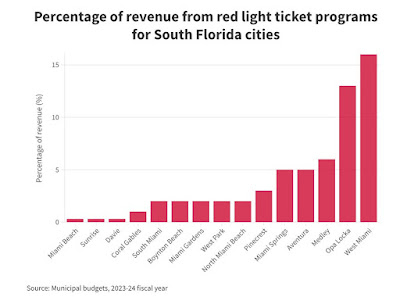
city red light camera revenue Florida

Florida cities have long used red light cameras as a tool to promote traffic safety and reduce violations at dangerous intersections. These cameras generate significant revenue for local governments, funding various public services. However, the State of Florida is increasingly interested in obtaining a portion of this income, raising questions about the impact on local budgets and public safety initiatives. Here’s a look at why the state wants a share of red light camera revenue, what it means for Florida cities, and how it could affect residents. 

Why Does Florida Want Red Light Camera Revenue?

Florida Red Light Camera Fines Increasing: What Drivers Need to Know

In recent years, red light cameras have become a common feature at intersections throughout Florida. While they aim to enhance road safety by discouraging reckless driving, recent changes in fines associated with red light camera violations are raising eyebrows among motorists. This article outlines the upcoming increases in red light camera fines in Florida and provides essential information for drivers to navigate this evolving landscape.

Understanding Red Light Cameras in Florida

Red light cameras are automated systems installed at intersections to capture images of vehicles that run red lights. The primary goal is to reduce traffic accidents and enhance safety for drivers, passengers, and pedestrians. However, violating a red light can result in significant financial penalties, which are now set to rise.

Recent Increases in Fines

The Florida Department of Highway Safety and Motor Vehicles has announced that fines for red light camera violations will be increasing starting in [insert specific month/year, if known]. The new fines will vary depending on the violation but could reach up to $200 for certain infractions, with additional fees that may apply. This change is part of an ongoing effort to ensure compliance with traffic laws and promote safer driving behaviors.

Current Fines vs. New Fines

Currently, the fines for red light camera violations in Florida typically range from $158 to $200. Under the new structure, the fines are expected to increase significantly, with some municipalities implementing fines as high as $250.

Violation Current Fine ($) New Fine ($)
Running a red light $158 $200-$250
Failure to stop for a red light $158 $200-$250

Note: Always check with local authorities for the most accurate and up-to-date information regarding fines.

Points and Consequences

In addition to fines, drivers who receive a red light camera ticket in Florida may also incur points on their driving record. Typically, violations result in 3 points, which can lead to increased insurance premiums and potential repercussions if points accumulate.

Implications for Drivers

  1. Increased Financial Burden: With fines set to rise, drivers must be more cautious at intersections equipped with red light cameras. A violation could lead to a hefty fine that impacts your budget.

  2. Impact on Insurance: Accumulating points can result in higher insurance premiums. Maintaining a clean driving record is essential to avoid financial repercussions.

  3. Local Variations: Fines and enforcement practices may vary by municipality, making it crucial for drivers to stay informed about the rules in their area.

Tips for Avoiding Red Light Camera Violations

To avoid falling victim to increased fines, consider the following tips:

  • Stay Alert: Always be aware of traffic signals and the posted speed limits.

  • Stop on Yellow: When approaching an intersection, prepare to stop if the light turns yellow. A sudden stop is better than a late decision to run the red light.

  • Know Your Area: Familiarize yourself with intersections that have red light cameras. Being aware can help you drive more cautiously.

  • Practice Defensive Driving: Anticipate the actions of other drivers, especially at busy intersections.

Conclusion

With Florida set to increase red light camera fines, drivers need to be proactive in understanding the new rules and adjusting their driving habits accordingly. By staying informed and practicing safe driving techniques, you can avoid the financial burden and potential legal consequences associated with red light camera violations. Always check with local law enforcement for the most current information on traffic laws and fines in your area to stay ahead of the curve.

 State of Florida Wants A Piece City Revenue

Anaheim Voters Banned Red Light Cameras: What This Means

photo enforced banned

In a significant move reflecting public sentiment toward traffic enforcement technology, Anaheim voters have decisively voted to ban red light cameras in their city. This decision has sparked discussions about traffic safety, law enforcement practices, and the effectiveness of automated ticketing systems. In this article, we’ll explore the implications of this ban and what it means for residents and visitors in Anaheim.

Understanding the Decision

On [insert specific date, if known], Anaheim residents participated in a referendum that led to the prohibition of red light cameras at intersections throughout the city. This decision was driven by a growing sentiment among voters that red light cameras may not effectively enhance traffic safety, and concerns over the perceived fairness of automated enforcement.

Key Factors Influencing the Ban

  1. Public Sentiment: Many residents expressed frustration over red light camera tickets, citing a belief that these systems primarily generate revenue for the city rather than enhance safety. This sentiment resonated with voters, prompting a push for change.

  2. Effectiveness of Red Light Cameras: Proponents of the ban argued that studies have produced mixed results regarding the effectiveness of red light cameras in reducing accidents. Critics of the cameras pointed to evidence suggesting that they can lead to rear-end collisions as drivers slam on their brakes to avoid a ticket.

  3. Financial Implications: The revenue generated from red light camera fines often contributes to city budgets. However, many voters felt that the financial burden on drivers outweighed any potential safety benefits.

What the Ban Means for Anaheim Residents

Changes to Traffic Enforcement

With the ban on red light cameras, traffic enforcement in Anaheim will return to traditional methods. This means that police officers will be responsible for monitoring traffic violations at intersections, rather than relying on automated systems. Residents can expect increased police presence in some areas to ensure compliance with traffic laws.

Impacts on Traffic Safety

The decision to ban red light cameras raises questions about the future of traffic safety in Anaheim. While some residents welcome the change, others worry about the potential for increased violations at intersections previously monitored by cameras.

Community Engagement

The ban on red light cameras highlights the importance of community engagement in local governance. Residents who feel strongly about traffic safety and enforcement are encouraged to participate in discussions and advocate for measures that align with their views. This can include community meetings, public forums, and outreach to city officials.

Alternatives to Red Light Cameras

As Anaheim transitions away from red light cameras, discussions about alternative measures to enhance traffic safety are likely to take center stage. Potential alternatives include:

  1. Increased Police Presence: More frequent traffic patrols can help deter violations and improve compliance with traffic laws.

  2. Public Awareness Campaigns: Educating drivers about safe driving practices and the consequences of traffic violations can promote a culture of safety on the roads.

  3. Improved Traffic Signal Design: Enhancing traffic signals and signage at intersections can help reduce confusion and improve safety for all road users.

  4. Community Traffic Safety Initiatives: Encouraging local organizations to develop traffic safety programs can engage the community and foster safer driving behaviors.

Conclusion

The decision by Anaheim voters to ban red light cameras marks a significant shift in the city’s approach to traffic enforcement. As the community navigates this change, it will be essential to prioritize safety and explore alternative measures to ensure that Anaheim remains a safe place for drivers, pedestrians, and cyclists alike. Engaging in open dialogue and collaboration among residents, local authorities, and traffic safety advocates will play a crucial role in shaping the future of traffic management in Anaheim.

Red-Light Cameras Coming to Connecticut?

red light camera

It appears that red-light cameras will soon make their way to Connecticut, marking a significant development in traffic enforcement.  There is a long history of these cameras trying to make it through legislation in CT.  Here is the anticipated fine system associated with the introduction of these cameras, shedding light on the potential consequences for violators.  Here is a current Map of Connecticut Traffic Cameras.

Pawtucket Adds Speed Cameras and Red Light Cameras

Gatso Speed Camera Pawtucket, Rhode Island

Pawtucket, a city located near Providence, Rhode Island is committed to ensuring the safety of its residents and has recently introduced a comprehensive traffic monitoring system. This system includes speed cameras and red light cameras strategically placed in school zones. The primary goals of this initiative are to enhance traffic safety, encourage driver compliance with speed limits and traffic signals, and reduce the number of violations. The implementation of these cameras is expected to play a crucial role in creating a safer environment for pedestrians and motorists alike.

Red-Light Cameras on Route 83 in Oakbrook Terrace to Be Removed

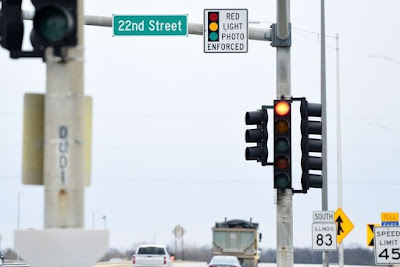
Oakbrook Terrace, Illinois intersection with red light camera sign

In a recent ruling, a judge has decided that there will no longer be red-light cameras installed along Route 83 in Oakbrook Terrace. This decision comes as a significant development for the area's residents and motorists. Here is a map of Chicago's red light camera locations

New Alexandria, Virginia Speed Cameras Will Begin Fines June 15

Alexandria, Virginia Speed Cameras Map

Warnings have been issued on Tuesday for the addition of three new speed camera locations within Alexandria school zones.

What Are the Rules on NYC School Zone Speed Cameras?

NYC Speed camera sign

As of my knowledge cutoff, the following rules generally apply to school zone speed cameras in New York City (NYC):

NYC Speed Camera Locations:

School zone speed cameras are typically installed near schools in NYC. They are placed in designated areas with reduced speed limits to enhance the safety of students and pedestrians.

What is the Best Mobile App or Website To View CDOT Cameras Map?

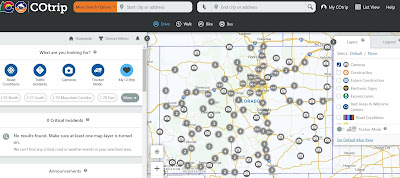
What Is the best website or mobile app to view CDOT cameras Map? 

CDOT Cameras Map - on a browser or web app

California Has a New Loud Sound Camera Ticket Program

One of the most pressing quality-of-life issues in our ward is noise pollution caused by motorcycles 

Boulder's Photo Enforced Parking Program


The city of Boulder in Colorado had a Photo Enforced Parking Program in place. However, I may not have access to the most recent updates or changes to the program. It's important to consult the official website of the City of Boulder or contact the local authorities for the most up-to-date and accurate information regarding the Photo Enforced Parking Program in Boulder.

In general, a photo enforced parking program typically involves the use of automated cameras to monitor parking violations in specific areas. Here are some key points about photo enforced parking programs:

Automated Enforcement: Photo enforced parking programs use cameras to capture images of vehicles parked in violation of parking regulations. These cameras are typically equipped with optical character recognition (OCR) technology to read license plate numbers.

Violation Detection: The cameras monitor designated parking zones and can detect violations such as parking in no-parking zones, exceeding time limits, or parking in restricted areas. When a violation is detected, the camera captures images or videos as evidence.

Ticketing and Enforcement: Once a violation is recorded, the vehicle owner is typically issued a parking ticket or a citation. The ticket may be sent through the mail, or in some cases, it may be placed on the vehicle's windshield. The ticket usually includes information on how to pay the fine or contest the violation.

Accuracy and Review Process: Photo enforced parking systems strive for accuracy in identifying violations, but errors can occur. Therefore, there is often a review process in place where vehicle owners can contest the ticket if they believe it was issued incorrectly. This may involve submitting evidence or appearing in court to dispute the violation.

Benefits and Challenges: Photo enforced parking programs are often implemented to improve parking compliance, increase revenue, and free up parking spaces. They can help enforce parking regulations consistently and efficiently. However, such programs may face criticism or legal challenges related to privacy concerns, accuracy of the technology, or the potential for overzealous enforcement.

To obtain accurate and up-to-date information about Boulder's Photo Enforced Parking Program, I recommend visiting the official website of the City of Boulder or contacting the local authorities responsible for parking enforcement in Boulder. They will provide the most relevant details, including any changes or updates to the program since my knowledge cutoff.

Previous update Nov 8, 2010:

Boulder, Colorado's new photo-enforced parking program captures images of vehicles, and notes the exact time and place each image was recorded.  The city is using a technology called AutoVu made by a company Genetec based in Montreal, Canada.  The device is a vehicle-mounted camera that can recognize license plates as a parking officer is driving by without stopping. An integrated computer system compares the plates to a database of parking violations and can pick out vehicles that have been parked too long in pay-to-park or neighborhood parking zones. Boulder City officials plan to use the cameras to for criminal investigations as well. Boulder purchased the camera for $46,000.


Map of Rochester, New York Red Light Cameras Removed

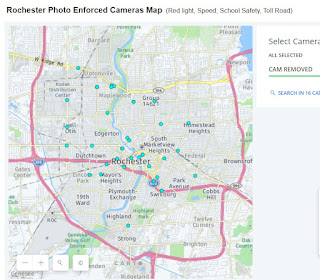
map of red light cameras removed
Map of red light cameras removed in Rochester, NY

Rochester, New York, has removed a red-light camera program. The program aims to improve traffic safety by deterring red-light violations and reducing the number of accidents at intersections. Up to 50 intersections in Rochester, New York have been turned off.

Under the program, cameras were installed at selected intersections throughout the city. These cameras were capable of capturing images and videos of vehicles that run red lights. When a violation occurs, the recorded evidence is reviewed by law enforcement officials to determine if a citation should be issued.
 

Where Are The School Zone Speed Cameras in Chesapeake, Virginia?

School Zone Speed Cameras in Chesapeake, Virginia

In a two-week period, speed cameras in Chesapeake school zones caught over 1,400 cars speeding.

During the last two weeks of May, more than 1,400 cars were caught speeding in Chesapeake school zones, and the police department's new speed cameras have the footage to prove it.

Between May 18 and May 31, the Chesapeake Police Department issued over $140,000 in fines after two of the department's ten school zone speed cameras went live. Speeding motorists were caught on camera at Greenbrier Christian Academy and Chittum Elementary School in school zones.

The Speed Camera Program began in April with the installation of two cameras. Speed cameras, like red light cameras, photograph vehicles moving faster than the posted 25 mph through a school zone.

"No one wants to get cited." "Getting the mail and realizing that you have a citation in that mail is not a good experience," Officer Marc Lawrence said, adding that he hopes the fines will dissuade drivers from speeding.

The $140,000 will be used to cover the $370,000 cost of the cameras and installation.

Drivers who have been issued a citation can evaluate the evidence on the internet.

“We know that this is new technology that we are utilizing. We know that there will be questions and frustration. We know that there may be issues. We will work with citizens to resolve any issues they may have,” Lawrence said.

Lawrence said the police department is using the cameras to protect the safety of students, teachers and crossing guards.

“In this day and age, we have so many things that could distract us from safely driving. This is a stark reminder that we need to focus on driving safely through school zones,” Lawrence said.

All 10 cameras have been installed, but the other eight are still inactive as the department tests them.

The cameras have been placed near Great Bridge Middle School; Southeastern Elementary; Rena B. Wright Primary; Sparrow Intermediate; Deep Creek Elementary, Middle and High schools; Hugo Owens Middle and Deep Creek Central schools; the 3000 block of Tyre Neck at Western Branch Intermediate, Primary, Middle and High schools; Southwestern Elementary; Greenbrier Middle School; and Greenbrier Christian Academy.

Lawrence defined “success” for the Speed Camera Program as all motorists staying within the 25 mph speed limit through school zones.

“But we can only achieve this goal with the assistance of the citizens and drivers,” Lawrence said.

Popular Articles (All Time)