Search For Maps & Articles

Showing posts with label Tickets. Show all posts

When AI Starts Writing Traffic Tickets: Cities Using AI Cameras

ai tickets

When AI Starts Writing Tickets: How Cities Are Using Artificial Intelligence to Enforce Traffic Laws

Traffic cameras have been watching drivers for decades, but historically they’ve been little more than automated tripwires. Traditional red-light or speed cameras captured a photo when a car crossed a sensor or radar threshold. Human review and manual processing still played a large role.

Today, that system is evolving rapidly. Cities around the world are deploying AI-powered traffic enforcement systems that do much more than capture a photo. These systems use machine learning and computer vision to analyze traffic behavior in real time—detecting multiple violations simultaneously and automatically generating citations.

From Los Angeles to Singapore, and from Philadelphia to Athens, artificial intelligence is becoming the newest traffic cop on the street.

This shift raises important questions:

  • Which cities are deploying AI traffic enforcement?

  • What violations can AI detect?

  • Does it actually improve safety?

  • And what are the privacy concerns?

Below is a deep dive into how AI is transforming traffic enforcement.

The Evolution of Traffic Cameras

The first automated traffic enforcement systems appeared in the 1990s and early 2000s. Early systems were limited to detecting one type of violation—usually speeding or red-light running.

They worked with simple triggers:

  • Induction loops in the pavement

  • Radar sensors

  • Motion detectors

If a car crossed the sensor while speeding or after the light turned red, a photo was taken.

AI cameras are fundamentally different.

Instead of relying solely on sensors, they use computer vision models trained to interpret video footage, allowing them to detect patterns and behaviors in traffic.

Modern AI systems can detect:

  • Speeding

  • Red-light violations

  • Illegal turns

  • Drivers using phones

  • Seatbelt violations

  • Bus lane violations

  • Illegal parking

  • Vehicles driving the wrong direction

Some systems even predict potential crashes by analyzing traffic patterns.

According to industry research, AI traffic enforcement is becoming central to smart city transportation systems built around real-time data and predictive analytics.

Cities Already Using AI Traffic Enforcement

AI traffic enforcement is not a theoretical future technology—it is already being deployed in cities across the United States and globally.

Below are some of the most notable examples.

Los Angeles, California

Los Angeles is one of the largest U.S. cities experimenting with AI-assisted enforcement.

In 2025, the Los Angeles Department of Transportation began using AI cameras mounted on Metro buses to detect vehicles illegally parked in bus lanes.

The system scans video footage as buses drive through the city and automatically flags violations.

In just one month of operation:

  • Nearly 10,000 parking citations were issued automatically.

The city is also preparing to expand automated enforcement under California’s AB 645 law, which allows AI-based speed camera programs in selected cities such as Los Angeles, San Francisco, and San Jose.

San Francisco, California

San Francisco already operates a large network of red-light enforcement cameras and is gradually integrating AI capabilities.

The San Francisco Municipal Transportation Agency uses automated camera systems to detect illegal turns and red-light violations and has begun expanding these systems citywide.

The next generation of these systems will incorporate machine learning algorithms capable of identifying additional behaviors like:

  • Blocking intersections

  • Bus lane violations

  • Illegal right turns

Philadelphia, Pennsylvania

Philadelphia is experimenting with AI enforcement in school safety programs.

AI cameras have been installed on school buses and public transit vehicles to detect drivers who fail to stop when a school bus extends its stop arm.

These systems automatically record violations and issue fines to offending drivers.

The program aims to improve safety around schools where traditional enforcement is difficult due to staffing limitations.

Prince George’s County, Maryland

After two children were killed in a traffic incident near a school, Prince George’s County deployed AI-powered stop-sign enforcement cameras.

These systems detect drivers who roll through stop signs near school zones and automatically record the violation.

The initiative became the first automated stop-sign enforcement system of its kind in the state.

Santee, California

The small city of Santee near San Diego is testing a system called NoTraffic, an AI platform that monitors intersections.

The system uses cameras and radar to detect:

  • Vehicles

  • Pedestrians

  • Cyclists

It can adjust traffic signals in real time and identify dangerous behaviors like red-light running.

AI Traffic Enforcement Around the World

AI enforcement technology is spreading globally, often more quickly outside the United States.

Singapore

Singapore is one of the world leaders in smart traffic systems.

AI traffic cameras are integrated into the country’s Smart Nation initiative, combining predictive analytics, high-resolution cameras, and connected traffic signals.

The system can identify violations while also adjusting traffic signals dynamically to reduce congestion and prevent crashes.

Greece

A pilot program in Athens demonstrated just how powerful AI enforcement can be.

During testing:

  • One AI camera issued over 1,000 traffic fines in just four days.

The system detected multiple violations including:

  • Phone use while driving

  • Seatbelt violations

  • Speeding

Across eight cameras in the pilot program, more than 2,500 violations were detected in the same period.

Vietnam

Vietnamese cities are also deploying AI traffic surveillance systems.

For example, Ho Chi Minh City installed a network of AI cameras capable of detecting:

  • Red-light violations

  • Wrong-way driving

  • Lane encroachment

  • Vehicles driving on sidewalks

The system can monitor multiple violations simultaneously across the city.

What Makes AI Traffic Cameras Different?

AI traffic enforcement systems rely on deep learning computer vision models.

These systems process video frames and identify objects such as:

  • Vehicles

  • Pedestrians

  • Traffic lights

  • License plates

  • Road markings

Once the system identifies objects, it tracks them across frames to analyze behavior.

For example, an AI camera can determine:

  • Whether a vehicle stopped at a stop sign

  • If a driver crossed a lane marking illegally

  • Whether a driver is holding a phone

These systems often combine several technologies:

  • Automatic License Plate Recognition (ALPR)

  • Radar or LiDAR sensors

  • Computer vision algorithms

  • Cloud processing

Together, these tools create a powerful automated enforcement platform.

Why Cities Are Turning to AI

There are several reasons cities are rapidly adopting AI enforcement.

1. Enforcement Scale

Police departments simply cannot monitor every intersection or traffic violation.

AI cameras operate 24 hours a day and can monitor multiple lanes simultaneously.

One AI camera may observe thousands of vehicles per hour.

2. Cost Savings

Hiring police officers for traffic enforcement is expensive.

AI systems can monitor roads with far fewer personnel.

Cities often justify the investment by citing:

  • reduced staffing costs

  • increased ticket revenue

  • improved traffic safety

3. Improved Safety

Research shows automated speed cameras can significantly reduce accidents.

A study of New York City speed cameras found:

  • 14% reduction in crashes after deployment.

By increasing the perceived risk of being caught, automated enforcement can change driver behavior.

The Privacy Debate

Despite the safety benefits, AI traffic enforcement is controversial.

Critics raise concerns about:

Mass Surveillance

AI cameras can record large amounts of data about drivers and vehicles.

Some systems capture:

  • license plates

  • vehicle color

  • vehicle model

  • travel patterns

Algorithmic Bias

If AI systems are trained on biased datasets, enforcement could disproportionately affect certain communities.

Lack of Oversight

Automated systems may issue tickets incorrectly, and appealing them can be difficult.

These concerns have sparked lawsuits and legislative debates in several cities.

The Future of AI Traffic Enforcement

The next generation of AI enforcement may be even more powerful.

Emerging systems are capable of detecting behaviors like:

  • distracted driving

  • aggressive driving patterns

  • tailgating

  • failure to yield to pedestrians

Some cities are experimenting with predictive enforcement, where AI identifies high-risk areas before crashes occur.

As smart city infrastructure expands, traffic enforcement may become fully integrated into urban data networks.

In the future, traffic lights, cameras, and connected vehicles may all communicate with each other to enforce traffic laws automatically.

The Road Ahead

AI traffic enforcement represents one of the biggest shifts in road policing in decades.

Supporters argue that AI can dramatically improve road safety while allowing police to focus on more serious crimes.

Critics warn that automated surveillance could lead to over-policing, privacy violations, and ticketing systems that prioritize revenue over safety.

What is clear is that the technology is already spreading quickly.

Cities across the United States—and around the world—are experimenting with AI cameras capable of issuing tickets automatically, detecting complex traffic violations, and analyzing driver behavior in real time.

For drivers, that means one thing:
the next traffic ticket may not come from a police officer.

It might come from an algorithm.

How Speed and Red-Light Camera Violations Are Reviewed

red light camera and speed camera review process

Automated traffic enforcement has become increasingly common in cities across the United States. Both red-light cameras and speed cameras are deployed to improve road safety, reduce collisions, and discourage dangerous driving. These systems automatically detect potential violations, but contrary to popular belief, tickets are not issued solely by machines. Instead, every violation goes through a formal review process to ensure accuracy and fairness before a citation is mailed.

This article explains how speed and red-light camera violations are reviewed, the safeguards in place to prevent errors, and what drivers should know about contesting tickets.

Step 1: Detection by the Camera System

Red-Light Cameras

Red-light cameras use inductive loop sensors or radar embedded in the road. When a vehicle crosses the stop line after the traffic signal turns red, the system captures:

  • Photos of the vehicle and license plate

  • Video clips showing the car’s movement through the intersection

  • A timestamp and signal status for context

Speed Cameras

Speed cameras use radar, lidar, or automatic number plate recognition (ANPR) to detect vehicles exceeding the posted speed limit. These devices measure speed with high accuracy, and when a violation is detected, they capture:

  • A photo of the vehicle and license plate

  • The recorded speed compared to the speed limit

  • Time, date, and location of the violation

Step 2: Initial Processing and Data Storage

After detection, the system automatically processes the incident. Information typically includes:

  • Location and intersection or roadway ID

  • Vehicle speed (for speed cameras) or signal status (for red-light cameras)

  • Duration the light was red or the margin above the speed limit

  • Digital images and video

This evidence is then encrypted and stored securely to prevent tampering.

Step 3: Human Review by Trained Law Enforcement Staff

Both red-light and speed camera violations must be confirmed by humans. This step is crucial to prevent errors and unfair penalties.

Reviewers check for:

  1. Signal status or speed accuracy – Was the light actually red, or was the driver only slightly over the limit due to calibration error?

  2. Context – Was the car already in the intersection before the light changed? Was the driver slowing down but caught in a technical violation?

  3. Exemptions – Emergency vehicles, funeral processions, or maneuvers to avoid accidents may be exempt from tickets.

  4. License plate clarity – Plates must be readable to ensure the correct driver is cited.

Only after reviewers confirm these factors does the violation proceed to a citation.

Step 4: Issuing the Citation

If the violation is valid:

  • A citation is generated and mailed to the registered vehicle owner.

  • The ticket includes photographs, speed or signal evidence, the time and location of the violation, and instructions on payment or contesting.

  • Some states also impose driver’s license points, while others treat these violations as civil fines.

For example, in New York City, speed camera fines are typically $50 with no license points, while in California, red-light camera fines can exceed $500.

Step 5: Safeguards and Quality Control

To maintain fairness, programs include multiple safeguards:

  • Dual reviews: In many jurisdictions, at least two reviewers must confirm a violation.

  • Calibration: Cameras undergo routine accuracy testing.

  • Dismissals: Up to 20% of potential violations are thrown out after review due to unclear evidence.

The Insurance Institute for Highway Safety (IIHS) reports that such safeguards are essential in maintaining public trust and reducing wrongful citations.

Why Review Matters for Both Systems

The review process balances safety and fairness:

  • Accuracy – Ensures tickets are only issued for clear violations.

  • Fairness – Accounts for emergency situations and dismisses questionable cases.

  • Accountability – Keeps humans involved, preventing a fully automated ticketing system.

Without this oversight, drivers would have little trust in automated enforcement programs.

Misconceptions About Camera Violations

“Cameras automatically issue tickets.”

False. All potential violations are reviewed by trained staff before a citation is issued.

“Speed and red-light cameras never make mistakes.”

False. Errors can occur, which is why human review and calibration are vital.

“You can’t fight a camera ticket.”

False. Every jurisdiction offers an appeals process, and many drivers successfully contest unclear or invalid tickets.

Legal Oversight and Variations by State

Each state determines how speed and red-light camera programs operate. Some states, such as Texas, have banned red-light cameras altogether. Others, like Maryland and New York, have large speed camera programs near schools and high-risk zones.

Key variations include:

  • Whether violations are civil infractions (fine only) or moving violations (fine plus points)

  • How much fines cost

  • Whether insurance rates are affected

For instance, in Maryland, speed camera tickets do not add points, while in Arizona, photo radar tickets can carry driver’s license penalties.

Contesting a Speed or Red-Light Camera Ticket

Drivers who receive a citation generally have three options:

  1. Pay the fine – Accepting responsibility and closing the case.

  2. Request a hearing – Contest the ticket before a judge or administrative officer.

  3. Submit documentation – Prove that someone else was driving or that special circumstances applied.

Evidence reviewed may include dashcam footage, witness statements, or proof of emergency situations.

The Bigger Picture: Safety Benefits

According to the Federal Highway Administration (FHWA), cities with red-light cameras report fewer T-bone crashes, and speed cameras have reduced school zone speeding violations by more than 50% in some areas.

National statistics show that:

  • Speeding contributes to nearly one-third of all traffic fatalities in the U.S.

  • Red-light running causes hundreds of deaths and thousands of injuries annually.

  • Automated enforcement can reduce violations significantly when combined with signage and public awareness.

Conclusion

Speed and red-light cameras are tools designed to improve road safety, but they are not infallible. The review process — involving careful human oversight — ensures that only valid, fair, and properly documented violations result in tickets.

By blending technology with accountability, cities can enforce traffic laws more effectively while protecting drivers from false citations. Whether it’s a red-light violation or a speeding offense, the system is built to balance safety, fairness, and public trust.

Process Servers for Tickets: What You Need to Know

Most drivers know the sinking feeling of seeing flashing lights in the rearview mirror or receiving a ticket in the mail. But what happens when a process server delivers a ticket directly to your door? While most traffic tickets are mailed or handed out roadside, in certain cases—especially when escalated into court proceedings—process servers for tickets become involved.

This article explains who process servers are, why they may deliver a ticket or summons, and what steps you should take if you are served.

What Is a Process Server?

If You Enter on Green and Light Turns Red: Will You Get Ticketed?

NO TICKET HERE
car running red light
This is NOT A Red Light Violation Since The Cars Front Tires Are Past The White Line

white line intersection
If The Front Tires Of Your Car Pass This White Line Before The Light Turns Red You Are Ok

Every driver has faced this scenario: you approach an intersection, the traffic light is green, and you proceed forward. But as you pass the stop line, the signal changes to yellow and quickly turns red. Your heart sinks as you wonder—can a red-light camera issue a ticket if the light turned red while you were already in the intersection? This question is one of the most common concerns among drivers in cities that use automated enforcement systems. The answer depends on timing, traffic laws, and how photo enforcement cameras are programmed.

How Red-Light Cameras Work

Red-light camera systems are installed at intersections to monitor vehicles that run through a red signal. The typical setup includes high-resolution cameras positioned at strategic angles, inductive loops or sensors embedded in the pavement just past the stop line, and computer software linked to the traffic light controller to determine violations. The system is triggered when a vehicle crosses the stop line after the light has already turned red. At that point, the camera captures multiple photos or short video clips showing the vehicle, its license plate, and the illuminated red light. This technical detail is key: entering the intersection on green—or even on yellow—is not a violation. The violation only occurs if your car is still behind the stop line when the light turns red and you proceed forward.

The Legal Rule: The Stop Line Is the Divider

Traffic laws across the U.S. are generally consistent. The violation is determined by the vehicle’s position relative to the stop line or crosswalk at the moment the signal turns red.If your front tires have already crossed the stop line before the light turns red, you are legally in the intersection. Even if the light changes while you are moving through, it is not a violation. If your vehicle is still behind the stop line when the signal turns red and you continue forward, that counts as running the red light. This distinction protects drivers who make safe, lawful entries into the intersection but cannot stop mid-way simply because the signal changes.

Example Scenarios

✅ Scenario 1: Legal Entry on Green – You enter the intersection while the light is green. It turns red after you cross the line. No violation is recorded. ✅ Scenario 2: Legal Entry on Yellow – You enter the intersection during the yellow phase. The light turns red as you drive through. This is also legal and not ticketable. ❌ Scenario 3: Illegal Entry on Red – You approach the stop line, the light turns red before you cross, but you continue forward. This triggers the red-light camera and results in a ticket.

Will You Get Ticketed If You Enter on Green?

The short answer is no. If you enter while the light is green—even if it turns red while you are still inside the intersection—you will not receive a ticket. Why? Because the system is designed to capture only vehicles that cross the stop line after the red phase begins. Cameras use precise synchronization between the light controller and pavement sensors, ensuring that drivers entering legally are not unfairly penalized.

The Gray Zone: Entering on Late Yellow

While entering on green is safe, the real gray area is yellow lights. Different states set different yellow durations—typically 3 to 6 seconds. Some intersections have very short yellows, which can make drivers feel trapped between slamming on the brakes or risking entry just as the signal changes. Courts often side with drivers who can demonstrate that they entered during yellow and that stopping abruptly might have created a safety hazard. However, if the light has already turned red before your vehicle crosses the line, a camera ticket is almost guaranteed.

What About Right Turns on Red?

Right-on-red turns are another source of confusion. Many red-light cameras are configured to issue tickets if a vehicle makes a rolling right turn without a full stop at the red light. So, even if you entered the intersection legally on green in a previous instance, you could still get cited on another occasion for not stopping before turning right on red. Always check signage, since some intersections prohibit right turns on red altogether.

Defenses Against Wrongly Issued Tickets

Sometimes drivers receive tickets even when they believe they entered legally. Here are potential defenses: Video Evidence Review – Most cities provide a website link where you can view the video clip. If it shows you crossing before red, you can contest the ticket. Incorrect Calibration – Faulty sensors or camera miscalibration can cause errors. Emergency Maneuvers – If you crossed during red to avoid a collision or to allow emergency vehicles through, some courts allow this as a valid defense. Unclear Signage – Lack of required “Photo Enforced” warning signs can sometimes invalidate a ticket.

Why Cities Enforce Strictly

Municipalities argue that red-light enforcement improves safety. Studies have shown reductions in angle collisions (T-bone crashes) at intersections with cameras. However, they have also sparked criticism because they often increase rear-end collisions from sudden stops. From the city’s perspective, issuing tickets only when vehicles enter on red ensures fairness and reduces challenges in court. That is why the “enter on green” situation is never intended to be penalized.

Tips to Avoid Confusion and Tickets

Know your state’s traffic laws. Most define the violation as crossing the stop line after the signal turns red. Watch the yellow timing. Short yellow intervals can catch drivers off guard. If possible, research intersections in your city with notoriously quick yellows. Stop fully at right-on-red intersections. Even a rolling stop can trigger a ticket. Review your ticket online. If you receive one, always examine the footage carefully before paying. Be cautious near camera intersections. Anticipate yellow lights and avoid speeding through them.

Frequently Asked Questions (FAQ)

Q: Can I get a ticket if the light turns red while I’m in the middle of the intersection?A: No. Once you cross the stop line during green or yellow, you are legally in the intersection. Q: What if my back tires are still behind the stop line when the light turns red?A: Only your front tires matter. If they crossed before red, you are safe. Q: Can red-light cameras malfunction and ticket me unfairly?A: Rare, but possible. Always check the video evidence. Calibration issues or sensor errors have been documented. Q: What about left turns at intersections with cameras?A: The same rule applies. If you enter before red, you are legal. If you start your turn after the light is already red, it’s a violation. Q: Do all intersections with cameras follow this rule?A: Yes. While local policies vary, the definition of a red-light violation is consistent nationwide: crossing the line after the light is red.

Conclusion

If you enter an intersection while the light is green—or even yellow—you will not be ticketed by red-light cameras when the signal changes. Automated systems are programmed to target only those drivers who cross the stop line after red. That means the next time you worry about being caught halfway through when the light turns, you can drive with confidence knowing you won’t be unfairly penalized. The real risk comes from late yellow decisions or rolling right turns, not from entering legally on green. By understanding how these systems work and knowing your rights, you can reduce anxiety and avoid unnecessary fines.

Updated Red Light and Speed Camera Fine Information by State

state map

As a driver, knowing the laws, fines, and potential license points tied to red light cameras and speed cameras is essential for avoiding costly mistakes. While these automated enforcement systems are designed to improve road safety, they also create unexpected expenses for drivers who are caught off guard.

This updated guide provides a state-by-state breakdown of fines and points for red light and speed camera violations across the U.S. Remember: penalties can vary by city or county, so always verify with local traffic laws for the most accurate details.

Red Light Camera Fines and Points

Red light camera tickets are among the most common automated traffic violations. Depending on where you live, these citations may carry hefty fines and even license points.

Table: Red Light Camera Penalties by State

State Red Light Camera Fine ($) Points
Alabama $100 No Points
Arizona $165–$250 2 Points
Arkansas No Programs –
California $490 1 Point
Colorado $40–$80 4 Points
Delaware $75–$230 –
District of Columbia $150 0 to 2 Points
Florida $200 –
Georgia $70 No Points
Hawaii $77 –
Illinois $100–$500 20 Points
Indiana No Programs –
Iowa $45–$150 –
Kansas No Programs –
Louisiana $100–$140 No Points
Maryland $100 No Points
Michigan No Programs –
Minnesota No Programs –
Mississippi No Programs –
Missouri $100 –
Nevada No Programs –
New Jersey $85 No Points
New Mexico $75 –
New York $50–$100 No Points
North Carolina $50–$100 3 Points
Ohio $100–$200 –
Oklahoma No Programs –
Oregon $260–$1,000 –
Pennsylvania $100 No Points
Rhode Island $75 –
South Dakota No Programs –
Tennessee $50 No Points
Texas State Ban –
Virginia $100–$200 0 to 4 Points
Washington $124–$250 No Points
West Virginia No Programs –
Wisconsin No Programs –

Speed Camera Fines and Points

Speed cameras are often placed near schools, work zones, and high-risk corridors. Violations can carry steep fines and, in some states, license points.

Table: Speed Camera Penalties by State

State Speed Camera Fine ($) Points
Alabama – –
Arizona $165–$250 2 Points
Arkansas – –
California – –
Colorado $40–$80 4 Points
Delaware – –
District of Columbia $50–$300 0, 3, 4, or 5 Points
Florida – –
Georgia – –
Hawaii – –
Illinois $250–$500 20 Points
Indiana No Programs –
Iowa $45–$150 –
Kansas No Programs –
Louisiana – –
Maryland $40–$1,000 No Points
Michigan No Programs –
Minnesota No Programs –
Mississippi No Programs –
Missouri – –
Nevada No Programs –
New Jersey – –
New Mexico $75 –
New York $90–$1,200 No Points (Possible Jail Time)
North Carolina – –
Ohio $100–$200 –
Oklahoma No Programs –
Oregon $110–$2,000 –
Pennsylvania – –
Rhode Island – –
South Dakota No Programs –
Tennessee $50 No Points
Texas – –
Virginia – –
Washington $124–$250 No Points
West Virginia No Programs –
Wisconsin No Programs –

Strictest vs. Most Lenient States

Some states hit drivers with extremely high fines and points, while others either ban camera enforcement or assign minimal penalties. Here’s how the states compare:

Top 10 Strictest States for Camera Enforcement

Rank State Fine Range Points
1 Oregon $260–$2,000 Up to 4
2 New York $90–$1,200 No Points (Possible Jail Time)
3 Illinois $100–$500 (Red Light), $250–$500 (Speed) 20 Points
4 California $490 (Red Light) 1 Point
5 Maryland $40–$1,000 (Speed) No Points
6 Washington, D.C. $50–$300 Up to 5 Points
7 Washington State $124–$250 No Points
8 Arizona $165–$250 2 Points
9 Virginia $100–$200 Up to 4 Points
10 Colorado $40–$80 4 Points

Top 10 Most Lenient States

Rank State Enforcement Notes
1 Texas State Ban Red light cameras prohibited statewide
2 Michigan No Programs No red light or speed cameras
3 Minnesota No Programs No red light or speed cameras
4 Wisconsin No Programs No red light or speed cameras
5 West Virginia No Programs No red light or speed cameras
6 South Dakota No Programs No red light or speed cameras
7 Oklahoma No Programs No red light or speed cameras
8 Kansas No Programs No red light or speed cameras
9 Indiana No Programs No red light or speed cameras
10 Nevada No Programs No red light or speed cameras

Key Takeaways for Drivers

  • Local Differences Matter: Even within the same state, municipalities may set their own fine schedules and enforcement policies.

  • Laws Change Frequently: Traffic enforcement regulations are updated often. Stay informed to avoid surprises.

  • Safe Driving Saves Money: Obeying traffic signals and speed limits not only prevents fines but also protects your driving record and insurance rates.

Final Word

By knowing the fines and points tied to red light and speed camera tickets, you can make smarter driving decisions and avoid costly penalties. Always double-check the latest local traffic enforcement laws before hitting the road.

Received a Ticket But Weren’t the Driver? Here’s What to Do Next

Monkey driving car

Getting a traffic ticket in the mail when you weren’t even behind the wheel can feel unfair and frustrating. With the rise of speed cameras, red-light cameras, and automated license plate readers, more people are receiving citations even if someone else was driving their car. Whether you loaned your car to a friend, family member, or coworker—or your plates were cloned—the good news is you do have options. This guide walks you through what to do if you received a ticket but weren’t the driver.

Why You Might Receive a Ticket When You Weren’t Driving

Several situations can lead to a ticket showing up in your name:

  • Automated cameras: Tickets are issued based on license plate, not who was driving.

  • Borrowed vehicle: You lent your car to someone else, and they committed the violation.

  • Rental car mix-ups: Rental companies may forward violations to the renter, even if they weren’t driving at the time.

  • Stolen plates or vehicles: Sometimes plates are duplicated or vehicles are stolen and later linked to infractions.

  • Clerical errors: Mistakes in processing may wrongly assign a violation to your car.

Understanding why you got the ticket is the first step to handling it.

Step 1: Review the Ticket Carefully

Before panicking, read the citation in full. Look for:

If it’s a camera ticket, there’s usually a photo or video link showing the driver and vehicle. Sometimes you can clearly see it’s not you driving.

Step 2: Determine Responsibility

Ask yourself:

  • Was I driving at that time? If not, who was?

  • Did I loan my car out? If yes, document who had it.

  • Could my plate be cloned? Look for differences in the vehicle shown (color, make, stickers).

If you weren’t responsible, begin gathering proof.

Step 3: Gather Evidence

The stronger your evidence, the better your chance of contesting the ticket. Helpful evidence includes:

  • Proof of not being present (work records, receipts, GPS logs, travel confirmations).

  • Statement from the actual driver (if a friend or family borrowed your car).

  • Police report (if your car or plates were stolen).

  • Visual mismatch evidence (if the ticket photo shows a car that doesn’t match yours exactly).

Step 4: Research Local Laws

Traffic enforcement laws vary by state and city. Some areas hold the registered owner liable no matter what, while others allow you to transfer responsibility to the actual driver. For example:

Step 5: Contest the Ticket

If you weren’t the driver, don’t just pay the fine. Most jurisdictions allow you to:

  1. Request a hearing (online, by mail, or in court).

  2. Submit an affidavit declaring you were not the driver.

  3. Provide supporting documentation (photos, statements, reports).

If successful, the ticket can be dismissed or reassigned.

Step 6: Protect Yourself From Future Issues

To prevent this from happening again:

  • Be cautious when loaning your car—you’re often held responsible.

  • Document usage when others borrow your vehicle.

  • Report stolen plates immediately to DMV and law enforcement.

  • Check your driving record regularly to catch errors quickly.

Common Scenarios and Solutions

Situation Recommended Action
Friend/family borrowed car Submit affidavit naming driver; provide their statement.
Rental car violation Contact rental company with proof you weren’t the renter at the time.
Cloned/stolen plates File police report, request dismissal with supporting evidence.
Clerical mistake Show mismatched vehicle details, request correction.

Final Thoughts

Receiving a ticket for a violation you didn’t commit can be stressful, but you aren’t powerless. The key is acting quickly, reviewing the evidence, and providing documentation to prove your case. In many jurisdictions, especially with camera enforcement, the system assumes the vehicle owner is guilty until proven otherwise. By taking the right steps, you can protect your driving record, finances, and peace of mind.

What Does Red Time Mean on Ticket?

red light and yellow light

When you receive a red-light camera ticket in the mail, you might notice a detail labeled “Red Time.” Many drivers are confused by this term, wondering if it refers to how long the light was red, how long they were in the intersection, or something else entirely. Understanding what “Red Time” means is critical because it determines whether the ticket issued against you is valid, how serious the violation is, and whether you have grounds to contest it in court.

This article explains what “Red Time” is, how law enforcement uses it, and what drivers need to know if they see it printed on a citation.

Defining “Red Time” on a Ticket

Red Time (sometimes called late time) refers to the amount of time, measured in seconds, that the traffic signal had been red before your vehicle entered the intersection.

For example:

  • If your ticket shows Red Time: 0.2 seconds, you entered the intersection just 0.2 seconds after the light turned red.

  • If it shows Red Time: 3.5 seconds, you crossed into the intersection more than three seconds after the red phase began.

At any given camera-enforced intersection, enforcement is only supposed to begin after the light turns red. The system should not activate during green or yellow. Cameras are specifically designed to photograph only when the red signal is active (what is the proper length of a yellow light?).

Two Types of Red Time

Tickets often list two separate red times:

  1. Initial Red Time – how long the light was red before the vehicle crossed the stop line.

  2. Elapsed Red Time – the time between the first picture (when the vehicle entered) and the second picture (when it moved through the intersection).

This distinction matters because it provides additional proof of whether you truly ran the light. Courts often review both numbers before making a judgment.

It’s always a good idea to check these details on your ticket. In many cases, courts are more lenient with very short red times, such as 0.1 or 0.2 seconds, than with clear and prolonged violations.

Why Red Time Matters

The Red Time figure is crucial evidence in red-light enforcement.

  1. Establishes the Violation

    • Traffic laws require vehicles to stop before entering once the light is red.

    • The Red Time shows whether you crossed legally or illegally.

  2. Determines Severity

    • A short Red Time suggests a borderline case where the driver just missed the yellow.

    • A long Red Time proves a blatant violation and is harder to contest.

  3. Impacts Court Outcomes

    • Drivers with very short red times sometimes get their tickets reduced or dismissed.

    • Long red times rarely succeed in court challenges.

How Red-Light Cameras Measure Red Time

Modern camera systems use three main technologies:

  • Inductive Loop Sensors – detect when a vehicle passes the stop line.

  • Traffic Signal Controller – records the exact instant the signal changes.

  • Cameras and Flash Units – triggered only once the light turns red.

The result: two timestamped photographs (or a video clip) that show your vehicle entering and traveling through the intersection, with the Red Time documented alongside.

Common Misconceptions About Red Time

  • Myth 1: If it’s under one second, it doesn’t count.
    Even 0.1 seconds after red is still legally a violation.

  • Myth 2: There’s a built-in grace period.
    Not true in most jurisdictions. Once red, enforcement begins immediately.

  • Myth 3: A camera flash always equals a ticket.
    Sometimes cameras flash erroneously; police review evidence before mailing citations.

How Red Time Appears on Tickets

Most citations include:

  • Event time (date & time of violation)

  • Red Time (in seconds)

  • Two images (entering & passing through the intersection)

  • License plate close-up

  • Video link (in some states)

These details allow both drivers and courts to verify the accuracy of the ticket.

Can Red Time Help You Beat a Ticket?

Yes, in some cases. Attorneys often scrutinize the Red Time to build a defense.

Common Defenses:

  • Improper Yellow Timing – If the yellow was shorter than legally required, entering slightly after red may not be your fault (learn more here).

  • Close-to-Zero Red Time – Judges sometimes dismiss or reduce penalties if you crossed less than a second after red.

  • Out of Necessity – Weather, sudden braking, or avoiding a crash may justify entering.

  • Technical Error – Faulty sensors or miscalibration could produce inaccurate red time readings.

Safety Implications of Red Time

  • Short Red Time (<1 second): Often linked to rear-end crashes due to sudden braking.

  • Long Red Time (>2 seconds): More likely to cause serious T-bone collisions.

This is why municipalities strictly enforce even small violations. Each fraction of a second can affect crash outcomes.

State & Local Variations

  • California: Courts allow challenges if yellow intervals are too short, making Red Time a central piece of evidence.

  • New York: Tickets upheld even at 0.1 seconds of Red Time.

  • Texas (before bans): Red Time used to justify safety benefits of cameras before statewide removal.

Frequently Asked Questions (FAQ)

Q: Does a Red Time of 0.1 seconds count as a violation?
Yes. Any entry after the light turns red is technically illegal.

Q: Can I fight a ticket if my Red Time is very short?
Yes. Courts sometimes reduce penalties when violations are within tenths of a second.

Q: Why are there two Red Times on my ticket?
One measures when you entered; the other measures how long it took to pass fully through the intersection.

Q: Does the system ever activate during yellow?
No. Cameras are only supposed to activate once the light is red (read more here).

Conclusion

“Red Time” isn’t just a technicality—it’s the foundation of a red-light camera ticket. It represents the length of time the light had been red before you entered the intersection, and in many cases, also tracks how long it took you to clear it. Courts treat these numbers seriously, but drivers with very short red times sometimes succeed in contesting their tickets.

By checking the Red Time on your citation, you’ll know whether you may have a strong case in court or whether it’s best to pay the fine. Remember, even a tenth of a second matters when it comes to intersection safety.

Which U.S. Cities Reduce Fines for Low-Income Drivers?

Traffic tickets can impose significant financial burdens on low-income individuals, potentially leading to escalating fines, license suspensions, and other legal challenges. Recognizing this, several U.S. cities have implemented programs to reduce or waive traffic ticket costs for low-income drivers, promoting fairness and equity in the justice system.

Why Cities Are Reducing Fines for Low-Income Drivers

Flat-rate fines disproportionately impact those with limited incomes. A $200 ticket may be manageable for some but can be devastating for others living paycheck to paycheck. To address this disparity, cities are adopting income-based payment models, amnesty programs, and alternative sentencing options to make traffic enforcement more equitable.

Cities Offering Reduced Traffic Ticket Fines Based on Income

1. San Francisco, California

San Francisco has been a pioneer in reforming fines and fees. The city implemented recommendations from its Fines and Fees Task Force to reduce financial penalties for low-income residents. Programs include income-based payment plans and the ability to perform community service in lieu of payment.

2. Washington, D.C.

Washington, D.C., has introduced several initiatives to alleviate the burden of traffic fines on low-income residents:

  • Community Service Debt Repayment Program: Under the Traffic and Parking Ticket Penalty Amendment Act of 2018, low-income residents (those earning at or below 250% of the federal poverty level) can reduce their civil fines by performing community service. Each hour of service performed reduces the amount owed by an amount equivalent to the District's minimum hourly wage.

  • Automated Traffic Enforcement Equity (ATEquity) Pilot: Launched in 2023, this pilot program allows SNAP (food stamps) recipients to apply for a 50% reduction on one eligible camera ticket (valued at $100 or less) issued within the past 30 days. The program aims to assess the impact of income-based fine reductions on payment rates and future violations.

  • Ticket Amnesty Programs: D.C. has periodically offered amnesty programs, allowing drivers to pay outstanding tickets without additional penalties. For instance, a program running from June to September 2021 enabled drivers to pay the original ticket amounts without late fees, resulting in over 25,500 people settling their debts and approximately $36.2 million in paid fines.

3. Seattle, Washington

Seattle offers Debt Reduction Hearings for low-income individuals unable to pay overdue parking and traffic ticket fines. Eligible participants can request reductions or waivers based on financial hardship.

4. Los Angeles, California

Set to launch in 2026, Los Angeles plans to implement an income-based traffic fine system similar to San Francisco's, offering community service as an alternative for low-income offenders.

5. Chicago, Illinois

Chicago has introduced the Clear Path Relief Pilot Program, allowing residents earning less than 300% of the federal poverty level to pay half the rate for city-issued traffic fines on non-parking meter tickets. The program also offers debt relief options for eligible participants.

6. Minnesota

Minnesota has enacted the Lights On program, replacing traffic tickets for broken headlights and tail lights with vouchers for low-income drivers. These vouchers, worth up to $250, can be redeemed at participating repair shops to cover the costs of repairs.

7. Kansas

Kansas has passed a new law aimed at addressing the financial burden of drivers facing multiple fines and fees. Effective January 2025, the law reduces license reinstatement fees to a single $100 charge, regardless of the number of tickets. It also allows judges to determine when to reinstate a license and reduce fines and fees.

8. El Paso, Texas

El Paso's Municipal Court offers periodic amnesty programs, waiving warrant and collection fees for delinquent tickets. For example, the 2025 program ran from February 17 to March 8, allowing residents to settle outstanding citations without additional penalties .El Paso Texas

9. Highland Park, Michigan

In Highland Park, a traffic amnesty program waives fees on outstanding tickets, enabling residents to pay reduced amounts and clear their driving records. The initiative aims to assist individuals in resolving long-standing fines and restoring their driving privileges. FOX 2 Detroit+1FOX 5 Atlanta+1

10. Fulton County, Georgia

Fulton County has launched a traffic ticket amnesty program offering up to 80% reductions on fines for eligible offenses. The program focuses on non-violent infractions and aims to help residents restore their driving records and avoid further legal complications.FOX 5 Atlanta

Conclusion

Cities across the United States are recognizing the disproportionate impact of traffic fines on low-income individuals and are implementing programs to address this issue. By offering income-based reductions, community service alternatives, and amnesty initiatives, these cities aim to create a more equitable system that acknowledges the financial disparities among residents.

Brevard County Drivers Ticketed in Miami School Zones by Mistake

In a troubling case of mistaken identity, 215 drivers in Brevard County, Florida, were issued speeding tickets for alleged violations in Miami-Dade County school zones—even though many had never driven in Miami. The mistake has sparked community outrage, legal challenges, and a formal response from RedSpeed, the company responsible for the traffic enforcement technology behind the citations.

Drivers Shocked by Out-of-County Tickets

New York Speed Cameras: Expansion, Laws & Fines (2014–2030)

speed camera yellow
speed camera grey

More Than 2,000 Speed Cameras Are Now a Reality: What You Need to Know in 2025

Over a decade ago, the idea of deploying some 2,000 speed cameras in and around New York seemed ambitious. Today, that plan is not only realized — it has expanded and become central to New York City’s traffic safety strategy. What began as a 2014 proposal to deploy hundreds of new cameras across Long Island and the city now forms the backbone of Vision Zero and school zone enforcement efforts.

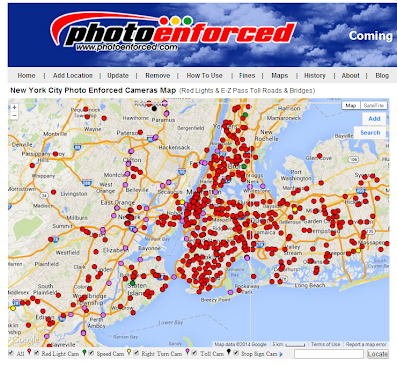
If you drive in New York today, here’s a clear, up-to-date guide to how these systems work, where they operate, and what’s new as of 2025.  NY Speed Cameras map.

A Decade-Long Journey: From Proposal to City-Wide Enforcement

The 2014 Proposal

In 2014, the New York State Senate passed a bill permitting more than 2,000 new speed cameras in New York City and surrounding counties. That bill authorized:

  • Up to 69 cameras in Suffolk County

  • 56 in Nassau County

  • An additional 120 cameras for New York City, atop the 20 already operational

These cameras were intended primarily for use before, during, and after school hours. Violators would be mailed $50 tickets for recorded speeding.

That marked the early push to expand automated speed enforcement beyond limited pilot zones into broader city and suburban coverage.

The Transition to 24/7 and Full Deployment

Over time, the program expanded in scope and authority:

  • In 2022, New York City began issuing speed camera violations 24/7, year-round, covering 750 school speed zones across all five boroughs.

  • As of 2025, NYC maintains approximately 2,200 active speed cameras covering these zones.

  • The cameras trigger fines for vehicles exceeding the posted speed by 10 mph or more (11+ mph over the limit).

The shift to 24/7 enforcement dramatically increased detection and fines — but more importantly, it solidified the role of speed cameras as a consistent deterrent, not just a daytime tool.

What’s New in 2025: Extensions, Expansions, and Enhancements

Program Reauthorization Through 2030

One of the biggest recent developments is legislative reauthorization:

  • In June 2025, the Governor signed legislation extending New York City’s school-zone speed camera program through July 1, 2030.

  • This law also strengthens enforcement rules, repeals outdated sections, and ensures continued deployment across the city.

Without this reauthorization, the program would have expired on July 1, 2025, causing the city’s 2,200+ cameras to go dark.

Work Zone & Highway Enforcement Expansion

In addition to school zones, New York has been piloting and expanding work-zone speed camera enforcement, particularly on state highways, bridges, and tunnels.

  • Proposed legislation aims to expand enforcement in work zones on the New York State Thruway and DOT-maintained highways and make the program permanent.

  • Officials are pushing to make these systems standard in MTA bridges and tunnels as part of the upcoming state budget.

  • The current Automated Work Zone Speed Enforcement systems operate where signage is posted, and cameras are activated after daily self-checks.

These expansions are especially aimed at protecting construction workers and managing speeds in high-risk highway settings.

Speed Limiter / “Super Speeder” Legislation

To address repeat offenders, lawmakers and city officials are pushing for intelligent speed assistance devices:

  • A proposed bill would require vehicles to install speed limiters if drivers rack up multiple violations (for example, 11 or more speed or camera tickets in 24 months).

  • The campaign is supported by evidence that a small group of drivers — sometimes called “super speeders” — are disproportionately involved in serious crashes.

  • However, the bill has been softened in negotiations, and red-light violations have been removed from some proposed thresholds.

Whether this legislation becomes law will influence how aggressive enforcement becomes in the coming years.

How the Cameras Work & What Happens if You’re Caught

Detection & Violation Process

  • Cameras operate 24/7, 365 days a year in school zones.

  • They photograph only vehicles going more than 10 mph above the limit (11+ mph).

  • The system filters out unclear captures, and DOT reviews to confirm that the vehicle is properly identified before issuing a Notice of Liability (NOL).

  • Once a violation is confirmed, the vehicle owner receives a Notice of Liability by mail in about 14 days.

  • The standard fine is $50 for an exceedance of 10+ mph.

If the violation is contested, you may dispute it online, by mail, or in person. Ignoring it can lead to late penalties, interest, or even vehicle booting or towing.

Results & Behavioral Change

  • Severe traffic injuries have dropped nearly 30% at locations with new cameras.

  • Some camera placements have produced dramatic changes — one Manhattan location saw a 75% reduction in speeding after installation.

  • Researchers have found that measurable behavioral shifts (reduced speeding) take about six months to fully materialize, and effects vary by neighborhood.

These patterns underline that sustained enforcement, not one-off deployments, yields long-term safety gains.

Challenges, Pushback & Loopholes

Tampering & Plate Evasion

To evade camera detection, some drivers have attempted tricks like:

  • Obscuring license plates with plastic covers, reflective spray, or bending them.

  • Covering cameras with objects such as fake flower bouquets.

  • Between 2020 and 2022, over 1.5 million tickets were never issued due to unreadable or obscured plates, representing tens of millions in lost fines.

New rules in 2025 make obscuring or altering plates illegal, with fines of $50, reinforcing that legible plates are essential for automated enforcement to work.

Political & Public Resistance

While many advocates hail the safety benefits, critics argue:

  • Speed cameras are a revenue trap rather than purely safety measures.

  • Some complain that frequent violations in residential areas amount to over-policing of driving behavior.

  • Legislative negotiations have diluted possible penalties, with some proposed “super speeder” thresholds scaled back.

Still, the fact that Albany renewed the program through 2030 suggests broad legislative support for continued automated enforcement.

Your Rights & Best Practices as a Motorist

If you drive in New York, here’s what you should keep in mind:

  1. Know the Speed Zones
    Cameras are limited to school speed zones, roughly within a ¼ mile of schools in each direction.

  2. Mind the “+10 Rule”
    Cameras issue citations for 11 mph or more above the limit. Driving 10 mph over is below the threshold.

  3. Dispute If Incorrect
    If you believe your Notice of Liability was in error, you have 30 days to respond, pay, or contest.

  4. Avoid Plate Tampering
    Don’t obscure or alter your license plate. That itself may draw penalties and undermines your defense.

  5. Track Recurring Violations
    If you incur multiple violations, you may become subject to increased scrutiny or future laws requiring speed-limiting technology.

Why This Matters: Safety, Accountability & Vision Zero

Speed is a leading factor in crash severity. Automated enforcement programs like New York’s are part of the broader Vision Zero initiative — aiming to eliminate traffic deaths altogether.

Legislation and deployment adjustments reflect a belief by policymakers that speed cameras are more than revenue tools — they are critical tools to compel safer driving behavior, especially in school zones and work zones where vulnerable pedestrians and workers are present.

The reauthorization through 2030 signals that the city intends to maintain consistency in enforcement for years to come.

Final Thoughts

What was once a speculative plan in 2014 has matured into a robust, city-wide network of speed cameras, now standard equipment in New York’s traffic safety arsenal. The 2,200+ cameras operating in 750 school zones reflect the program’s growth. Legislative reauthorizations, expansion into work zones, and future speed-limiter proposals show that the system continues evolving — both in breadth and in intensity.

For motorists, the implications are clear: staying within posted limits, keeping license plates visible, and understanding your rights if you receive a Notice of Liability are essential in a city where speed enforcement is no longer novel — it’s expected.  Which states allow speed cameras?

NYC red light cameras map

Cities That Lost Money on Red Light Cameras

Red light cameras are often justified as both a safety measure and a modest source of revenue for municipalities. But in many cases, especially once costs, overhead, and enforcement complications are tallied, the balance sheet doesn’t swing in favor of the city. Several municipalities have found themselves losing money—or at least falling well short of projections—on automated enforcement programs. The 2006 blog article “City Loses Money Operating Red Light Cameras” laid out a simple but powerful caution: running cameras involves fixed costs (equipment, maintenance, legal infrastructure, staffing) and variable costs (ticket processing, adjudication, appeals). If citation rates fall, or vendor shares and legal costs eat into gross revenue, cities can end up underwater. Below are updated examples from across the United States showing how red light camera programs sometimes bleed red rather than turning red into green.

Portland, Oregon: Inconsistent Gains and Frequent Losses

Portland offers one of the most transparent public reports on red light camera financials. Under the city’s program, revenues and expenses are published, and the data reveal that the program was not reliably profitable. Over a five-year review, Portland’s red light camera program lost money in two of those years. For example, in Fiscal Year 2011–2012, revenue was $403,162 but expenses reached $500,433, meaning each citation cost the city $12.55 on net. In contrast, in FY 2012–13, revenues exceeded expenses (≈ $725,408 vs. $564,172), but even then the city’s gains were modest compared to expectations. Portland’s report even stated that “the program has not been self-supporting every year,” citing factors such as vendor costs, reduced fines, and collection lapses. Portland’s experience suggests that even in a favorable environment, red light camera systems may only break even in good years—and in some years flip into a net loss.

Dallas, Texas: Cameras Removed When They Stopped Paying Off

In some jurisdictions, red light cameras became victims of their own success: as violations dropped, revenue fell—and the city decided it could no longer justify their existence. In 2008, Dallas began disabling several of its least profitable cameras after seeing lower volumes of red-light running, estimating a $4 million revenue shortfall as a result. Other cities such as Charlotte and Fayetteville, North Carolina, reduced or eliminated red-light enforcement when state rules forced them to dedicate camera revenue to restricted purposes like education, making the program less financially sustainable. These cases highlight a perverse incentive: if cameras successfully deter violations, the revenue stream dwindles. For cities that partially depend on ticketing income, that can backfire.

Smaller Cities, Suburbs, and Unexpected Debts

While large cities attract most attention, smaller municipalities and suburban towns often suffer even more from the budgetary mismatch. In the Chicago area, suburbs such as Chicago Heights, Rolling Meadows, Evergreen Park, Burbank, and Hillside rely heavily on camera ticket revenue, but their financial stability depends on consistent citation volumes—no guarantee in a changing enforcement climate. In Suffolk County, New York, court rulings found that its $30 administrative fee added to violations was illegal. The county may have to reimburse as much as $91 million, turning what had been a source of income into a massive liability. In addition, in many jurisdictions, a significant share of issued tickets never get paid or are contested, reducing net collections. Some cities underestimate the cost of appeals, legal processing, and debt collection, which can turn a superficially profitable program into a loss leader.

Why Cities Lose Money

From these cases, certain systemic challenges emerge. Upfront and ongoing fixed costs: Cameras, data networks, legal systems, and staff impose recurring costs regardless of ticket volume. Many contracts require revenue sharing with camera vendors that erode profits. Declining citation volumes: As cameras deter red-light running, the number of violations drops. While positive for safety, this reduces income. Collection and compliance shortfalls: Not all tickets get paid; some are appealed or ignored, dragging down yield. Legal and political constraints: Some states cap fees or regulate how revenues may be used. In Suffolk County, courts ruled fees illegal, creating major liabilities. Public backlash: Opposition, court reversals, or state bans can shrink or eliminate the program, leaving cities with sunk costs. Together these factors explain why many red light camera systems become financial burdens rather than benefits.

What Research Shows About Costs and Benefits

While the financial debates are real, the safety record of red light cameras is mixed but generally positive. The Congressional Research Service notes that cameras tend to reduce right-angle crashes but can increase rear-end collisions as drivers brake abruptly. Multi-city studies suggest that camera presence is associated with lower per-capita fatal crash rates. The Insurance Institute for Highway Safety found that cities which removed cameras saw about 30 % more fatal red-light crashes per capita. That said, critics argue many programs are launched for revenue, not safety. Independent audits have shown that when properly managed, the cost of cameras can exceed the monetary value of crashes prevented unless programs are targeted at intersections with high crash severity rates. In other words, they work best as safety tools, not revenue generators.

Lessons and Recommendations

Several lessons emerge for municipalities. Set conservative revenue expectations. Don’t assume early citation volumes will continue indefinitely. Track all costs. Include legal, administrative, and maintenance overhead, not just vendor payments. Separate safety from revenue goals. Programs should be judged on crash reduction, not income. Be transparent with the public. Use funds for traffic safety, education, or infrastructure to maintain trust. Ensure legal compliance. Verify that fee structures and enforcement processes follow state law to avoid lawsuits and refunds. Adapt programs as behavior changes. If violations fall sharply, consider reducing camera numbers or shifting focus to engineering solutions such as longer yellow times or improved signal timing.

Conclusion

Red light cameras can reduce dangerous violations and crashes, but from a financial perspective, they are no guarantee of profit. Cities like Portland have reported years of net losses, while others like Dallas removed cameras when they no longer paid off. Suffolk County’s program possibly turned into a massive liability after court rulings on illegal fees. The lesson is clear: safety is a valid reason to use automated enforcement, but revenue should never be the driving force. Cities that launch camera programs expecting steady profit often find that over time, the cameras cost more than they earn. Municipalities should approach these systems as public safety investments—supported by data, accountability, and transparency—rather than as cash machines that inevitably run dry.

How to Pay or Fight a Red Light Camera Ticket

red light scamera ticket atm
 
photo notice payment
<

If you’ve received a red light camera ticket in the mail, you’re probably frustrated, confused, or even angry. The fines often range from $50 up to $500 depending on your state or city, and the notice usually comes with a photo of your vehicle and instructions to pay quickly. Unfortunately, we are not the company or city that collects this ticket revenue, nor do we operate the cameras. Many visitors mistakenly believe that Photo Enforced runs the enforcement programs, but that is not the case. What we do is provide information, maps, and resources to help you understand your options before you pay.

Do You Really Need to Pay Right Away?

Before rushing to pay, take a moment to understand your rights. Many drivers are surprised to learn that they may have valid defenses, and paying immediately is not always the best option. In some cases, the ticket may not be enforceable, or you may have grounds for dismissal. Calibration errors, missing warning signs, or unclear photos are just some of the reasons that drivers have successfully fought tickets.

Many people simply assume the only option is to pay, but contesting may be possible in your jurisdiction. If you pay right away, you essentially admit guilt and waive your chance to challenge the ticket in court.

Why Drivers Mistake Us for “Big Brother”

Because we own the domain Photo Enforced, some visitors think we are the ones issuing tickets or operating the cameras. We regularly receive emails with questions like, “Can I look up and see if I received a ticket?” or “Where do I go to pay?” The answer is always the same: you need to contact your local courthouse in the city where the violation occurred or log into the official ticket payment system used by the municipality or its contractor.

The Problem With Fragmented Customer Service

This confusion highlights a bigger issue: customer service management for red light camera programs is far from efficient. Every city, county, or private contractor seems to run its own system. Drivers are left hunting for the right website, waiting weeks for mailed notices, or dealing with tickets that go to outdated mailing addresses. This leads to unnecessary frustration, late fees, and missed deadlines.

There should be a national destination website for ticketed drivers. A centralized database would allow individuals to log in securely, see whether they received a ticket, and pay the fine online. Drivers could also update their mailing address, ensuring that notices reach the right person. Such a system would not only help drivers but also improve payment recovery rates for cities. Instead of waiting two weeks for a letter, guilty drivers could resolve their cases immediately online. Unfortunately, no such national portal exists, leaving drivers to navigate a patchwork of local systems.

Should You Pay or Fight?

Before paying your fine, consider whether you might have grounds to fight. Common defenses include missing warning signs, unclear photographs, improper camera calibration, or not being the actual driver at the time of the violation. Courts in some jurisdictions have dismissed tickets when the evidence was weak or when proper procedures were not followed. Fighting may save you hundreds of dollars and protect your driving record.

On the other hand, if the evidence is clear and the fine is relatively low, paying promptly might be the simplest solution. The decision depends on your situation, your state’s laws, and whether you’re willing to invest time in challenging the ticket.

How to Pay a Red Light Camera Ticket

If you’ve decided to pay, here’s how to do it:

  1. Check the official notice. Your mailed ticket will include instructions and a website or courthouse location.

  2. Go online to the correct portal. Many tickets are processed through contractor sites such as PhotoNotice.com. Other cities may have their own systems.

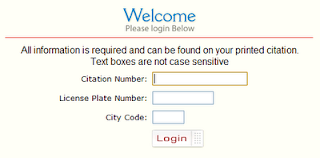
  3. Enter your details. Typically, you’ll need your citation number, license plate, and sometimes driver’s license information.

  4. Make payment. Most sites accept credit or debit cards. Some allow e-checks or mailed money orders.

  5. Save your receipt. Always keep a confirmation in case of disputes or record errors.

Paying your ticket this way ensures it is logged in the system, helping you avoid additional penalties or late fees.

Useful Payment Websites

Here are some of the most common resources drivers use to pay tickets:

  • PhotoNotice.com – a payment site used by RedFlex for many U.S. cities

  • Individual city or county court websites – often listed directly on your citation

When you visit a payment portal, you’ll usually see a welcome screen prompting you to enter your citation details. From there, you can review the photographic evidence, confirm the violation, and submit your payment securely.

The Bigger Picture

Red light camera programs have sparked debates across the country. Supporters argue that they improve safety by reducing red light running. Opponents claim they are more about revenue than safety, pointing to the millions of dollars collected each year. What is clear is that the system is not user-friendly. A more transparent, centralized solution would reduce confusion, improve fairness, and give drivers a straightforward way to resolve citations. Until then, drivers must carefully read their notices, double-check the payment portals, and decide whether to pay or fight.

Final Thoughts

Receiving a red light camera ticket is stressful, but you do have options. You can pay the fine quickly through the correct online portal, or you can explore legal defenses to contest it. The key is to act promptly, whether you are paying or fighting. Our role is not to collect fines but to provide drivers with clear information so they can make informed decisions. If you need to pay, use a trusted site such as PhotoNotice.com or your local courthouse portal. If you want to challenge the ticket, consider researching defenses like improper signage or unclear evidence. With the right knowledge, you can avoid costly mistakes and handle your ticket in the best way for your situation.

Popular Articles (All Time)