Search For Maps & Articles

Showing posts with label Safety. Show all posts

Right of Way & Photo-Enforced Intersections Explained

who has the right of way?

Understanding the Right of Way

Right of way” refers to the legal priority of movement that allows a vehicle, pedestrian, or bicyclist to proceed before others. It is the cornerstone of traffic safety and one of the most enforced rules on U.S. roads today. From four-way stops to busy roundabouts, every decision to yield or go can prevent accidents. Between October 2024 and October 2025, awareness of right-of-way rules has become even more critical as cities expand photo-enforced intersections and ALPR (Automatic License Plate Recognition) cameras to detect violations such as failure to yield and running stop signs.

What Is the Right of Way?

Right of way means the lawful opportunity to proceed through a roadway or intersection ahead of others — but it is not absolute. Even when you technically have the right of way, you must always act to avoid a collision. Traffic laws in every state define who must yield under various circumstances, and modern technology now helps monitor and enforce those decisions.

Who Has the Right of Way?

Determining who has the right of way depends on location and situation:

  • Vehicles already in an intersection have the right of way.

  • Drivers on the right go first at uncontrolled intersections.

  • Pedestrians have the right of way at marked and unmarked crosswalks.

  • Emergency vehicles displaying flashing lights and sirens always have priority.

  • In photo-enforced zones, cameras capture any vehicle that disregards a stop or yield sign, creating a timestamped record for citations.

Yielding: What “Yield the Right of Way” Means

To yield the right of way means slowing or stopping to allow others to pass safely. Failing to yield is one of the top five causes of collisions at U.S. intersections. With ALPR and red-light cameras now integrated into many photo-enforced intersections, drivers who ignore yield signs are more easily identified. The system records the vehicle’s license plate, speed, and time of entry, issuing citations even when officers are not present. This technology reinforces safe behavior by holding drivers accountable in areas known for right-of-way violations.

Intersections and Right-of-Way Rules

Uncontrolled Intersections

Without signs or lights, the first vehicle to arrive may go first; if two vehicles arrive together, the driver on the right has the right of way. ALPR cameras in newer smart-city pilot programs are being tested to monitor these intersections for crash-prevention analysis.

Two-Way Stops

At two-way stops, vehicles on the main road have the right of way. The cross-traffic must yield until the path is clear.

Four-Way Stops

At a four-way stop:

  1. The first driver to stop proceeds first.

  2. If two stop simultaneously, the driver on the right goes.

  3. If one turns left and another goes straight, the straight-moving vehicle has the right of way.
    Photo-enforced intersections often use multi-angle cameras to monitor these stops and ensure that drivers come to a complete halt.

Controlled Intersections

Traffic lights clearly dictate right of way, but violations such as turning right on red without stopping or blocking crosswalks are increasingly caught by automated systems. ALPR cameras read plates while high-definition video verifies vehicle motion, allowing citations for failure to yield to pedestrians or red-light running.

Roundabouts

In roundabouts, entering traffic must yield to vehicles already circulating. Cameras and sensors track entry speeds and compliance with yield signs in large urban circles, helping reduce congestion and collision risk.

Pedestrian Right of Way

The surge in pedestrian injuries over the last decade has led many cities to install photo-enforced crosswalks that trigger cameras when drivers fail to stop. Pedestrians have the right of way in all marked and most unmarked crosswalks. In these zones, failing to yield can result in both a citation and a recorded ALPR violation. Bicyclists are treated as vehicles but have priority when traveling straight in bike lanes, especially where turning cars cross their paths.

Road Right of Way and Property Easements

Outside traffic law, “right of way” also refers to property access or easements. A road right of way is the land legally reserved for roads and sidewalks, while a public right of way allows community use such as walking paths or utility access. A right-of-way easement permits specific travel or construction on private property, like power lines or pipelines. In modern infrastructure planning, right-of-way agents use aerial mapping and GIS data to prevent disputes and manage land acquisitions for public use.

Misunderstandings That Cause Violations

Myth 1: “I always have the right of way.”
Even when it’s legally yours, you must yield if needed to prevent an accident. Cameras now record aggressive or unsafe moves, even if the driver technically had priority.
Myth 2: “If there’s no sign, I can go first.”
At an uncontrolled intersection, yield to the driver on your right.
Myth 3: “A yield sign means I can roll through.”
Rolling through yield signs at photo-enforced intersections is a common cause of tickets; the system detects speed and brake patterns to confirm compliance.

Failure to Yield and Automated Enforcement

“Failure to yield” violations are now among the most documented infractions due to ALPR and intersection cameras. These systems automatically issue citations when a vehicle fails to stop or yield properly. They can detect:

  • Entering an intersection during a red light.

  • Not yielding to a pedestrian in a crosswalk.

  • Turning left across oncoming traffic without waiting for clearance.

  • Ignoring a yield sign at a merge point.
    The rise of photo enforcement ensures consistency and eliminates the excuse of “no officer present.” Many U.S. states use warning notices before issuing fines, giving drivers a chance to learn from their mistakes.

How Photo-Enforced Intersections Work

A typical photo-enforced intersection contains high-resolution cameras, radar or induction sensors, and ALPR systems. When a violation occurs:

  1. The sensor triggers as the vehicle crosses the stop line.

  2. The camera captures images and short video clips.

  3. The ALPR system reads the license plate and stores time, location, and speed data.

  4. The evidence is reviewed by authorities before a citation is mailed.
    These systems are not only punitive — they serve as deterrents. Studies have shown crash reductions of 20-40 percent at intersections after camera installation, particularly those involving failure-to-yield and side-impact collisions.

Railroad Crossings, Emergency Vehicles, and Cameras

At railroad crossings, trains always have the right of way. Many crossings now use ALPR cameras to capture vehicles that bypass lowered gates. Similarly, intersection cameras can detect when drivers fail to pull over for emergency vehicles with active sirens — another violation under right-of-way law.

Alcohol, Distraction, and Enforcement Trends

Searches for “alcohol is…” and “failure to yield right of way” are both trending, reflecting concern that impairment leads to poor judgment at intersections. In many photo-enforced zones, ALPR data assists police investigations involving suspected impaired or distracted driving. If a collision occurs, timestamped images can help determine which driver failed to yield.

The Growing Role of Right-of-Way Agents and Jobs

Beyond traffic, right-of-way agents play a crucial role in urban development. They manage negotiations and documentation for public land access, pipelines, and power lines. With the infrastructure boom of 2024-2025, demand for right-of-way jobs is increasing, especially as projects integrate camera poles, fiber optics, and smart-road sensors requiring dedicated easements.

Signs and Symbols that Define Right of Way

Drivers must understand visual cues that govern priority:

  • Stop Sign: Full stop required; proceed only when clear.

  • Yield Sign: Slow and give way to cross traffic.

  • Photo Enforced Sign: Cameras are active — stop fully and obey signals.

  • Pedestrian Crossing Sign: Pedestrians always have right of way.

  • Railroad Crossing Sign: Stop 15 feet from rails when signals activate.
    These warnings, combined with digital enforcement, create a comprehensive safety net across highways and local roads.

Best Practices for Drivers

  1. Approach every intersection assuming someone may not yield.

  2. Come to a full stop where required — cameras detect rolling stops.

  3. Always yield to pedestrians and cyclists; assume they may enter the roadway unexpectedly.

  4. Signal early when turning and check for oncoming traffic before proceeding.

  5. Respect photo-enforced intersections; they exist where violations or crashes have been frequent.

  6. Stay alert and avoid distractions that could cause delayed reactions.

  7. Remember: the safest driver is often the one who chooses to yield.

State and City Variations

Right-of-way laws are broadly similar nationwide but vary in camera enforcement. States like California, Arizona, and Florida have extensive red-light and ALPR networks, while others rely mainly on local police enforcement. Cities such as Chicago, New York, and Washington D.C. have thousands of photo-enforced intersections tied to real-time traffic analytics that monitor yield behavior.

Summary and Future Outlook

The right of way defines the structure of safe traffic flow. Between 2024 and 2025, its importance is reinforced not only by law but by technology. Photo-enforced intersections and ALPR cameras have become silent traffic officers — ensuring that when you fail to yield, the record shows it. Yet their real purpose is preventive: to encourage compliance and protect lives. Whether you’re approaching a four-way stop, a roundabout, or a pedestrian crosswalk, remember that the right of way isn’t about who wins — it’s about who acts responsibly. Yielding when uncertain, obeying every signal, and respecting both people and property will make America’s roads safer for everyone.

The Ghost Plate Problem Spreads from the U.K. to the U.S.

How Do Drivers Do This? The Rise of “Ghost Plates” from the U.K. to the U.S.

Cities Lower Speed Limits to Boost Fines: Safety or Revenue?

Cities Lowering Speed Limits to Increase Fines: Is It About Safety or Revenue? 

Hidden Cameras Found in Garden Grove Spark Community Concern

Garden Grove, CA – Residents of Garden Grove are on edge following the discovery of a hidden camera aimed at a home in their community. The incident has raised concerns about possible connections to burglary tourism, a phenomenon that has recently been making headlines.

What do hidden cameras look like?

Evolution of Crime in the Era of Ring and Home Security Cameras

In recent years, the proliferation of home security systems, particularly those equipped with cameras such as Ring, Nest, and other similar devices, has significantly altered the landscape of crime. These technologies have introduced new elements that both deter criminal activity and provide valuable evidence for law enforcement. Let's delve into how ring and home security cameras have changed the elements of crime:

Are You Sick of Loud Cars and Motorcycles? Tips for Quieter Roads

The roar of a powerful engine can be music to some, but for many, it's an unwelcome noise that disrupts peace and tranquility. If you're tired of the relentless cacophony of loud cars and motorcycles in your neighborhood, you're not alone. This article explores the issue of noisy vehicles and offers practical tips for promoting quieter roads and communities.

Understanding the Problem

Deciding the Perfect Yellow Light Interval: A Comprehensive Guide

yellow light length

The yellow-light interval plays a pivotal role in maintaining the safety and efficiency of traffic intersections. Striking the right balance between giving drivers enough time to react and keeping traffic flowing smoothly is essential. In this article, we will explore the key factors and methods to determine an optimal yellow-light interval, ensuring road safety and reducing accidents.

Do All Flashing Yellow Lights in School Zones Have Cameras?

Flashing Yellow Lights in School Zones

No, not all flashing yellow lights in school zones have cameras. The presence of cameras in school zones varies depending on the specific jurisdiction and the regulations in place. While some school zones may have cameras installed to monitor traffic violations and enforce safety measures, others may rely solely on the flashing lights as a warning system without surveillance cameras. 

Railroad Crossing Signs: Key Indicators for Driver Safety

Railroad crossings are critical points on the road where railways intersect with vehicle pathways. These crossings demand utmost caution and adherence to safety protocols to prevent accidents and protect lives. When you see a railroad crossing sign while driving, it is essential to know what actions to take to ensure your safety and that of others. We will discuss the necessary steps to follow when encountering a railroad crossing sign, helping you navigate these intersections responsibly and confidently.

Photo Enforcement: Enhancing Road Safety Through Innovative Technology

Photo Enforcement: Enhancing Road Safety Through Innovative Technology

In an era where road safety is of paramount importance, governments and law enforcement agencies are turning to advanced technologies to improve traffic management and reduce accidents. One such technology that has gained significant attention is photo enforcement. This article explores the concept of photo enforcement, its benefits, and its impact on road safety.

What is Photo Enforcement?

Is Public Safety Law Enforcement?

public safety law

Public safety encompasses a broad range of concerns related to the well-being, security, and protection of individuals within a society. While law enforcement is an essential component of ensuring public safety, it is not the sole aspect.

City of Kent, Washington Red Light Camera & Speed Camera Map

Kent, Washington Red Light Camera & Speed Camera Map

According to a recent report by the Kent Reporter, collisions at intersections equipped with red-light cameras in Kent have witnessed a significant surge, jumping by 144%. 

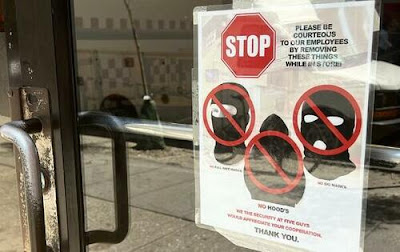
Philadelphia Legislation to Restrict the Use of Ski Masks in Public

ban ski masks

In a move aimed at enhancing public safety, the city of Philadelphia has introduced a new legislative proposal to prohibit the wearing of ski masks in public spaces. The initiative seeks to address concerns regarding potential misuse and criminal activities associated with concealing one's identity in public areas.

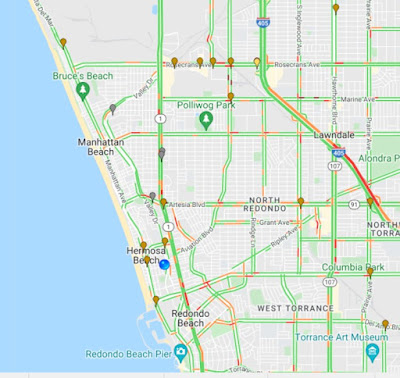
Map of Hermosa Beach Getting Vigilant Traffic Cameras For Safety

Hermosa Beach traffic camera locations

Map of Hermosa Beach Traffic Camera Locations

Four busy Hermosa Beach intersections soon will be under the gaze of local police officers, following the City Council's unanimous approval Tuesday of the purchase and installation of automated license plate readers (ALPR) at the sites.

How Traffic Cameras Can Help Drivers Navigate Around Busy Roads

ALPR traffic cameras

Around the world, there are about 200 million traffic cameras. 

Increase Road Safety With These Accident Prevention Tips

driver safety sign

Did you know that more than five million motor vehicle accidents take place in the US each year? While these numbers shouldn’t discourage you from driving, they should bring about concerns. Although traffic lights and signs exist and advanced vehicles make the roads safer, these resources alone aren’t enough to prevent the dangers of driving. Essentially, drivers must take precautions to keep themselves, passengers, and other motorists safe. 

Follow The Rules Of The Road 

One of the simplest things drivers can do to prevent accidents follows the rules of the road. While these rules can vary from one location to another, they’re designed to keep everyone safe. Following the speed limit, buckling your seatbelt, using signals when changing lanes, and staying on your side of the road, are just a few road rules to consider. 

Inspect Your Car Daily 

It’s not uncommon to start your car, hop in, and head to your destination without a second thought. However, if there’s something wrong with your vehicle, it could cause an accident. For instance, if your reverse or brake lights don’t work, it prevents the motorists behind you from knowing your moves. If you slow down or back up and these lights aren’t working, you could hit someone or, even worse, cause a pileup on a major highway. 

Drivers can prevent this from becoming a disaster by simply inspecting their car before you leave the house. Turn on your lights to ensure they work. Have someone look as you change signals and step on the brakes. Finally, pay attention to any notifications or alarms about your vehicle on your dashboard. If something needs to be fixed, you should take care of it right away.

 Get Rid Of Troublesome Vehicles 

The condition of your vehicle while driving could be the difference between life and death. If your car isn’t working efficiently, you should have it repaired by a mechanic as soon as possible. If the problems persist or you own an old car that’s constantly breaking down, it’s probably time to get rid of the vehicle. There are sites like https://carvio.com that will buy your car for cash the same day. You can use this money to put a down payment on something new. 

Eliminate Distractions 

When you’re behind the wheel, your full attention should be focused on the road. Be that as it may, distractions get in the way and can result in an accident. While you can avoid everything that might take your attention, do the best you can to reduce distractions when you’re driving. You can turn the radio down, put your phone on do not disturb mode, and steer clear of any activities that take your hands off the wheels (i.e., eating, applying makeup, etc.). If you have small children (who can easily distract you), ensure that they’re fed and have some form of entertainment to keep them occupied.

Steer Clear Of Substances 

Driving while under the influence impairs your ability to be safe and increases the risk of an accident. Though you may feel that taking a particular medication, street drug, or having a few drinks doesn’t change your behaviors, that’s not always the case. Therefore, don’t operate a vehicle after using such substances. It’s better to allow time to pass or ask someone to drive for you than to get behind the wheel and put everyone in danger. 

Avoid Driving Tired 

Alertness is essential when driving. If you’re running on fumes, it’s kind of hard to pay attention to the road. All too often, motorists fall asleep behind the wheel and end up causing a severe accident. The best thing to do is to avoid driving when you’re tired. Take a nap, postpone your appointment, or allow someone else to drive instead. If you start getting sleepy on the road, pull over somewhere safe and legal and get some rest. 

While advanced features in modern vehicles increase safety, it doesn’t mean drivers should become ignorant of the dangers on the road. Unless you want to find yourself, someone you love, or other motorists in an accident, you must take precautions like those listed above. 

Is it worth buying a cheap dashcam?

cheap rexing dash cam

A dashcam in the car is a necessary thing. The question is whether to buy an expensive model or enough of the cheapest option.

The cost of many gadgets varies widely. You can buy a dash cam for up to $30, or you can find a model worth more than $500. Let's try to understand the difference. And to find the answer to the question: is it worth buying a cheap dashcam?

What do you get with a cheap dashcam?

There are two main requirements for a dashcam. These capture clear frames and easy installation on the dashboard of the car. As practice shows, the price is not a guarantee of buying the best dashcam. You can get everything you need with an inexpensive model.

The main dash cam features are:

       day and night footage quality;

       ease of installation;

       software playback;

       G force sensor.

Check the dashcams you want to buy for each of these items. And objectively assess the shortcomings of cheaper models.

Cheap dashcams have lower recording resolution

Each digital camera has its resolution. The cheaper dashcams models record HD or Full HD video. But high-quality recorded video is the main requirement for your dashcam. Therefore, we recommend you pay more, but buy a high-definition dashcam and record video in Quad HD and higher.

Dashcam features to look out for

Are you planning to buy the most affordable dashcam option? Be aware that the minimum feature set includes the following requirements:

  1. Audio recording. This is an important detail that will be needed in the event of an accident. The audio recording will help you prove your case before the insurance company, the police, and in court.
  2. Auto-turn on the camera. The dashcam starts recording video as soon as you start the car engine. No need to worry that you forgot to turn on the camera.
  3. G-force sensor This sensor allows the dashcam to detect the moment of impact. Footage recorded at this time will be saved from overwriting. You will not lose important evidence.
  4. Additional photography function. Allows you to use the dashcam as a camera for photo capture.

If the dashcam does not meet at least one of these points, you should not buy it.

What do you get if you pay more?

Dashcam users are willing to pay more for video quality and ease of use. An analysis of the models on the market shows that the most expensive does not mean the best.

We suggest you pay attention to more than two characteristics that are worth the higher price.

  Higher recording resolution. A higher resolution is more pixels. And more pixels are a clearer image. You pay more and get a clearer picture.

  Front and rear cameras. Most dash cams are only equipped with a camera that records the road ahead of your car. Versatile cameras allow you to get more shots, which can be important for you in an emergency. Dashcam accidents can help you.

Premium dashcam features

A premium dashcam in addition to the already mentioned basic functions is equipped with additional convenient features. By purchasing such a model, you get more opportunities. The advanced dashcam will be one of the most convenient applications for better driving.

   Parking model. The dashcam is always on the alert, even in an unattended car in the parking lot. The dashcam automatically responds to the impact and immediately turns on the recording.

   GPS. The dashcam records the location of the car and adds this information to the videos.

  Wi-Fi. This feature allows you to instantly transfer videos to your smartphone. You no longer need to upload videos to your PC. You can instantly do video storyboarding with online resources like Clideo.

 Speed camera alerts. Works on the example of navigation programs and constantly updates information about the location of speed cameras.

  Headlight reminder. This useful feature reminds you to turn on the headlight in low light.

 Fatigue alerts. Reminds you to stop if you drive for a long time without a break.

  Quality video is complemented by the ability of a video editor. You can do it here. These can be not only videos of the accident, but also just interesting moments of your trip. 

As you can see, buying a dashcam should focus on the characteristics of the model, not its price. And if you pay more, you know that you will get quality videos and ease of use of the dashcam. Finally, we have made a selection of dash cams for you that are worth your attention: Rexing Dual, Channel Dash, Cam Review.

Whatever model you choose, we wish you a safe trip and just fun videos on your dashcam.

How to (Safely) Change a Tire on Your Car: DIY

changing tires on blue sports car

A flat tire never happens when you have the time or patience to deal with it. It always happens unexpectedly and when you have no room to add anything else to the top of your priority list. No matter when it happens, switching out your tire is a necessity because you cannot drive with a blown tire.

Knowing how to change a tire could mean the difference between being 30 minutes late and losing your job. It could mean you make it late to the family event instead of missing it altogether. Most importantly, it could also save you money from having to call your insurance company for roadside assistance or having to file a tire blowout insurance claim.

Fixing a tire is a skill that everyone should know, no matter their gender. It can be more dangerous waiting a long period of time in a place you are unfamiliar with than doing the physical work on your own.

#1 – Use Your Hazard Lights

The very first thing you should do when your tire blows is to turn on your hazard lights. Avoid braking hard, if at all, to avoid your vehicle from skidding off. 

It is best to let your car come to a natural stop on its own. The drag from the blown tire will cause friction against the ground, slowing the car down. 

Your hazard lights must be flashing throughout all of this to make yourself as visible as possible. Cars that are passing by you will attempt to get out of your way so you do not have to do it yourself. Veering out of the way of other cars risks more danger to yourself and others.

#2 – Find a Safe Place to Pull Over

Similar to various important steps you take after a car accident, you should pull over somewhere safe as your car comes to a stop and check that everyone in the car did not sustain any injuries after the tire blew out. 

Ideally, the safe place to pull over will be solid and level ground that will prevent your car from rolling while you are working on it. Your automobile should be far enough from the road to give you room to change the tire and to where you and other drivers passing can maintain visibility. It is also best to park in a well-lit area if possible.

#3 – Gather Your Materials

Once you have parked your car, ensured every passenger is safe, and have turned your hazard lights on, you need to check that you have the bare minimum materials needed to change a tire. This will be a jack, wrench, and a spare tire. 

Normally, these items will be stored in your trunk as these products usually come with your car at the time of purchase. If you do not have these materials, you will need to call roadside assistance as soon as possible. 

However, changing a tire will go smoother with these additional items: 

       Tire gauge

       Vehicle’s owner manual

       Flashlight

       Gloves

       Rain poncho

       Knee pads or a mat for kneeling 

These additional items are not a necessity, but adding them to your car as a preventative measure can be beneficial. 

#4 – Loosen the Lug Nuts

old tires

After gathering the materials and any additional items that will make the process either, the first step you should take in removing your flat tire is to loosen the lug nuts.
 

Some vehicles have a wheel cover (or a hubcap), and you will have to pull it off before placing your wrench onto the lug nut. Once the wrench is on the nut, turn it counterclockwise to loosen it. You should ONLY loosen the lug nut and not remove it completely. Repeat this process with the remaining lug nuts on the blown tire.

#5 – Lift Your Vehicle off the Ground

Position the jack that you pulled from your trunk directly under a metal part of your vehicle’s frame. If you place the jack on anything other than metal (like plastic), you will risk a part of the car breaking, the car collapsing, or both. 

With the jack in position on the metal frame, crank it to lift your car off the ground. You should lift it high enough to pull the tire off and should ensure the jack remains perpendicular to the ground. As a caution, consulting your owner’s manual to be sure you are placing the jack in the right position can prevent any mishaps.

#6 – Remove the Lug Nuts and the Tire

With the vehicle lifted high enough off the ground, use the wrench to remove the lug nuts completely by turning the wrench counterclockwise. Store the lug nuts in one safe place because you will need them at the end. 

Once all the nuts have been removed, securely grab the tire and pull it straight off the car. Place the blown tire in your trunk.

#7 – Place the Spare Tire on the Car

Line up the holes on the spare tire with the lug nut posts on the car and then slide it into position. Be sure to push the spare tire as far back as it will go. 

Your spare tire is only intended to be driven for no more than 70 miles and should go no faster than 50 miles per hour. So you should aim to replace your blown tire at your earliest convenience after finishing securing the spare.

#8 – Replace the Lug Nuts

Put the lug nuts back onto the posts before securing them with the wrench. Turn the lug nuts clockwise in increments, altering between every other nut with the wrench. A good order to tighten the lug nuts can be 1, 3, 5, 2, 4, and repeating until they are all as tight as they can be. 

Tightening your lug nuts in an alternating pattern helps you to keep the tire on straight. If the tire is not secured in a straight alignment, the car will drive funny and can ruin the entire alignment of your car.

#9 – Lower Your Vehicle Completely and Finish Tightening

After ensuring your vehicle is secured properly, you can lower your jack by slowly releasing the crank function. Once the car is lowered all the way to the ground and the jack is removed, attempt to tighten the lug nuts a little more to double-check they are secured. 

You should also double-check that you're spare is placed onto the posts in a straight manner before driving off to avoid dealing with car repairs you cannot afford. 

You should finish up by placing your blown tire in the trunk (if you have not already) and any other tools you used in the process. Once you have driven off and arrived at a safe location, you should contact a trusted mechanic to replace your tire. A trusted family member who knows how to properly fix a torn tire can serve just as well. 

Imani Francies writes and researches for the car insurance comparison site, CompareCarInsurance.com. She earned a bachelor of arts in film and media and specializes in various forms of media marketing.


Popular Articles (All Time)