Traffic enforcement cameras have become quite common in modern road safety. They capture thousands of violations daily, often without drivers realizing that they have been recorded. These systems monitor high-risk areas to encourage responsible driving.
The cameras document behaviors that put other drivers at risk, such as people speeding through busy intersections or running stop signs. As more cities install these cameras, you must know the most common violations to stay alert on the road. Read more to get all the details.
Running Red Lights or Stop Signs
One of the most frequently captured traffic violations is running red lights or rolling through stop signs. Red light cameras often record drivers who do not come to a complete stop and those who rush past a changing signal. Unfortunately, these violations can be dangerous and may cause side-impact crashes. Enforcement cameras help deter this kind of recklessness at intersections.
Illegal Turns or Use of Lanes
Traffic enforcement cameras routinely capture illegal turns and improper use of lanes especially at busy intersections. These violations include making prohibited U-turns, turning from the wrong lane, or drifting across marked boundaries. These actions disrupt the flow of traffic and may increase the risks of car crashes. Automated cameras identify these behaviors and discourage drivers from ignoring posted signs and lane markings.
Use of Mobile Phones While Driving
High-resolution traffic cameras are increasingly detecting the use of mobile phones while driving. These systems capture drivers texting, dialing, or holding their phones instead of keeping both hands on the wheel. Distracted driving increases the risks of crashes since it reduces reaction time. So cameras document these moments to remind drivers to stay focused.
Driving Over the Speed Limit
Automated traffic cameras often track vehicles that exceed posted speed limits. They are especially helpful in high-risk zones like busy intersections and school areas. When driving too fast, drivers have less stopping distance, and crashes are potentially more severe. By capturing violations, various speed cameras encourage drivers to slow down and watch out for people’s safety.
Aggressive or Reckless Driving
Modern traffic cameras also capture reckless or aggressive behavior like tailgating, rapid lane changes, and inattention to road markings. Since these cameras capture evidence of recklessness, they help authorities address repeat offenders. If you’re injured in an accident due to this kind of recklessness, work with a Florida traffic accident lawyer to get justice.
Failure to Yield
Traffic cameras also capture drivers who fail to yield, especially at intersections, crosswalks, and merging lanes. Drivers sometimes ignore right-of-way rules, cutting off other vehicles, cyclists, or pedestrians, leading to collisions. Cameras document these incidents, reinforcing the importance of patience and proper yielding for traffic safety.
Illegal Parking or Stopping
Another common traffic violation is illegal stopping or parking, particularly in restricted zones, bus lanes, and no-stop areas. Drivers who block visibility, occupy emergency access points, or disrupt the flow of traffic create safety hazards. Cameras provide clear evidence of these violations, helping authorities enforce parking rules.
Endnote
Traffic cameras capture several violations, which include stop sign or red light offenses, illegal turns or use of lanes, and use of mobile phones while driving. These cameras also capture speed violations, aggressive or reckless driving, failure to yield, and illegal parking or stopping.
Speed cameras have become one of the most widely used tools in traffic enforcement and road safety. They are designed to monitor vehicles, record traffic violations, and reduce accidents by discouraging dangerous driving behavior. Over the years, speed cameras have evolved from simple radar-based devices into multipurpose smart enforcement systems capable of performing a wide range of tasks, from speed enforcement to vehicle tracking and even detecting noise pollution. In this article, we will explore the major types of speed and traffic enforcement cameras, their specific functions, and how they are shaping modern traffic management systems.
Traffic AI Cameras Expand to Seatbelt, Phone Use, and Impaired Driving Detection
The New Frontier of Traffic Enforcement
For decades, automated traffic enforcement was limited to speed cameras and red-light cameras. While controversial, these tools became a fixture in cities across the United States, the European Union, and Australia. Now, advances in artificial intelligence (AI) and computer vision are pushing traffic enforcement into new territory. Modern AI-powered traffic cameras can detect far more than speeding—they can identify whether a driver is wearing a seatbelt, using a handheld phone, or even showing signs of impairment behind the wheel.
This rapid expansion of capabilities marks a turning point in road safety and civil liberties debates. Proponents argue the technology saves lives, while critics warn about privacy, accuracy, and the potential for overreach.
From Speeding to Seatbelts: What’s Changing
The traditional traffic camera captured a simple infraction—speeding above a posted limit or running through a red light. AI cameras, however, can analyze subtle behaviors inside the vehicle cabin:
Seatbelt Detection – Cameras can spot whether a driver or passenger is buckled up. In Australia, New South Wales launched widespread seatbelt camera programs in 2021, issuing hundreds of thousands of fines in the first year. Similar pilots are now underway in Europe.
Phone Use Monitoring – Distracted driving caused by texting or calling is one of the top causes of crashes worldwide. AI cameras can identify drivers holding phones near their faces or laps, capturing evidence even at highway speeds.
Impaired Driving Indicators – Researchers in the EU and U.S. are training AI systems to detect erratic lane changes, delayed reaction times, and abnormal eye or head movements, raising the possibility of real-time impaired driving alerts.
The U.S. Approach: State-Level Pilots and Pushback
In the United States, traffic enforcement has traditionally been a patchwork of local laws. Some states fully embrace cameras, while others ban them. With AI technology, the split is becoming more pronounced:
New York is testing distracted driving detection systems along select corridors. Cameras capture drivers texting and issue automated citations.
California passed legislation in 2023 allowing pilot programs for phone-use detection, though strong privacy rules limit how long images can be stored.
Texas and Florida, meanwhile, continue to ban most automated enforcement technologies, arguing that they violate constitutional due process rights.
Civil liberties groups in the U.S. argue that these cameras create “mass surveillance highways,” but road safety advocates counter with crash data showing lives saved.
Europe Leads in Deployment
The European Union has taken a more unified approach. The EU’s 2022 Road Safety Charter called for cutting road deaths by half by 2030, and AI enforcement plays a big role.
The Netherlands has deployed phone-use cameras nationwide, issuing thousands of fines for drivers caught holding devices.
Spain and France are expanding seatbelt cameras across highways, often coupled with existing speed enforcement systems.
Germany, historically cautious on privacy issues, is still debating the scope of AI enforcement, balancing GDPR requirements with road safety goals.
The EU’s coordinated strategy may serve as a global model, demonstrating how member states can adopt common technology standards while maintaining oversight.
Australia: A Pioneer in AI Enforcement
Australia is perhaps the most aggressive adopter of AI traffic cameras. New South Wales pioneered large-scale distracted driving detection in 2019, installing cameras that scan millions of vehicles per year. The state reported a 22% reduction in road fatalities attributed to phone use after the rollout.
Victoria and Queensland followed suit with combined seatbelt and phone detection systems. Unlike the U.S., where courts often block such programs, Australia has widespread public acceptance, driven by strong road safety campaigns.
How the Technology Works
Modern AI traffic cameras use a blend of hardware and software innovations:
High-Resolution Lenses capture detailed images of drivers even in low light or high-speed conditions.
Infrared Sensors allow seatbelt and phone detection regardless of sunlight glare or window tint.
Machine Learning Models analyze images in milliseconds, distinguishing between safe and unsafe behaviors.
Data Integration connects violations to license plates, allowing automated ticketing or real-time alerts.
Importantly, most systems are designed to blur passenger faces and only store images when an infraction is detected. Still, concerns remain over potential misuse.
Benefits of AI Traffic Cameras
Supporters of these new systems point to measurable benefits:
Lives Saved – Distracted driving accounts for thousands of deaths annually. Automated enforcement can reduce incidents by changing driver behavior.
Efficiency – AI cameras operate 24/7, reducing the need for costly police patrols.
Privacy – Continuous surveillance of drivers may feel invasive. Who owns the data, and how long is it stored?
Accuracy – False positives remain a risk. A driver scratching their face could be misread as holding a phone.
Equity – Critics argue fines disproportionately impact low-income drivers.
Scope Creep – If cameras detect seatbelts today, will they monitor other personal behaviors tomorrow?
Civil liberties groups in the U.S. and Europe continue to file lawsuits, while technology vendors stress transparency and limited data retention.
Market Growth and Major Vendors
The global market for AI traffic cameras is growing rapidly. Analysts project the sector will exceed $20 billion by 2030, driven by government contracts and public-private partnerships.
Verra Mobility (U.S.) supplies red-light and speed systems and is now adding AI features for distracted driving detection.
Acusensus (Australia) is a leader in phone and seatbelt detection, exporting its technology to Europe and North America.
Jenoptik (Germany) focuses on multi-functional enforcement systems, integrating speed, seatbelt, and phone use detection.
Competition among vendors is intense, with AI startups entering alongside long-established traffic camera companies.
Public Opinion: Divided but Shifting
Polls show mixed public support. In Australia, over 70% of residents support phone-use cameras. In the U.S., support is split by state, with higher acceptance in urban areas suffering from distracted driving crashes. In Europe, acceptance tends to rise once data shows reductions in fatalities.
Generational attitudes also play a role. Younger drivers often view cameras as normal parts of digital life, while older generations raise stronger civil liberties concerns.
The Road Ahead
The expansion of AI traffic cameras is unlikely to slow. As technology becomes more precise and affordable, governments around the world will test and adopt new use cases. Potential next steps include:
Fatigue Detection – Identifying drowsy drivers before accidents occur.
Aggressive Driving Monitoring – Tracking tailgating, swerving, and sudden braking.
Insurance Integration – Sharing anonymized violation data with insurers, potentially affecting premiums.
The challenge for policymakers will be balancing safety benefits with civil liberties, ensuring transparency, accuracy, and fair enforcement.
Conclusion
AI-powered traffic cameras represent the next evolution of road safety enforcement. No longer confined to speed and red-light violations, these systems now target distracted driving, seatbelt use, and even impaired driving indicators. The U.S., EU, and Australia are leading testbeds, each with unique political, cultural, and legal approaches.
As the technology matures, societies must answer hard questions: How much surveillance is acceptable for safety? How do we prevent misuse while saving lives? These debates will shape the future of transportation enforcement—and perhaps the balance between technology and civil liberty itself.
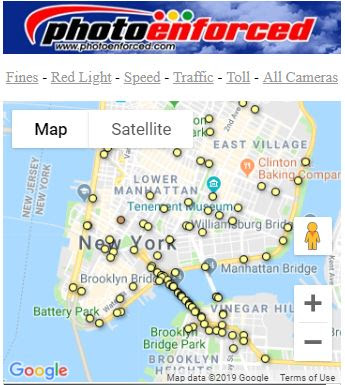
The New York City Department of Transportation (NYC DOT) maintains a vast network of over 850 live traffic cameras across all five boroughs. These real-time feeds offer an inside look at current road conditions and are invaluable tools for commuters, commercial drivers, first responders, and city planners. Cameras are strategically placed at high-volume intersections, highways, bridges, and tunnels to provide comprehensive visibility into the city's traffic flow.
Why do red light cameras flash when no one runs the light? This common question has frustrated many drivers who haven't broken any laws but still see the burst of a camera flash at intersections. While red light cameras are crucial for traffic law enforcement and road safety, they aren’t perfect. This guide explores the most frequent—and surprising—reasons behind these false or unexplained flashes, including camera testing, misread vehicle movements, and even weather conditions.
Navigating the world of traffic control involves understanding various terms, from 'red light' and 'traffic light' to more technical phrases like 'ALPR cameras' and 'traffic signal cameras.' These systems are integral to maintaining road safety and enforcing traffic laws. Whether you're a driver, a cyclist, or a pedestrian, knowing these terms can keep you informed and aware.
Red Lights vs. Traffic Lights: What's the Difference?
The term 'red light' is commonly associated with stopping at intersections, but it's only part of a broader system. 'Traffic light' or 'a traffic light' refers to the entire set of signals, including red, yellow, and green. In some regions, you may hear the term 'traffic lamps,' which focuses specifically on the lighting aspect of the signal rather than the system as a whole.
For example:
In the UK, 'traffic lights' is the standard term, but in older areas, 'traffic lamps' may still be used.
In Australia, 'stoplight' is less common, with 'traffic lights' being the preferred term.
In India, 'signal' or 'signal light' is widely used instead of 'traffic light.'
Additionally, in some countries, pedestrian crossings are governed by separate traffic lamps designed to control foot traffic, such as the 'pelican crossings' in the UK.
Types of Speed Cameras
Speed cameras are a crucial part of traffic enforcement and come in several variations:
Fixed Speed Cameras: Positioned at specific locations, these cameras monitor areas with high accident rates or known speeding issues.
Example: In Germany, 'Blitzanlagen' cameras enforce speed limits with strict accuracy.
Average Speed Cameras: Unlike fixed speed cameras, these systems measure the average speed of a vehicle between two points. They are common in the UK and Australia, where they enforce speed limits over long stretches of road.
School Zone Speed Cameras: These cameras are installed near schools to ensure drivers adhere to lower speed limits during school hours. In the US, these cameras may issue double fines during designated hours to protect children.
The Many Types of Traffic Cameras
Cameras are widely used to monitor intersections and roadways, with various types serving different purposes:
Red Light Cameras and Intersection Cameras: Positioned at key crossings, these cameras capture images of vehicles running red lights. This footage can be used to issue 'red light camera tickets' or 'camera ticket red light' citations to violators. Some systems will flash a bright light when capturing a vehicle running the red, alerting the driver that a violation was recorded.
In Canada, red light cameras are common in major cities like Toronto and Vancouver, where they have been proven to reduce intersection collisions.
Stoplight Cameras: Another variation, 'stoplight cameras' are strategically placed to monitor vehicles that fail to come to a complete stop at stop signs or traffic lights. These cameras are particularly common in areas with high pedestrian traffic.
In Japan, these cameras are called 'stop signal cameras' and are often installed near railway crossings.
ALPR Systems: 'ALPR cameras' (Automated License Plate Recognition) track vehicles by capturing license plate data. These systems are often used alongside speed cameras to identify speeders or vehicles with outstanding violations. ALPR systems can also monitor 'cameras light,' or the lighting conditions at the time of capture, to ensure image clarity.
In the UAE, ALPR systems are integrated into the larger traffic monitoring network to track stolen vehicles and enforce toll payments.
Examples of Traffic Control in Action
Red Light Ticket Enforcement: In many cities, red light cameras have been installed to catch drivers running red lights. For instance, a 'red light camera ticket' can be issued if a vehicle is detected entering the intersection after the light has turned red.
Average Speed Enforcement: Average speed cameras are particularly effective on highways or long stretches of road. If a driver exceeds the speed limit consistently between two points, a 'camera speed' system calculates the violation and issues a ticket.
School Zone Speed Cameras: In school zones, drivers must be extra vigilant. In the US, violating a speed limit in a school zone can result in higher fines and points against a driver's license.
ALPR Monitoring: ALPR systems can be deployed to track stolen vehicles or identify those with outstanding violations. These 'roads cameras' provide law enforcement with critical data in real time.
Avoiding Traffic Violations
Understanding how these systems work can help drivers avoid costly violations. Some key strategies include:
Know Where Cameras Are Located: Learn the locations of traffic light cameras, speed cameras, and ALPR systems in your area.
Obey All Traffic Signals: Pay close attention to traffic lamps, especially in areas with heavy pedestrian traffic or complex intersections.
Stay Within Speed Limits: Even minor speeding can result in a 'speed camera' ticket. Familiarize yourself with posted speed limits and keep an eye out for camera warning signs.
Be Aware of Red Light Cameras: When approaching an intersection, always anticipate the light change and prepare to stop. This can prevent both accidents and costly tickets.
Conclusion
From 'traffic lamps' to 'traffic light cameras,' the terminology around traffic control systems is vast and varied, and it can differ significantly from country to country. Knowing the specific types of systems and how they function can help drivers avoid 'traffic violations' and potential fines, ensuring safer roads for all. Whether it's a 'red light ticket' from running a red or a speeding citation from a 'camera speed' system, understanding these terms can keep you informed and prepared.
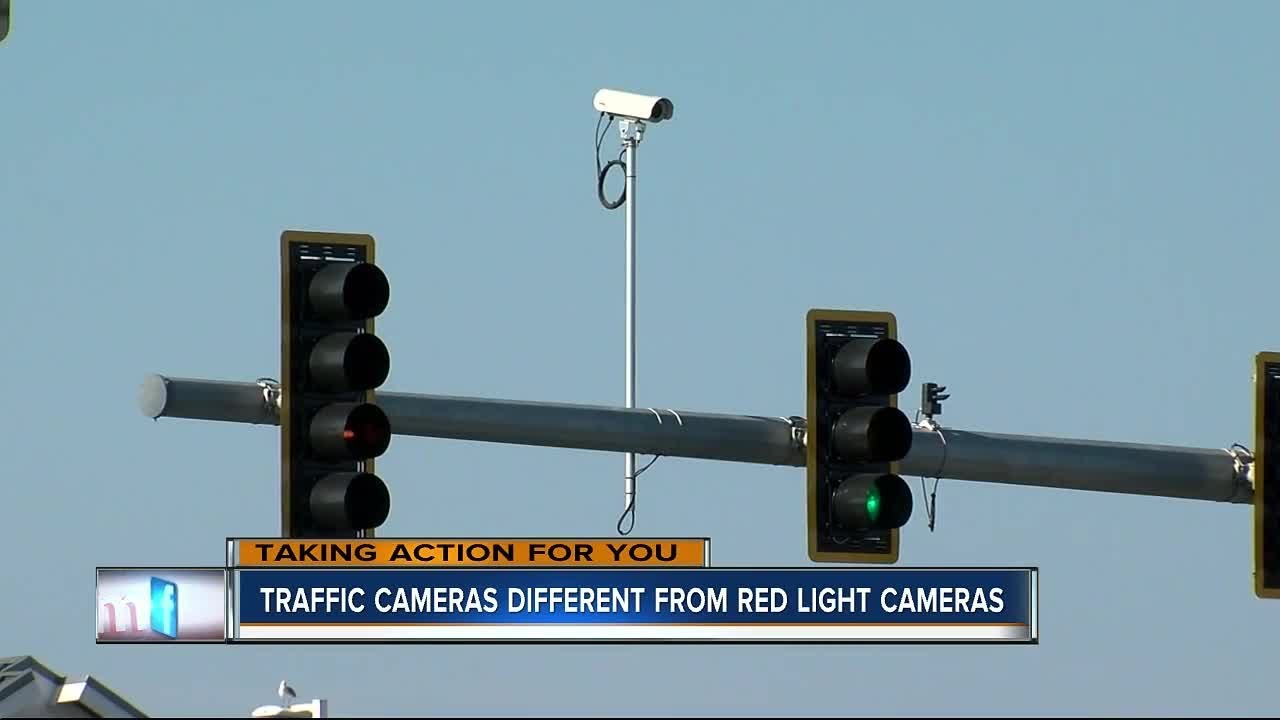
A lot of drivers get confused about the different types of cameras being used. Drivers often confuse traffic cameras (located on the top of traffic lights) with red light cameras (located on the side of the road). These cameras are license plate readers and are using track vehicles and are not used to enforced speeding or red-light running. The use of license plate reading cameras is rapidly on the rise. If you would like to read more about them see this Arstechnica article.
We recently started a new category (license plate camera) in our database to track license plate reading cameras simply to minimize the confusion about the different types of cameras with our readers. We get hundreds of erroneous red light cameras locations submitted to our database every month. When in fact these locations are license plate but most likely traffic flow monitoring cameras. Having a new category of cameras we track in the database should help minimize driver confusion. Read also our articles on traffic flow cameras.
Across the U.S., drivers are increasingly noticing cameras at intersections, along highways, and in parking facilities. Many assume these devices are speed or red-light enforcement tools, but in many cases they are license plate reading cameras (LPRs). These specialized systems are designed to scan and record license plates, not necessarily to issue tickets. Understanding where LPR cameras are located and how they function can help drivers separate fact from fear.
Common Locations of License Plate Readers
License plate readers are strategically placed to maximize coverage, efficiency, and usefulness for law enforcement, transportation agencies, and private operators. The most common locations include:
Highway Overpasses and Ramps
Positioned on overhead gantries or bridges.
Used for toll collection, stolen vehicle detection, and traffic analysis.
Busy Intersections
Mounted on poles near traffic lights or traffic signs.
Often confused with red-light cameras, but usually used for tracking flow, Amber Alerts, and crime prevention.
Parking Lots and Garages
Found at airports, shopping malls, universities, and private garages.
Used to monitor overstays, enforce permits, and simplify automated entry/exit.
Police Vehicles
Mobile LPRs mounted on the roof or trunk of patrol cars.
Allow officers to scan plates while driving, instantly flagging wanted or stolen vehicles.
Residential & Gated Communities
Installed at entry gates to monitor traffic in and out of private neighborhoods.
Helps property managers enforce access rules and track visitors.
Border Crossings
Widely used at international checkpoints.
Helps customs and immigration agencies track vehicles entering or leaving the country.
Why These Locations Matter
The placement of license plate reading cameras isn’t random. Each location serves a strategic purpose:
Highways & Ramps: Maximizes the number of vehicles scanned, improving tolling and stolen vehicle recovery.
Intersections: Provides valuable data for traffic safety and criminal investigations.
Parking Facilities: Reduces labor costs while improving enforcement.
Borders: Enhances national security and monitors cross-border crime.
LPRs vs. Other Cameras
Driver confusion stems from the variety of cameras on roadsides:
Traffic Flow Cameras: Positioned high above roads, designed to measure congestion.
Red-Light Cameras: Located at intersections, angled to capture vehicles that run red lights.
Speed Cameras: Often box-like, placed on poles or trailers to detect speed violations.
License Plate Readers: Mounted lower or angled specifically to capture plates, not issue tickets for moving violations.
By knowing which camera is which, drivers can better understand whether a device is monitoring behavior or simply recording movement.
National Expansion of LPR Networks
The presence of license plate readers is rapidly expanding nationwide. Urban centers deploy them for law enforcement, suburban counties add them for traffic monitoring, and private entities invest in them for parking enforcement. The rise of cashless tolling and congestion pricing zones has only accelerated their spread.
For example:
New York City uses LPRs in its congestion pricing program.
Los Angeles and Chicago integrate them into both traffic flow and law enforcement operations.
Smaller communities are increasingly adopting fixed LPR units to supplement limited police manpower.
Privacy Concerns Around Location Tracking
Because LPRs are strategically positioned in high-traffic areas, concerns arise about constant surveillance. Drivers often ask:
How long is data stored? Some agencies delete after 30 days, others keep records for years.
Who can access the data? Local police, state agencies, and sometimes federal authorities share data across networks.
Can private companies misuse it? Parking firms and repossession agencies often run their own LPR systems.
Public debate continues about whether these widespread locations create a “tracking grid” of vehicle movement.
Why We Track LPR Locations in Our Database
At PhotoEnforced.com, we receive thousands of camera location submissions from drivers every year. Many of these are mistakenly flagged as red-light cameras, when in fact they are license plate readers or traffic monitoring cameras.
To reduce confusion, we added a dedicated license plate camera category in our database. This helps drivers distinguish between:
Locations where tickets are issued.
Locations where plates are scanned for data, security, or tolling.
Knowing the difference not only eases anxiety but also helps educate the public about how roadway surveillance is evolving.
International Examples of LPR Locations
LPR locations aren’t limited to the U.S.:
London uses them throughout its congestion charge zone.
Singapore has citywide LPR coverage integrated with traffic management.
Australia deploys mobile and fixed LPRs for both police and tolling.
Globally, LPR placement is guided by the same principle: maximum coverage at choke points like tolls, borders, and intersections.
The Future of LPR Camera Locations
As technology evolves, the number and variety of LPR locations will continue to grow. Emerging trends include:
Integration with Smart Traffic Lights: Automatically adjusting signals based on real-time flow data.
Neighborhood Security Networks: Communities pooling resources to install LPRs at every entry/exit.
Expanded Highway Networks: Cashless tolling spreading across more U.S. states.
Private Sector Growth: Retailers, universities, and even hospitals deploying LPRs for security and parking management.
Conclusion
License plate reading cameras are no longer rare—they are a permanent feature of modern roads and communities. Found on highways, intersections, police cruisers, parking lots, borders, and residential neighborhoods, these cameras serve many purposes beyond issuing tickets. While they improve efficiency, safety, and enforcement, they also raise important debates about privacy and data security.
By clearly identifying and categorizing these cameras, databases like PhotoEnforced.com help drivers understand the difference between enforcement tools and monitoring systems. Knowing where license plate cameras are located allows drivers to make sense of the growing network of roadside technology that shapes today’s driving experience.
These are traffic cameras, and people commonly mistake them for red light cameras.
If you’ve ever driven through an intersection just as the light turned red, you’ve probably wondered: Did a red light camera catch me? With thousands of these cameras deployed across the United States, it’s a common concern for drivers. Red light cameras are designed to deter dangerous driving, but they can also leave motorists anxious about whether they’ve been ticketed.
This guide explains how red light cameras work, what to look for at intersections, and how to know if your vehicle was photographed. By the end, you’ll have a clear understanding of how violations are captured and what happens next.
Driving with family should be routine, not terrifying. Yet one night in El Segundo, California, I was stopped at a red light near the Chevron Refinery at El Segundo Boulevard and Pacific Coast Highway (PCH) with my 12-year-old son when an alarming event unfolded.
As the light turned green, a small black car, possibly a BMW, rocketed past us going well over 100 miles per hour. The engine’s fumes lingered in the air as it disappeared down PCH, likely turning into Manhattan Beach.
For a split second, I thought about the what ifs: what if that driver had lost control and plowed into us while we sat motionless? What if someone had been pulling out of the Chevron station? The incident was a chilling reminder of the dangers of street racing and reckless driving on busy Southern California roads.
Could a Camera Have Captured It?
After calming down, I wondered: could any traffic cameras in the area have captured this street racer? I checked PhotoEnforced.com and cross-verified with Google Street View. To my surprise, there were no speed cameras or red-light cameras at that intersection.
That realization sparked another question: if a business or the city did have video cameras and I was able to get footage showing the car and its license plate, could this evidence be used to prosecute reckless driving?
Can You Legally Obtain Traffic Camera Video?
Here’s the challenge: access to traffic camera footage is limited. Many drivers believe they can simply request video from city or highway cameras, but it’s rarely that easy.
Ownership of cameras varies. Some are managed by the California Department of Transportation (Caltrans), others by the City of El Segundo, and some by private businesses.
Strict release rules. Public agencies often require a formal legal process before releasing footage. Private businesses may require subpoenas or police involvement.
Time sensitivity. Many traffic cameras overwrite footage quickly, sometimes within 24 to 72 hours. Acting fast is essential.
Without legal help, obtaining footage on your own is usually slim to none. Most agencies will only release video directly to law enforcement officers or through a court order.
Using Camera Footage in Prosecution
If police are willing to pursue the case, traffic or security camera footage can become valuable evidence. Capturing a license plate number or a clear view of the vehicle can support charges such as:
Still, every case depends on jurisdiction, availability of footage, and whether prosecutors believe it’s strong enough for court.
Why Doesn’t El Segundo Have More Cameras?
What troubled me most was learning that El Segundo doesn’t have red-light cameras, speed cameras, or even license plate readers at one of its busiest intersections.
I’m not arguing for ticket-issuing cameras on every corner. But basic traffic monitoring systems could help police track patterns of reckless driving and provide valuable evidence when incidents occur.
License Plate Reader (ALPR) cameras are already used in many cities across California to record cars entering and exiting certain areas. They help with stolen vehicle recovery, criminal investigations, and yes, tracking street racers. See more:
Even if you can’t personally download traffic camera video, pushing for more accountability is critical. Cameras act as both:
Deterrents. Knowing an intersection is monitored discourages reckless driving.
Evidence tools. They give police and prosecutors what they need to hold dangerous drivers accountable.
As cities weigh privacy concerns against safety, experiences like mine show that a lack of monitoring leaves communities exposed.
Final Thoughts
That night in El Segundo could have ended very differently. I was lucky. My son was lucky. But next time, someone might not be.
So, how can you obtain traffic camera video of a street racer?
On your own, chances are low.
With police cooperation or legal representation, it’s possible.
Acting quickly and reporting details is essential.
Ultimately, the bigger solution lies in cities installing more traffic monitoring cameras, ALPR systems, and enforcement technology. Until then, street racers will continue to exploit unmonitored roads, leaving families like mine vulnerable.
Map of Where Street Racing Occurred in El Segundo & Where Cameras Should Be
Street Racing Caught on Camera in Denver
Based on the blogs I am reading. When it comes to highway traffic cameras and red light cameras, your chances of obtaining a copy of the video without the help of an attorney are unfortunately slim. You’re most likely going to be dealing with a number of public and private entities that have specific requirements when it comes to releasing the footage. Some highway traffic cameras are owned by DOT while others are owned by the city.
In today's urban landscape, the use of traffic cameras has become increasingly common as cities seek innovative ways to manage traffic flow and enhance road safety. Among the various types of traffic surveillance technologies available, cities often opt for traffic cameras over traditional red light cameras for several reasons.
Traffic cameras have a wide range of public safety uses including:
1) Traffic flow. Many cities install traffic flow monitoring devices on roadways and busy intersections in order to measure traffic volume and speed at different times of the day, week, month, or year. The videotapes from these cameras can help engineers understand how people are using streets and highways so that more effective design decisions can be made about future development projects in the area.
If there's congestion in an intersection, cities can adjust the timing of traffic signals for that particular intersection to help with traffic flow. If there's congestion in an intersection, police can adjust the timing of traffic signals for that particular intersection to help with traffic flow. This is called adaptive signal control. Cameras are used to monitor traffic flow so that when it's needed, an agent can go into a system and adjust the timing at the appropriate intersections during high-volume periods. This helps keep traffic flowing smoothly and prevents backups from happening at key intersections.
The National Highway Traffic Safety Administration uses these cameras to track traffic patterns and lessen gridlock. Some cities use video feeds from their highway surveillance systems as part of an overall system designed to help motorists navigate through town by making informed decisions about which routes they choose when traveling during different times of day or night.*
2) Crimes and accidents. Another use for cameras is safety. Cameras can monitor roads for crimes, such as someone stealing from another car, road rage incidents, accidents (or fender benders), and other things that may need attention from law enforcement. Police officers can use these cameras to track down criminals, stolen vehicles, and missing people. Crime prevention is another benefit that traffic cameras offer; they deter potential criminals from committing a crime because they know their photo will be captured on the camera.
Because incidents like robberies or hit-and-run accidents often occur near busy roads and highways, police departments sometimes use camera systems as tools for investigating these crimes when they take place near traffic cameras (only if there is no obvious violation). Traffic camera video and photos can be used to document accidents or crimes. Each city archives video for a certain period of time so if you get in an accident you can subpoena the footage as evidence.
Emergency response. Cities also use their video feeds to track the activity on city streets as part of their emergency response system; if an accident occurs on a major highway, officials can review previous videos taped by nearby cameras in order to better understand what happened when emergency responders arrive on the scene.
If you do a Google Image search for "What Do Red Light Cameras Look Like" you are going to be misled by inaccurate information and images in Google results. As you can see by this example screenshot above most of Google's results are wrong. The green circles are red light cameras and the red circles are traffic cameras.
Most drives confuse red light cameras for traffic cameras on poles which you are seeing in the photos above. We have a database and a map of traffic camera locations also which you can find on our website.
A red light camera is a sort of traffic enforcement camera that records an image of a vehicle entering an intersection despite the fact that the traffic signal is red.
When a red light camera is present at a particular traffic light stop, warning signs are displayed in some cities, though this convenience may not be available in other areas. As a result, knowing how to recognize a red light camera is critical.
In some spots, there may be some extra red lines drawn. These lights are essentially indicators that let you know if you've gone beyond the red light.
The simplest technique is to look for signs that are usually placed 50 to 500 feet away from the signal where the red light camera is located. However, just because there isn't a sign doesn't mean there isn't a camera hidden behind it.
Knowing what a red light camera looks like will help you spot one. They are available in a variety of sizes and designs, including some large cameras that are simple to notice.
The flash is usually put beneath the box in a huge, square, silver or white box. In other circumstances, though, the flash is also put within the box. There are also some rectangular boxes that resemble security cameras. These cameras are never located on traffic poles which are ALPR or license plate reader cameras.
The good news is that most states place red light cameras near traffic signals on tall silver or white metal poles, making identification easy. Some cameras are even mounted on street light poles that are properly placed.
Officers do not need to be present at red lights to notice violations because these cameras can complete the job quickly. We must emphasize that red light cameras are considered quite effective and vital, as they are responsible for around 22% of all road accidents in the United States.
Santa Ana-based Iteris, which develops traffic and mobility management products, says it is seeking "strategic alternatives", and has hired investment banker Moelis & Company to assist it in the review. The company said its board has "initiated a comprehensive review of strategic alternatives to maximize shareholder value." The company did not give any other details on the effort but did say that Latham & Watkins LLP is serving as the Company's legal advisor.
Smart mobility infrastructure management company Iteris Inc’s (NASDAQ: ITI) board unanimously rejected the non-binding, unsolicited proposal from Rekor Systems Inc (NASDAQ: REKR) to acquire Iteris for 17% cash and 83% Rekor shares at current stock prices.
Iteris Board unanimously rejected the unsolicited proposal as it significantly undervalues the company, according to Iteris Chairman Tom Thomas.
“The Board is always looking for ways to maximize value for our shareholders, but Rekor’s proposal does not reflect Iteris’ intrinsic value, including the significant long-term opportunities ahead of us,” added Thomas.
“Benefitting significantly from favorable, long-term trends, Iteris’ financial performance and momentum are accelerating. We are confident that we have the right strategy in place to continue our success, which will deliver profitable growth and increase shareholder value in 2021 and beyond,” said Iteris CEO Joe Bergera.
Rekor proposed to combine with Iteris in a cash-and-stock transaction for $8.15 to $8.50 per share of Iteris, signifying a premium between 48-54% on the Friday closing price of $5.51. The merger consideration would consist of $1.39 per share in cash and between 0.399 and 0.420 shares of Rekor. Iteris’ shareholders would own 30% of the combined company upon the arrangement.
Rekor believed that their software products were highly complementary to Iteris’ existing product portfolio and could be quickly deployed on Iteris’ cameras, sensors, and back-end infrastructure.
The combination was expected to be ideally positioned to gain market share from competitors that use legacy LPR software or lack a scaled footprint following the evolution of municipalities into smarter cities and business automation. The combination exuded the potential to consolidate the fragmented market for smart mobility infrastructure management.
Rekor expressed disappointment upon the rejection at less than a week’s notice and believed that Iteris lacked industry technology understanding.
Fresh face recognition programs, including a "smart vehicle" fitted with face recognition and real-time face recognition cameras, have been repeatedly revealed by the Los Angeles Police Department, yet the agency claimed to have "no documents sensitive" to our document request.
Since 2009, the Los Angeles Police Department has used facial recognition software almost 30,000 times, with hundreds of officers running photographs of criminals against a vast database of mug shots captured by law enforcement from surveillance cameras and other outlets. Are the police using this technology on traffic cameras in Los Angeles?
"It is no secret" that the LAPD uses facial recognition, that he personally testified to that fact before the Police Commission a few years back, and that the more recent denials, including two after last year, one to The Times, were just errors, LAPD assistant chief Horace Frank said.
LAPD spokesman Josh Rubenstein told the paper that the app was used to help classify suspects in crimes without witnesses, gang crimes where witnesses are reluctant to come forward, and by a multi-law enforcement agency task force investigating arsons, burglaries, and other crimes that took place during summer demonstrations over police shootings.
The software was used to equate the geographic database with photographs from crime scenes, witnesses, and surveillance cameras. Rubenstein said the LAPD also doesn't use the program to search crowds or in any live-streaming capacity. He said the program had access to 330 LAPD staff.
A three-year ban on the use of facial recognition systems in police body cameras has been implemented by California. Similar moves in New Hampshire and Oregon were followed by the prohibition. San Francisco and Oakland banned police and other city agencies last year from using any facial recognition. In the Boston suburb of Somerville, Massachusetts, it has also been banned.
Red light cameras are a fixture at many intersections across America, and almost every motorist hates to see the infamous camera flash as they drive down the street. Not all red-light cameras require action on your part and will be punished with a fine for not paying the fine. However, since red light cameras are installed at hardly any intersections, the risk of getting a red light camera is low. Many drivers confuse red light cameras for traffic cameras.
Being informed and aware of red light cameras locations is the first line of defense. However, if you get a ticket and have concrete evidence, you may decide not to pay for the ticket. If you are charged with a red light violation or even a traffic violation, hire a local attorney and find out your rights under the law as soon as possible.
As a driver, it can be helpful to understand the difference between a red light camera and conventional traffic cameras near you. In this article, we will discuss how red-light cameras work and how you can find out if you are being photographed by one of these cameras while driving.
How do red light cameras work? A red light camera is programmed to detect vehicles entering an intersection when they turn red. When someone passes a red light at an intersection, a photo or video of the injury is taken. If the red light camera system documents a violation with two photos, the first photo should be taken to show the vehicle operating the red light, as well as the driver of that vehicle and its passenger.
When a vehicle is running a red light, the camera takes a photo or video of the vehicle and records the date, time, vehicle information. Red light violations can occur when a motorist turns right at a junction without stopping. If you receive a red light violation, a Traffic Safety Division police officer will review the ticket before sending it to your address.
Signs must be erected where automated red-light cameras are used in the city. Putting signs at intersections with red-light cameras does not undermine the purpose of installing the cameras.
Research has shown that red light cameras act as an effective deterrent and reduce the number of dangerous light violations that occur when the traffic light turns red. This automated law enforcement system, also known as a "photo enforcement," exists in the United States, Canada, Australia, New Zealand and many other countries around the world.
Most red light camera programs are designed to improve safety at junctions by reducing the number of red light offenses. When the city of Fayetteville last had a red light camera, the number of serious accidents at the intersection where the camera was installed was reduced, and the effect has spread to red light drivers at other camera-equipped locations - as well as to nearby signaled intersections that are not equipped with red-light cameras.
How to Add Our Mobile Traffic Cameras App to Phone
All of our maps are free mobile friendly pages that can be easily bookmarked on your phone using a Safari browser on the ihttps://www.photoenforced.com/Live-Traffic.htmlPhone and Chrome browser on an Android phone. These maps will never require a download and the home screen icon does nothing in the background unless you are using the app. Its like a shortcut to a browser but on your phone and the icon is easy to find and quick to use with no sign-in required. These maps are all advertising supported.
When you open the map it will automatically find your location and display data relevant to your area. Each map has its own unique icon depending on which data you are interested in. The default map is all cameras but you can choose speed cameras, red light cameras, traffic cameras below.
Here are details below on how to add to home screen.