Search For Maps & Articles

Showing posts with label Arizona. Show all posts

How Phoenix New Speed Cameras Are Performing: Early Results

Phoenix red light and speed camera locations

Phoenix Reintroduces Automated Traffic Enforcement

Phoenix has brought back automated traffic enforcement after years without a citywide program. With speeding, red-light running, and aggressive driving contributing to rising crashes, the city approved a major investment in new speed and red-light cameras. Early observations, comparisons to nearby cities, and initial behavior patterns offer meaningful insight into how the program is performing.

This article provides a detailed evaluation of early outcomes, complete with real-world examples, data from Arizona cities, and expert context on what automated enforcement typically achieves.

Why Phoenix Reinvested in Speed Cameras

For many years, Phoenix avoided automated enforcement due to mixed public feedback. However, rising fatality numbers and limited police resources prompted the city to reexamine modern camera technology.

Phoenix’s goals include:

• Reducing extreme speeding
• Decreasing red-light running
• Preventing severe crashes
• Improving traffic behavior predictably and consistently
• Addressing high-risk areas where police cannot provide ongoing presence

The new program includes fixed intersection cameras, mobile enforcement vehicles, and portable speed units rotated across dangerous corridors.

Early Performance Indicators: What the Data Suggests

Although the full system is still rolling out, several early indicators mirror what other Arizona cities have experienced.

1. Initial spikes in violations

When cameras first activate, violations typically surge because habitual speeders are finally being recorded.

2. Rapid behavior change

Within weeks, data from early monitored Phoenix areas shows drivers significantly reducing speeds.

3. Improved traffic flow

Transportation officials have already observed smoother merges, fewer hard-braking events, and more consistent lane discipline—signs that enforcement is influencing driver behavior even before long-term crash data is available.

Lessons From Nearby Cities: Examples That Predict Phoenix’s Success

Phoenix’s rollout is heavily informed by data collected in Tempe, Mesa, Glendale, and Scottsdale.

Tempe’s Example: A Blueprint for Phoenix

Tempe’s recent camera activation produced:

• Over 2,000 violations recorded within two weeks
• More than 21,000 citations issued within months
• A measurable reduction in collisions at monitored intersections

A major intersection near ASU illustrates this trend well. Before cameras, the location saw frequent red-light running and high-speed entries. After activation, violations dropped by more than 40%, and injury-related crashes decreased.

Mesa: School Zone Improvements

Mesa’s portable cameras near schools led to:

• A 60% reduction in high-speed violations
• Fewer near-miss events involving students
• Increased parent confidence in walking routes

These results strongly match what Phoenix expects as its own cameras go live in similar environments.

How Drivers in Phoenix Are Reacting

Public reaction has been mixed, forming three common viewpoints:

Supporters

Supporters appreciate the cameras as a necessary tool in a growing city where wide roads and high speeds create dangerous conditions. They see automated enforcement as a cost-effective supplement to police traffic units.

Skeptics

Skeptics worry about fairness, accuracy, and revenue motives. Their concerns focus on the potential for technical errors or citations issued for relatively minor speed fluctuations.

Neutral Adjusters

A large portion of residents fall into a practical middle group—drivers who may not love the cameras but quickly adjust their behavior to avoid fines.

Early evidence shows that even drivers who oppose the system tend to reduce their speeding once citations or warnings begin circulating in the community.

Where Phoenix Is Installing Cameras

The city prioritizes high-risk corridors based on:

• Historical crash data
• Frequency of severe injuries or fatalities
• Documented speeding patterns
• Pedestrian safety concerns
• School zone activity

Examples of target areas include multi-lane arterials, long straightaways with speeding issues, high-crash intersections, and school zones with repeat violations.

Phoenix emphasizes that placement decisions are made using engineering evaluations—not revenue projections.

What National Research Shows About Speed Camera Effectiveness

National studies provide strong evidence supporting Phoenix’s expected outcomes.

Key findings include:

• Speed cameras reduce speeding by up to 70% in some regions
• Red-light cameras decrease injury crashes noticeably
• Fatal crashes drop by roughly 19% in camera-monitored jurisdictions
• Even small reductions in speed significantly reduce crash severity

These findings are especially relevant in Phoenix, where 5–10 mph reductions can dramatically improve survivability due to the city’s wide streets, long travel distances, and high-speed corridors.

Real-World Case Study: Behavior Changes on a Phoenix Corridor

One Phoenix corridor under early monitoring has already shown significant improvement.

Before cameras:

• Over 1,200 vehicles per day exceeded the limit by 11+ mph
• Late-night racing and high-speed bursts were common

After cameras and warning notices:

• High-speed incidents dropped by nearly 40% in three weeks
• Smoother lane discipline and merging were noted
• Nighttime speeding noticeably decreased

This behavior shift mirrors trends seen across the country when enforcement becomes consistent.

How Phoenix Will Measure Long-Term Success

Phoenix officials have outlined several performance metrics to track the system’s effectiveness:

• Quarterly crash reports showing before-and-after trends
• Speed studies comparing behavior change over time
• Citation volumes indicating compliance patterns
• School zone safety improvements
• Reductions in fatal and severe-injury crashes

If Phoenix follows patterns from Tempe, Mesa, and national research, the most significant safety benefits will appear within the first 12 to 18 months.

Public Concerns and How Phoenix Is Addressing Them

Residents have raised understandable concerns, and the city has responded with measures to build trust.

Common concerns:

• Accuracy of camera readings
• Citations issued for minor infractions
• Cost of fines
• Privacy and data usage
• Revenue motivation

Phoenix’s mitigation strategies:

• A public warning period before fines begin
• Clear signage in enforcement zones
• Calibration and accuracy testing procedures
• Public reporting for transparency
• A focus on high-risk zones, not blanket enforcement

These steps help reassure residents that the system is aimed at safety, not revenue.

Are Phoenix’s New Speed Cameras Working? The Early Verdict

Early signs strongly suggest that Phoenix’s new speed cameras are beginning to work as intended. The trends—lower speeds, fewer extreme violations, smoother traffic behavior—mirror findings from cities nationwide and throughout Arizona.

Crashes still happen every day across Phoenix.  While long-term crash data is still developing, early behavior changes are promising indicators. Automated enforcement is already reducing dangerous driving, and Phoenix’s long-term safety outlook is expected to improve as more data accumulates.

Final Takeaway

Phoenix’s new speed cameras are showing early signs of success. The combination of real-world examples, state-wide comparisons, and national research points toward a clear conclusion: automated enforcement is improving road safety, reducing extreme speeding, and laying the groundwork for fewer serious crashes.  

As Phoenix continues expanding its system and releasing public reports, residents will gain even more insight into how the program is performing. For now, early results align with decades of research—speed cameras save lives, especially in fast-growing cities with challenging traffic patterns.

Received a Ticket But Weren’t the Driver? Here’s What to Do Next

Monkey driving car

Getting a traffic ticket in the mail when you weren’t even behind the wheel can feel unfair and frustrating. With the rise of speed cameras, red-light cameras, and automated license plate readers, more people are receiving citations even if someone else was driving their car. Whether you loaned your car to a friend, family member, or coworker—or your plates were cloned—the good news is you do have options. This guide walks you through what to do if you received a ticket but weren’t the driver.

Why You Might Receive a Ticket When You Weren’t Driving

Several situations can lead to a ticket showing up in your name:

  • Automated cameras: Tickets are issued based on license plate, not who was driving.

  • Borrowed vehicle: You lent your car to someone else, and they committed the violation.

  • Rental car mix-ups: Rental companies may forward violations to the renter, even if they weren’t driving at the time.

  • Stolen plates or vehicles: Sometimes plates are duplicated or vehicles are stolen and later linked to infractions.

  • Clerical errors: Mistakes in processing may wrongly assign a violation to your car.

Understanding why you got the ticket is the first step to handling it.

Step 1: Review the Ticket Carefully

Before panicking, read the citation in full. Look for:

If it’s a camera ticket, there’s usually a photo or video link showing the driver and vehicle. Sometimes you can clearly see it’s not you driving.

Step 2: Determine Responsibility

Ask yourself:

  • Was I driving at that time? If not, who was?

  • Did I loan my car out? If yes, document who had it.

  • Could my plate be cloned? Look for differences in the vehicle shown (color, make, stickers).

If you weren’t responsible, begin gathering proof.

Step 3: Gather Evidence

The stronger your evidence, the better your chance of contesting the ticket. Helpful evidence includes:

  • Proof of not being present (work records, receipts, GPS logs, travel confirmations).

  • Statement from the actual driver (if a friend or family borrowed your car).

  • Police report (if your car or plates were stolen).

  • Visual mismatch evidence (if the ticket photo shows a car that doesn’t match yours exactly).

Step 4: Research Local Laws

Traffic enforcement laws vary by state and city. Some areas hold the registered owner liable no matter what, while others allow you to transfer responsibility to the actual driver. For example:

Step 5: Contest the Ticket

If you weren’t the driver, don’t just pay the fine. Most jurisdictions allow you to:

  1. Request a hearing (online, by mail, or in court).

  2. Submit an affidavit declaring you were not the driver.

  3. Provide supporting documentation (photos, statements, reports).

If successful, the ticket can be dismissed or reassigned.

Step 6: Protect Yourself From Future Issues

To prevent this from happening again:

  • Be cautious when loaning your car—you’re often held responsible.

  • Document usage when others borrow your vehicle.

  • Report stolen plates immediately to DMV and law enforcement.

  • Check your driving record regularly to catch errors quickly.

Common Scenarios and Solutions

Situation Recommended Action
Friend/family borrowed car Submit affidavit naming driver; provide their statement.
Rental car violation Contact rental company with proof you weren’t the renter at the time.
Cloned/stolen plates File police report, request dismissal with supporting evidence.
Clerical mistake Show mismatched vehicle details, request correction.

Final Thoughts

Receiving a ticket for a violation you didn’t commit can be stressful, but you aren’t powerless. The key is acting quickly, reviewing the evidence, and providing documentation to prove your case. In many jurisdictions, especially with camera enforcement, the system assumes the vehicle owner is guilty until proven otherwise. By taking the right steps, you can protect your driving record, finances, and peace of mind.

U.S. Cities Using Speed Cameras to Improve Road Safety

In the United States, many cities and counties have adopted speed cameras to reduce traffic violations, enhance public safety, and deter reckless driving. These cameras are strategically placed in areas prone to speeding, including school zones, highway work zones, and residential neighborhoods. In this article, we will explore the various U.S. cities and counties that have implemented speed cameras as part of their efforts to create safer driving environments.

Montebello Wastes $500K on Red Light Cameras: A Warning

Montebello, CA is under fire after wasting an estimated $500,000 on red light cameras—a program that failed to deliver meaningful traffic safety improvements or financial returns. As California cities reevaluate red light enforcement, Montebello's experience offers an important lesson in what not to do.

What Happened in Montebello?

Montebello partnered with RedFlex Traffic Systems to operate red light cameras at high-traffic intersections like Garfield Avenue and Beverly Boulevard. The goal was to improve road safety and generate revenue from traffic violations.

However, recent reports show that the program lost money. A contract clause allowed the city to pay RedFlex less if citation revenue fell below expectations—an arrangement deemed illegal under California law, which prohibits traffic enforcement contracts based on financial incentives.

Yellow Light Timing Under Scrutiny

At the Garfield and Beverly intersection, the yellow light was set at 3.6 seconds—the legal minimum for a 35 mph speed zone. While this complies with California traffic signal regulations, experts argue it's not enough time for most drivers to stop safely. This has raised concerns that Montebello’s red light cameras prioritize profit over public safety.

Are Red Light Cameras Worth It?

Montebello isn’t alone in facing backlash. Other California cities like Los Angeles, Oakland, and San Diego have shut down their red light camera programs due to high costs, legal issues, and negligible safety benefits.

According to public data, many red light camera tickets in California go unpaid or dismissed in court, often due to technicalities, improper signage, or questionable enforcement practices.

Taxpayer Money Lost in Montebello

With nearly $500,000 in taxpayer funds wasted, residents and local watchdogs are demanding:

  • A full audit of the red light camera program

  • Greater contract transparency

  • Reforms in how automated traffic enforcement is implemented in California

Critics argue that the city should have focused on traffic signal upgrades, driver education, and real police enforcement, which are proven to be more effective at reducing crashes.

The Bigger Picture: Red Light Cameras in California

Montebello’s failed program is part of a growing trend. Across the state, cities are questioning whether red light cameras are:

  • Legal under California’s traffic enforcement laws

  • Effective at preventing accidents

  • Ethical in their implementation and intent

If cities continue to use them, best practices must include longer yellow light times, transparent contracts, and data showing a clear link to reduced traffic injuries.

Final Thoughts: Montebello's Mistake Shouldn't Be Repeated

The Montebello red light camera controversy is a clear example of poor policy planning and oversight. As more municipalities consider removing or regulating automated enforcement systems, Montebello’s experience could help guide statewide reform.

Seat Belt Cameras: Where They’re Being Used and What You Need to Know

With advancements in technology, automated enforcement of traffic laws is becoming more common. One significant development is the use of AI-powered seat belt detection cameras. These cameras are designed to catch drivers and passengers who are not wearing their seat belts, helping improve road safety.

Where Are Seat Belt Cameras Being Used?

New South Wales, Australia

New South Wales (NSW) has implemented seat belt detection cameras since July 1, 2024. These cameras, initially designed to catch mobile phone use while driving, now also detect seat belt violations. Within the first three weeks of enforcement, more than 11,400 penalties were issued, with around 75% related to seat belt non-compliance. Fines for not wearing a seat belt in NSW can reach $410, and offenders receive at least three demerit points. (Source)

United Kingdom

The UK has been trialing AI-powered seat belt and phone detection cameras in several regions, including Greater Manchester, Durham, Humberside, and Cornwall. These cameras, developed by Acusensus, analyze vehicle interiors and flag violations. In Greater Manchester, a five-week trial recorded over 3,200 offenses. Offenders receive a notice, and penalties vary based on the violation. (Source)

How Do Seat Belt Cameras Work?

These cameras use AI technology to scan vehicles and identify whether occupants are wearing seat belts. High-resolution images are analyzed, and potential violations are flagged for human review before fines are issued. This ensures accuracy and reduces false positives.

Penalties for Not Wearing a Seat Belt

Penalties vary by location, but they typically include:

  • Fines: Ranging from $100 to over $400 in some areas

  • Demerit Points: Accumulating points can lead to license suspension

  • Driver Responsibility: In many regions, drivers are responsible for ensuring passengers are buckled up

Why Is This Important?

Seat belts reduce the risk of fatal injuries by up to 50% in car accidents. Automated enforcement ensures compliance and enhances road safety by discouraging reckless behavior.

Final Thoughts

With AI-powered seat belt cameras becoming more common, it’s essential to always buckle up. These cameras are already in place in Australia and the UK, and more regions may follow suit. Staying informed and adhering to seat belt laws can help you avoid fines and, more importantly, save lives.

For more details, check out the full reports on NSW’s seat belt camera enforcement and the UK’s AI camera trials.

How to Use Red Light Camera Video Footage as Evidence

Red light cameras are becoming increasingly common in cities across the United States, capturing thousands of traffic violations daily. But beyond issuing tickets, this footage can also serve as powerful evidence in legal and insurance disputes. Whether you're fighting a citation or proving your innocence in an accident, understanding how to access and use red light camera video footage can make a significant difference. Here's everything you need to know.

What Is Red Light Camera Video Footage?

Red light cameras are automated enforcement systems placed at intersections. When a vehicle runs a red light, the system captures high-resolution images and short video clips of the violation. These clips typically show:

  • The vehicle before entering the intersection

  • The traffic light status at the time

  • The vehicle in the intersection after the light turned red

  • A timestamp and location marker

This footage is often used by municipalities to issue citations, but it can also be requested and used as legal evidence in court.

Why Use Red Light Camera Footage as Evidence?

Red light camera footage can be instrumental in:

  • Disputing a traffic ticket: If you believe the citation was issued in error, the footage may support your claim.

  • Proving fault in a car accident: Video evidence can show which vehicle had the right of way.

  • Supporting an insurance claim: Insurers may accept camera footage as reliable proof of events.

  • Defending against wrongful accusations: If you’re wrongly blamed for an incident, the footage may exonerate you.

How to Obtain Red Light Camera Footage

1. Identify the Camera Location

Determine the intersection where the red light camera is located. This is typically stated on the citation, or you can check with the local Department of Transportation (DOT) or police department.

2. Contact the Appropriate Agency

Red light cameras are usually managed by local law enforcement or traffic enforcement offices. Submit a request to:

  • The city or county traffic enforcement division

  • The police department’s records unit

  • The state’s Department of Transportation

Ask specifically for video footage and still images from the red light camera at the specified date and time.

3. Submit a Public Records Request

In most jurisdictions, traffic camera footage is considered public record. File a Freedom of Information Act (FOIA) request or a state-specific public records request. Include:

  • Your full name and contact information

  • The date, time, and location of the incident

  • License plate number (if applicable)

  • Reason for your request

4. Act Quickly

Camera footage is usually only stored for a limited time—often 30 to 90 days—unless there's an ongoing investigation. The sooner you request the footage, the better.

How to Use the Footage in Court or Claims

A. In Traffic Court

If you're contesting a red light ticket, you can request that the court review the footage. Some jurisdictions provide an online portal to view and download this evidence.

B. In Civil Court (e.g., Car Accident Lawsuits)

You or your attorney can submit the footage as evidence during litigation. Be sure it is authenticated (officially verified) and accompanied by a statement or affidavit from the agency that supplied it.

C. For Insurance Claims

Provide the footage to your insurance adjuster to support your claim or defense. This may help speed up the claims process or reduce disputes over liability.

Legal Considerations and Admissibility

  • Chain of custody: You may need to show the footage has not been tampered with.

  • Authenticity: Footage should come directly from the city or agency to ensure it's admissible.

  • Privacy laws: In some states, certain privacy laws may apply, but generally, footage captured in public spaces is allowed in court.

Final Thoughts

Red light camera video footage can be a game-changer in resolving legal or insurance matters. Acting quickly, following the correct process, and understanding your rights can ensure that this digital evidence works in your favor.

New Speed Cameras Can Verify Insurance & Seat Belts Instantly

speed camera

Speed cameras have long been a controversial yet effective tool for enforcing traffic laws. Initially designed to catch drivers who exceeded posted speed limits, these devices have evolved into highly sophisticated enforcement systems. Today, the latest generation of speed cameras is equipped with artificial intelligence (AI), machine learning, and advanced imaging technologies that allow them not only to record vehicle speeds but also to verify insurance status and detect whether drivers and passengers are wearing seat belts.

This expansion in capability represents a major shift in how governments, insurers, and law enforcement agencies think about road safety and compliance. Instead of relying solely on officers at traffic stops, automated enforcement systems can now instantly identify violations that once required manual checks.

How Speed Cameras Have Evolved

The earliest speed cameras were little more than radar guns paired with still cameras. These captured snapshots of vehicles that crossed speed thresholds, allowing municipalities to send citations by mail. By the early 2000s, many cities had also introduced red-light cameras to deter drivers from running intersections.

Fast forward to today, and the scope of automated traffic enforcement has expanded dramatically:

  • Speed Monitoring – Measuring velocity in real time with radar and lidar.

  • Red-Light Enforcement – Capturing violations when cars enter intersections after signals change.

  • Insurance Verification – Accessing insurance databases instantly to see if a car is covered.

  • Seat Belt Detection – Using AI-driven cameras that can identify whether seat belts are being used.

  • Distracted Driving Monitoring – Detecting phone usage through high-resolution lenses.

This is not science fiction. Countries such as the UK, Australia, and the Netherlands already deploy multi-function enforcement systems capable of these checks. The U.S. is beginning to follow suit, with states piloting AI-equipped traffic enforcement programs.

Insurance Verification in Real Time

Driving without insurance is a major public safety issue. The Insurance Information Institute estimates that nearly 1 in 8 drivers in the U.S. are uninsured . This creates enormous financial risk for accident victims, raises premiums for insured drivers, and strains state insurance systems.

New speed camera systems integrate directly with insurance databases. When a vehicle passes a camera, its license plate is scanned using automatic license plate recognition (ALPR) technology. That plate number is instantly checked against state or national databases to determine whether the vehicle has active insurance coverage. If no insurance is found, a citation can be generated automatically.

This reduces the need for roadside checks and increases compliance. States like Texas, Florida, and New York already maintain real-time insurance verification databases, and these can be seamlessly connected to smart enforcement cameras.

Seat Belt Detection with AI Cameras

Seat belts are one of the simplest, most effective safety measures in road travel, reducing the risk of death in crashes by about 45% for drivers and front-seat passengers . Despite decades of public awareness campaigns, seat belt non-use remains a leading cause of preventable traffic fatalities.

AI-driven cameras can now identify whether drivers and passengers are wearing seat belts. These systems use high-resolution imaging combined with AI models trained to recognize seat belt placement across different vehicle types, lighting conditions, and seating positions.

  • Infrared sensors improve visibility at night.

  • Machine learning algorithms adapt to new car designs and seat positions.

  • Privacy safeguards blur facial recognition but highlight seat belt status.

Australia and the UK already deploy seat belt detection cameras, issuing fines to unbelted drivers. In the U.S., states with primary seat belt laws could adopt these systems quickly, while those with secondary enforcement may face legal hurdles.

Privacy and Ethical Concerns

While the technology is effective, critics argue that it represents a step toward mass surveillance. Concerns include:

  • Data storage – How long license plate and driver data are retained.

  • Accuracy – Potential false positives in seat belt or insurance detection.

  • Equity – Whether automated systems disproportionately affect certain communities.

Civil liberties organizations often push for transparency in how these systems are implemented. For example, groups like the ACLU have raised concerns over ALPR databases being misused for non-traffic purposes. Balancing public safety with individual rights will be crucial as these systems expand.

Economic Impact: A New Revenue Stream

Local governments often rely on traffic enforcement as a revenue source. Traditional speed and red-light cameras already generate billions annually worldwide. By expanding their scope to include insurance and seat belt enforcement, municipalities could see significant increases in fine collections.

However, the true benefit lies not in revenue but in deterrence. If uninsured drivers and unbelted passengers know they can be caught instantly, compliance will rise. This leads to fewer traffic fatalities, fewer financial hardships for victims, and a reduction in court backlogs.

Case Studies Around the World

Australia

In New South Wales, AI-enabled cameras have been deployed since 2019 to catch both mobile phone use and seat belt violations. The program has issued over 400,000 fines in its first year, dramatically reducing distracted driving incidents.

United Kingdom

The UK has piloted advanced road safety cameras capable of detecting seat belt use and mobile phone violations. Data from the Department for Transport shows promising reductions in non-compliance where cameras are active.

United States

While the U.S. has been slower to adopt these multi-functional systems, cities like New York and Washington, D.C. are exploring AI-driven enforcement that could expand beyond speeding and red lights. Given the success of ALPR in tolling and parking enforcement, integration with insurance databases is seen as the logical next step.

Legal Considerations

Each state in the U.S. sets its own laws governing traffic enforcement and the use of automated systems. For speed cameras that verify insurance or seat belts, key questions include:

  • Admissibility in court – Are AI detections considered reliable evidence?

  • Notification process – How are citations delivered, and can drivers contest them?

  • Revenue allocation – Will money go to road safety programs or general budgets?

Legislators will need to balance innovation with fairness, ensuring drivers have due process protections while keeping roads safe.

The Future of Traffic Enforcement

The integration of AI with speed cameras is part of a larger trend toward “smart roads” and connected vehicles. Cars already come equipped with sensors and telematics that could share data directly with enforcement agencies. Insurance companies may also integrate with these systems, offering discounts for drivers who consistently comply with safety laws.

In the future, we may see:

  • Automated crash reporting from roadside cameras.

  • Integration with vehicle-to-infrastructure (V2I) technology.

  • Dynamic penalties where uninsured drivers face higher fines automatically.

  • Real-time driver behavior analysis to improve urban traffic management.

Conclusion

The newest generation of speed cameras represents a dramatic leap forward in automated traffic enforcement. No longer limited to catching speeders, these systems can now instantly verify insurance coverage and detect seat belt use. While privacy concerns must be addressed, the potential benefits are enormous: safer roads, fewer uninsured drivers, and higher compliance with life-saving safety measures.

As more U.S. states and cities evaluate these systems, the debate will intensify. Are these cameras simply “cash cows,” or are they a necessary evolution in keeping up with modern traffic challenges? The answer may be both—but one thing is certain: the future of road safety will be increasingly automated, data-driven, and immediate.

Sources

  1. Insurance Information Institute – Uninsured Motorists Statistics

  2. National Highway Traffic Safety Administration – Seat Belt Safety

  3. UK Department for Transport – Road Safety Data

Photo Enforcement Ballot Measures: Why They Always Fail

piles of money

As cities across the United States grapple with issues of traffic safety and enforcement, photo enforcement measures—such as red-light and speed cameras—have emerged as potential solutions. However, attempts to implement these measures through public ballot initiatives have consistently failed to gain voter approval. This article explores the reasons behind the public's resistance to photo enforcement ballot measures, notable examples of failed initiatives, the implications for traffic safety, and what it means for the future of automated enforcement.

Understanding Photo Enforcement

Photo enforcement refers to the use of automated systems to capture images of vehicles that violate traffic laws, such as running red lights or speeding. While proponents argue that these systems enhance safety and reduce traffic violations, public sentiment has often leaned against their implementation through ballot measures.

Historical Context: Failed Ballot Measures

  1. Voter Concerns About Privacy: One of the primary reasons photo enforcement ballot measures have struggled to survive public votes is widespread concern about privacy. Many voters fear that the increased use of surveillance cameras could lead to an infringement on personal freedoms and privacy rights. This sentiment often outweighs arguments about the potential safety benefits.

  2. Perception of Revenue Generation: Voters frequently view photo enforcement as a revenue-generating scheme rather than a genuine safety initiative. When the public perceives that a measure is primarily designed to generate income for the city rather than improve safety, they are less likely to support it. The fear of "money traps," where municipalities profit from traffic violations, can lead to strong opposition.

  3. Distrust of Government Motives: Distrust in government agencies can play a significant role in public sentiment against photo enforcement measures. Voters may question the transparency and accountability of how funds generated from fines would be used, leading to skepticism about the overall intent behind the ballot measures.

  4. Concerns About Effectiveness: Critics of photo enforcement often argue that these systems do not effectively reduce accidents or improve traffic safety. Instead, they claim that such measures merely displace accidents rather than prevent them. This belief can significantly impact voter support when considering the implementation of these systems.

  5. Successful Campaigns Against Initiatives: In various jurisdictions, organized campaigns have successfully mobilized public opposition against photo enforcement ballot measures. These campaigns often highlight the drawbacks and potential negative consequences of automated enforcement, swaying public opinion against the proposals.

Notable Examples of Failed Ballot Measures

  1. San Francisco Proposition G (2010): This measure aimed to authorize the city to use speed cameras in specific locations to combat speeding and improve road safety. Despite support from some city officials and traffic safety advocates, it was met with strong opposition from civil liberties groups and ultimately failed in the ballot, reflecting the public's concerns about surveillance and privacy.

  2. Red Light Camera Measures in Los Angeles (Various Years): Over the years, several proposals to expand the use of red-light cameras in Los Angeles have faced rejection at the polls. Voters expressed concerns about the perceived focus on revenue generation over public safety and the effectiveness of such measures in reducing traffic violations.

  3. Arizona Red-Light Camera Initiative (2010): Arizona residents voted on a ballot measure that sought to expand red-light camera use throughout the state. However, the initiative was met with opposition due to fears about privacy, government surveillance, and the financial motivations behind the program, leading to its failure.

Implications for Traffic Safety

The failure of photo enforcement ballot measures to gain public support has significant implications for traffic safety efforts. Without these systems, cities may struggle to find effective alternatives to address speeding and reckless driving, leading to continued accidents and fatalities on the roads.

In the absence of photo enforcement, law enforcement agencies may need to allocate more resources to traditional policing methods, which can strain budgets and manpower. Moreover, without automated enforcement systems, the opportunity for consistent and fair traffic law enforcement may diminish, creating inequities in how traffic violations are addressed.

The Future of Photo Enforcement Initiatives

Given the history of failed public votes, cities considering photo enforcement must find new ways to engage with the community and build trust. Here are some strategies that could improve public perception and potentially lead to successful ballot measures in the future:

  1. Public Education Campaigns: Effective communication about the benefits of photo enforcement and how it can enhance safety is essential. Engaging community members through educational campaigns can help alleviate fears and address concerns.

  2. Transparent Use of Funds: Clearly outlining how revenue from photo enforcement will be allocated can help build trust with the public. Demonstrating a commitment to reinvesting funds into community safety initiatives may increase voter support.

  3. Pilot Programs: Implementing pilot programs that demonstrate the effectiveness of photo enforcement in reducing accidents and improving safety can provide valuable data and build public trust. Success stories from other jurisdictions can also bolster community confidence in these measures.

Other Public vote outcomes
  • In Mukilteo, Washington 70% of the voters banned the cameras and in Anaheim, California 73% voted against them. 
  • Earlier in 2010, 61% of Sykesville, Maryland voters overturned a speed camera ordinance. In 2009, 86% of Sulphur, Louisiana rejected speed cameras. 
  • The November 2009 elections included three votes: 72% said no in Chillicothe, Ohio; Heath, Ohio, and College Station, 
  • Texas also rejected cameras. In 2008, residents in Cincinnati, Ohio rejected red light cameras. 66% of Steubenville
  • Ohio voters rejected photo radar in 2006. In the 1990s, speed cameras lost by 66% of the vote in Peoria, Arizona, and Batavia, Illinois. 
  • In 1997, voters in Anchorage, Alaska banned cameras even after the local authorities had removed them. In 2003, 64% of voters in Arlington, Texas voted down "traffic management cameras" that opponents at the time said could be converted into ticketing cameras.

Conclusion

While photo enforcement ballot measures have yet to gain traction in public votes, understanding the underlying concerns can help cities refine their approaches to traffic safety. By addressing privacy concerns, ensuring transparency, and engaging communities effectively, cities like San Francisco, Oakland, and San Jose may find a path toward successful implementation of photo enforcement initiatives in the future. As public safety remains a top priority, the conversation around photo enforcement will undoubtedly continue, shaping the landscape of traffic enforcement across the country.

Goldman Sachs Invests $50M in ATS American Traffic Solutions

Goldman Sachs

In 2008, Goldman Sachs made a strategic investment of approximately $50 million in American Traffic Solutions (ATS), a leading provider of red-light and speed camera enforcement solutions. While the exact figure was initially undisclosed, industry reports described the investment as a significant minority stake. The move positioned Goldman Sachs on ATS’s board of directors and provided crucial funding to meet rising nationwide demand for automated traffic enforcement systems.

Scottsdale, AZ-based ATS was, at the time, the largest independent, privately held company offering photo traffic enforcement services in North America. The company experienced rapid expansion, with its 2007–08 quarterly compound revenue growth rate exceeding 80%. As of the investment, photo enforcement programs were in use in over 300 communities across 25 states and the District of Columbia.

ATS served more than 125 municipalities in 18 U.S. states, the District of Columbia, and Alberta, Canada. Major cities such as New York City, Philadelphia, Washington, D.C., Houston, Fort Worth, Phoenix, St. Louis, Seattle, and San Diego were all clients of ATS.

The capital from Goldman Sachs helped ATS scale its operations, develop camera technologies, and expand deployment capabilities. This investment marked one of the earliest signs of Wall Street’s interest in smart city infrastructure and traffic enforcement technologies.

Competitive Landscape

ATS’s largest competitor was Redflex Group, an Australian-based photo enforcement provider. The two companies competed for city contracts across North America, offering red-light camera systems, speed enforcement, and other automated traffic safety solutions.

Acquisition and Legacy

In 2017, ATS was acquired by Platinum Equity, a global private equity firm. It was later integrated into Verra Mobility, which today operates one of the largest portfolios of traffic enforcement, tolling, and vehicle compliance technologies in the world.

The Goldman Sachs investment was a pivotal milestone in ATS’s growth and helped accelerate the proliferation of automated enforcement programs. These programs remain controversial—praised for improving road safety, but often criticized as revenue-generating mechanisms for cities and private firms.

To explore photo enforcement locations and trends, visit PhotoEnforced.com.

Public Records Resistance in Iowa

freedom of information

Access to public records is a fundamental right in many parts of the world, essential for transparency and accountability. In Iowa, however, there are increasing concerns about resistance to releasing certain types of public data, especially regarding traffic enforcement records, such as those from speed cameras and red-light cameras. Understanding the challenges surrounding public records in Iowa can help residents, journalists, and advocates push for more transparent practices. This article explores the barriers to public records access in Iowa, why these records are crucial, and how the state compares with others on this issue.

Why Public Records Matter in Iowa

Public records are essential for government transparency, giving the public insight into how taxpayer money is used and providing accountability for government actions. In Iowa, traffic enforcement records—such as data from red-light and speed cameras—can help the public understand enforcement patterns, assess traffic safety programs, and hold institutions accountable for the use of automated traffic cameras.

Access to these records allows Iowans to:

  • Verify enforcement accuracy: Errors in traffic citations can be challenged when records are accessible.
  • Hold public agencies accountable: Review agencies’ spending on traffic enforcement, especially in areas where automated cameras are in use.
  • Evaluate public safety effectiveness: Determine if red-light or speed cameras actually improve road safety or if they disproportionately generate revenue without substantial safety benefits.

Challenges to Public Records Access in Iowa

Despite these benefits, Iowa has seen resistance from some government agencies in releasing public records. Here are some key challenges to accessing this information:

  1. Privacy Concerns

    • Iowa agencies cite privacy as a primary reason for restricting access to traffic enforcement data. While privacy protection is essential, Iowa’s laws sometimes overly restrict information, leaving residents unable to assess how public resources are used.
  2. Cost of Access

    • In many cases, obtaining public records can incur high fees, often justified by the need to cover the time and labor required to produce the information. These costs can deter ordinary citizens from accessing data and reduce public scrutiny.
  3. Lack of Transparency in Record-Keeping

    • Record-keeping practices can sometimes be inconsistent or lack transparency, making it difficult to track down specific information. When agencies aren’t required to provide detailed reports, it leads to inconsistencies in data accessibility.
  4. Limited Resources for Records Requests

    • Agencies often claim limited resources to handle records requests in a timely manner. This results in delays that can take weeks, months, or even years, effectively rendering some data unusable for time-sensitive investigations or reports.

How Iowa’s Public Records Resistance Compares with Other States

Public records laws vary widely across the United States. Some states have robust systems in place to ensure data accessibility, while others, like Iowa, place significant hurdles before citizens. Here’s how Iowa compares with other states:

  • Stricter Regulations: While states like California have relatively accessible public records laws, Iowa has stricter regulations that can hinder transparency, particularly around automated traffic enforcement data.
  • Higher Fees for Access: States like Texas offer many public records at minimal costs, making it easy for residents to access data. In Iowa, however, fees can sometimes be prohibitively high.
  • Lengthy Processing Times: States with better funding and streamlined procedures, like Washington, allow for quicker processing of public records requests. Iowa's process, however, can take significantly longer, adding frustration for those seeking timely data.

Potential Solutions for Improving Public Records Access in Iowa

  1. Revisiting Privacy Laws: Updating laws to maintain a balance between privacy and transparency can ensure that the public gets access to essential information without compromising individual privacy rights.

  2. Standardizing Record-Keeping Practices: By implementing standardized record-keeping practices across all agencies, Iowa can reduce discrepancies and improve data consistency, making it easier for residents to locate information.

  3. Streamlining the Request Process: Simplifying the request process through online portals and efficient systems can speed up response times and reduce bureaucratic red tape.

  4. Reducing Access Fees: Lowering or eliminating fees for public records requests, especially for journalists and researchers, would encourage transparency and public oversight.

  5. Implementing a Digital Database: Iowa could establish a centralized digital repository where non-sensitive public records are available on demand, without needing to request them individually.

Why Public Records Matter to Iowa Residents

Ultimately, public records serve the public’s interest by promoting government accountability and transparency. For Iowans, having access to enforcement data can shed light on traffic safety initiatives, guide public opinion on automated enforcement, and influence local and state-level policy decisions.

Conclusion

While Iowa faces challenges in providing transparent access to public records, particularly in traffic enforcement, progress can be made with targeted reforms. Balancing privacy with transparency, reducing fees, and improving response times are all achievable goals that would bring Iowa closer to an open-access model. By addressing these issues, Iowa can ensure its citizens have the information they need to make informed decisions and hold government agencies accountable.

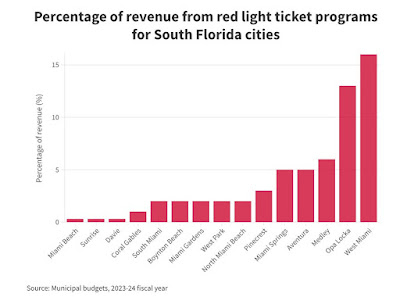
The State of Florida Seeks Share of City Revenue from Cameras

city red light camera revenue Florida

Florida cities have long used red light cameras as a tool to promote traffic safety and reduce violations at dangerous intersections. These cameras generate significant revenue for local governments, funding various public services. However, the State of Florida is increasingly interested in obtaining a portion of this income, raising questions about the impact on local budgets and public safety initiatives. Here’s a look at why the state wants a share of red light camera revenue, what it means for Florida cities, and how it could affect residents. 

Why Does Florida Want Red Light Camera Revenue?

Verra Mobility (VRRM) Stock Hits All Time Highs


Verra Mobility (ticker symbol VRRM) is a company that specializes in technology solutions for the transportation industry, including tolling, red-light enforcement, and traffic management. If the stock hit all-time highs, it suggests that the company's performance and investor sentiment have been positive, driving the stock price to new records.

What to Do if You Are Pulled Over for a DUI in Arizona

Lawyer
Image credit: Imagesource.io

If you are a long time driver, then you may have been pulled over by the police, either for driving too fast or driving in the wrong lane. For many people, seeing the red and blue lights in their rearview mirror can be quite overwhelming. However, if you have not done anything wrong, then you have nothing to fear. If you are ever falsely accused of drunk driving, then you should make every attempt to find the best DUI lawyer in Phoenix as back up. Here are a few things that you need to do when pulled over for a DUI in Arizona. 

Never Run

The first rule of any interaction with the police is to never run away whether you are guilty or not guilty. You should always stop and acknowledge the authority of law enforcement. Running away will only make things worse for you. If you do run, then a small charge could turn into something bigger, and you could also be detained.  

Record the Interaction 

When you are pulled over, you have the right to ask the police officer to record the interaction. If allowed, place your phone on the dashboard or in your front shirt pocket. This will ensure that you are not forced to do anything illegal or incriminate yourself unfairly. You should make every effort as a citizen to learn about the rights provided to you by the federal government and the state in which you reside. 

Be Polite 

Being asked to pull over by a police officer does not mean that you are being accused of drunk driving. You should make every effort to cooperate with law enforcement in this situation. You are legally required to present your identity and insurance details to the officer. Many people are asked to get out of their vehicles because they decide not to listen or respond to the requests and questions of the officer. You can politely refuse a breath test or sobriety test. However, if he or she continues to ask for it, then you should ask for legal counsel. Resisting will only get you into more trouble. 

Get Your Lawyer Involved 

If you are being arrested for a DUI and are asked to take part in unnecessary procedures, then this is the right time to get in touch with your lawyer. You can politely tell the officer that you will only talk in the presence of a lawyer. 

If you are being asked to take a physical examination or test, then politely refuse the request and demand to speak to a lawyer. Your lawyer will look out for your rights. If you are arrested, do not answer any questions until he or she arrives, since you do have the right to remain silent. 

Always remember that there is a chance that you are not being stopped for any offense. The officers could be trying to help or guide you or want to ask you some routine questions. It is important for you not to panic during these situations. If you are drunk, the police officer will know even if you do not speak a single word. As a responsible citizen, it is important to make every attempt to answer their questions.

Can Traffic Cameras Be Used to Catch Drunk Drivers?

Cameras May Enforce Texting While Driving


The city of Scottsdale, Arizona may take it a step further and is considering using its photo enforced cameras to enforce distracted driver laws. Photo enforcement cameras in Scottsdale are capable of detecting behavior such as text messaging or other “distracted driving” behavior, in addition to capturing speeders and red-light runners. But whether Scottsdale pursues such enforcement as part of a proposed text-messaging and distracted driving law remains to be seen. “We’re able to see people clearly on their cell phones,” said Josh Weiss, spokesman for American Traffic Solutions, the company that operates the fixed cameras and camera-equipped vans on Scottsdale surface streets.

On September 24th, 2008 the Governor of California, Arnold Schwarzenegger signed Senate Bill 28 (SB 28) into law. The new bill “Prohibits a person from driving a motor vehicle while using an electronic wireless communications device to write, send, or read a text-based communication." The new bill will impose a fine of $20 for the first offense and $50 for subsequent offenses starting January 1, 2009. No violation points will be given as a result of the offense and there are exceptions for emergency personnel.

The bill requires motorists to use hands-free devices while talking on a mobile phone when driving a motor vehicle. California motorists using cell phones have been required to use hands-free devices since July, and drivers under age 18 can't use any electronic devices. Seven other states and the District of Columbia ban text-messaging or the use of hand-held phones while driving, according to the National Conference of State Legislatures.

Paying Out-of-State Photo-Enforced Tickets: What You Need to Know

Photo-Enforced camera 

Getting a photo-enforced ticket in a state other than your own can be confusing. Photo-enforced tickets are issued using traffic cameras to monitor red lights, speeding, and other traffic violations. If you're traveling and receive an out-of-state photo-enforced ticket, it's essential to understand the process, penalties, and possible consequences for ignoring it. Here’s everything you need to know about paying (or disputing) out-of-state photo-enforced tickets.

What Is a Photo-Enforced Ticket? 

Arizona law aims to redefine street intersection for red-light runners

Arizona law aims to redefine street intersection for red-light runners.
Arizona law aims to redefine street intersections for red-light runners.

Current law defines the intersection as the imaginary line even with curbs (the dotted-white line). Under the new legislation, if you can get your front bumper across the stop line (the red) before the light turns red, you're safe -- even if you have not yet entered what is now considered the intersection. (Howie Fischer/Capitol Media Services)

No Right Turn on Red Intersections Map

Locations of No Right Turn on Red Intersections

These intersections above monitor illegal right turns on red.  Some of these intersection also monitor rolling right turns.  If you want to find these intersections in your City type in "Right Turn" into the name field and zoom into your area.  Some of these intersections also monitor red light violations as well.  These cameras are colored in red.  No right turns on red only are colored in yellow.  

Popular Articles (All Time)