Search For Maps & Articles

Showing posts with label Violation Fines. Show all posts

California Bill to Overhaul Red-Light Cameras: SB 720 Explained

California law change

California Bill Eyes Red-Light Camera Overhaul with Major Changes to Fines and Enforcement

California lawmakers are preparing to overhaul the state’s red-light camera system with Senate Bill 720 (SB 720), a proposal that would change how tickets are issued, how much drivers pay, and where fine revenue is directed. The measure, introduced by Senator Angelique Ashby of Sacramento, has already passed both houses of the Legislature and is awaiting the governor’s signature.

For nearly three decades, California required photographic proof of a driver’s face to issue a red-light camera citation. This approach made enforcement costly and often ineffective, forcing cities to abandon their programs. Sacramento County, for example, once issued more than 14,000 tickets annually but shut down its cameras in 2025 after collection costs outweighed the benefits. SB 720 seeks to fix these shortcomings by modernizing enforcement and treating red-light camera violations more like parking infractions than moving violations.

One of the most significant changes under SB 720 is the elimination of the driver-identification requirement. Instead of a face photo, a clear license plate image will be enough to issue a ticket. This simplifies the process for local governments and reduces disputes in court. The bill also caps fines at a flat $100 for each violation, replacing the current system where surcharges often push total costs to nearly $500. Unlike traditional traffic violations, red-light camera tickets under the new system would not add points to a driver’s record or increase insurance rates, easing financial strain on motorists.

Revenue from these citations would no longer disappear into a city’s general fund. Instead, all proceeds must be reinvested in traffic safety projects such as crosswalk improvements, bike lanes, and traffic-calming measures in high-injury corridors. The bill also strengthens privacy protections by prohibiting data from being shared with law enforcement without a court order. To address fairness concerns, SB 720 includes provisions for income-based fine reductions to prevent disproportionate impacts on low-income drivers.

The legislation also tackles one of the most controversial aspects of red-light cameras: yellow-light timing. Critics have long argued that some cities shortened yellow intervals to trap drivers and maximize revenue. SB 720 explicitly prohibits shortening yellow-light durations at intersections with cameras, ensuring that enforcement prioritizes safety rather than revenue. This safeguard is designed to build public trust and prevent “gotcha” tickets.

The proposed overhaul is part of a broader trend in California toward automated, civil enforcement of traffic laws. In 2023, Assembly Bill 645 authorized speed cameras in six cities, including Los Angeles, San Francisco, and Oakland. San Francisco began issuing real tickets in 2025 after a pilot grace period, with citations treated as civil penalties that carry no DMV points. Another proposal, Assembly Bill 289, would allow speed cameras in highway work zones when crews are present. Together, these measures mark a shift away from punitive driver-identification enforcement and toward automated systems that issue owner-based penalties.

Supporters of SB 720 argue the changes will make enforcement more consistent, reduce administrative costs, and shift focus back to public safety. A flat $100 fine with no insurance or DMV impact is simpler for drivers to understand and less likely to spark legal battles. By requiring revenue to fund safety improvements, the bill directly ties enforcement to its stated goal of reducing crashes and injuries. Opponents counter that even a $100 ticket can be burdensome, particularly for low-income drivers, and that expanding automated enforcement risks creating a sense of “surveillance-driven” streets. There are also questions about whether cities will adopt the program widely, since local governments must opt in to the Safer Streets framework.

If signed into law, SB 720 could reshape red-light camera enforcement across California. Cities that abandoned their programs due to legal and financial challenges may revisit automated enforcement under the new rules. Drivers would face a simpler, less punitive system where citations arrive by mail, resemble parking tickets, and carry no long-term insurance or licensing consequences. The biggest test will be whether the changes reduce crashes and red-light violations, restoring public trust in automated enforcement as a legitimate safety tool rather than a revenue trap.

Updated Red Light and Speed Camera Fine Information by State

state map

As a driver, knowing the laws, fines, and potential license points tied to red light cameras and speed cameras is essential for avoiding costly mistakes. While these automated enforcement systems are designed to improve road safety, they also create unexpected expenses for drivers who are caught off guard.

This updated guide provides a state-by-state breakdown of fines and points for red light and speed camera violations across the U.S. Remember: penalties can vary by city or county, so always verify with local traffic laws for the most accurate details.

Red Light Camera Fines and Points

Red light camera tickets are among the most common automated traffic violations. Depending on where you live, these citations may carry hefty fines and even license points.

Table: Red Light Camera Penalties by State

State Red Light Camera Fine ($) Points
Alabama $100 No Points
Arizona $165–$250 2 Points
Arkansas No Programs –
California $490 1 Point
Colorado $40–$80 4 Points
Delaware $75–$230 –
District of Columbia $150 0 to 2 Points
Florida $200 –
Georgia $70 No Points
Hawaii $77 –
Illinois $100–$500 20 Points
Indiana No Programs –
Iowa $45–$150 –
Kansas No Programs –
Louisiana $100–$140 No Points
Maryland $100 No Points
Michigan No Programs –
Minnesota No Programs –
Mississippi No Programs –
Missouri $100 –
Nevada No Programs –
New Jersey $85 No Points
New Mexico $75 –
New York $50–$100 No Points
North Carolina $50–$100 3 Points
Ohio $100–$200 –
Oklahoma No Programs –
Oregon $260–$1,000 –
Pennsylvania $100 No Points
Rhode Island $75 –
South Dakota No Programs –
Tennessee $50 No Points
Texas State Ban –
Virginia $100–$200 0 to 4 Points
Washington $124–$250 No Points
West Virginia No Programs –
Wisconsin No Programs –

Speed Camera Fines and Points

Speed cameras are often placed near schools, work zones, and high-risk corridors. Violations can carry steep fines and, in some states, license points.

Table: Speed Camera Penalties by State

State Speed Camera Fine ($) Points
Alabama – –
Arizona $165–$250 2 Points
Arkansas – –
California – –
Colorado $40–$80 4 Points
Delaware – –
District of Columbia $50–$300 0, 3, 4, or 5 Points
Florida – –
Georgia – –
Hawaii – –
Illinois $250–$500 20 Points
Indiana No Programs –
Iowa $45–$150 –
Kansas No Programs –
Louisiana – –
Maryland $40–$1,000 No Points
Michigan No Programs –
Minnesota No Programs –
Mississippi No Programs –
Missouri – –
Nevada No Programs –
New Jersey – –
New Mexico $75 –
New York $90–$1,200 No Points (Possible Jail Time)
North Carolina – –
Ohio $100–$200 –
Oklahoma No Programs –
Oregon $110–$2,000 –
Pennsylvania – –
Rhode Island – –
South Dakota No Programs –
Tennessee $50 No Points
Texas – –
Virginia – –
Washington $124–$250 No Points
West Virginia No Programs –
Wisconsin No Programs –

Strictest vs. Most Lenient States

Some states hit drivers with extremely high fines and points, while others either ban camera enforcement or assign minimal penalties. Here’s how the states compare:

Top 10 Strictest States for Camera Enforcement

Rank State Fine Range Points
1 Oregon $260–$2,000 Up to 4
2 New York $90–$1,200 No Points (Possible Jail Time)
3 Illinois $100–$500 (Red Light), $250–$500 (Speed) 20 Points
4 California $490 (Red Light) 1 Point
5 Maryland $40–$1,000 (Speed) No Points
6 Washington, D.C. $50–$300 Up to 5 Points
7 Washington State $124–$250 No Points
8 Arizona $165–$250 2 Points
9 Virginia $100–$200 Up to 4 Points
10 Colorado $40–$80 4 Points

Top 10 Most Lenient States

Rank State Enforcement Notes
1 Texas State Ban Red light cameras prohibited statewide
2 Michigan No Programs No red light or speed cameras
3 Minnesota No Programs No red light or speed cameras
4 Wisconsin No Programs No red light or speed cameras
5 West Virginia No Programs No red light or speed cameras
6 South Dakota No Programs No red light or speed cameras
7 Oklahoma No Programs No red light or speed cameras
8 Kansas No Programs No red light or speed cameras
9 Indiana No Programs No red light or speed cameras
10 Nevada No Programs No red light or speed cameras

Key Takeaways for Drivers

  • Local Differences Matter: Even within the same state, municipalities may set their own fine schedules and enforcement policies.

  • Laws Change Frequently: Traffic enforcement regulations are updated often. Stay informed to avoid surprises.

  • Safe Driving Saves Money: Obeying traffic signals and speed limits not only prevents fines but also protects your driving record and insurance rates.

Final Word

By knowing the fines and points tied to red light and speed camera tickets, you can make smarter driving decisions and avoid costly penalties. Always double-check the latest local traffic enforcement laws before hitting the road.

Do You Still Have to Pay That LA Red Light Camera Ticket?

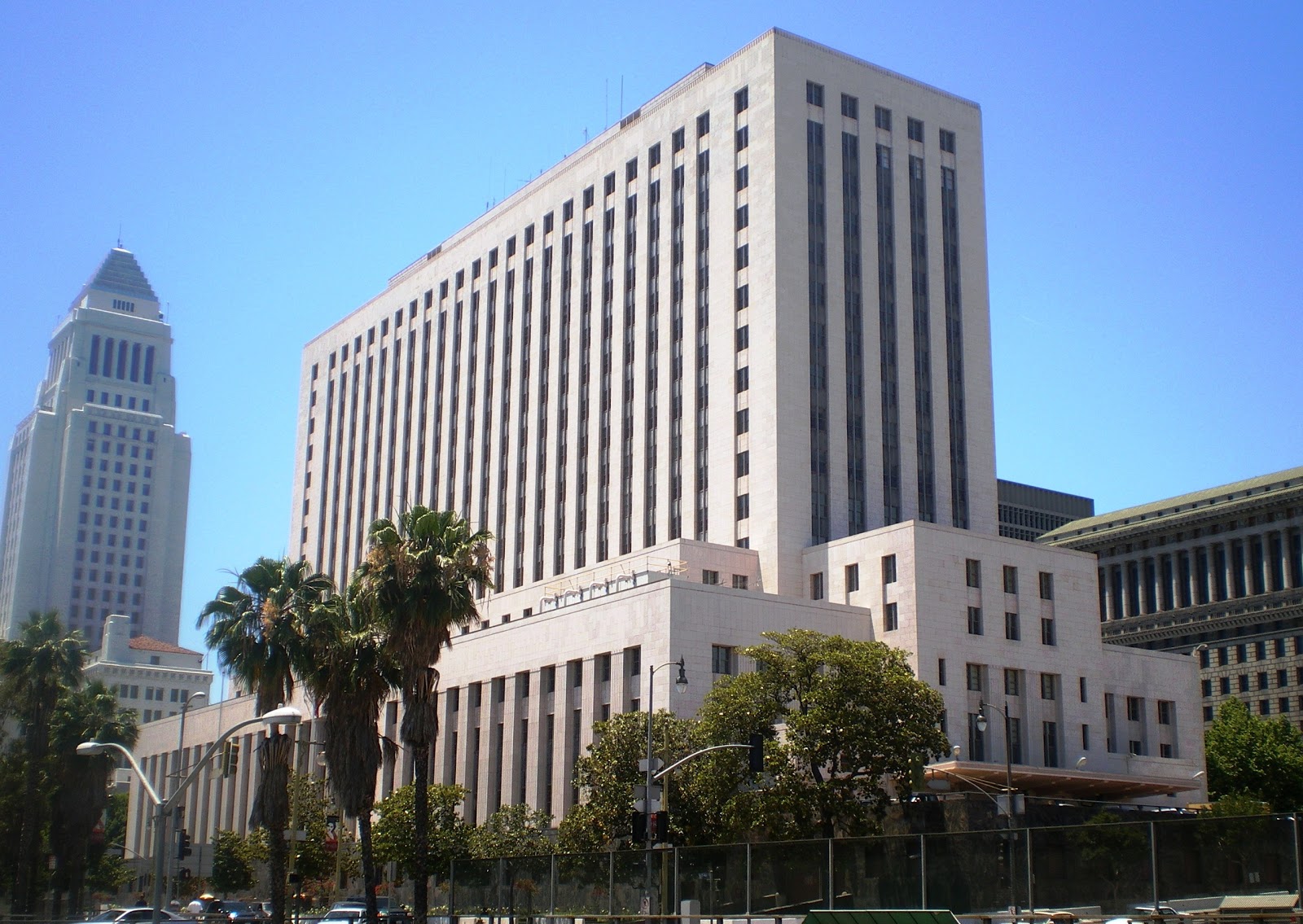
LA Court House Building

Even if Los Angeles shuts down red light cameras, don’t forget about the ticket you already have. Are Traffic Cameras Legal In Los Angeles, California? The Los Angeles City Council has announced plans to stop using cameras to enforce red-light violators at numerous intersections throughout the city. While many are rejoicing that the cameras may be shut down, don’t forget about the red light camera ticket you currently have! The program’s end would prevent future red light camera tickets from being issued. However, don’t assume that any current red light camera tickets you already have from the City of Los Angeles will just automatically vanish. If the current system ends, these tickets may still be prosecuted. To avoid potential problems, follow up on any outstanding tickets. You can always check the court website to confirm if your ticket is still active or closed. Remember: if the ticket is filed and active with the court before the program ends, it likely won’t be dropped. If you don’t follow up, it could go to collections or, in some cases, be referred to the DMV.

1. Status of Red Light Cameras in Los Angeles

The city officially ended its traditional red light camera enforcement program, but surrounding areas such as Beverly Hills, Culver City, and West Hollywood continue to operate cameras. This means that while LA proper has shut down its system, drivers in nearby jurisdictions can still receive tickets. Some cameras remain active on transit or rail corridors under different jurisdictions, which can still lead to citations even if the citywide program is gone.

2. What Happens to Old Tickets?

Ending the program does not erase existing violations. Courts treat red light camera tickets as legal proceedings. If a citation was already filed in court, it remains active until it is resolved. That means ignoring the ticket could still result in referral to collections agencies, potential negative impact on your credit, or referral to the DMV depending on court discretion. In other words, while new tickets may not be issued by LA, the old ones don’t simply disappear.

3. Should LA Have Shut Down the Cameras?

We would like your opinion: do you think LA should shut down the cameras? Critics point out that Los Angeles was losing money on red light cameras, with operating costs sometimes outweighing the fines collected. Non-profits and community advocates have argued that photo enforcement is not the best use of city resources. They highlight that signal timing enhancements alone have been shown by the LAPD and LADOT to improve intersection safety — often without the controversy that cameras generate.

4. California’s Current Legal Landscape

Red light cameras remain legal in California as of 2025, though the rules are strict. For a citation to hold up in court the photo must clearly show the driver’s face and the license plate, proper warning signage must be in place, and evidence must meet California Vehicle Code standards. At the state level, Senate Bill 720 is under consideration, which could dramatically change the rules. The bill proposes capping fines, eliminating DMV points, and reducing insurance impacts for automated enforcement tickets.

5. Should You Pay or Ignore the Ticket?

The practical reality in Los Angeles County is that some drivers have ignored camera tickets with little consequence. In many cases, the courts haven’t referred these cases to the DMV. But there’s no guarantee this will remain true — especially if new legislation or local enforcement priorities shift. If you do nothing, you might avoid immediate costs but could face long-term issues with collections, credit checks, or DMV records. If you act, you can choose to pay the fine to close the case, contest the ticket citing possible errors in the camera system or improper service, or seek dismissal or mitigation if you qualify under court discretion.

6. Neighboring Cities Still Enforce Cameras

Even though LA shut down its program, nearby municipalities such as Culver City still use photo enforcement actively. These programs operate under their own rules, and their tickets are prosecuted with more consistency. If you commute between jurisdictions, you need to remain cautious at intersections where cameras remain live.

7. Final Thoughts

If you already have an LA red light camera ticket, don’t count on it disappearing. While the program shutdown may bring relief to future drivers, outstanding tickets can still affect you. Always verify your case status, weigh your options, and follow up before the issue escalates. The debate over whether LA should continue or eliminate red light cameras isn’t just about money — it’s about safety, fairness, and effective use of resources. With technology, enforcement, and legislation changing, drivers need to stay aware of their rights and responsibilities.

Map of Charlottesville, VA School Speed Camera Locations & Fines

Charlottesville is stepping up efforts to protect students with the introduction of school zone speed cameras—a move aimed at curbing dangerous driving during key school hours. Though originally slated to go live by April 7, 2025, the rollout has been delayed until the end of April due to permitting issues. With those hurdles now cleared, local drivers should prepare for the cameras to be fully operational soon.  Here is a map of speed cameras in Virginia. 

Where Will the Speed Cameras Be?

Which U.S. Cities Reduce Fines for Low-Income Drivers?

Traffic tickets can impose significant financial burdens on low-income individuals, potentially leading to escalating fines, license suspensions, and other legal challenges. Recognizing this, several U.S. cities have implemented programs to reduce or waive traffic ticket costs for low-income drivers, promoting fairness and equity in the justice system.

Why Cities Are Reducing Fines for Low-Income Drivers

Flat-rate fines disproportionately impact those with limited incomes. A $200 ticket may be manageable for some but can be devastating for others living paycheck to paycheck. To address this disparity, cities are adopting income-based payment models, amnesty programs, and alternative sentencing options to make traffic enforcement more equitable.

Cities Offering Reduced Traffic Ticket Fines Based on Income

1. San Francisco, California

San Francisco has been a pioneer in reforming fines and fees. The city implemented recommendations from its Fines and Fees Task Force to reduce financial penalties for low-income residents. Programs include income-based payment plans and the ability to perform community service in lieu of payment.

2. Washington, D.C.

Washington, D.C., has introduced several initiatives to alleviate the burden of traffic fines on low-income residents:

  • Community Service Debt Repayment Program: Under the Traffic and Parking Ticket Penalty Amendment Act of 2018, low-income residents (those earning at or below 250% of the federal poverty level) can reduce their civil fines by performing community service. Each hour of service performed reduces the amount owed by an amount equivalent to the District's minimum hourly wage.

  • Automated Traffic Enforcement Equity (ATEquity) Pilot: Launched in 2023, this pilot program allows SNAP (food stamps) recipients to apply for a 50% reduction on one eligible camera ticket (valued at $100 or less) issued within the past 30 days. The program aims to assess the impact of income-based fine reductions on payment rates and future violations.

  • Ticket Amnesty Programs: D.C. has periodically offered amnesty programs, allowing drivers to pay outstanding tickets without additional penalties. For instance, a program running from June to September 2021 enabled drivers to pay the original ticket amounts without late fees, resulting in over 25,500 people settling their debts and approximately $36.2 million in paid fines.

3. Seattle, Washington

Seattle offers Debt Reduction Hearings for low-income individuals unable to pay overdue parking and traffic ticket fines. Eligible participants can request reductions or waivers based on financial hardship.

4. Los Angeles, California

Set to launch in 2026, Los Angeles plans to implement an income-based traffic fine system similar to San Francisco's, offering community service as an alternative for low-income offenders.

5. Chicago, Illinois

Chicago has introduced the Clear Path Relief Pilot Program, allowing residents earning less than 300% of the federal poverty level to pay half the rate for city-issued traffic fines on non-parking meter tickets. The program also offers debt relief options for eligible participants.

6. Minnesota

Minnesota has enacted the Lights On program, replacing traffic tickets for broken headlights and tail lights with vouchers for low-income drivers. These vouchers, worth up to $250, can be redeemed at participating repair shops to cover the costs of repairs.

7. Kansas

Kansas has passed a new law aimed at addressing the financial burden of drivers facing multiple fines and fees. Effective January 2025, the law reduces license reinstatement fees to a single $100 charge, regardless of the number of tickets. It also allows judges to determine when to reinstate a license and reduce fines and fees.

8. El Paso, Texas

El Paso's Municipal Court offers periodic amnesty programs, waiving warrant and collection fees for delinquent tickets. For example, the 2025 program ran from February 17 to March 8, allowing residents to settle outstanding citations without additional penalties .El Paso Texas

9. Highland Park, Michigan

In Highland Park, a traffic amnesty program waives fees on outstanding tickets, enabling residents to pay reduced amounts and clear their driving records. The initiative aims to assist individuals in resolving long-standing fines and restoring their driving privileges. FOX 2 Detroit+1FOX 5 Atlanta+1

10. Fulton County, Georgia

Fulton County has launched a traffic ticket amnesty program offering up to 80% reductions on fines for eligible offenses. The program focuses on non-violent infractions and aims to help residents restore their driving records and avoid further legal complications.FOX 5 Atlanta

Conclusion

Cities across the United States are recognizing the disproportionate impact of traffic fines on low-income individuals and are implementing programs to address this issue. By offering income-based reductions, community service alternatives, and amnesty initiatives, these cities aim to create a more equitable system that acknowledges the financial disparities among residents.

Red Light & Speed Camera POI Database 2025

#1

Mapping the Machine: Red Light & Speed Camera POI Databases in 2025

In the world of traffic enforcement, one of the most enduring debates centers on how to balance safety, fairness, and transparency. Red light and speed cameras were first introduced with the promise of reducing crashes at dangerous intersections and encouraging drivers to obey the law. Over the years, however, they have also generated controversy over revenue motives, legal fairness, and privacy. One solution that has emerged to improve transparency is the creation of comprehensive Point of Interest, or POI, databases. These databases map the exact locations of red light and speed cameras and provide a public resource for drivers, researchers, and advocates. In 2025, as automated enforcement continues to expand and evolve, the importance of such a database is greater than ever.

A POI database in this context is essentially a structured list of camera sites. Each entry usually contains GPS coordinates, camera type, direction of enforcement, and jurisdictional information. Some include details such as whether the device is active, inactive, or in warning-only status. Drivers and app developers use these data points to integrate alerts into navigation systems. Researchers and journalists use them to study enforcement patterns. Legal advocates may rely on them when challenging tickets or monitoring controversial programs. The value lies not only in locating cameras but also in shedding light on how, where, and why they are deployed.

The strength of such a system is that it offers drivers a form of transparency that municipalities are often reluctant to provide. Many cities operate automated enforcement quietly, sometimes with minimal signage or publicity. A shared public database gives drivers the awareness to anticipate enforcement zones, ideally encouraging safer behavior before a violation occurs. This increased visibility is also important for public trust. By showing that enforcement is not hidden but openly mapped, advocates can argue that cameras exist for safety rather than surprise revenue.

There are, however, major challenges to maintaining an accurate POI database. Cameras are frequently added, relocated, or removed, and municipalities do not always announce these changes. User-contributed data can fill gaps, but it may be prone to errors such as false positives, duplicate entries, or incorrect coordinates. Technology changes also complicate matters: some cameras are multi-purpose, able to monitor both speed and red light violations, while others are purely for traffic flow monitoring and not tied to enforcement. Distinguishing between them requires careful verification. The only way to keep the database reliable is through constant updates, community participation, and systematic quality control.

Since the original concept of camera POI databases appeared in the early 2010s, the legal landscape has shifted dramatically. In 2025, the use of automated enforcement remains uneven across the United States. Some states encourage the practice, while others prohibit it outright. As of today, over twenty states and the District of Columbia permit red light cameras under some form of law. Around eight states ban them entirely. Others allow them in limited contexts, such as near schools or in work zones. Speed cameras are somewhat less widely accepted, with only about nineteen states allowing them under specific conditions. New legislation continues to shape this field. For example, Ohio now requires that a law enforcement officer be physically present at a camera site to validate its use, a move designed to address due process concerns. California is debating reforms that would convert red light violations into civil infractions with lower fines and fewer long-term consequences for drivers. These kinds of changes mean that a modern POI database must not only list camera coordinates but also indicate whether enforcement is currently legal in that jurisdiction.

Technological advances also play a role in how these systems operate. Many cities now begin with warning-only periods when new cameras are installed. Drivers receive mailed notices without fines for the first few weeks to build awareness. Honolulu, for example, recently phased in speed camera enforcement with a multi-week educational grace period. San Francisco is expanding to dozens of new automated speed cameras, and Connecticut has approved installations in towns near schools and crash corridors. In Pennsylvania, lawmakers are considering expanding red light cameras to all municipalities. These deployments are accelerating, making frequent updates to a POI database more important than ever.

Another frontier is predictive enforcement technology. Researchers are developing systems that use real-time traffic data, signal timing, and driver behavior modeling to predict red light violations before they happen. Such tools could eventually feed into navigation alerts, giving drivers personalized braking warnings rather than simply showing static camera locations. A future POI database might therefore include not only camera coordinates but also metadata about traffic patterns, time-of-day risks, and anticipated enforcement zones. The database is evolving from a static map into a dynamic layer of traffic intelligence.

Still, the controversies surrounding automated enforcement have not gone away. Critics continue to argue that cameras are primarily about revenue, pointing to cities that generate millions of dollars annually in fines. Others challenge the fairness of mailing tickets without live officer judgment, raising due process concerns. Contract transparency remains another flashpoint, as many municipalities outsource enforcement to private companies that take a share of revenue. Privacy concerns have also grown with the rise of automatic license plate recognition technology, which often operates in parallel with red light or speed cameras. Questions about data retention, image storage, and sharing with law enforcement or third parties are fueling new legislative proposals. A well-designed POI database in 2025 should ideally include not only where cameras are but also what kind of data they collect and how long it is stored.

For users and contributors, best practices have become clearer. Contributors should be precise about directionality: a camera might only monitor northbound traffic, not all approaches. They should update the status when a camera is removed or deactivated. They should include the date of last confirmation to help users know how current the information is. Users, meanwhile, should treat the database as a helpful supplement rather than a guarantee. A missing listing does not mean a camera does not exist, and an incorrect listing may lead to false security. The safest approach is to continue obeying signals and limits regardless of database entries, while using the resource as an extra layer of situational awareness.

The applications of a POI database are broad. For navigation and safety apps, they provide drivers with timely alerts, potentially reducing violations. For journalists and watchdogs, they offer a tool to track where cities deploy cameras and whether the placement is equitable or disproportionately concentrated in certain neighborhoods. For legal defenders, they can verify whether a ticketed location corresponds with a valid and legal camera installation. For researchers, overlaying crash data with camera locations allows analysis of whether cameras genuinely improve safety or simply shift collision patterns elsewhere. In some cases, such analysis has shown reductions in severe T-bone crashes at camera-equipped intersections, while in others, results are less clear.

Examples from current practice illustrate how widespread and diverse camera use has become. Chicago continues to operate one of the largest red light enforcement systems, with nearly 150 intersections monitored. Reports suggest that T-bone crashes at these intersections have dropped by more than half since installation. New York City operates over two thousand school-zone speed cameras, issuing violations around the clock, though evasion tactics such as defaced license plates have cost the city millions in lost revenue. California cities use cameras under state code but may soon change how tickets are categorized if reform proposals pass. Connecticut and Pennsylvania are joining the expansion trend, while Honolulu illustrates the educational-first approach. These snapshots underscore how fast the landscape shifts and why continuous database updates are essential.

In conclusion, a red light and speed camera POI database is not just a technical resource. It is part of a broader ecosystem of transparency, accountability, and road safety. In 2025, such a database must go beyond a list of coordinates. It should incorporate metadata about legal status, operational phases, privacy policies, and confidence scores. It should adapt to predictive technologies and integrate with dynamic traffic systems. And it must remain community-driven, continuously updated, and open to dispute and verification. Automated enforcement is not going away, but neither is public skepticism. A transparent, accurate, and adaptive POI database helps bridge the gap, offering drivers clarity, advocates oversight, and cities a chance to prove that safety, not revenue, is the true purpose of enforcement.

Cape Coral Speed Camera Locations: Ensuring Safety in School Zones

Cape Coral, Florida, has implemented a critical safety initiative by installing speed cameras in school zones to protect children and reduce speeding violations. These cameras are strategically placed to monitor traffic in and around school zones during the hours when students are arriving and leaving school. The city’s proactive move aims to increase safety for students, teachers, and pedestrians and ensure compliance with speed limits. See our map of Cape Coral school speed camera locations. 

Fort Walton Beach and Mary Esther School Zone Speed Cameras

Fort Walton Beach and Mary Esther, two vibrant communities in Florida’s panhandle, have recently joined a growing number of cities implementing school zone speed cameras to improve child safety. If you’re a local resident, daily commuter, or just visiting, here’s everything you need to know about these new enforcement measures — and how to avoid getting a ticket.  See our map of Florida school zone speed camera locations. 

Should Red Light Camera Fines Be Reduced?

high vs low fines

Should Red Light Camera Violation Fines Be Reduced?

Red light cameras have become a common feature at intersections in cities across the United States. While their stated purpose is to improve safety and reduce crashes, these devices have also become a source of controversy. At the center of the debate is the size of the fines that drivers face when they are caught on camera. Many argue that the penalties are excessive, while others believe that steep fines are necessary to discourage dangerous behavior. This raises an important question: should red light camera violation fines be reduced?

The Purpose of Red Light Camera Enforcement

The primary goal of red light cameras is to reduce collisions at intersections. According to traffic safety studies, side-impact or “T-bone” crashes are among the most dangerous, often leading to severe injuries or fatalities. By discouraging drivers from running red lights, cities hope to lower the risk of these accidents.

The logic behind strict enforcement is simple: when drivers know that cameras are watching, they are less likely to take chances. City officials often claim that the programs are not designed to generate money but to save lives. Yet the fines themselves can be shockingly high, sparking criticism about fairness and proportionality.

The Case for High Fines

Supporters of large fines argue that the penalties must be painful enough to act as a deterrent. In their view, if fines were minimal, drivers would simply treat them as the “cost of doing business” and continue taking risks at intersections.

In California, for example, a red light camera ticket can cost around $490 once court and administrative fees are added. Officials defend this amount, arguing that the cost of a single collision — both in terms of property damage and medical expenses — can easily exceed thousands of dollars. A $500 fine may sting, but it is still far less than the price of an accident or a life lost.

Cities like Washington, D.C., and Chicago have also implemented significant fines, ranging from $100 to $250 for red light violations. Proponents say that without these financial penalties, compliance rates would drop and dangerous driving would increase.

Why Critics Call for Lower Fines

On the other side of the argument, many drivers believe the fines are far too high for the types of violations that often trigger them. Critics note that a large percentage of tickets are issued not to drivers blatantly running a red light, but for technicalities such as:

  • Rolling right turns without a complete stop.

  • Entering the intersection a fraction of a second too late.

  • Stopping just beyond the painted line, even when traffic conditions require it.

In many of these cases, the violation does not create an immediate danger. Yet the penalty can still total hundreds of dollars. For low-income drivers, this can mean choosing between paying the ticket or covering rent, groceries, or utilities.

Opponents argue that fines should be proportionate to the risk posed. They view the current system as unfair and overly punitive, especially since minor technical violations can carry the same penalty as a reckless, high-speed red light run.

Safety or Revenue?

Another reason many drivers question the fairness of fines is the perception that cities use red light cameras more as a revenue tool than a safety measure. In some municipalities, red light cameras generate millions of dollars per year, raising suspicions that governments have grown dependent on this income.

Chicago, for instance, has one of the largest red light camera programs in the country, generating hundreds of millions of dollars in revenue since its inception. This has led residents to ask whether safety is truly the main priority. When fines are set high and ticket volumes are large, the financial incentives for cities are hard to ignore.

Reducing fines could help rebuild public trust by showing that enforcement is focused on safety rather than filling city coffers. If penalties were more reasonable, drivers might be less likely to feel exploited and more willing to accept the role of cameras in promoting safe driving.

Alternative Solutions to Flat Fines

Rather than maintaining a one-size-fits-all approach, some experts propose alternative systems that could balance safety with fairness.

1. Tiered Fine Structures

One approach is to adjust penalties based on the severity of the violation. For example, a driver who rolls through a right turn at a low speed might pay $50 to $100, while a driver who blasts through a red light at 40 mph could face fines of $300 to $500. This system would make the punishment more proportional to the danger caused.

2. Income-Based Fines

Another option, already in use in some European countries, is income-based fines. Under this model, penalties are scaled according to a driver’s earnings. A wealthy driver might pay thousands for a violation, while someone with a modest income might pay under $100. This ensures accountability without disproportionately burdening lower-income households.

3. Warning Systems and Education

Some cities have experimented with issuing warnings for first-time or minor violations instead of fines. Others invest in public awareness campaigns, reminding drivers about the risks of red light running. These methods focus on education rather than punishment, aiming to change behavior through information rather than financial pressure.

Real-World Examples

The debate over red light fines is not just theoretical — cities have been forced to reconsider their programs in response to public backlash.

  • Los Angeles, California: After years of controversy, the city discontinued its red light camera program in 2011, citing high costs and low public support. Many drivers simply ignored the tickets, leading to questions about the program’s effectiveness.

  • St. Louis, Missouri: Legal challenges over the fairness of fines led to the suspension of red light cameras in 2015. Courts found that the enforcement and penalty systems were flawed and unconstitutional.

  • Newark, New Jersey: Public opposition was so strong that New Jersey ended its red light camera program statewide in 2014, with many residents claiming the system was more about money than safety.

These examples show that when fines are viewed as unfair, entire programs can collapse under public and political pressure.

Public Opinion on Red Light Camera Fines

Polls reveal that while many people support the idea of red light cameras for improving safety, there is widespread dissatisfaction with the amount of the fines. Drivers generally agree that there should be consequences for running red lights, but they want the penalties to be fair and reasonable.

In fact, some surveys show that reducing fines could actually increase compliance. When penalties are seen as fair, drivers are less likely to fight them in court and more likely to adjust their behavior. Cities could save money on legal costs while still achieving safety goals.

The Path Forward

So, should red light camera fines be reduced? The answer likely depends on striking a balance between safety and fairness. High fines do deter dangerous driving, but they also risk alienating the public and placing an unfair burden on low-income families. A tiered or income-based system could provide a more equitable solution.

Ultimately, the legitimacy of red light camera programs depends not only on their ability to improve safety but also on their perceived fairness. If drivers believe fines are excessive or primarily a cash grab, trust in the system will continue to erode. By rethinking fine structures and prioritizing transparency, cities can restore confidence in these programs while keeping roads safe.

Virginia Beach PHOTOSafe & School Zone Cameras (2025)

red means stop
Certification of PhotoSafe Locations in Virginia Beach

Automated traffic enforcement has been part of Virginia Beach’s roadway safety strategy for over a decade. The city’s PHOTOSafe program, which uses red-light cameras at key intersections, is designed to reduce dangerous crashes and change driver behavior. In 2025, the system continues to evolve, with city officials approving the expansion into school-zone speed enforcement. This article explains how the program works, the laws behind it, where cameras are located, your rights as a driver, and the impact these systems have had on safety.

Virginia’s Legal Framework for Photo Enforcement

The use of red-light cameras in Virginia is governed by state law. Virginia Code sets strict limits on how cameras can be used, requiring engineering studies before installation, visible signage warning drivers within 500 feet of an enforced intersection, and a 0.5-second grace period after the light turns red before a camera can register a violation. Importantly, camera-issued tickets are treated as civil penalties rather than moving violations. That means they do not carry driver’s license points and do not go on your DMV record. The maximum fine for a red-light camera ticket is $50. By contrast, a police officer’s ticket for the same violation can carry higher fines and DMV points.

Virginia Beach PHOTOSafe Program

Virginia Beach launched its PHOTOSafe red-light camera system in 2009. Today, the city operates cameras at 11 major intersections. The police department oversees the program, with a private vendor handling camera operation and initial violation processing. City officials report that collisions at monitored intersections have declined significantly since the system’s installation. At some locations, crashes have dropped by more than 70%. This statistic is often cited when the City Council considers whether to expand the program.

Example intersections that have had cameras include:

  • Virginia Beach Boulevard at Independence Boulevard

  • Indian River Road at Kempsville Road

  • Holland Road at Rosemont Road
    Each intersection is clearly marked with signs warning drivers that enforcement is in place.

Speed Cameras Coming to School Zones

In March 2025, the Virginia Beach City Council approved the installation of school-zone speed cameras as part of PHOTOSafe. These cameras will issue $100 tickets to drivers traveling more than 10 mph over the posted school-zone limit. Officials emphasized that the goal is safety, not revenue. The revenue generated is earmarked for pedestrian infrastructure improvements around schools, such as better crosswalks, flashing beacons, and sidewalk upgrades. Deployment of these new cameras is expected to begin later in 2025.

What Happens if You Get a Ticket

If a PHOTOSafe camera captures your vehicle running a red light, you’ll typically receive a ticket in the mail within 3–7 days. The ticket includes a photo and, in many cases, a short video clip of the violation. Because these tickets are civil penalties, they are not reported to insurance companies and don’t add points to your license. However, ignoring them can lead to collections, so they should be taken seriously.

How to Challenge a Ticket

Although PHOTOSafe tickets are designed to be accurate, they can be contested. Drivers have successfully challenged tickets on grounds such as:

  • Missing or obscured signage: State law requires warning signs.

  • Signal timing issues: If the yellow light was too short, the citation may be invalid.

  • Camera maintenance problems: Cameras must be properly calibrated.
    If you decide to challenge a ticket, review the evidence online and consider gathering photos or witness statements from the intersection.

Safety vs. Revenue Debate

Critics of photo enforcement argue that these systems are more about money than safety. However, in Virginia, the capped $50 fine limits revenue potential compared to other states. Virginia Beach reports that while the program is self-sustaining, the true benefit has been crash reduction, especially dangerous T-bone collisions. Studies show that while rear-end collisions may increase slightly at camera-equipped intersections due to sudden stops, the reduction in serious right-angle crashes usually outweighs that risk.

Best Practices for Drivers

To avoid a PHOTOSafe ticket in Virginia Beach:

  • Always stop fully at red lights, including right turns.

  • Slow down in school zones, especially once speed cameras go live.

  • Watch for PHOTO ENFORCED signs at intersections.

  • Avoid trying to “beat” yellow lights — the 0.5-second grace period isn’t much.

Conclusion

Virginia Beach’s PHOTOSafe program is one of the most established automated traffic enforcement systems in Virginia. It has demonstrated measurable safety benefits and is now expanding to cover school-zone speeding. For drivers, the key takeaway is simple: obey signals, slow down in school zones, and you’ll likely never have to deal with a camera ticket. For more on Virginia Beach camera locations, you can view the Virginia Beach PHOTOSafe program page. For statewide coverage of traffic cameras and enforcement, see PhotoEnforced.com’s Virginia map.

Utilities for Unpaid Offenders Shut Off: What You Need to Know

Power out 

In a growing trend across the United States, several cities and utility companies are implementing policies that allow them to shut off essential services, such as water, electricity, and gas, for individuals who fail to pay fines related to traffic violations, including red light and speed camera tickets. This controversial practice raises important questions about the balance between enforcing traffic laws and ensuring access to essential services. Here’s what you need to know about these policies and their implications for offenders.

Why Are Utilities Shut Off for Unpaid Offenders?

The rationale behind shutting off utilities for unpaid offenders centers on several key factors:

  1. Revenue Generation: Municipalities often face budget constraints, and unpaid fines can significantly impact their financial health. Shutting off utilities serves as a method to collect outstanding debts.

  2. Encouraging Compliance: By threatening essential services, cities hope to encourage offenders to pay their fines promptly and deter future violations. The idea is that the potential loss of utilities will motivate individuals to fulfill their financial obligations.

  3. Addressing Public Safety: Some argue that ensuring compliance with traffic laws through stricter penalties, including utility shutoffs, enhances overall public safety. The rationale is that enforcing consequences for violations can lead to more responsible driving behavior.

The Controversy Surrounding Utility Shutoffs

While the policies may be intended to improve compliance and generate revenue, they are not without controversy. Key concerns include:

  1. Impact on Vulnerable Populations: Shutting off utilities can disproportionately affect low-income individuals and families who may already be struggling to make ends meet. Losing access to water or electricity can create significant hardships, including health and safety risks.

  2. Legal and Ethical Questions: Critics argue that punishing individuals for unpaid fines by cutting off essential services raises ethical questions. Is it fair to deny basic necessities as a means of enforcing traffic laws? Additionally, legal challenges may arise regarding the legality of such practices.

  3. Ineffective Deterrence: Some studies suggest that harsh penalties, such as utility shutoffs, may not effectively deter future violations. Offenders might simply accumulate more debt rather than changing their behavior.

What Offenders Should Know

If you are facing unpaid fines that could lead to utility shutoffs, here are some steps to consider:

  1. Address the Fines Promptly: If you receive a ticket, it’s crucial to address it as soon as possible. Ignoring the issue can lead to increased fines, additional penalties, and potential utility shutoffs.

  2. Explore Payment Plans: Many jurisdictions offer payment plans or hardship programs for individuals struggling to pay fines. Contact the issuing authority to discuss your options.

  3. Stay Informed About Local Policies: Keep abreast of local policies regarding unpaid fines and utility shutoffs. This will help you understand your rights and responsibilities.

  4. Seek Legal Advice: If you believe that a utility shutoff is unfair or unlawful, consider consulting a legal expert. They can help you navigate the legal landscape and explore options for contesting fines or avoiding utility shutoffs.

Conclusion

The practice of shutting off utilities for unpaid traffic violations is a growing trend that raises important questions about fairness, legality, and public safety. While municipalities seek to enforce compliance and generate revenue, it’s crucial to consider the implications for vulnerable populations and the potential ineffectiveness of such measures. For individuals facing unpaid fines, addressing the issue promptly and exploring available options can help prevent severe consequences, including utility shutoff.

Florida Red Light Camera Fines Increasing: What Drivers Need to Know

In recent years, red light cameras have become a common feature at intersections throughout Florida. While they aim to enhance road safety by discouraging reckless driving, recent changes in fines associated with red light camera violations are raising eyebrows among motorists. This article outlines the upcoming increases in red light camera fines in Florida and provides essential information for drivers to navigate this evolving landscape.

Understanding Red Light Cameras in Florida

Red light cameras are automated systems installed at intersections to capture images of vehicles that run red lights. The primary goal is to reduce traffic accidents and enhance safety for drivers, passengers, and pedestrians. However, violating a red light can result in significant financial penalties, which are now set to rise.

Recent Increases in Fines

The Florida Department of Highway Safety and Motor Vehicles has announced that fines for red light camera violations will be increasing starting in [insert specific month/year, if known]. The new fines will vary depending on the violation but could reach up to $200 for certain infractions, with additional fees that may apply. This change is part of an ongoing effort to ensure compliance with traffic laws and promote safer driving behaviors.

Current Fines vs. New Fines

Currently, the fines for red light camera violations in Florida typically range from $158 to $200. Under the new structure, the fines are expected to increase significantly, with some municipalities implementing fines as high as $250.

Violation Current Fine ($) New Fine ($)
Running a red light $158 $200-$250
Failure to stop for a red light $158 $200-$250

Note: Always check with local authorities for the most accurate and up-to-date information regarding fines.

Points and Consequences

In addition to fines, drivers who receive a red light camera ticket in Florida may also incur points on their driving record. Typically, violations result in 3 points, which can lead to increased insurance premiums and potential repercussions if points accumulate.

Implications for Drivers

  1. Increased Financial Burden: With fines set to rise, drivers must be more cautious at intersections equipped with red light cameras. A violation could lead to a hefty fine that impacts your budget.

  2. Impact on Insurance: Accumulating points can result in higher insurance premiums. Maintaining a clean driving record is essential to avoid financial repercussions.

  3. Local Variations: Fines and enforcement practices may vary by municipality, making it crucial for drivers to stay informed about the rules in their area.

Tips for Avoiding Red Light Camera Violations

To avoid falling victim to increased fines, consider the following tips:

  • Stay Alert: Always be aware of traffic signals and the posted speed limits.

  • Stop on Yellow: When approaching an intersection, prepare to stop if the light turns yellow. A sudden stop is better than a late decision to run the red light.

  • Know Your Area: Familiarize yourself with intersections that have red light cameras. Being aware can help you drive more cautiously.

  • Practice Defensive Driving: Anticipate the actions of other drivers, especially at busy intersections.

Conclusion

With Florida set to increase red light camera fines, drivers need to be proactive in understanding the new rules and adjusting their driving habits accordingly. By staying informed and practicing safe driving techniques, you can avoid the financial burden and potential legal consequences associated with red light camera violations. Always check with local law enforcement for the most current information on traffic laws and fines in your area to stay ahead of the curve.

 State of Florida Wants A Piece City Revenue

Dayton Ohio Speed Cameras: What Drivers Should Know

Dayton, Ohio Speed Camera

Dayton, Ohio Speed Cameras: Locations, Laws, and What Drivers Need to Know

Speed cameras in Dayton, Ohio, have been a subject of heated debate for years. Supporters argue they save lives, reduce accidents, and encourage safer driving. Critics counter that they are more about generating revenue than protecting the public. Whether you agree or disagree, one fact remains clear: if you drive through Dayton, you are likely to encounter automated speed enforcement cameras. This article provides an in-depth look at Dayton’s speed cameras, including their history, current use, legal battles, and what drivers should know if they receive a citation.

The History of Speed Cameras in Dayton

Dayton has been one of the most aggressive cities in Ohio when it comes to automated traffic enforcement. The city first introduced speed cameras in the early 2000s, installing them in high-traffic corridors and residential areas where speeding was a persistent problem. The goal was to reduce collisions, especially in zones with a history of pedestrian accidents. However, speed cameras quickly became controversial. Many drivers viewed them as a “money grab,” while city officials defended the program as a necessary safety tool. Lawsuits, legislative battles, and statewide restrictions followed, making Dayton a key battleground in Ohio’s fight over automated enforcement.

How Speed Cameras Work in Dayton

Dayton’s speed cameras use radar and high-resolution imaging technology to detect when a vehicle exceeds the posted speed limit. Once triggered, the camera captures multiple images of the vehicle, including the license plate. These images are reviewed by trained technicians and law enforcement officers before a citation is mailed to the registered vehicle owner. - Detection: Radar or laser sensors measure vehicle speed. - Imaging: Cameras capture photos and video of the vehicle. - Verification: Law enforcement reviews evidence for accuracy. - Issuance: A citation is mailed, typically within 7–14 days.

Dayton’s Legal Battles Over Speed Cameras

Ohio lawmakers have tried multiple times to restrict or ban speed cameras, often citing due process concerns. In 2015, the state legislature passed a law requiring a police officer to be present at every camera location. This effectively shut down most camera programs, including Dayton’s, because the cost of staffing officers outweighed the revenue collected. Dayton fought back in court, arguing that the state law infringed on the city’s home-rule authority under the Ohio Constitution. In 2017, the Ohio Supreme Court sided with Dayton, striking down parts of the law. This ruling allowed Dayton to reinstate its speed camera program. Still, the battle didn’t end there. In 2019, new legislation tied state funding for municipalities to revenue collected from traffic cameras. Essentially, if Dayton issued tickets through speed cameras, the state reduced its local government funding by an equivalent amount. This fiscal penalty aimed to discourage the use of cameras, but Dayton chose to continue, citing public safety benefits.

Where Are Speed Cameras in Dayton?

Dayton strategically places speed cameras in areas with high accident rates, school zones, and major arterial roads. Commonly monitored areas include: - Downtown corridors with heavy pedestrian traffic. - Residential streets where residents have complained about speeding. - School zones during peak hours. - High-traffic intersections with frequent red-light running incidents. While camera locations can change over time, drivers frequently report cameras along Salem Avenue, Gettysburg Avenue, James H. McGee Boulevard, and other busy thoroughfares. School zone cameras are also a priority, especially during morning and afternoon pickup hours.

Speed Camera Fines in Dayton

Fines vary depending on the violation, but typically range from $85 to $120. Unlike traditional traffic tickets, citations issued by speed cameras are considered civil violations, not criminal infractions. This distinction has several implications: - No points are added to your driver’s license. - The violation does not appear on your official driving record. - Insurance companies generally do not raise rates due to camera tickets. However, unpaid fines can lead to collections, vehicle registration holds, or other penalties. Dayton has consistently defended its use of fines as both a deterrent and a revenue source for city services.

Arguments For and Against Dayton’s Speed Cameras

Supporters’ View

  • Safety: Cameras reduce crashes by discouraging speeding. - Consistency: Unlike human officers, cameras never get distracted or biased. - Revenue: Funds collected help support public safety initiatives.

Critics’ View

  • Revenue Driven: Opponents argue cameras prioritize money over safety. - Due Process Concerns: Tickets are mailed weeks later, limiting drivers’ ability to defend themselves. - Distrust: Some drivers feel cameras erode trust between communities and local government.

What To Do If You Receive a Dayton Speed Camera Ticket

  1. Read the Notice Carefully – The citation will include photos, video evidence, and instructions for payment or contesting. 2. Decide Whether to Pay or Contest – Paying is straightforward, but contesting may require appearing at an administrative hearing. 3. Check for Errors – Review details such as license plate number, time of violation, and posted speed limit. 4. Know Your Rights – You may argue factors such as improper signage, incorrect calibration, or mistaken identity. Many drivers choose to pay rather than fight, but those who contest sometimes succeed if there are clear errors or evidence issues.

The Role of Mobile Speed Cameras

In addition to fixed locations, Dayton also uses mobile speed cameras. These units are often mounted on SUVs or trailers that can be relocated throughout the city. Mobile cameras allow the city to target problem areas temporarily, especially in neighborhoods where residents have complained about chronic speeding. This flexibility makes enforcement less predictable, which city officials argue is key to reducing dangerous driving habits.

The Future of Speed Cameras in Dayton

Despite ongoing challenges from state lawmakers, it is likely that Dayton will continue to use speed cameras. Several factors support their long-term presence: - Court Precedents: The Ohio Supreme Court has upheld Dayton’s authority to use cameras. - Public Safety Data: Studies show reduced crashes and fatalities in camera zones. - Revenue Needs: Dayton, like many cities, relies on fines to support municipal services. That said, the debate will continue. State officials may pursue new legislation, and citizen groups may push ballot initiatives. As technology evolves, cameras may also expand into monitoring seatbelt use, distracted driving, or other behaviors.

Tips for Drivers in Dayton

  • Always observe posted speed limits, especially in school zones. - Watch for photo-enforced signs that indicate active cameras. - Remember that both fixed and mobile cameras are in use. - If you receive a ticket, respond promptly to avoid late fees.

Conclusion

Dayton, Ohio, stands at the center of one of the nation’s most contentious debates over speed cameras. While many drivers dislike them, the city continues to defend their use as a tool for public safety. Whether you see them as a deterrent or a cash machine, the reality is clear: speed cameras are here to stay in Dayton. For drivers, the best defense is simple—slow down, obey the law, and stay alert.

Verra Mobility (VRRM) Stock Hits All Time Highs


Verra Mobility (ticker symbol VRRM) is a company that specializes in technology solutions for the transportation industry, including tolling, red-light enforcement, and traffic management. If the stock hit all-time highs, it suggests that the company's performance and investor sentiment have been positive, driving the stock price to new records.

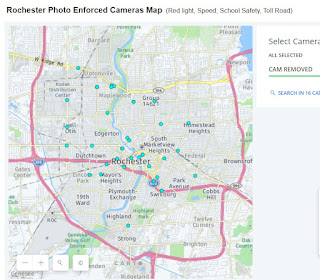
Map of Rochester, New York Red Light Cameras Removed

map of red light cameras removed
Map of red light cameras removed in Rochester, NY

Rochester, New York, has removed a red-light camera program. The program aims to improve traffic safety by deterring red-light violations and reducing the number of accidents at intersections. Up to 50 intersections in Rochester, New York have been turned off.

Under the program, cameras were installed at selected intersections throughout the city. These cameras were capable of capturing images and videos of vehicles that run red lights. When a violation occurs, the recorded evidence is reviewed by law enforcement officials to determine if a citation should be issued.
 

4 Possible Defenses To Fight Red Light Cameras in Court

judget evidence
Defenses To Fight Red Light Cameras in Court

Red light cameras work by triggering a camera as a vehicle passes over a sensor in the intersection when the light is red. The camera takes pictures of the vehicle’s front license plate and driver. A citation is then mailed to the vehicle’s registered owner, supposedly after a police officer checks the photo of the driver against the driver’s license photo of the registered owner.

The Driver Liable, Not the Owner

The law states that the driver, not the vehicle’s owner, is liable for the ticket.  In states where the driver—not necessarily the owner—is responsible for the ticket, and the owner was not driving at the time of the violation, the owner can fill out an affidavit, swearing that he or she wasn’t driving when the violations occurred.  This is what some call a snitch ticket.  Reasons why snitch tickets are not enforced. 

Photos

When you get the pictures sent to you examine them to see if the picture of the driver bears any likeness to you and whether the license plate number can be read clearly.

Was The Camera Working Properly?

The government must present evidence of how the camera works and that it was working properly on the day the citation was issued. The prosecution must also present the camera’s photos showing the vehicle’s license plate and the driver, along with the driver’s license photo of the vehicle’s registered owner.

Defense #1 - Authenticate Photos 

If the images are clear, you can consider mounting the following defense: If no employee from the company that maintains the red light camera device shows up to testify, you should object to the photos being admitted into evidence, saying, “Your Honor, since no one has appeared to authenticate the photographic evidence, I object to such evidence for lack of foundation.” If the photographs are excluded, there is no evidence to convict you. (On the other hand, if the judge allows the photos in evidence over this proper objection, you may later have a basis for an appeal if found guilty.)

Defense #2 - Clarity of Photos 

If the judge allows the photos into evidence but the images are not clear, you can consider challenging the photo’s clarity, arguing that the evidence is not convincing enough to convict you. You should not agree to testify unless you can truthfully say that you were not driving the vehicle at the time the picture was taken.

Defense #3 - Safety

If you ran the red light to avoid a serious collision or harm to others, you can try and make that argument, and it’s possible that the judge may find that you acted out of “necessity,” which may be reason enough to find you not guilty.

Defense #4 - No "Photo Enforced" Sign Posted

In some states, another possible defense to a red light ticket is that of missing or non-visible posted signs that are supposed to warn of photo enforcement. First, read the law carefully to find if your state has laws about such warning signs. If you got the ticket in a state that does have specific rules about where and how such warning signs must be posted, go back to the intersection to investigate whether the signs there comply with the law. If they don’t, and you prove that to the court with photos and diagrams, you have a good chance of beating the ticket.

Are Fines Too High? 

Red light camera violation fines vary from state to state.  There has been some speculation that fines are too high in some states and that cameras are being removed because people refuse to pay the tickets.  Should red light camera fines be lowered in California? 

7 Ways to Avoid Traffic Violation Penalties


Getting a traffic citation will never be an enjoyable experience and you will want to avoid getting one at all costs. You know that there are far better things you will want to spend your money on instead of paying an expensive traffic citation, so here are 7 simple rules you should follow if you want to avoid traffic tickets.

1. Avoid Speeding

This is an obvious rule, you should always be monitoring your speed when you drive. Sometimes we get into “highway hypnosis” and daydream causing us to speed unknowingly, but it is important that you immediately break this habit. Even for those of you who speed purposely, it is important to know that speeding is rarely worth it and it really only saves you time on long destination road trips. Speeding while you are in a city is more likely to get you a costly fine as opposed to saving time on a trip. Ask yourself, is it really worth an expensive fine just to save a few minutes? Speeding will only give the police a great excuse to pull you over and slap you with a citation, just monitor your speed and save yourself the money and time.

2. Focus Further Ahead on the Road

Shifting your focus further ahead while you drive will help you to keep a straighter line. One of the first tips that defensive driving instructors will tell you is that looking further ahead while you drive is safer than following your natural instinct of looking right in front of your vehicle. Looking further ahead will help you navigate potential obstacles or dangerous situations more quickly, as well as keep your vehicle driving in a straight line. Looking right in front of your vehicle will cause you to swerve more, potentially attracting police because they think you are intoxicated. No one wants to have to do a sobriety test on the side of the road.

3. Buy a Radar Detector

Radar detectors work by detecting electromagnetic frequencies of radar guns nearby. The radar detector will alert you by beeping if there is a police officer or speed van nearby. If you truly feel that you cannot break your speeding habit, then purchasing a radar detector will be your best option. This is also a good option for drivers who tend to go into autopilot and find themselves speeding on an accident. Good radar detectors may cost you a few hundred dollars but if you find yourself receiving fines often, it may be a good investment for you. No one wants to condone speeding, but if you want to avoid traffic tickets, this device may help you on the road.

4. Do Not Drive Excessively Under the Limit

A good rule of thumb to follow for avoiding tickets is to blend in with the cars around you. Driving excessively under the speed limit is dangerous and will cause police to single you out. Some people believe that they only have to abide by the speed limit, but driving too slowly impedes traffic. Additionally, driving too slowly in the far left lane is also a crime because it is a passing lane and once again, you will be impeding traffic. It is always advised that you be mindful of the behaviors the other drivers around you are exhibiting. It will be best to drive at the general speed they are, and if you find that people are having to dodge you in traffic you might want to increase your speed a little.

5. Never Drive Under the Influence

Driving under the influence includes alcohol, sedative prescription drugs, and other illicit drugs. If you are weaving in and out of your lane or taking dangerous actions, a police officer can and will pull you over. Driving under the influence is deemed unacceptable by all officers and they are very unlikely to give you any leeway if they catch you. Not only will you likely receive hefty fines, but you risk being arrested and getting criminal charges. With all of the ride-sharing apps available today, there is really no excuse to be driving under the influence. You will be risking the lives of yourself and of others, driving intoxicated is one of the worst mistakes a person can possibly make.

6. Be Respectful to the Officer

Being pulled over is never fun, but you must remember that police officer is simply doing their job by trying to keep the roads safe. Your attitude during the stop could determine whether or not you ultimately receive a ticket. If you are polite and courteous during your interaction with the officer, you may find that they will be willing to offer you some leeway. Police officers are people too, treating them respectfully is a way to get on their good side. Many people advise that you ask the officer if there is any leniency before they walk away from your vehicle after the initial interaction, if you were polite the officer may give you a warning or a lesser penalty, and the worst they can say is no. If you find that you will not be able to get yourself out of a ticket it is advised that you get in contact with a lawyer such as  Traffic Law Potts Lawyers.

7. Make Sure Your Documents are Up to Date

These documents will include your registration, insurance, and state inspections. Police officers are trained to look out for these factors and issue tickets if you are not compliant with the law. Speeding as well as having out-of-date paperwork is a sure way to get pulled over. Many of these infractions come with a hefty fine so just save yourself the time and money and make sure everything is up to date. It is also important that you have all of your paperwork organized so that you can avoid having to fumble through your glovebox and making the officer wait. Anyone would get annoyed if they have to wait to do their jobs because someone is disorganized. If they see that you have everything handy and ready to go, and you are being polite during the traffic stop, they just might offer you some leniency.         

5 Facts About Red Light Tickets in California

red light ticket

Running a red light in California can result in a fine and demerit points on your driving record. Many areas around California now have red-light cameras in place to catch lawbreakers. When you receive one of these red light camera tickets, it's critical that you answer appropriately and quickly.

Here are five things you should know about California red light camera tickets so you can be prepared if you get one.

The majority of red light cameras are operated by third parties.

Outside companies, not the city, install and operate the bulk of red light camera systems in California. As a result, these businesses are compelled to issue tickets to drivers. Vehicle owners may receive unjustified tickets because they are contractually compelled to achieve a minimum number of recorded offenses.

Sensors cause red light camera tickets to be issued.

When a vehicle passes over a sensor when the light is red in an intersection in Los Angeles and most other cities in California, a red-light ticket is issued. The camera then takes a picture of the vehicle's license plate as well as the driver's. Because the camera flashes will go off as you travel through the intersection, you may see that you've been caught running a red light by a camera. A traffic ticket will be mailed to the vehicle's registered owner. The fine amount, visual proof, a copy of the traffic citation, and information on how to dispute the ticket will all be included with the ticket.

Fines for Red Light Camera Tickets

A driver's fines for traffic offenses in California include a base fine plus a range of fees and surcharges, which can significantly increase the total fine amount. The fines and surcharges vary, but you should expect the base fine to be the common starting point.  The base fine for this infraction is $100, but the total increases with additional court costs depending on the county.

The following are the base fines in California for infractions of stoplights and stop signs:
  • Running right through a solid or flashing red light will get you $450-$500 for running red lights.
  • Making an unlawful right turn at a red light costs $250
  • The average fine for rolling through a stop sign is $250 in California. 
Points for Red Light Camera Tickets & Other Consequences

Californians should be informed that, in addition to the fines connected with a stoplight and stop sign infractions, each of these will result in one point being added to their driving records. A license suspension can result from accumulating too many points. Fortunately, completing a course at a California traffic school can help you avoid a red light violation.

Drivers should also be aware that, depending on the circumstances of the offense, a red light or stop sign violation could result in a reckless driving conviction. In the worst-case scenario, a driver could be charged with vehicular manslaughter if one of these violations results in the death of another person.

Your Red Light Camera Ticket Might Be Reduced, Dismissed, or Ignored

You should be aware of the following critical red light ticket factors:

Some red-light tickets are issued by mistake, such as when you make a right-hand turn on red without first coming to a complete stop.

You may be able to keep points off your record or seek to have the fine reduced depending on the type of infraction. To find out, contact someone who knows, such as an attorney or an online traffic school.

According to California law, a citation for a red light camera infraction can only be issued if the driver and license plate are clearly visible.  If you are not the driver of the vehicle in the red light ticket you can ignore the ticket. Read about snitch tickets. 

Not all red light camera tickets require you to take action or come with consequences if you don't pay the fine.

If you receive a red light camera ticket in California, the first line of defense is to get knowledgeable.

Popular Articles (All Time)