Search For Maps & Articles

Showing posts with label Verra Mobility. Show all posts

The Problem with Shorter Yellow Lights in America

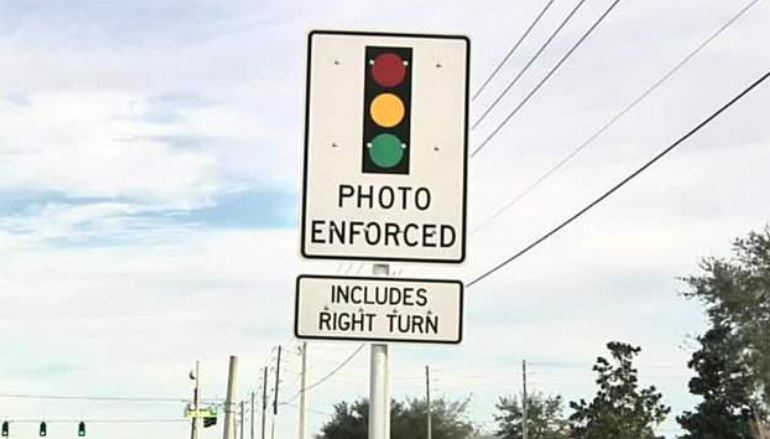
short yellow light

Yellow signals are supposed to give drivers enough time to either brake safely or clear the intersection before red. That window—called the yellow change interval—may sound like a small detail, but it sits at the heart of one of America’s most contentious traffic-safety debates. Across the country, yellow times are set with different rules, formulas, and minimums. In some cities they’ve been nudged shorter—sometimes by just a tenth of a second—coinciding with sharp jumps in red-light camera citations. The result is an uneven patchwork that fuels skepticism: are yellow lights timed for safety first, or to boost fine revenue?

What the engineering guidance actually says

At a high level, federal safety authorities describe the role of the yellow interval and encourage agencies to calculate it carefully, but they don’t mandate a single one-size-fits-all number. The Federal Highway Administration (FHWA) frames the yellow interval as the critical warning that green is ending and red is imminent, and highlights it as a “proven safety countermeasure.” It points agencies to methods for choosing appropriate durations rather than prescribing a single time. Federal Highway Administration

Most U.S. engineers reference guidance from the Institute of Transportation Engineers (ITE), which recommends using a physics-based formula that considers approach speed, driver perception-reaction time, deceleration, and grade. This is meant to create a consistent methodology, but local agencies still decide the inputs and implementation—so two cities can land on different values even at the same posted speed. ITE

States also publish their own standards. For example, Florida’s Traffic Engineering Manual states a minimum of 3.4 seconds and a maximum of 6.0 seconds, but emphasizes that those are minimums and that engineers should increase timing as needed based on ITE methods and real operating speeds. Florida LTAP Center

Why a few tenths of a second matter

Small tweaks produce big effects. At camera-equipped intersections in California’s Bay Area, just half a second more yellow time was linked to a 76% drop in violations—not because drivers suddenly became lawbreakers or saints, but because that extra buffer pulled many out of the “dilemma zone.” When drivers have a fair chance to stop, fewer get snapped entering on red. CBS News

Chicago offers another widely cited illustration. Investigations found some signals ran under the city’s 3.0-second policy, and at one point the city’s ticketing threshold effectively treated 2.9 seconds as good enough. That tenth of a second translated into tens of thousands of extra tickets and roughly $7–8 million of added fines—fueling public distrust and years of scrutiny.  

These examples underline a core truth of traffic engineering: at urban approach speeds, a tenth or two of a second can tip thousands of borderline cases into violations.

States that lengthened yellow—and what happened next

Some states responded to controversy by lengthening yellows at camera intersections. In Georgia, a 2009 law forced a one-second increase in yellow duration wherever red-light cameras operated. Violations—and the surrounding revenue—plunged, and some cities ultimately dropped their camera programs. Georgia also tightened oversight, requiring GDOT to permit and approve camera locations based on safety studies instead of revenue projections. The Newspaper

Florida took a different path. Reporting in 2013 highlighted that state rule changes years earlier removed “whichever is greater” language tied to using either posted or 85th-percentile speeds, which made it easier to set shorter minimums at some camera sites. Subsequent training materials reaffirmed Florida’s floor at 3.4 seconds, but critics point to localized timing reductions along corridors like U.S. 19 (Tampa Bay area) as a cautionary tale about how small cuts can align with large spikes in citations. Law Firm Newswire

The net effect is a patchwork: Georgia explicitly adds time at camera sites; Florida emphasizes a state manual minimum that some cities historically pushed toward the floor; other states leave more discretion to local engineers.

Big-city adjustments and inconsistency

Major metros have wrestled with timing choices in the public eye:

  • Los Angeles paused and ultimately ended its camera program over a decade ago, and conversations shifted toward extending yellow and red-clearance intervals as a safety-first alternative. City discussions at the time flagged how small, low-cost timing changes could reduce crashes without the baggage of automated ticketing. Los Angeles Times

  • In Chicago, scrutiny of sub-3.0-second yellows and unexplained ticket surges spurred audits, policy tweaks, and litigation. The broader lesson—echoed by many traffic engineers—is that when cameras exist, timing must be above reproach. WBEZ

  • Virginia provides a contrast from a technical guidance perspective: VDOT documents spell out the purpose of yellow and red-clearance intervals and the factors engineers should weigh, reinforcing that these are safety parameters, not revenue levers. Virginia Department of Transportation

Why timing can drift short

If the ITE method and state manuals exist, why do yellows sometimes end up shorter than drivers expect?

  1. Posted vs. operating speed: When drivers routinely travel faster than the posted limit, using the limit (instead of the higher, measured operating speed) in the equation can under-time the yellow. That’s why many manuals reference the 85th-percentile speed. ITE

  2. Policy thresholds: Some cities once treated 2.9 seconds as effectively “three” for enforcement thresholds, a rounding choice with real monetary consequences. blogs.kentlaw.iit.edu

  3. Contract and budget pressures: Revenue-sharing models between cities and vendors amplify perceived incentives to keep yellows at the minimum, eroding public trust even when engineers acted in good faith. (Chicago’s broader camera controversies made this dynamic a national story.) TIME

  4. Method disputes: A minority of critics challenge elements of the widely used ITE equation (e.g., assumed deceleration, perception-reaction time), arguing it still yields too-short yellows at many sites. Whether you agree or not, the existence of these disputes shows how inputs drive outcomes. Red Light Robber

Safety outcomes: timing vs. ticketing

There’s broad agreement that properly timed yellow and all-red intervals reduce risky entries and angle crashes. Conversely, tightening the yellow to the bare minimum can push more drivers into last-second decisions—either stamping brakes (raising rear-end risk) or entering on red (raising right-angle risk). FHWA’s emphasis on correct change intervals reflects that timing is a primary countermeasure, not a footnote. Federal Highway Administration

Case studies where yellows were extended—such as Fremont’s 0.5-second bump—consistently show violations fall sharply without changing enforcement technology. That suggests timing is often the simpler, cheaper lever for both safety and public acceptance. CBS News

The U.S. consistency problem

Put it all together and you get inconsistency:

  • Different floors: Florida’s practical floor is 3.4s; many cities cite 3.0s as a baseline; some corridors justify 4.0s+ based on speed/geometry. Cross a city or state line, and the same approach speed might yield a different yellow. Florida LTAP Center

  • Camera exception rules: Georgia explicitly adds one second at camera locations; other states don’t. That means two identical intersections—one in Atlanta, one in Tampa—can have different timings primarily because one has a camera and the other doesn’t. 

  • Enforcement thresholds: Chicago’s experience with a 2.9-second ticketing threshold exemplifies how an internal policy nuance can create a de-facto standard that isn’t obvious to drivers. blogs.kentlaw.iit.edu

This patchwork feeds the perception that yellow timing is sometimes optimized for revenue, not safety—especially when reductions happen quietly and coincide with red-light cameras.

Practical, trust-building fixes cities can adopt now

  1. Use operating speeds (85th percentile) in the calculation, not just posted speeds; document it publicly. ITE

  2. Publish timing sheets for every camera-equipped intersection: approach speed used, grade, perception-reaction time, deceleration rate, selected yellow and red-clearance values. (Several state DOTs already model this transparency in their manuals.) Virginia Department of Transportation

  3. Adopt a safety margin (e.g., +0.3s to +1.0s) on camera approaches—Georgia’s “+1 second” rule is a workable template. The Newspaper

  4. Separate enforcement revenue from transportation budgets so timing and placement decisions are insulated from financial incentives. (Chicago’s history shows why this matters for legitimacy.) TIME

  5. Audit frequently and publicly—especially after signal hardware, detection, or lane geometry changes—to prevent unintentional drift below policy. Federal Highway Administration

Bottom line

Yellow-light timing isn’t a trivial knob; it’s a primary safety control. The U.S. lacks a single national standard for exact durations, so local policy choices and engineering inputs matter enormously. Where those choices skew short—particularly at red-light camera sites—violations and fine revenue soar, trust erodes, and the safety case gets muddied. Conversely, where agencies publish their math, use realistic speeds, add red-clearance time, and err on the side of safety, violations and controversy both tend to fall.

Until cities normalize transparent, safety-first timing, drivers will keep asking the same question at the stop bar: is this yellow here to protect me—or to ticket me?

List of Companies Running Photo-Enforced Camera Programs

Estimated U.S. Market Share (2025)

Photo enforcement—also called automated traffic enforcement—uses cameras and sensors to detect violations like red-light running, speeding, school-bus stop-arm passing, and bus-lane misuse. Cities, counties, school districts, and sometimes private communities contract with specialized vendors to supply the hardware, software, back-office processing, and even the citation workflows that make these programs possible. If you’re researching partners for a new program (or comparing an existing one), this guide profiles the major players, how they operate, and what makes each distinct.

How the business works (in 60 seconds)

Most programs bundle three layers:

  1. Hardware & sensing. Radar, lidar, or vision sensors pair with high-resolution cameras to detect and document infractions across multiple lanes, day and night. Vendors such as Jenoptik, VITRONIC, and Tattile design this equipment and often integrate it into full solutions.

  2. Software & back office. Vendors host evidence portals, automate chain-of-custody, perform plate reads (ALPR/ANPR), and prepare citation packages for law enforcement or administrative review.

  3. Program operations. Many providers run “turnkey” programs: site studies, installation, maintenance, evidence review, mail processing, and customer support—sometimes delivered “as a service” with revenue-share or fee-for-service models.

The companies to know (and why)

Verra Mobility

One of the largest end-to-end operators globally, Verra Mobility runs red-light, speed, school bus stop-arm, and bus-lane programs for more than 300 government agencies. They emphasize full-stack delivery—hardware, software, violations processing, and program analytics. In 2021, Verra Mobility acquired Redflex, expanding its footprint across the U.S. and internationally.

Why it matters: Scale and breadth. If you want a mature, widely deployed solution across multiple enforcement types, Verra Mobility is a default short-list candidate.

Sensys Gatso Group

A long-standing global provider, the company offers fixed, mobile, and managed “Traffic enforcement as a Service” (TRaaS) models that handle the full process from detection to fine notifications while providing agencies with oversight and data access.

Why it matters: Flexible operating models (including TRaaS), deep program experience, and strong international track record.

Jenoptik (Road Safety)

Jenoptik designs TraffiStar and Vector systems for red-light and speed enforcement. Their portfolio spans fixed, mobile, and trailer-based deployments and includes non-invasive options that avoid cutting loops into pavement—useful where roadway disruption must be minimized.

Why it matters: High-quality optics and robust product lines for different use cases (tripods, in-vehicle, semi-stationary trailers).

VITRONIC

Known for POLISCAN lidar, VITRONIC’s systems do multi-lane, contact-free measurement and come in fixed, semi-stationary, and mobile variants. They also support average-speed/section control and remote monitoring to keep fleets online.

Why it matters: Accuracy and versatility. Lidar-based enforcement is attractive where precise multi-lane tracking without in-road sensors is preferred.

Tattile

Tattile is a European camera manufacturer focused on ANPR and enforcement platforms such as Smart+ Speed. Their hardware is widely integrated into tolling, tracking, and speed applications and is often paired with partner software or local operators.

Why it matters: Strong hardware that agencies or systems integrators can incorporate into broader solutions.

RedSpeed

RedSpeed provides automated enforcement programs including red-light, speed, and CrossingShield stop-arm systems for school buses. In the U.S., they market turnkey, violator-funded models; internationally, they supply cameras and software platforms.

Why it matters: School-bus safety specialization and flexible funding models that can lower upfront costs for agencies.

Altumint (Pro ATE)

Altumint positions itself as an AI-driven, end-to-end provider. Its Pro ATE suite covers site analysis, installation, capture, ticket processing, and court dockets—aiming to minimize agency lift.

Why it matters: One-vendor coverage for both technology and administrative workflows.

NovoaGlobal

NovoaGlobal offers photo enforcement for red-light and school-zone speed, plus public-safety integrations. Their systems rely on radar tracking and capture multi-angle evidence with photos and video clips.

Why it matters: Focus on packaged solutions that combine enforcement with broader community safety tools.

Traffic Logix

Traffic Logix is notable for promoting an ownership model—agencies buy and own the cameras rather than entering long revenue-share contracts—while still providing enforcement-grade systems such as the Enforcer Plus. The company also surfaces HOA and private-road use cases.

Why it matters: Alternative economics. Ownership can make long-term costs more predictable and keep more fine revenue with the locality (where law allows).

Snapshot comparison table

Company Core focus Program model(s) Typical deployments / notes
Verra Mobility Full-stack operator Turnkey, end-to-end programs 300+ agencies; expanded globally via Redflex acquisition
Sensys Gatso Global programs & tech Managed TRaaS or traditional Emphasis on service model and workflow coverage
Jenoptik Hardware + solutions Capital purchase; integrator TraffiStar/Vector; fixed/mobile/trailer
VITRONIC Lidar-based speed enforcement Fixed, semi-stationary, mobile POLISCAN; section control; remote monitoring
Tattile ANPR + enforcement cameras Hardware for integrators Smart+ Speed; broad mobility portfolio
RedSpeed Red-light, speed, stop-arm Turnkey, violator-funded CrossingShield; camera/software platforms
Altumint AI-driven end-to-end (Pro ATE) Fully managed Site studies through court dockets
NovoaGlobal Photo enforcement + integration Turnkey Radar-based, multi-angle evidence
Traffic Logix Enforcement with ownership options Purchase/ownership model HOA/private-road adoption; municipal programs

Note: Redflex is now part of Verra Mobility (acquisition closed in June 2021), but the brand is still referenced in older municipal documents.

Choosing a vendor: what to evaluate

1) Legal fit and use cases. Laws vary by state and country (e.g., who can issue citations, signage rules, revenue handling). Vendors with multi-jurisdiction experience can help structure compliant programs and avoid delays.

2) Evidence quality. Ask for sample violation packages from day/night, multi-lane, and adverse weather scenarios. Non-invasive systems (no loops) can simplify installations and maintenance.

3) Program model and economics.

  • Turnkey/TRaaS: Lower staffing needs; predictable per-ticket or per-site fees.

  • Ownership/capital: More control and potentially higher net revenue retention over time. Vendors like Traffic Logix lean into this.

4) Operational reliability. Trailer or mobile options can rapidly address hot spots or work zones. Look for remote monitoring, uptime guarantees, and SLA-backed maintenance.

5) Transparency & public acceptance. Public dashboards, clear signage, grace periods, and education campaigns improve legitimacy. Many cities launch pilot phases first before citations begin.

Trends to watch in 2025

  • Multi-offense detection. Next-gen systems aim to spot speeding, red-light running, bus-lane misuse, and in some regions, even seat-belt or phone-use violations—all within one platform.

  • AI at the edge. More on-camera processing shortens review time and reduces bandwidth needs.

  • Flexible deployments. Semi-stationary trailers and in-vehicle systems let agencies move assets as crash patterns or complaints shift.

  • Private-road enforcement. HOAs and campuses are experimenting with civil-penalty models using enforcement-grade cameras. These do not affect licenses or insurance but can carry local consequences.

FAQ: “Operator” vs “Manufacturer”

Some companies both make equipment and operate programs (for example, Verra Mobility and Sensys Gatso). Others primarily build hardware (such as VITRONIC and Tattile) and then work through integrators or agency-run back offices. Many U.S. cities prefer full-service operators to handle chain-of-custody, mailing, payments, and customer support. If you already have in-house capacity, you might consider buying hardware and running pieces yourself.

The bottom line

If you need a turnkey, proven operator with the scale to support multiple enforcement types across complex jurisdictions, shortlist Verra Mobility and Sensys Gatso. If your priority is best-in-class hardware with flexible integration—especially lidar-based speed enforcement—look closely at VITRONIC, Jenoptik, and Tattile. For school-bus or municipal programs with creative funding or ownership options, compare RedSpeed, Traffic Logix, NovoaGlobal, and Altumint.

No matter which route you take, insist on:

  • rigorous before/after safety metrics,

  • transparent public communications,

  • clear legal authorities and signage plans, and

  • evidence packages that hold up under scrutiny.

This combination—credible vendors, sound economics, and community-minded implementation—makes photo enforcement more effective, fair, and defensible over the long term.

Top U.S. Cities Driving Verra Mobility’s Camera Growth

Where Verra Mobility’s Red-Light & Speed Camera Programs Are Growing Fastest: Q2 2025 Earnings Reveal Regional Leaders 

Top Red Light Camera Companies Ranked by 2024 Revenue

Top Red Light Camera Companies Ranked by 2024 Revenue

Red light camera enforcement has become a major industry driven by the need for traffic safety, automated violations processing, and smart city integration. But which companies lead the market in terms of size and revenue?

Below is a breakdown of the top global and regional red light camera system manufacturers, ranked by their estimated 2024 revenues, including companies like Verra Mobility, Jenoptik, Sensys Gatso, and others.

📊 2024 Red Light Camera Company Revenue Rankings

Rank Company Estimated 2024 Revenue (USD) Notes
1 Swarco Traffic $1.25 Billion Includes broader traffic control, not just red light cameras
2 Jenoptik Group $1.22 Billion Global traffic enforcement and optical tech leader
3 Verra Mobility $879 Million Includes American Traffic Solutions (ATS) and Redflex
4 Iteris Inc. $172 Million ITS sensors and data analytics, not camera-focused
5 Miovision $76 Million Growing in smart city traffic camera deployments
6 Redflex Holdings $75 Million Now part of Verra; still active in some markets
7 Sensys Gatso Group $63 Million Strong European presence in automated enforcement
8 Traffic Logix Not Disclosed Privately held; regional deployments in North America
9 Peek Traffic / PIPS Technology / TrafficVision Not Disclosed Specialized vendors with niche contracts and products

🌐 Who Dominates the Red Light Camera Industry?

The clear revenue leader for enforcement-focused technology is Verra Mobility, which processes millions of speed and red light violations each year for cities like New York, Chicago, Washington D.C., and Phoenix. Verra owns both ATS (American Traffic Solutions) and Redflex, previously its top competitors.

Swarco and Jenoptik lead globally in infrastructure-scale traffic systems, though only a portion of their business involves red light cameras. Their revenues reflect broader ITS deployments such as smart signals, lane control, and LED signage.

Smaller firms like Miovision, Traffic Logix, and Peek Traffic focus on specific municipal or regional contracts and often integrate with broader smart city technologies.

📍 Why This Matters

Understanding which companies lead the red light camera industry is important for:

  • City governments looking to partner with reliable vendors
  • Investors evaluating public firms like Verra Mobility (NASDAQ: VRRM)
  • Citizens and advocates analyzing the spread and impact of traffic enforcement

As the market grows—expected to surpass $2 billion globally by 2033—knowing the major players helps stakeholders understand how automation is shaping traffic safety, surveillance, and privacy.

🔗 Learn More

Tags: red light camera companies, Verra Mobility, traffic enforcement systems, Redflex, Swarco, Jenoptik, speed camera vendors, traffic technology providers, 2024 revenue ranking

Are Traffic Cameras Legal in Los Angeles, California?

Los Angeles red light cameras map

The debate over red light cameras in Los Angeles has been ongoing for more than a decade. As the Los Angeles Board of Police Commissioners prepares to decide whether to approve the LAPD’s request for a new multi-year, multi-million-dollar contract for the city’s Photo Red-Light Program, drivers, taxpayers, and policymakers alike are asking an important question: Are traffic cameras legal in Los Angeles, California, and do they actually work?    Are Traffic Cameras Legal In Los Angeles, California?

This article explores the legal battles, financial controversies, and political disputes surrounding Los Angeles’ red light camera program. We’ll look at who profits, who pays, and why many California cities have abandoned cameras altogether.

LAPD’s Request for a New Contract

The Los Angeles Police Department has asked the city to approve a new contract with American Traffic Solutions (ATS), the Arizona-based vendor currently operating the system. According to the LAPD, the new deal would keep the cameras running for several more years across dozens of busy intersections.

But the numbers don’t look good for the city’s bottom line. Under the proposed agreement, Los Angeles would actually lose a minimum of $1.5 million per year. Critics argue that no safety program should run at such a steep loss, especially when the public continues to question its effectiveness.

Arizona Boycott Controversy

Adding to the drama, ATS is headquartered in Arizona. Years ago, the Los Angeles City Council passed a resolution boycotting Arizona-based companies in protest of the state’s immigration policies. Now, with the LAPD pushing to sign a new deal with ATS, watchdog groups are pointing out the contradiction.

How can the city uphold a boycott while awarding a multi-million-dollar contract to an Arizona company? This inconsistency could sway the vote when commissioners meet to decide the fate of the program.

The Role of Safer Streets L.A.

Safer Streets L.A., a grassroots organization dedicated to motorist safety, has been one of the loudest voices opposing red light cameras in the city. The group argues that the cameras are less about safety and more about revenue generation, punishing drivers while failing to reduce accidents.

According to Safer Streets L.A., there is a growing chance that enough members of the Police Commission Board will reject the LAPD proposal, effectively ending the city’s red light camera program once and for all.

The organization also highlights the questionable ethics of ATS, pointing to reports that the company has engaged in manipulative campaigns designed to sway public opinion in favor of cameras. Publications such as the HeraldNet and Spokesman have reported on similar controversies involving the vendor in other states.

Do Red Light Cameras Improve Safety?

At the core of this debate is the question of whether cameras make streets safer. Studies have shown mixed results:

  • Supporters argue that cameras reduce dangerous T-bone collisions caused by drivers running red lights.

  • Opponents counter that while some collisions decrease, rear-end accidents often increase as drivers slam on their brakes to avoid tickets.

Safer Streets L.A. has published multiple reports claiming that Los Angeles’ red light cameras have not produced measurable safety improvements. Instead, they argue, the program simply transfers money from residents to an out-of-state corporation.

The Cost of Fighting a Ticket

In Los Angeles, getting caught by a red light camera can cost $490 or more once state fees are included. But that’s not all. Many drivers who challenge their citations end up spending thousands in legal fees. Some local traffic attorneys have become experts at fighting camera tickets, often getting them dismissed due to errors in the citation process.

These frequent court challenges are one reason the program is financially unsustainable. If drivers are beating tickets in court, the city and ATS are collecting less money, leaving taxpayers to cover the operating costs.

Why Other California Cities Shut Down Cameras

Los Angeles is not the only California city to face these challenges. In fact, more than 60 cities across the state have already abandoned their red light camera programs after facing similar problems. Cities like Berkeley, Pasadena, and San Diego found that the financial and political costs outweighed the benefits.

Opponents argue Los Angeles should follow suit, ending the program rather than extending it for several more years at a loss.

Legal Questions About Enforceability

Another wrinkle is the question of whether camera tickets are even enforceable under California law. While the state allows photo enforcement programs, courts have ruled that evidence must be reliable and drivers must be properly identified.

In some cases, drivers have successfully argued that mailed citations lack proper legal foundation because the officer who signs them did not personally witness the violation. These arguments, combined with public resentment, have further weakened support for the program.

Ethics and Public Trust

The LAPD and city officials have a responsibility not just to enforce traffic laws, but also to uphold public trust. Partnering with a company accused of questionable lobbying tactics raises concerns about transparency and accountability.

If residents believe cameras are more about money than safety, compliance drops and resentment grows. For programs like this to work, the public must view them as fair and effective.

What Happens Next?

The Los Angeles Board of Police Commissioners is scheduled to hold a meeting at 9:30 a.m. at the Police Administration Building, 100 West 1st Street, Los Angeles, CA. At that meeting, they will vote on whether to approve the LAPD’s request.

If the board votes against the contract, Los Angeles’ red light camera program could be shut down for good. If they approve, the city will continue paying millions to keep the cameras running—despite public opposition and financial losses.

The Bigger Picture

The fight over red light cameras in Los Angeles represents a larger debate happening nationwide. Cities across the United States are grappling with whether automated enforcement is the future of traffic safety or an outdated, ineffective cash grab.

Los Angeles, with its size and influence, could set an example for other municipalities. Ending the program might signal to other cities that it’s time to rethink photo enforcement altogether.

Conclusion

So, are traffic cameras legal in Los Angeles, California? Yes, they are allowed under state law—but legality doesn’t necessarily mean they make sense for the city. Between financial losses, ethical questions, legal challenges, and public opposition, the red light camera program faces a tough road ahead.

The upcoming Police Commission vote will determine whether Los Angeles doubles down on this controversial technology or joins dozens of other California cities in pulling the plug.

One thing is certain: the decision will affect not just drivers, but also the city’s reputation for balancing public safety with fairness and fiscal responsibility.

References:

Spokesman
Againstallclods

The Board of Police Commissioners meeting will take place at 9:30am at the Police Administration Building 100 West 1st Street. LA, CA. Safer Streets L.A. studies regarding red-light cameras can be viewed and downloaded for free at Saferstreetsla.org/reports

How Much Revenue Do Cities Make from Speed Camera Fines?

Many U.S. cities are adopting speed cameras in school zones and high-traffic areas as both safety tools and sources of revenue. But how much of a typical $100 speeding ticket actually stays with the city? The answer varies significantly depending on the speed camera vendor.

Red Light and Speed Camera Vendors in the U.S. – Who Operates Where?

red light camera locations by state

Red light and speed cameras play a significant role in traffic enforcement across the United States. While some advocate for their safety benefits, others raise concerns about their implementation. Central to this discussion are the private vendors responsible for these automated enforcement systems. This guide provides an overview of the top red light and speed camera vendors in the U.S. and highlights their areas of operation.

Top Red Light and Speed Camera Vendors in the U.S.

1. Verra Mobility

  • Headquarters: Mesa, Arizona

  • Markets Served: Over 500 cities across the U.S.

  • Notable Locations:Chicago, IL; New York City, NY; Orlando, FL; Seattle, WA

  • Services: Red light cameras, speed cameras, school bus stop-arm enforcement

Verra Mobility is a leading provider of smart mobility technology solutions. They offer comprehensive red-light safety solutions, including hardware, software, and services to capture violations. Their systems are designed to reduce red-light running and prevent crashes. Vera Mobility

2. Sensys Gatso Group

  • Headquarters: Jönköping, Sweden (U.S. offices in Beverly, Massachusetts)

  • Markets Served: 15+ U.S. states

  • Notable Locations: Albany, NY; Des Moines, IA; Miami-Dade County, FL

  • Services: Speed enforcement, red light cameras, automated traffic enforcement solutions

Sensys Gatso specializes in innovative traffic enforcement solutions. Their T-Series red light system enforces wide intersections with high detection and imaging accuracy, operating independently from traffic signal controllers. 

3. Rekor Systems

  • Headquarters: Columbia, Maryland

  • Markets Served: Expanding across multiple states

  • Notable Locations: Montgomery County, MD; various school zones in Georgia and Texas

  • Services: AI-powered vehicle recognition, speed enforcement, red light detection, license plate readers (LPR)

Rekor Systems offers advanced traffic data collection services, blending traditional techniques with AI-based approaches. Their solutions include AI-based video detection, radar detection, and portable traffic data collection methods.

4. Jenoptik

  • Headquarters: Jena, Germany (U.S. office in Jupiter, Florida)

  • Markets Served: Selected states in the U.S., especially in the Northeast and Florida

  • Notable Locations: Fort Lauderdale, FL; Maryland; Pennsylvania

  • Services: Speed enforcement, red light enforcement, smart city solutions 

Jenoptik provides comprehensive road safety solutions, including mobile, semi-stationary, and stationary speed enforcement systems. Their technology is designed to increase road safety by reducing speeding and red light violations. 

5. Redflex Traffic Systems

  • Headquarters: Formerly Phoenix, Arizona

  • Markets Served: Merged with Verra Mobility in 2021

  • Notable Locations (Pre-Merger): Los Angeles, CA; Newark, NJ; Chicago, IL

  • Services: Red light cameras, speed cameras, mobile enforcement

Redflex was a significant player in the traffic enforcement industry before its acquisition by Verra Mobility in 2021. The merger expanded Verra Mobility's reach and consolidated the market.

Where These Vendors Operate: State and City Breakdown

Here's a snapshot of where the major vendors have contracts:

City/State Vendor Camera Type
Chicago, IL Verra Mobility Speed & Red Light Cameras
New York City, NY Jenoptik Speed Cameras
Miami-Dade County, FL Sensys Gatso Red Light Cameras
Fort Lauderdale, FL Jenoptik Speed Cameras
Montgomery County, MD Rekor Systems School Zone Speed Cameras
Albany, NY Sensys Gatso Speed & Red Light Cameras
Des Moines, IA Sensys Gatso Speed Enforcement
Newark, NJ Verra Mobility (Redflex legacy) Red Light Cameras

Note: Camera vendor contracts may change due to new bids or legislation.

Controversy and Legal Challenges

Many cities have faced public backlash and lawsuits over automated enforcement. Common concerns include:

  • Accuracy and fairness of ticketing

  • Lack of due process for motorists

  • Revenue-sharing models between cities and vendors

  • Disproportionate placement in low-income neighborhoods

Some states have banned or heavily restricted the use of red light and speed cameras altogether, including Texas, New Hampshire, and Mississippi.

Final Thoughts

Whether viewed as safety tools or revenue generators, red light and speed cameras are prevalent in many parts of the U.S. Understanding who operates them and where they're located helps drivers stay informed and potentially avoid costly citations.

Want to know where cameras are in your city?

Check out our growing directory of Speed and Red Light Camera Locations by City for detailed maps and vendor data.

City Councils Exit Costly Verra Mobility Contracts

Leon Valley Photo Enforced sign

Across the United States, city councils are beginning to question the value of their traffic enforcement partnerships with Verra Mobility, one of the largest providers of speed and red-light camera systems in the world. Once promoted as turnkey solutions for improving road safety and generating steady municipal revenue, these contracts are now drawing scrutiny over high costs, profit-sharing arrangements, and growing public resistance.

Why Cities Signed on with Verra Mobility

For years, Verra Mobility pitched municipalities on automated enforcement programs with little upfront cost. The company would install cameras at intersections or school zones, manage ticket processing, and handle collections. In return, cities shared a portion of ticket revenue with the vendor.

The appeal was simple:

  • Increased safety by reducing red-light running and speeding.

  • Revenue streams without requiring new taxes.

  • Operational outsourcing so cities didn’t need to hire staff to manage violations.

Many councils signed multi-year agreements, locking themselves into long-term partnerships.

Growing Concerns About Costs

While these contracts once seemed beneficial, costs have become a major sticking point. City leaders increasingly report that the vendor captures too much of the fine revenue, leaving municipalities with less funding than anticipated for public safety programs.

Key issues include:

  • High per-ticket fees charged by Verra Mobility for processing violations.

  • Escalating contract renewals with built-in price increases.

  • Unequal revenue splits, where cities receive less than half of each fine.

  • Legal challenges that have forced cities to refund millions in tickets, without reimbursement from the vendor.

In some cases, local governments discovered that after paying the company’s share, legal costs, and administrative overhead, the net revenue was negligible—or even negative.

Public Backlash and Legal Challenges

Opposition from residents has also pushed councils to reconsider. Critics argue that:

  • Automated enforcement prioritizes revenue over safety.

  • Camera placements often feel like “speed traps” rather than accident-prevention tools.

  • Errors in ticketing can place financial strain on drivers who may have limited ability to contest.

Several lawsuits across the country have challenged the legality of these programs, particularly around issues of due process, faulty calibration, and lack of officer oversight. In states like Texas and California, public pressure has led to bans or severe restrictions on automated enforcement.

Examples of Cities Reconsidering Contracts

  • Albany, Oregon: Council members have debated whether the city’s program justifies its costs after complaints from drivers and rising contract expenses.

  • Chicago, Illinois: While still under contract, leaders continue to face criticism over revenue-driven enforcement.

  • Small suburban towns in Florida and Colorado have chosen not to renew their contracts, citing high costs and resident dissatisfaction.

These examples highlight a growing trend of municipalities seeking to exit or renegotiate their deals with Verra Mobility.

The Political Shift Against Vendor Lock-in

City councils are also increasingly wary of vendor lock-in. Because Verra Mobility owns and operates much of the hardware and software infrastructure, ending a contract often means dismantling an entire enforcement program. This leaves municipalities in a difficult position—either renew at a high cost or risk losing all camera coverage.

Some councils are now exploring alternative models:

  • Running enforcement programs in-house with city-owned cameras.

  • Partnering with competing vendors offering more favorable revenue splits.

  • Transitioning from camera enforcement to increased traffic patrols.

Financial Transparency and Accountability

A recurring theme in council discussions is the lack of transparency in how much money vendors take versus how much is returned to the community. Open records requests have revealed millions flowing to Verra Mobility, while local budgets see only modest returns.

This imbalance has led to calls for:

  • Independent audits of traffic enforcement revenues.

  • Caps on vendor revenue percentages.

  • Shorter-term contracts that allow cities more flexibility to opt out.

What It Means for Drivers

For drivers, the shifting stance of city councils could mean fewer cameras and fewer automated tickets in the future. However, it may also lead to increased police presence on roads if councils replace cameras with traditional enforcement.

It’s also important for motorists to understand that outstanding tickets remain valid even if a city exits its contract. Fines, late fees, and license implications can still apply until legal action or legislation changes enforcement policies.

Conclusion: The Beginning of the End?

City councils across the country are increasingly skeptical of the long-term value of Verra Mobility contracts. While some programs have succeeded in reducing collisions, the high financial costs, legal risks, and community pushback are making them politically untenable.

As more municipalities demand transparency and explore alternatives, the once-booming business model of outsourced traffic enforcement may face significant downsizing. Whether this shift leads to safer roads—or just fewer tickets—remains to be seen.

LEON VALLEY, Texas – After receiving legal council, Leon Valley city leaders voted to write a letter supporting HB 1209.  The bill looks to void any existing contract that goes against a law passed in 2019 that outlaws the use of red light camera programs in Texas.

How Much of Verra Mobility’s Business Is Cameras?

Verra Mobility logo

Verra Mobility (NASDAQ: VRRM) is a major player in the smart transportation industry, specializing in mobility safety solutions across the U.S. and internationally. One of the most talked-about aspects of its business is its involvement in automated traffic enforcement, particularly red light cameras and speed cameras. But how much of Verra Mobility’s business actually depends on these technologies?

In this article, we’ll break down Verra Mobility’s business model, revenue segments, and what portion comes from red light and speed enforcement.

Verra Mobility’s Core Business Segments

Verra Mobility operates through three main segments:

  1. Government Solutions

  2. Commercial Services

  3. Parking Solutions (through acquisitions like T2 Systems)

Each segment contributes differently to the company’s overall revenue.

1. Government Solutions (Where Red Light and Speed Cameras Fit)

The Government Solutions segment is the home of Verra Mobility’s automated safety enforcement programs, which include:

  • Red light cameras

  • Speed enforcement cameras

  • School bus stop-arm enforcement

  • Traffic violation processing and data analytics

This segment works with municipalities, school districts, and law enforcement agencies to deploy camera-based systems that enforce traffic laws and enhance public safety.

💡 As of the most recent financial reporting, the Government Solutions segment accounts for approximately 35–40% of Verra Mobility’s total revenue.

How Much Comes From Red Light and Speed Cameras?

While Verra Mobility doesn’t explicitly break down red light vs. speed camera revenue in public filings, both are key pillars of the Government Solutions segment.

Key insights:

  • According to the company’s investor presentations and 10-K filings, automated enforcement programs account for the majority of the Government Solutions segment.

  • Among these programs, speed and red light enforcement are the dominant sources, followed by school bus stop-arm violations.

  • In cities like Chicago, New York, and Washington D.C., Verra Mobility has large-scale contracts operating both types of camera systems.

📈 Based on industry research and company disclosures:

  • Red light and speed cameras likely represent 70–80% of Government Solutions revenue, or roughly 25–30% of total company revenue.

Growth Outlook for Automated Traffic Enforcement

Verra Mobility has consistently highlighted growth opportunities in:

  • U.S. state and municipal contracts for automated traffic enforcement

  • Expanding international deployments

  • Enhanced AI and cloud-based analytics

With rising urban traffic and safety concerns, the use of automated enforcement is expected to grow—positioning Verra Mobility for continued expansion in this segment.

Takeaway: Cameras Are a Big Piece of the VRRM Puzzle

If you're an investor, policymaker, or simply curious about traffic tech, here's the bottom line:

✅ Red light and speed cameras are central to Verra Mobility’s business, likely making up around 25–30% of total revenue through its Government Solutions segment.

These programs not only drive recurring revenue from cities and states but also align with broader public safety initiatives, making them both financially and socially significant to Verra Mobility’s long-term strategy.

FAQs

Is Verra Mobility the largest red light/speed camera company in the U.S.?

Yes, Verra Mobility is considered a leading provider of automated traffic enforcement in North America.

Does Verra Mobility operate speed cameras in every state?

No. The company operates in selected jurisdictions where local laws permit automated enforcement.

Is revenue from red light cameras growing or shrinking?

It’s growing moderately, as more cities adopt speed and red light camera programs, particularly in school zones and high-risk intersections.

Final Thoughts

Understanding how much of Verra Mobility’s business depends on red light and speed cameras gives insight into the company’s revenue stability, growth potential, and its critical role in modern traffic safety infrastructure.

If you're researching Verra Mobility for investment or civic policy, keep an eye on trends in automated enforcement—they’re not just profitable; they’re part of a larger shift in smart city infrastructure.

For more information, visit www.verramobility.com.

Unpaid Red Light Camera Tickets in Pueblo, Colorado

Pueblo police logo

Red light camera enforcement in Pueblo, Colorado, was introduced with the promise of safer streets and a self-sustaining revenue stream. The city expected that fines collected from violations would cover the costs of leasing and maintaining the equipment while helping to fund public safety initiatives. But reality has proven far more complicated. A significant share of tickets went unpaid, leaving Pueblo with a shortfall that raised questions about the long-term viability of the program.

The Financial Strain of Unpaid Tickets

City leaders quickly discovered that roughly 20 percent of tickets issued by the red light cameras were not being paid. That unpaid balance left Pueblo with a budget deficit of about $20,000. Instead of generating a surplus for safety programs, the cameras became a financial burden.

Pueblo leases three red light camera units from a private vendor at a cost of about $15,000 per month. Over the course of just six months, lease payments totaled $90,000, while actual collections from fines amounted to only around $70,000. The gap revealed a core weakness in the program: it depended entirely on near-perfect compliance to break even.

Why Drivers Don’t Pay

The unpaid ticket problem in Pueblo reflects broader national trends. Drivers choose not to pay their red light camera fines for several reasons:

  • Financial hardship. Even modest fines can be a strain on families living paycheck to paycheck.

  • Disagreement with the program. Some drivers refuse to pay on principle, seeing red light cameras as unfair or unconstitutional.

  • Administrative challenges. Notices may not always reach the correct person, particularly if vehicle registrations are outdated or the car has changed hands.

  • Weak enforcement tools. Without strong mechanisms such as registration holds or credit reporting, some drivers simply gamble that nothing will happen if they ignore the fine.

The combination of these factors makes it difficult for cities like Pueblo to achieve high compliance rates.

The Broader Impact of Unpaid Fines

Unpaid red light camera tickets carry more than just financial consequences for city budgets. They also create problems of fairness, credibility, and enforcement consistency.

  1. Budget Deficits: Cities often plan around the assumption that revenue from tickets will cover costs. When large numbers go unpaid, taxpayers may end up subsidizing programs that were supposed to pay for themselves.

  2. Credibility Issues: Officials who promised that the cameras would be self-funding and improve safety risk losing public trust when the math doesn’t add up.

  3. Public Safety vs. Profit: When revenue shortfalls dominate the conversation, the original safety purpose of the program can appear secondary.

  4. Unequal Burden: Those who pay their fines shoulder the full cost of compliance, while those who refuse effectively avoid punishment if enforcement mechanisms are weak.

Pueblo as a Case Study

Pueblo’s experience demonstrates the challenges small and mid-sized cities face with automated enforcement. Unlike larger metro areas with broader tax bases and enforcement infrastructure, smaller cities often cannot absorb large amounts of unpaid fines. The result is a cycle in which the cost of leasing and maintaining cameras outweighs the collected revenue, forcing officials to reconsider whether the program is financially sustainable.

What Pueblo Could Teach Other Cities

The Pueblo example highlights several lessons for other jurisdictions:

  • Plan for Nonpayment: Cities should budget with the expectation that a portion of fines will go uncollected. Overly optimistic revenue projections can create financial shortfalls.

  • Strengthen Enforcement: Options like vehicle registration holds, liens, or partnerships with state agencies can increase collection rates.

  • Focus on Safety Metrics: Programs should be judged by their impact on reducing crashes, not by how much revenue they bring in. If cameras prevent accidents, their value extends beyond dollars.

  • Transparency Matters: Public trust depends on clear communication about where revenue goes, how much is collected, and how safety is measured.

The Bigger Picture

Across the country, unpaid red light camera tickets are an increasing problem. Nationally, some cities report collection rates under 80 percent, meaning one in five tickets goes unresolved. For larger cities with higher ticket volumes, this can represent millions in lost revenue. For smaller cities like Pueblo, it can be the difference between a sustainable safety program and a financial liability.

The debate over red light cameras often centers on fairness, revenue, and safety. But the Pueblo case shows that unpaid fines are at the heart of the controversy. If enforcement cannot ensure compliance, then the cameras risk losing their credibility both as a safety measure and as a financial tool.

Conclusion

Unpaid red light camera tickets in Pueblo, Colorado, turned a program meant to improve safety and generate revenue into a budget shortfall. With nearly one in five tickets going unpaid, the city found itself covering costs it had expected violators to pay. Pueblo’s experience serves as a warning to other communities: unless strong enforcement tools are in place and realistic collection rates are assumed, red light cameras may become more of a liability than an asset.

Illinois Lawmakers Have Considered Statewide Bans on Red Light Cameras

no red light camera sign

Lawmakers in Springfield, Illinois are set to debate a new bill this week that could lead to a statewide ban on automated red light cameras—a move that may dramatically change how traffic enforcement is handled across the state.

Proposed Bill Could Eliminate Red Light Cameras in Illinois

The legislation, which has garnered bipartisan support from both leading Republicans and Democrats, seeks to eliminate the authority of counties and municipalities to use automated red light cameras. These systems, which automatically issue tickets to drivers who enter intersections after the light turns red, have been widely deployed throughout Chicago and its suburbs.

What remains unclear is whether the proposed ban would apply only to new camera installations or if existing red light cameras would be removed as well. Historically, similar efforts in other states have allowed existing contracts with camera vendors—such as Redflex and American Traffic Solutions (ATS)—to run their course before requiring removal.

Illinois Among the Top States for Red Light Cameras

According to PhotoEnforced.com, Illinois is one of the fastest-growing states for red light camera usage. The site tracks the growth of traffic enforcement cameras nationwide, and its open database reports over 700 monitored intersections across Illinois. More than two-thirds of those are located in Chicago, making it one of the most heavily monitored cities in the country.

The Ongoing Debate: Safety vs. Revenue

Supporters of red light cameras argue that they help reduce traffic collisions, especially at high-risk intersections. They claim the threat of a ticket encourages safer driving behavior and saves lives.

However, opponents argue that the cameras are more about generating revenue than improving road safety. Many critics cite short yellow light times and lack of due process as reasons to discontinue their use. Others point to data suggesting that while T-bone accidents may decline, rear-end collisions often increase due to sudden braking at camera-equipped intersections.

What's Next?

The outcome of Tuesday’s legislative session could determine the future of automated traffic enforcement in Illinois. If the bill passes, it may set a precedent for other states considering similar bans.

Drivers, local governments, and traffic safety advocates across Illinois will be closely watching to see whether lawmakers prioritize public safety or choose to pull the plug on a controversial enforcement tool.

Did You Get a Photo Enforced Ticket? I Saw A Flash

i saw a flash, did I get a ticket

Four of the most common questions I receive from visitors are the following with regards to “I saw a flash, did I get a photo enforced ticket?”  

Seeing a sudden flash while driving can be unnerving. Many drivers immediately worry: “Did I just get a photo enforced ticket?” Modern traffic enforcement technology makes it hard to know in the moment. However, most flashes do not lead to citations. Understanding how red-light and speed cameras operate can help drivers make sense of what they saw and whether to expect a ticket in the mail.

This article breaks down the most common scenarios, explains what a camera flash really means, how tickets are issued, and what steps drivers can take if they believe they were wrongly cited.

Common Questions Drivers Ask After Seeing a Flash

red light camera

1. I Saw a Flash When Making a Left Turn

Many drivers are startled when they see a flash during a left-hand turn at an intersection. Typically, a red-light violation occurs only if a vehicle enters the intersection after the light turns red. If you had already crossed the stop line before the signal changed, no violation occurred—even if the camera flashed. Some flashes are triggered by motion or mis-detection, but officers reviewing the footage will dismiss the case if you were legally in the intersection.

2. I Saw a Flash When Turning Right on Red

Right-on-red turns are another source of confusion. Most states allow right turns after a complete stop unless otherwise posted. If you stopped fully before making your turn, you are unlikely to receive a citation. However, if the video shows that you “rolled through” without stopping, that can trigger a legitimate ticket. Cameras record several frames, so the reviewing officer will check if your wheels came to a full stop.

3. I Was Stuck in the Middle of the Intersection

Sometimes traffic ahead stops suddenly, leaving you stranded in the intersection when the light changes. In most jurisdictions, this is not the same as running a red light. While being caught “blocking the box” may result in a separate fine in certain cities, it does not automatically trigger a red-light violation. Again, human reviewers decide whether to issue a ticket, and most dismiss cases where drivers were clearly trapped by traffic conditions.

4. I Stopped Over the Crosswalk Line

Stopping with your front bumper or wheels slightly past the white crosswalk line often sets off sensors, but it usually does not result in a violation. Enforcement systems are designed to penalize drivers who proceed through the intersection against the light, not those who stop a few feet beyond the designated line. Reviewers typically disregard these incidents unless the car continued fully through the red light.

How Long Does It Take to Get a Ticket?

If a violation is confirmed, the ticket is normally mailed within five business days to the registered vehicle owner. In some states, the timeframe may be a little longer, but in most cases, if you haven’t received anything within two weeks, you probably won’t. The mailed citation typically includes:

  • Photographs of the vehicle at the intersection

  • A link to view video footage online

  • The date, time, and location of the incident

  • Instructions for payment or contesting the ticket

Flash ≠ Automatic Ticket

One of the biggest misconceptions is that a flash guarantees a citation. In reality:

  • A flash from a traffic signal is not always from a red-light camera.

  • Speed camera flashes indicate speed was recorded, but a citation depends on thresholds (e.g., 10 mph over the limit).

  • Many cameras don’t flash at all. Municipalities often prefer non-flashing cameras to avoid alerting drivers in real time.

The flash is best thought of as an indicator, not confirmation. Officers must review and approve each potential violation before mailing tickets.

Why Some Cameras Flash and Others Don’t

Camera technology varies. Some older systems rely on visible flashes to capture clear images at night. Newer cameras use infrared technology, which is invisible to the human eye. Cities often choose non-flashing systems because drivers are less likely to contest or avoid them. This means that even if you didn’t see a flash, a violation may still have been recorded.

What Happens If You Receive a Ticket?

If you do receive a notice, you typically have three options:

  1. Pay the Fine – The simplest but costliest choice. Fines for red-light violations often range from $75 to $500 depending on the state.

  2. Contest in Court – Drivers can argue that the system malfunctioned, the driver wasn’t identifiable, or a legal exception applied (such as yielding to emergency vehicles).

  3. Request a Hearing by Mail or Online – Many cities allow appeals without requiring an in-person court appearance.

Legal experts note that a significant percentage of contested tickets are dismissed, especially in cases involving questionable identification or ambiguous footage.

Why Not Every Flash Results in a Ticket

There are several reasons why most flashes do not turn into violations:

  • Speed threshold requirements – Many systems won’t issue tickets unless the vehicle exceeds a set speed while crossing the stop line.

  • Human review process – Officers reject tickets when evidence is inconclusive.

  • Legal protections – Some states have strict rules requiring positive driver identification, which can be difficult from camera footage alone.

  • Technical errors – Glitches, sensor malfunctions, or weather conditions can cause false triggers that get thrown out during review.

The Rise of Speed Cameras

Beyond red-light enforcement, many cities are expanding speed camera programs. These cameras monitor specific corridors—often near schools or work zones—and are calibrated to issue tickets only when speeds exceed a certain threshold. A speed camera flash is more likely to result in a ticket than a red-light camera flash, but even here, an officer must confirm the evidence before mailing a citation.

Public Debate Over Photo Enforcement

Red-light and speed cameras remain controversial. Supporters argue they:

  • Improve safety by reducing T-bone crashes at intersections

  • Free up police resources for other priorities

  • Provide objective, photographic evidence

Critics counter that:

  • They act more as revenue generators than safety tools

  • Some systems are prone to errors or unfair targeting

  • Outsourcing enforcement to private vendors raises transparency concerns

This ongoing debate has led some cities to ban or restrict their use, while others expand programs to cover more intersections.

FAQs About Camera Flashes and Tickets

Q: Does every camera flash mean I broke the law?
A: No. Flashes can be triggered by multiple factors, and most do not result in citations.

Q: Can I get a ticket if the car was not mine?
A: Tickets are mailed to the registered owner, but if someone else was driving, many states allow you to submit an affidavit identifying the actual driver.

Q: Are tickets always mailed?
A: Yes. If a violation is confirmed, notices are mailed to the registered owner. Officers do not stop drivers on the spot in photo enforcement cases.

Q: What if I didn’t see a flash?
A: Many cameras don’t use visible flashes, so you may still receive a ticket even if you never saw one.

Q: Can I check online before I get a ticket?
A: Some municipalities provide portals where drivers can enter their plate number to check for pending violations, but this is not universal.

Final Thoughts

If you saw a flash at an intersection or along a roadway, don’t panic. Most flashes do not lead to citations. A ticket is only issued after evidence is carefully reviewed and confirmed. Knowing the common scenarios—left turns, right turns, blocked intersections, or stopping past the line—can provide peace of mind, since most are not violations. If a ticket does arrive, drivers have the right to contest it and often succeed in having it dismissed.

Understanding how photo enforcement works makes it easier to respond calmly when that sudden flash catches your eye.

Stop Sign Photo Enforced Camera Locations


Photo enforcement cameras at stop signs—devices that detect vehicles failing to stop fully—are becoming increasingly common in parts of the U.S. As traffic safety concerns mount, municipalities are turning to automated cameras to enforce compliance. But where exactly are these cameras located? How do jurisdictions decide where to put them? What are the impacts and legal issues? This article covers real examples, location criteria, benefits and controversies, and what to do if you suspect you’re being monitored.

What Are Stop Sign Photo Enforcement Cameras?

These systems use cameras aimed at intersections to capture images of vehicles that do not come to a complete stop at a stop sign. Key features include:

  • Trigger condition when a vehicle crosses the stop line without a full halt

  • Photograph and/or video of the vehicle and license plate

  • Automated detection or manual review before issuing a violation notice

  • Signage or notification where legally required

They differ from red-light or speed-camera systems in that they specifically focus on stop signs.

Why Use Stop-Sign Cameras

Municipalities deploy them to:

  • Reduce collisions and near-misses at dangerous intersections

  • Improve pedestrian safety, especially near schools and neighborhoods

  • Encourage consistent driver compliance

  • Supplement law enforcement when officer presence is limited

Where These Cameras Are Located: Real-World Examples

Jurisdiction Specific Locations / Details
Brentwood, Maryland Stop sign cameras at multiple intersections including Utah Avenue & 40th Street, Allison Street & 37th Street, and 38th Street at Volta Avenue.
Prince George’s County, Maryland Towns like Morningside and Colmar Manor installed several cameras after new authorization. Morningside has six sites, Colmar Manor three.
College Park, Maryland Pilot program with cameras at Cherokee Street & 49th Avenue, Rhode Island Avenue & Lakeland Road, and St. Andrews Place & Duke Street. These initially collected data without issuing citations.
Washington, D.C. The city’s Automated Safety Camera program includes stop-sign enforcement, with stationary camera sites across the District.

These examples show the range from pilots collecting data to full enforcement issuing citations.

How Locations Are Chosen

Authorities consider several factors when selecting stop-sign camera locations:

  1. Crash data and violation history – Intersections with repeated stop sign running or accidents.

  2. Pedestrian zones – Areas near schools or heavy foot traffic.

  3. Visibility – Ensuring the stop sign is clearly seen by drivers.

  4. Legal authority – Compliance with local or state laws permitting camera use.

  5. Technology – Reliable sensors and calibration standards.

  6. Public input – Community forums or city council approvals.

Legal and Policy Issues

Stop-sign camera enforcement is still developing, raising legal and policy questions:

  • Statutory authority: In many places, explicit authorization is required before tickets can be issued.

  • Evidence standards: Authorities must prove the vehicle failed to stop completely and that signage was visible.

  • Privacy concerns: Residents worry about constant surveillance in neighborhoods.

  • Grace periods: Questions over whether a vehicle must be completely still or if slow rolling is acceptable.

  • Warning signs: Some states require visible notices where enforcement cameras operate.

  • Appeals process: Drivers need fair procedures to contest citations.

Impact and Early Results

Early data shows stop-sign cameras can significantly reduce violations:

  • In Morningside and Colmar Manor, Maryland, stop-sign running dropped by nearly 50% after cameras were installed.

  • In Washington, D.C., eight stop-sign cameras recorded more than 120,000 citations in one year.

These numbers suggest strong deterrence, though critics argue revenue collection is a hidden motive.

States and Localities Permitting Stop Sign Cameras

The legal status varies widely:

  • Maryland: Several counties and towns have programs or pilots.

  • Washington, D.C.: Fully integrated into the city’s automated enforcement program.

  • Other states: Few have explicit stop-sign camera programs, though pilot studies are expanding.

Some states may resist adoption due to privacy concerns, lack of legislation, or strong local opposition.

Pros and Cons

Pros Cons
Improves safety by reducing violations and crashes Risk of false positives and unfair penalties
Encourages better compliance near schools and residential areas Raises privacy and surveillance concerns
Reduces enforcement costs and reliance on police officers Public perception of revenue-driven enforcement
Provides data on dangerous intersections Legal challenges over accuracy and fairness

What To Do If You Suspect a Stop Sign Camera Nearby

  1. Check city or police websites – Many publish enforcement camera locations.

  2. Look for signage – Warning signs are often posted near enforced intersections.

  3. Review meeting minutes – Local councils often discuss new enforcement programs.

  4. Observe intersections – Look for mounted cameras, poles, or solar units.

  5. Check news sources – Local coverage frequently highlights new enforcement.

  6. If you receive a citation – Review the evidence, signage, and appeal if necessary.

Enforcement and Penalties

  • Usually civil fines rather than criminal offenses

  • Fines range from $50 to $200 depending on the city

  • Some jurisdictions give warnings during early pilot phases

  • Many do not add points to a driving record, but this depends on state law

  • Appeals processes often allow review of photos or video evidence

Future Trends and Technology

  • AI and smarter sensors may reduce false positives.

  • Expansion of pilots into new states and cities is expected as early data shows safety improvements.

  • Public awareness campaigns may help residents understand the safety goals.

  • Legislative updates could standardize rules and penalties for photo enforcement.

Summary

Stop sign cameras are a growing tool for municipalities looking to reduce violations and crashes. Locations in Maryland and Washington, D.C. show how they are used in practice, with significant reductions in stop-sign running. However, legal hurdles, privacy concerns, and public perception issues remain challenges.

Conclusion

If you wonder whether a stop sign camera is near you, check local government resources, observe signage, and follow news updates. While not as widespread as red-light cameras, stop-sign enforcement technology is spreading as communities seek new ways to improve safety. Staying aware of these programs helps drivers remain compliant and avoid costly fines.

Popular Articles (All Time)