Search For Maps & Articles

Showing posts with label revenue. Show all posts

The Problem with Shorter Yellow Lights in America

short yellow light

Yellow signals are supposed to give drivers enough time to either brake safely or clear the intersection before red. That window—called the yellow change interval—may sound like a small detail, but it sits at the heart of one of America’s most contentious traffic-safety debates. Across the country, yellow times are set with different rules, formulas, and minimums. In some cities they’ve been nudged shorter—sometimes by just a tenth of a second—coinciding with sharp jumps in red-light camera citations. The result is an uneven patchwork that fuels skepticism: are yellow lights timed for safety first, or to boost fine revenue?

What the engineering guidance actually says

At a high level, federal safety authorities describe the role of the yellow interval and encourage agencies to calculate it carefully, but they don’t mandate a single one-size-fits-all number. The Federal Highway Administration (FHWA) frames the yellow interval as the critical warning that green is ending and red is imminent, and highlights it as a “proven safety countermeasure.” It points agencies to methods for choosing appropriate durations rather than prescribing a single time. Federal Highway Administration

Most U.S. engineers reference guidance from the Institute of Transportation Engineers (ITE), which recommends using a physics-based formula that considers approach speed, driver perception-reaction time, deceleration, and grade. This is meant to create a consistent methodology, but local agencies still decide the inputs and implementation—so two cities can land on different values even at the same posted speed. ITE

States also publish their own standards. For example, Florida’s Traffic Engineering Manual states a minimum of 3.4 seconds and a maximum of 6.0 seconds, but emphasizes that those are minimums and that engineers should increase timing as needed based on ITE methods and real operating speeds. Florida LTAP Center

Why a few tenths of a second matter

Small tweaks produce big effects. At camera-equipped intersections in California’s Bay Area, just half a second more yellow time was linked to a 76% drop in violations—not because drivers suddenly became lawbreakers or saints, but because that extra buffer pulled many out of the “dilemma zone.” When drivers have a fair chance to stop, fewer get snapped entering on red. CBS News

Chicago offers another widely cited illustration. Investigations found some signals ran under the city’s 3.0-second policy, and at one point the city’s ticketing threshold effectively treated 2.9 seconds as good enough. That tenth of a second translated into tens of thousands of extra tickets and roughly $7–8 million of added fines—fueling public distrust and years of scrutiny.  

These examples underline a core truth of traffic engineering: at urban approach speeds, a tenth or two of a second can tip thousands of borderline cases into violations.

States that lengthened yellow—and what happened next

Some states responded to controversy by lengthening yellows at camera intersections. In Georgia, a 2009 law forced a one-second increase in yellow duration wherever red-light cameras operated. Violations—and the surrounding revenue—plunged, and some cities ultimately dropped their camera programs. Georgia also tightened oversight, requiring GDOT to permit and approve camera locations based on safety studies instead of revenue projections. The Newspaper

Florida took a different path. Reporting in 2013 highlighted that state rule changes years earlier removed “whichever is greater” language tied to using either posted or 85th-percentile speeds, which made it easier to set shorter minimums at some camera sites. Subsequent training materials reaffirmed Florida’s floor at 3.4 seconds, but critics point to localized timing reductions along corridors like U.S. 19 (Tampa Bay area) as a cautionary tale about how small cuts can align with large spikes in citations. Law Firm Newswire

The net effect is a patchwork: Georgia explicitly adds time at camera sites; Florida emphasizes a state manual minimum that some cities historically pushed toward the floor; other states leave more discretion to local engineers.

Big-city adjustments and inconsistency

Major metros have wrestled with timing choices in the public eye:

  • Los Angeles paused and ultimately ended its camera program over a decade ago, and conversations shifted toward extending yellow and red-clearance intervals as a safety-first alternative. City discussions at the time flagged how small, low-cost timing changes could reduce crashes without the baggage of automated ticketing. Los Angeles Times

  • In Chicago, scrutiny of sub-3.0-second yellows and unexplained ticket surges spurred audits, policy tweaks, and litigation. The broader lesson—echoed by many traffic engineers—is that when cameras exist, timing must be above reproach. WBEZ

  • Virginia provides a contrast from a technical guidance perspective: VDOT documents spell out the purpose of yellow and red-clearance intervals and the factors engineers should weigh, reinforcing that these are safety parameters, not revenue levers. Virginia Department of Transportation

Why timing can drift short

If the ITE method and state manuals exist, why do yellows sometimes end up shorter than drivers expect?

  1. Posted vs. operating speed: When drivers routinely travel faster than the posted limit, using the limit (instead of the higher, measured operating speed) in the equation can under-time the yellow. That’s why many manuals reference the 85th-percentile speed. ITE

  2. Policy thresholds: Some cities once treated 2.9 seconds as effectively “three” for enforcement thresholds, a rounding choice with real monetary consequences. blogs.kentlaw.iit.edu

  3. Contract and budget pressures: Revenue-sharing models between cities and vendors amplify perceived incentives to keep yellows at the minimum, eroding public trust even when engineers acted in good faith. (Chicago’s broader camera controversies made this dynamic a national story.) TIME

  4. Method disputes: A minority of critics challenge elements of the widely used ITE equation (e.g., assumed deceleration, perception-reaction time), arguing it still yields too-short yellows at many sites. Whether you agree or not, the existence of these disputes shows how inputs drive outcomes. Red Light Robber

Safety outcomes: timing vs. ticketing

There’s broad agreement that properly timed yellow and all-red intervals reduce risky entries and angle crashes. Conversely, tightening the yellow to the bare minimum can push more drivers into last-second decisions—either stamping brakes (raising rear-end risk) or entering on red (raising right-angle risk). FHWA’s emphasis on correct change intervals reflects that timing is a primary countermeasure, not a footnote. Federal Highway Administration

Case studies where yellows were extended—such as Fremont’s 0.5-second bump—consistently show violations fall sharply without changing enforcement technology. That suggests timing is often the simpler, cheaper lever for both safety and public acceptance. CBS News

The U.S. consistency problem

Put it all together and you get inconsistency:

  • Different floors: Florida’s practical floor is 3.4s; many cities cite 3.0s as a baseline; some corridors justify 4.0s+ based on speed/geometry. Cross a city or state line, and the same approach speed might yield a different yellow. Florida LTAP Center

  • Camera exception rules: Georgia explicitly adds one second at camera locations; other states don’t. That means two identical intersections—one in Atlanta, one in Tampa—can have different timings primarily because one has a camera and the other doesn’t. 

  • Enforcement thresholds: Chicago’s experience with a 2.9-second ticketing threshold exemplifies how an internal policy nuance can create a de-facto standard that isn’t obvious to drivers. blogs.kentlaw.iit.edu

This patchwork feeds the perception that yellow timing is sometimes optimized for revenue, not safety—especially when reductions happen quietly and coincide with red-light cameras.

Practical, trust-building fixes cities can adopt now

  1. Use operating speeds (85th percentile) in the calculation, not just posted speeds; document it publicly. ITE

  2. Publish timing sheets for every camera-equipped intersection: approach speed used, grade, perception-reaction time, deceleration rate, selected yellow and red-clearance values. (Several state DOTs already model this transparency in their manuals.) Virginia Department of Transportation

  3. Adopt a safety margin (e.g., +0.3s to +1.0s) on camera approaches—Georgia’s “+1 second” rule is a workable template. The Newspaper

  4. Separate enforcement revenue from transportation budgets so timing and placement decisions are insulated from financial incentives. (Chicago’s history shows why this matters for legitimacy.) TIME

  5. Audit frequently and publicly—especially after signal hardware, detection, or lane geometry changes—to prevent unintentional drift below policy. Federal Highway Administration

Bottom line

Yellow-light timing isn’t a trivial knob; it’s a primary safety control. The U.S. lacks a single national standard for exact durations, so local policy choices and engineering inputs matter enormously. Where those choices skew short—particularly at red-light camera sites—violations and fine revenue soar, trust erodes, and the safety case gets muddied. Conversely, where agencies publish their math, use realistic speeds, add red-clearance time, and err on the side of safety, violations and controversy both tend to fall.

Until cities normalize transparent, safety-first timing, drivers will keep asking the same question at the stop bar: is this yellow here to protect me—or to ticket me?
Do You Still Have to Pay That LA Red Light Camera Ticket?

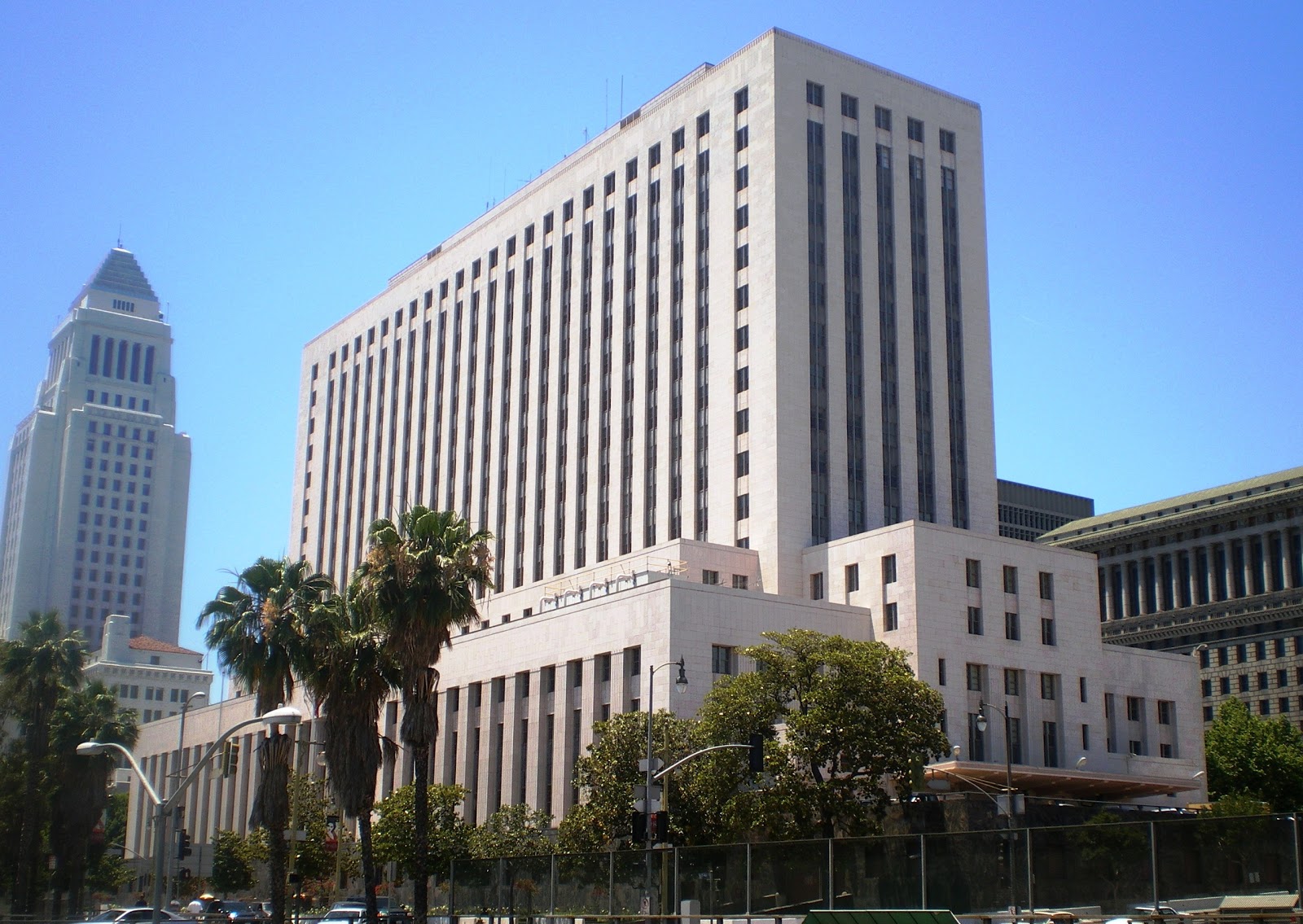
LA Court House Building

Even if Los Angeles shuts down red light cameras, don’t forget about the ticket you already have. Are Traffic Cameras Legal In Los Angeles, California? The Los Angeles City Council has announced plans to stop using cameras to enforce red-light violators at numerous intersections throughout the city. While many are rejoicing that the cameras may be shut down, don’t forget about the red light camera ticket you currently have! The program’s end would prevent future red light camera tickets from being issued. However, don’t assume that any current red light camera tickets you already have from the City of Los Angeles will just automatically vanish. If the current system ends, these tickets may still be prosecuted. To avoid potential problems, follow up on any outstanding tickets. You can always check the court website to confirm if your ticket is still active or closed. Remember: if the ticket is filed and active with the court before the program ends, it likely won’t be dropped. If you don’t follow up, it could go to collections or, in some cases, be referred to the DMV.

1. Status of Red Light Cameras in Los Angeles

The city officially ended its traditional red light camera enforcement program, but surrounding areas such as Beverly Hills, Culver City, and West Hollywood continue to operate cameras. This means that while LA proper has shut down its system, drivers in nearby jurisdictions can still receive tickets. Some cameras remain active on transit or rail corridors under different jurisdictions, which can still lead to citations even if the citywide program is gone.

2. What Happens to Old Tickets?

Ending the program does not erase existing violations. Courts treat red light camera tickets as legal proceedings. If a citation was already filed in court, it remains active until it is resolved. That means ignoring the ticket could still result in referral to collections agencies, potential negative impact on your credit, or referral to the DMV depending on court discretion. In other words, while new tickets may not be issued by LA, the old ones don’t simply disappear.

3. Should LA Have Shut Down the Cameras?

We would like your opinion: do you think LA should shut down the cameras? Critics point out that Los Angeles was losing money on red light cameras, with operating costs sometimes outweighing the fines collected. Non-profits and community advocates have argued that photo enforcement is not the best use of city resources. They highlight that signal timing enhancements alone have been shown by the LAPD and LADOT to improve intersection safety — often without the controversy that cameras generate.

4. California’s Current Legal Landscape

Red light cameras remain legal in California as of 2025, though the rules are strict. For a citation to hold up in court the photo must clearly show the driver’s face and the license plate, proper warning signage must be in place, and evidence must meet California Vehicle Code standards. At the state level, Senate Bill 720 is under consideration, which could dramatically change the rules. The bill proposes capping fines, eliminating DMV points, and reducing insurance impacts for automated enforcement tickets.

5. Should You Pay or Ignore the Ticket?

The practical reality in Los Angeles County is that some drivers have ignored camera tickets with little consequence. In many cases, the courts haven’t referred these cases to the DMV. But there’s no guarantee this will remain true — especially if new legislation or local enforcement priorities shift. If you do nothing, you might avoid immediate costs but could face long-term issues with collections, credit checks, or DMV records. If you act, you can choose to pay the fine to close the case, contest the ticket citing possible errors in the camera system or improper service, or seek dismissal or mitigation if you qualify under court discretion.

6. Neighboring Cities Still Enforce Cameras

Even though LA shut down its program, nearby municipalities such as Culver City still use photo enforcement actively. These programs operate under their own rules, and their tickets are prosecuted with more consistency. If you commute between jurisdictions, you need to remain cautious at intersections where cameras remain live.

7. Final Thoughts

If you already have an LA red light camera ticket, don’t count on it disappearing. While the program shutdown may bring relief to future drivers, outstanding tickets can still affect you. Always verify your case status, weigh your options, and follow up before the issue escalates. The debate over whether LA should continue or eliminate red light cameras isn’t just about money — it’s about safety, fairness, and effective use of resources. With technology, enforcement, and legislation changing, drivers need to stay aware of their rights and responsibilities.

List of 20 Red Light Camera System Manufacturers

top red light camera manufacturers by estimated U.S. market share

Red light cameras are now a standard feature of modern traffic enforcement, helping reduce accidents and improve driver compliance at intersections. These systems capture vehicles that run red signals, using high-resolution imaging, radar, and software platforms to process violations.

Behind these systems is a highly competitive global industry. Some companies dominate international markets, while others serve regional jurisdictions with specialized solutions. Below is a comprehensive guide to the 20 most notable red light camera system manufacturers worldwide, including their role in the market and estimated U.S. market share.

The Global Leaders

1. Verra Mobility (formerly ATS)

Verra Mobility, which acquired American Traffic Solutions (ATS), is the largest player in the U.S. market. The company controls about 40% of the red light and speed camera industry, with deployments in hundreds of cities. Their cloud-based platforms streamline violation processing, payment systems, and compliance management.

2. Sensys Gatso Group

Born from the merger of Sweden’s Sensys Traffic and the Netherlands’ Gatso, Sensys Gatso is a worldwide leader with systems in more than 40 countries. They provide radar- and lidar-based red light enforcement solutions and have a strong U.S. presence through their Gatso USA division.

3. Redflex

Founded in Australia, Redflex became a pioneer in camera enforcement, with widespread use across North America, Europe, and Asia. They provide red light cameras, fixed and mobile speed systems, and integrated back-office platforms. Despite facing legal controversies in the past, Redflex remains a key global vendor.

4. Jenoptik

Germany’s Jenoptik has a reputation for precision engineering and reliable enforcement hardware. Their systems are used across Europe and the Middle East, providing cities with intersection safety and point-to-point speed enforcement.

5. Swarco

Austrian-based Swarco is best known for traffic management and smart mobility systems, but its red light cameras integrate seamlessly into broader intelligent transportation systems. Swarco’s focus on smart city platforms makes them a growing force in enforcement technology.

Mid-Tier and Regional Providers

6. Optotraffic

A U.S. supplier offering cost-effective solutions to local jurisdictions, Optotraffic focuses on turnkey red light and speed camera programs for smaller municipalities.

7. Iteris

Iteris contributes advanced video analytics to traffic enforcement. While not exclusively an enforcement company, their detection technology supports red light camera operations.

8. Traffic Technology Services (TTS)

Focused on connected vehicle data, TTS integrates predictive traffic analytics with enforcement, offering an advanced blend of safety and efficiency.

9. Gatso USA

The American division of Sensys Gatso, this branch is responsible for implementing and maintaining enforcement contracts across the United States.

10. Traffic Logix

Traffic Logix combines red light and speed enforcement with community traffic calming solutions, making them a popular choice for local governments.

11. PIPS Technology (Federal Signal Corporation)

PIPS Technology specializes in license plate recognition but also supports enforcement. Their ALPR systems are integrated into many red light camera programs.

12. WatchGuard Video

Known for police body cameras and in-car systems, WatchGuard Video also provides traffic enforcement cameras integrated with law enforcement evidence platforms.

13. Miovision

A Canadian company, Miovision uses AI-driven computer vision to manage intersections. Their systems can detect and document red light violations while also feeding into broader smart traffic networks.

14. TrafficVision (a division of Iteris)

TrafficVision applies video analytics to highway and arterial monitoring, detecting red light and stop bar violations as part of its wider monitoring suite.

15. Peek Traffic (Image Sensing Systems)

Peek Traffic, acquired by Image Sensing Systems, has decades of experience in detection and enforcement technology, with integration into municipal traffic signal systems.

16. Comarco Products

While smaller and less globally recognized, Comarco Products provides enforcement equipment for local municipalities seeking affordable solutions.

17. TrafficLand

Primarily a provider of live traffic video networks, TrafficLand supports enforcement partnerships by delivering real-time video integration.

18. Applied Information

Focused on smart cities, Applied Information connects red light cameras with connected vehicle technology, expanding enforcement into next-gen infrastructure.

19. Local and Regional Providers

In Asia, South America, and Africa, numerous regional manufacturers supply red light camera systems that meet local regulatory requirements. These firms often operate under government contracts and provide lower-cost alternatives to global vendors.

20. Emerging Innovators

Start-ups in AI, machine vision, and connected mobility are increasingly entering the enforcement market, blending traditional red light cameras with predictive analytics and automated violation adjudication.

The Future of Red Light Camera Manufacturers

The red light camera industry is evolving quickly. Manufacturers are no longer just selling cameras but entire enforcement ecosystems that include:

  • AI-driven violation detection

  • Cloud-based data management

  • Integration with license plate recognition

  • Predictive analytics for road safety

With the rise of connected vehicles and smart city initiatives, red light cameras are expected to become part of a larger web of traffic management tools. This evolution means that companies must innovate beyond cameras, offering solutions that balance safety, privacy, and public trust.

Conclusion

Red light cameras remain one of the most controversial yet widely adopted traffic enforcement tools. The companies listed above represent the top 20 manufacturers and providers shaping the industry. From global leaders like Redflex, Verra Mobility, and Sensys Gatso, to regional innovators like Miovision and Applied Information, each company contributes unique technologies to improve intersection safety.

As cities worldwide grapple with traffic fatalities and congestion, these manufacturers will continue to drive the conversation on how technology can save lives, enforce laws, and shape the future of transportation.

Cities Lower Speed Limits to Boost Fines: Safety or Revenue?

Cities Lowering Speed Limits to Increase Fines: Is It About Safety or Revenue? 

Red Light Cameras are Cash Cows

cash cow

Safety Tool or Municipal Cash Cow?

Red light cameras remain one of the most divisive traffic enforcement tools in the United States. Cities praise them as lifesaving deterrents, while drivers often view them as sneaky cash machines. Billions of dollars have been collected since their introduction, and the question remains: are these cameras about safety or revenue?

Why Red Light Cameras Were Introduced

The technology arrived in U.S. cities in the 1990s. Its promise was straightforward:

  • Automatically catch drivers running red lights.

  • Free up police resources.

  • Reduce deadly right-angle collisions at intersections.

On paper, it sounded like a win-win. But as citations piled up, public skepticism grew, especially when people noticed how much money cities were making from the fines.

The Safety Debate

Studies consistently show red light cameras reduce dangerous T-bone crashes, which often cause severe injuries and fatalities. The Insurance Institute for Highway Safety (IIHS) found that cities using cameras see fewer fatal crashes caused by red-light running (IIHS).

Yet the trade-off is an increase in rear-end collisions. Drivers slam on the brakes to avoid a ticket, leading to chain-reaction crashes. These tend to be less severe, but they still raise insurance costs and public frustration.

So while cameras may improve safety in one way, they also create new risks. Whether they’re worth it depends on how cities manage them.

The Revenue Engine

While safety is the selling point, revenue is the reality. Many programs generate tens of millions annually. In some places, city budgets even factor in camera fines as a steady funding stream.

  • In Chicago, red light cameras generated $56.5 million between June 2024 and May 2025.

  • In New York City, the program is projected to raise $38 million in FY 2025.

  • Smaller municipalities like Hallandale, Florida projected $1.2 million from just one intersection.

When local governments lean heavily on these fines, critics argue the programs become more about profit than protection.

Contracts and Conflicts of Interest

Adding fuel to the fire are the private vendors who run the systems. In many cities, companies are paid a percentage of each ticket, creating a direct incentive to maximize citations.

That setup raises uncomfortable questions:

  • Are cameras calibrated for safety, or to catch as many drivers as possible?

  • Could short yellow lights or tricky intersections be exploited to drive up revenue?

The potential conflict of interest is a major reason why so many drivers see cameras as a cash cow rather than a safety measure.

Legal and Ethical Issues

Several issues keep sparking public outrage:

  • Due process: Tickets go to the vehicle owner, not necessarily the driver.

  • Accuracy: Malfunctions and unclear photos lead to wrongful citations.

  • Equity: Flat fines disproportionately punish low-income drivers.

  • Transparency: Many cities don’t release calibration data or dismissal rates.

This lack of oversight fuels distrust, leading some states and cities to ban or scale back their programs.

Where the Money Flows Today (2023–2025)

Fresh reporting shows that automated camera revenue remains massive in major metros. Washington, DC, pulled in more than $113 million in 2022 from its automated enforcement network. Chicago’s red light cameras alone produced $56.5 million in 2025. And in New York City, projections show $38 million in fines tied to red light cameras in FY 2025.

Counties and suburbs also rake in millions. For example, Suffolk County, NY, collected nearly $18.7 million in 2023, while Philadelphia redirected almost $14.8 million to state safety grants in FY 2023. Even mid-sized cities like Orlando and Miami report seven-figure totals.

Top 10 Cities by Red-Light (and Automated) Camera Revenue

Rank City / Jurisdiction Year/Window Revenue (USD) Scope
1 Washington, DC 2022 $113,000,000 All automated enforcement (incl. red-light)
2 Chicago, IL Jun 2024–May 2025 $56,500,000 Red-light only
3 New York City, NY FY 2025 (est.) $38,000,000 Red-light only
4 Baltimore, MD FY 2023 $30,400,000 Automated enforcement (speed + red-light)
5 New Orleans, LA 2023 $19,600,000 Automated enforcement
6 Suffolk County, NY 2023 $18,729,267 Red-light only
7 Philadelphia, PA FY 2023 $14,791,780 Red-light only
8 Orlando, FL Jul 2023–Jun 2024 $6,891,599 Red-light only
9 Orange Park, FL 2023 ~$2,160,000 Red-light only
10 Miami, FL FY 2024 proj. ~$2,000,000 Red-light only

Alternatives to Cameras

Critics argue that safer and fairer options exist:

  1. Lengthen yellow lights: Even one extra second can reduce violations by more than a third.

  2. Improve design: Add turn lanes, better signage, and longer all-red intervals.

  3. Targeted police enforcement: Human judgment can distinguish between reckless driving and honest mistakes.

  4. Public education campaigns: Raising awareness about the risks of running red lights.

These measures may not generate revenue, but they directly improve safety.

Public Opinion and Political Pushback

Public sentiment has shifted against red light cameras. In Houston, voters ended the city’s program. Several other states have banned automated enforcement outright.

As more drivers share stories of unfair tickets, and as media investigations uncover budgetary dependence, pressure grows on lawmakers to rethink these programs. Some cities are now required to earmark revenue for road safety projects, while others are phasing out contracts entirely.

Best Practices for Fair Use

If red light cameras are to survive, reforms are essential:

  • Vendors should be paid flat fees, not per-ticket commissions.

  • All revenue should be reinvested into road safety projects.

  • Cities must publish annual reports with calibration logs and appeal statistics.

  • Intersections should be engineered for safety before cameras are installed.

  • Programs should expire unless renewed by proven results.

Without these safeguards, public trust will continue to erode.

Conclusion: More Than Meets the Eye

Red light cameras do reduce dangerous crashes, but they also generate enormous revenue. For cities like Chicago, Washington, and New York, tens of millions of dollars flow in each year. For smaller towns, even a single intersection can bring in millions.

The balance between safety and profit is delicate. Done right, cameras can deter reckless driving and save lives. Done wrong, they become little more than municipal cash cows with a side effect of resentment. The real question isn’t whether cameras work—it’s whether cities use them responsibly.

Can Red Light Camera Ticket Revenue Be Used to "Do Good"?

scale
Can Red Light Camera Ticket Revenue Be Used to "Do Good"?

The Promise and the Controversy of Automated Enforcement

Red-light camera systems have proliferated in cities across the U.S. over the past few decades. These cameras issue tickets automatically when drivers run red lights, and the resulting fines can accumulate into tens or even hundreds of millions of dollars in annual revenue for municipalities. Because the system is automated, many citizens view it with suspicion: Is this a tool for public safety, or a new form of taxation or “gotcha” enforcement? The tension is exacerbated by a lack of transparency in how the revenue is used. Redirecting some or all of the revenue toward schools or non-profits could help soften public ire—if done transparently and legally. But doing so involves complex legal, political, and ethical questions.

How Much Money Is at Stake?

The red-light camera enforcement industry is now estimated at over one billion dollars annually across the U.S. Over 500 cities deploy red-light cameras, with more than 7,000 units currently in operation nationwide. With that level of revenue, even a modest percentage diverted into educational initiatives could provide meaningful funding for schools, especially in districts struggling with budget shortfalls, outdated technology, or limited resources for extracurricular programs.

Why Redirecting Revenue Rarely Happens

Although the idea is appealing, real-world adoption is infrequent. So far, only one widely documented case exists of a city using red-light camera revenue to benefit schools. In Wilmington, North Carolina, ticket revenue has been directed toward local educational funding. That stands out as a noteworthy but isolated example. Why are there so few examples? There are several obstacles. Local and state laws often limit how fine revenue may be spent. In many cases, fines are restricted to public safety or road infrastructure purposes. Legislative resistance also plays a role, as local officials may prefer keeping revenue flexible. Transparency is another challenge: to make such programs viable, cities must prove the funds are properly managed and audited. There are also perception issues. Some people argue that funding schools with ticket fines unfairly links public education to traffic enforcement, disproportionately impacting lower-income drivers. Others worry that it creates a moral hazard, incentivizing cities to issue more fines to maintain school funding.   Ticket Proceeds Go To Local Schools.  

A Hypothetical Framework for Redirecting Fines

If a city wanted to experiment with funneling red-light fine revenue into school funding, a structured framework would be required. First, a legal review would determine if state statutes or city charters allow earmarking of fine revenue for education, and whether amendments are necessary. Second, a separate and transparent fund would need to be created, such as a “Red-Light Camera Education Fund,” with specific guidelines for spending on supplies, technology, or after-school programs. Third, stakeholder input should be sought from school districts, parent-teacher associations, community groups, and city councils. Fourth, independent audits and public reporting must be required to ensure accountability. Fifth, municipalities could cap contributions or allocate a percentage, such as 10–25%, to maintain fiscal flexibility. Sixth, a pilot program in a limited area could test the concept before broader implementation. Finally, a strong public awareness campaign would be needed to communicate that enforcement is directly funding local classrooms, helping improve trust and legitimacy.

Benefits of the Approach

The potential benefits are significant. Public buy-in could increase if residents know that fines directly help schools. Schools would gain an additional revenue stream to address chronic funding gaps. Redirecting fines could also create a visible civic linkage between enforcement and community well-being. If executed transparently, this model might transform how citizens view automated enforcement.

Risks and Criticisms

On the other hand, there are notable risks. Schools might grow dependent on unpredictable revenue streams, which fluctuate based on enforcement levels and driver compliance. Some critics argue it could create a conflict of interest, with cities incentivized to maintain or even increase ticketing levels. Equity concerns remain as well, since fines often disproportionately affect lower-income residents. Political backlash is also likely, with opponents framing the initiative as “policing for profit,” even if the proceeds are redirected for good.

Why More Cities Don’t Adopt This Model

Several reasons explain the rarity of this practice. Few cities have publicized successes to emulate. Legal and political hurdles are substantial, with state laws or municipal charters often blocking revenue earmarking. Some officials prefer unrestricted use of fine revenue to maintain flexibility in budgeting. Additionally, many municipalities are risk-averse and avoid novel approaches that could spark public criticism or lawsuits.

Best Practices for Communities Considering It

For communities exploring this model, best practices include conducting legal reviews early to avoid compliance issues, starting with pilot programs to test feasibility, using transparent accounting to maintain trust, limiting revenue allocations to avoid dependency, engaging stakeholders across education and government, and measuring outcomes with public reporting. Showing clear benefits, such as improved technology in classrooms or more extracurricular opportunities, is key to long-term acceptance.

The Bigger Picture

The debate over red-light cameras often centers on whether they truly improve safety or merely serve as revenue generators. Redirecting funds toward schools could help change that narrative, turning a controversial enforcement mechanism into a tool for community good. The idea fits within broader discussions about equity, justice, and creative funding models for underfunded public systems. While it won’t solve all education funding challenges, it could provide supplemental support and demonstrate that governments are willing to innovate for the public good.

Conclusion

The concept of using red-light camera ticket revenue to fund schools remains largely theoretical, with Wilmington, North Carolina standing as one of the only real-world examples. Despite the challenges, the idea deserves renewed consideration as cities search for ways to balance enforcement, fairness, and public service. With proper legal groundwork, transparent oversight, and strong community involvement, traffic enforcement revenue could become more than just a controversial budget item—it could directly contribute to the education and future of children. Whether other municipalities will follow remains to be seen, but the conversation is an important one as the role of automated enforcement continues to evolve.

How Much Revenue Do Cities Make from Speed Camera Fines?

Many U.S. cities are adopting speed cameras in school zones and high-traffic areas as both safety tools and sources of revenue. But how much of a typical $100 speeding ticket actually stays with the city? The answer varies significantly depending on the speed camera vendor.

Cities That Lost Money on Red Light Cameras

Red light cameras are often justified as both a safety measure and a modest source of revenue for municipalities. But in many cases, especially once costs, overhead, and enforcement complications are tallied, the balance sheet doesn’t swing in favor of the city. Several municipalities have found themselves losing money—or at least falling well short of projections—on automated enforcement programs. The 2006 blog article “City Loses Money Operating Red Light Cameras” laid out a simple but powerful caution: running cameras involves fixed costs (equipment, maintenance, legal infrastructure, staffing) and variable costs (ticket processing, adjudication, appeals). If citation rates fall, or vendor shares and legal costs eat into gross revenue, cities can end up underwater. Below are updated examples from across the United States showing how red light camera programs sometimes bleed red rather than turning red into green.

Portland, Oregon: Inconsistent Gains and Frequent Losses

Portland offers one of the most transparent public reports on red light camera financials. Under the city’s program, revenues and expenses are published, and the data reveal that the program was not reliably profitable. Over a five-year review, Portland’s red light camera program lost money in two of those years. For example, in Fiscal Year 2011–2012, revenue was $403,162 but expenses reached $500,433, meaning each citation cost the city $12.55 on net. In contrast, in FY 2012–13, revenues exceeded expenses (≈ $725,408 vs. $564,172), but even then the city’s gains were modest compared to expectations. Portland’s report even stated that “the program has not been self-supporting every year,” citing factors such as vendor costs, reduced fines, and collection lapses. Portland’s experience suggests that even in a favorable environment, red light camera systems may only break even in good years—and in some years flip into a net loss.

Dallas, Texas: Cameras Removed When They Stopped Paying Off

In some jurisdictions, red light cameras became victims of their own success: as violations dropped, revenue fell—and the city decided it could no longer justify their existence. In 2008, Dallas began disabling several of its least profitable cameras after seeing lower volumes of red-light running, estimating a $4 million revenue shortfall as a result. Other cities such as Charlotte and Fayetteville, North Carolina, reduced or eliminated red-light enforcement when state rules forced them to dedicate camera revenue to restricted purposes like education, making the program less financially sustainable. These cases highlight a perverse incentive: if cameras successfully deter violations, the revenue stream dwindles. For cities that partially depend on ticketing income, that can backfire.

Smaller Cities, Suburbs, and Unexpected Debts

While large cities attract most attention, smaller municipalities and suburban towns often suffer even more from the budgetary mismatch. In the Chicago area, suburbs such as Chicago Heights, Rolling Meadows, Evergreen Park, Burbank, and Hillside rely heavily on camera ticket revenue, but their financial stability depends on consistent citation volumes—no guarantee in a changing enforcement climate. In Suffolk County, New York, court rulings found that its $30 administrative fee added to violations was illegal. The county may have to reimburse as much as $91 million, turning what had been a source of income into a massive liability. In addition, in many jurisdictions, a significant share of issued tickets never get paid or are contested, reducing net collections. Some cities underestimate the cost of appeals, legal processing, and debt collection, which can turn a superficially profitable program into a loss leader.

Why Cities Lose Money

From these cases, certain systemic challenges emerge. Upfront and ongoing fixed costs: Cameras, data networks, legal systems, and staff impose recurring costs regardless of ticket volume. Many contracts require revenue sharing with camera vendors that erode profits. Declining citation volumes: As cameras deter red-light running, the number of violations drops. While positive for safety, this reduces income. Collection and compliance shortfalls: Not all tickets get paid; some are appealed or ignored, dragging down yield. Legal and political constraints: Some states cap fees or regulate how revenues may be used. In Suffolk County, courts ruled fees illegal, creating major liabilities. Public backlash: Opposition, court reversals, or state bans can shrink or eliminate the program, leaving cities with sunk costs. Together these factors explain why many red light camera systems become financial burdens rather than benefits.

What Research Shows About Costs and Benefits

While the financial debates are real, the safety record of red light cameras is mixed but generally positive. The Congressional Research Service notes that cameras tend to reduce right-angle crashes but can increase rear-end collisions as drivers brake abruptly. Multi-city studies suggest that camera presence is associated with lower per-capita fatal crash rates. The Insurance Institute for Highway Safety found that cities which removed cameras saw about 30 % more fatal red-light crashes per capita. That said, critics argue many programs are launched for revenue, not safety. Independent audits have shown that when properly managed, the cost of cameras can exceed the monetary value of crashes prevented unless programs are targeted at intersections with high crash severity rates. In other words, they work best as safety tools, not revenue generators.

Lessons and Recommendations

Several lessons emerge for municipalities. Set conservative revenue expectations. Don’t assume early citation volumes will continue indefinitely. Track all costs. Include legal, administrative, and maintenance overhead, not just vendor payments. Separate safety from revenue goals. Programs should be judged on crash reduction, not income. Be transparent with the public. Use funds for traffic safety, education, or infrastructure to maintain trust. Ensure legal compliance. Verify that fee structures and enforcement processes follow state law to avoid lawsuits and refunds. Adapt programs as behavior changes. If violations fall sharply, consider reducing camera numbers or shifting focus to engineering solutions such as longer yellow times or improved signal timing.

Conclusion

Red light cameras can reduce dangerous violations and crashes, but from a financial perspective, they are no guarantee of profit. Cities like Portland have reported years of net losses, while others like Dallas removed cameras when they no longer paid off. Suffolk County’s program possibly turned into a massive liability after court rulings on illegal fees. The lesson is clear: safety is a valid reason to use automated enforcement, but revenue should never be the driving force. Cities that launch camera programs expecting steady profit often find that over time, the cameras cost more than they earn. Municipalities should approach these systems as public safety investments—supported by data, accountability, and transparency—rather than as cash machines that inevitably run dry.

Montebello Wastes $500K on Red Light Cameras: A Warning

Montebello, CA is under fire after wasting an estimated $500,000 on red light cameras—a program that failed to deliver meaningful traffic safety improvements or financial returns. As California cities reevaluate red light enforcement, Montebello's experience offers an important lesson in what not to do.

What Happened in Montebello?

Montebello partnered with RedFlex Traffic Systems to operate red light cameras at high-traffic intersections like Garfield Avenue and Beverly Boulevard. The goal was to improve road safety and generate revenue from traffic violations.

However, recent reports show that the program lost money. A contract clause allowed the city to pay RedFlex less if citation revenue fell below expectations—an arrangement deemed illegal under California law, which prohibits traffic enforcement contracts based on financial incentives.

Yellow Light Timing Under Scrutiny

At the Garfield and Beverly intersection, the yellow light was set at 3.6 seconds—the legal minimum for a 35 mph speed zone. While this complies with California traffic signal regulations, experts argue it's not enough time for most drivers to stop safely. This has raised concerns that Montebello’s red light cameras prioritize profit over public safety.

Are Red Light Cameras Worth It?

Montebello isn’t alone in facing backlash. Other California cities like Los Angeles, Oakland, and San Diego have shut down their red light camera programs due to high costs, legal issues, and negligible safety benefits.

According to public data, many red light camera tickets in California go unpaid or dismissed in court, often due to technicalities, improper signage, or questionable enforcement practices.

Taxpayer Money Lost in Montebello

With nearly $500,000 in taxpayer funds wasted, residents and local watchdogs are demanding:

  • A full audit of the red light camera program

  • Greater contract transparency

  • Reforms in how automated traffic enforcement is implemented in California

Critics argue that the city should have focused on traffic signal upgrades, driver education, and real police enforcement, which are proven to be more effective at reducing crashes.

The Bigger Picture: Red Light Cameras in California

Montebello’s failed program is part of a growing trend. Across the state, cities are questioning whether red light cameras are:

  • Legal under California’s traffic enforcement laws

  • Effective at preventing accidents

  • Ethical in their implementation and intent

If cities continue to use them, best practices must include longer yellow light times, transparent contracts, and data showing a clear link to reduced traffic injuries.

Final Thoughts: Montebello's Mistake Shouldn't Be Repeated

The Montebello red light camera controversy is a clear example of poor policy planning and oversight. As more municipalities consider removing or regulating automated enforcement systems, Montebello’s experience could help guide statewide reform.

Illinois Lawmakers Have Considered Statewide Bans on Red Light Cameras

no red light camera sign

Lawmakers in Springfield, Illinois are set to debate a new bill this week that could lead to a statewide ban on automated red light cameras—a move that may dramatically change how traffic enforcement is handled across the state.

Proposed Bill Could Eliminate Red Light Cameras in Illinois

The legislation, which has garnered bipartisan support from both leading Republicans and Democrats, seeks to eliminate the authority of counties and municipalities to use automated red light cameras. These systems, which automatically issue tickets to drivers who enter intersections after the light turns red, have been widely deployed throughout Chicago and its suburbs.

What remains unclear is whether the proposed ban would apply only to new camera installations or if existing red light cameras would be removed as well. Historically, similar efforts in other states have allowed existing contracts with camera vendors—such as Redflex and American Traffic Solutions (ATS)—to run their course before requiring removal.

Illinois Among the Top States for Red Light Cameras

According to PhotoEnforced.com, Illinois is one of the fastest-growing states for red light camera usage. The site tracks the growth of traffic enforcement cameras nationwide, and its open database reports over 700 monitored intersections across Illinois. More than two-thirds of those are located in Chicago, making it one of the most heavily monitored cities in the country.

The Ongoing Debate: Safety vs. Revenue

Supporters of red light cameras argue that they help reduce traffic collisions, especially at high-risk intersections. They claim the threat of a ticket encourages safer driving behavior and saves lives.

However, opponents argue that the cameras are more about generating revenue than improving road safety. Many critics cite short yellow light times and lack of due process as reasons to discontinue their use. Others point to data suggesting that while T-bone accidents may decline, rear-end collisions often increase due to sudden braking at camera-equipped intersections.

What's Next?

The outcome of Tuesday’s legislative session could determine the future of automated traffic enforcement in Illinois. If the bill passes, it may set a precedent for other states considering similar bans.

Drivers, local governments, and traffic safety advocates across Illinois will be closely watching to see whether lawmakers prioritize public safety or choose to pull the plug on a controversial enforcement tool.

LA May Add Speed Speed Cameras

Los Angeles has long been known for its traffic congestion, aggressive driving culture, and unfortunately, a high number of traffic-related fatalities. In an effort to improve road safety and reduce speeding, city officials are exploring the possibility of adding automated speed cameras. This move follows similar programs in San Francisco, Oakland, San Jose, and other California cities that have recently authorized speed enforcement technology.

Why Speed Cameras Are Being Considered in LA

Speeding remains one of the leading causes of collisions and fatalities in Los Angeles. According to city data, more than 300 people die on LA roads each year, and speeding plays a role in a large percentage of these crashes. The city’s “Vision Zero” program, aimed at eliminating traffic deaths, has struggled to meet its goals. Advocates believe that speed cameras can be a valuable enforcement tool to change driver behavior without requiring additional police resources.

How Speed Cameras Work

Speed cameras use radar, sensors, or lidar technology to detect vehicles traveling above posted speed limits. If a driver is caught speeding, the system captures an image of the license plate and issues a citation by mail. Most programs operate with strict calibration requirements and clear signage to alert drivers of camera enforcement zones.

Key Features of Proposed LA Program

  • Warning Period: Similar to San Francisco’s rollout, LA may begin with a warning period where drivers receive notices but no fines.

  • High-Injury Corridors: Cameras would likely be placed on roads identified as high-risk for crashes.

  • Equity Measures: Some cities cap fines or provide income-based reductions, an option LA may adopt.

Lessons from San Francisco’s Pilot Program

San Francisco installed 33 speed cameras in March 2025. In just six months, the program recorded more than 400,000 violations, issuing warnings before shifting to citations in August. Early reports show significant reductions in average speeds and a noticeable decline in crashes at monitored locations.

These results are one reason LA officials are seriously considering following suit. If San Francisco can issue 1,000 violations a day and show measurable safety benefits, LA may expect similar outcomes on its most dangerous streets.

Supporters vs. Critics

Like most traffic enforcement tools, speed cameras have supporters and detractors.

  • Supporters argue:

    • Cameras save lives by reducing dangerous speeding.

    • Automated enforcement is unbiased and does not involve direct police stops.

    • Programs can free up police resources for more urgent tasks.

  • Critics counter:

    • Cameras may be seen as revenue-generating tools rather than safety measures.

    • Errors in calibration or signage could lead to unfair tickets.

    • Low-income drivers may be disproportionately impacted by fines.

Where LA Might Place Cameras

If approved, the first wave of cameras would likely target corridors with high crash rates, such as:

  • Ventura Boulevard in the San Fernando Valley

  • Wilshire Boulevard in West LA

  • Sepulveda Pass and the 405-adjacent streets

  • Areas near schools and pedestrian-heavy intersections

Placement decisions will depend on traffic studies and community input.

How Drivers Can Prepare

Drivers in Los Angeles should expect speed enforcement to become stricter if cameras are adopted. Here are a few tips to avoid costly tickets:

  • Pay attention to posted limits — especially in school zones.

  • Use navigation apps — many already warn of enforcement areas.

  • Be mindful in high-risk corridors — camera placement will target the most dangerous streets.

The Bigger Picture in California

Los Angeles is part of a growing trend in California. Alongside San Francisco, Oakland, San Jose, Long Beach, Glendale, and Malibu, more cities are embracing automated enforcement to curb traffic deaths. If these programs continue to show results, statewide expansion is likely.

Conclusion

The debate over speed cameras in Los Angeles highlights the tension between safety and fairness. While some drivers see them as “cash grabs,” others recognize their potential to save lives in a city with some of the most dangerous roads in the country. As LA officials weigh their options, drivers should prepare for a future where speeding comes with a higher risk — not only of accidents but of getting caught by technology.

California Cities That Have Discontinued Red Light Camera Programs

stop ban red light cameras

Red light cameras have long been one of the most controversial traffic enforcement tools in California. Supporters argue that they improve road safety by discouraging drivers from running red lights. Opponents counter that the programs are primarily about generating revenue, not saving lives. In recent years, dozens of California cities have decided that the costs and legal challenges outweigh the benefits — and they have shut down their red light camera systems entirely.

The High Cost of a Red Light Camera Ticket in California

In California, receiving a red light camera ticket can be a painful financial burden. The base fine for a red light camera violation is $446, but when additional court fees and administrative costs are included, the total can balloon to nearly $500. For drivers who decide to contest their ticket, legal costs can push the total even higher.

Because these citations are so expensive, many drivers have turned to attorneys who specialize in fighting red light camera tickets. Lawyers often argue that the systems are unreliable, that citations violate constitutional rights, or that cities have failed to follow proper procedures. In many cases, drivers are winning — and cities are losing revenue as a result.

Why Cities Are Pulling the Plug

The red light camera business model relies on fines covering both the cost of operating the cameras and the revenue-sharing agreements with private camera vendors. When too many tickets are overturned in court, or when legal defense becomes widespread, the financial equation collapses.

Several key reasons explain why California cities have ended their programs:

  • High Operating Costs: Contracts with private vendors can run into millions of dollars per year.

  • Legal Challenges: Courts have increasingly scrutinized the fairness and constitutionality of automated enforcement.

  • Public Backlash: Voters and community groups have pressured city councils to end what they see as “cash grab” programs.

  • Limited Safety Benefits: Studies in some cities have shown mixed or negligible improvements in accident rates.

The List of California Cities That Removed Red Light Cameras

Over the past decade, 61 California cities have shut down their red light camera programs. This includes some of the state’s largest metropolitan areas, such as Los Angeles, San Diego, San Jose, Long Beach, and Oakland. Smaller cities and suburbs have followed suit, often after heated debates at city council meetings.

Here is the most recent list of California cities that have removed their programs:

Belmont, Bell Gardens, Berkeley, Burlingame, Cerritos, Compton, Corona, Costa Mesa, Cupertino, El Cajon, Davis, El Monte, Escondido, Emeryville, Fairfield, Fresno, Fullerton, Gardena, Glendale, Grand Terrace, Hayward, Highland, Indian Wells, Irvine, Laguna Woods, Lancaster, Loma Linda, Los Angeles, Long Beach, Marysville, Maywood, Montclair, Moreno Valley, Oakland, Paramount, Pasadena, Poway, Rancho Cucamonga, Redlands, Redwood City, Rocklin, Roseville, Rowland Heights, San Bernardino, San Carlos, San Diego, San Jose, San Juan Capistrano, Santa Fe Springs, Santa Maria, Santa Rosa, South Gate, Stockton, Union City, Upland, Vista, Walnut, Whittier, Yuba City, and Yucaipa.

In addition, the cities of Laguna Niguel, Orange, Anaheim, Murrieta, and Newport Beach have voted to ban red light cameras outright.

Spotlight on Major Cities

  • Los Angeles: Once home to one of the largest red light camera networks in the country, Los Angeles discontinued its program in 2011 after city officials admitted the system was not financially sustainable.

  • San Diego: The city removed its cameras after lawsuits and technical issues eroded confidence in the program.

  • San Jose: California’s third-largest city eliminated its cameras citing high costs and low returns.

  • Pasadena: Ended its contract after residents complained that the cameras were unfair and targeted certain intersections more than others.

How Lawyers Have Changed the Landscape

California attorneys have played a major role in dismantling red light camera programs. By educating drivers on how to fight red light camera tickets, lawyers have shown that many citations are vulnerable to dismissal. Common defense strategies include:

  • Challenging the accuracy of camera equipment

  • Questioning the chain of custody for photographic evidence

  • Arguing that the driver cannot be positively identified

  • Highlighting improper signage or inadequate notice of cameras

As these defenses became more widely known, the volume of contested tickets skyrocketed, overwhelming courts and further undermining the profitability of camera programs.

Are Red Light Cameras Gone for Good?

While dozens of cities have eliminated their cameras, red light enforcement is not completely gone in California. A few municipalities continue to operate programs, and state law still allows cities to contract with private vendors. However, the trend is clearly moving toward phasing out automated enforcement. With rising legal costs and strong public opposition, many observers believe it is only a matter of time before most remaining programs shut down as well.

Impact on Drivers

For California drivers, the removal of red light cameras means:

  • Fewer automated tickets arriving in the mail

  • More reliance on traditional law enforcement for red light violations

  • Continued debate about how best to balance safety and fairness

Drivers should not assume that the absence of cameras means freedom to run red lights. Police officers can and do continue to issue citations for violations, often with penalties similar in cost to camera-based tickets.

The Future of Traffic Enforcement in California

As cities abandon red light cameras, many are exploring other technologies and strategies to improve road safety, such as:

  • Increased police patrols at high-risk intersections

  • Road redesigns that shorten crossing distances and improve visibility

  • Smart traffic signals that adjust timing to reduce congestion and red-light running

  • Public education campaigns aimed at safer driving habits

These approaches may offer better long-term results without sparking the controversy that has plagued red light cameras.

Frequently Asked Questions (FAQ)

Q: How much does a red light camera ticket cost in California?
A: The base fine is $446, but with added fees the total is typically around $500.

Q: Can you fight a red light camera ticket?
A: Yes. Many drivers successfully challenge tickets with the help of attorneys, often on grounds of unclear evidence or improper procedures.  How to Fight Red Light Camera Tickets 

Q: Why are cities removing red light cameras?
A: High operating costs, widespread legal challenges, public backlash, and limited evidence of safety benefits have led cities to discontinue the programs.

Q: Are red light cameras banned statewide?
A: No. State law still allows them, but dozens of cities have voluntarily ended their programs or voted to ban them locally.

Q: Do police still enforce red light violations?
A: Yes. Even in cities without cameras, law enforcement officers continue to issue citations for running red lights.

Conclusion

California’s experience with red light cameras illustrates the complex balance between safety, revenue, and fairness. Once seen as a promising enforcement tool, the cameras have proven costly, unpopular, and legally vulnerable. With over 60 cities now eliminating their programs, the state has become a national leader in rejecting automated enforcement. For drivers, the takeaway is clear: while the cameras may be disappearing, the responsibility to drive safely remains more important than ever.

Goldman Sachs Invests $50M in ATS American Traffic Solutions

Goldman Sachs

In 2008, Goldman Sachs made a strategic investment of approximately $50 million in American Traffic Solutions (ATS), a leading provider of red-light and speed camera enforcement solutions. While the exact figure was initially undisclosed, industry reports described the investment as a significant minority stake. The move positioned Goldman Sachs on ATS’s board of directors and provided crucial funding to meet rising nationwide demand for automated traffic enforcement systems.

Scottsdale, AZ-based ATS was, at the time, the largest independent, privately held company offering photo traffic enforcement services in North America. The company experienced rapid expansion, with its 2007–08 quarterly compound revenue growth rate exceeding 80%. As of the investment, photo enforcement programs were in use in over 300 communities across 25 states and the District of Columbia.

ATS served more than 125 municipalities in 18 U.S. states, the District of Columbia, and Alberta, Canada. Major cities such as New York City, Philadelphia, Washington, D.C., Houston, Fort Worth, Phoenix, St. Louis, Seattle, and San Diego were all clients of ATS.

The capital from Goldman Sachs helped ATS scale its operations, develop camera technologies, and expand deployment capabilities. This investment marked one of the earliest signs of Wall Street’s interest in smart city infrastructure and traffic enforcement technologies.

Competitive Landscape

ATS’s largest competitor was Redflex Group, an Australian-based photo enforcement provider. The two companies competed for city contracts across North America, offering red-light camera systems, speed enforcement, and other automated traffic safety solutions.

Acquisition and Legacy

In 2017, ATS was acquired by Platinum Equity, a global private equity firm. It was later integrated into Verra Mobility, which today operates one of the largest portfolios of traffic enforcement, tolling, and vehicle compliance technologies in the world.

The Goldman Sachs investment was a pivotal milestone in ATS’s growth and helped accelerate the proliferation of automated enforcement programs. These programs remain controversial—praised for improving road safety, but often criticized as revenue-generating mechanisms for cities and private firms.

To explore photo enforcement locations and trends, visit PhotoEnforced.com.

When the Cost to Operate Red Light Cameras Doesn't Make Sense


Red light cameras have long been a topic of debate among city planners, government officials, and drivers alike. Originally implemented to promote safety and deter traffic violations, these automated systems have proven effective in reducing dangerous behavior at intersections. However, as time goes on, there is growing concern about whether the cost to operate red light cameras justifies keeping them in place.

In this article, we’ll explore the factors contributing to the cost of maintaining red light cameras and analyze situations where it may no longer be sensible for cities to continue their operation.

The Cost of Operating Red Light Cameras

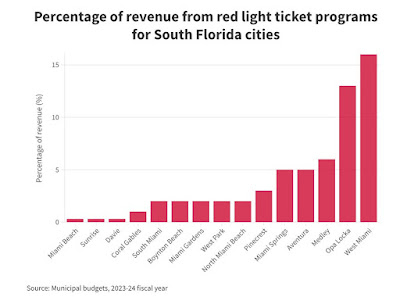
The State of Florida Seeks Share of City Revenue from Cameras

city red light camera revenue Florida

Florida cities have long used red light cameras as a tool to promote traffic safety and reduce violations at dangerous intersections. These cameras generate significant revenue for local governments, funding various public services. However, the State of Florida is increasingly interested in obtaining a portion of this income, raising questions about the impact on local budgets and public safety initiatives. Here’s a look at why the state wants a share of red light camera revenue, what it means for Florida cities, and how it could affect residents. 

Why Does Florida Want Red Light Camera Revenue?

Florida Red Light Camera Fines Increasing: What Drivers Need to Know

In recent years, red light cameras have become a common feature at intersections throughout Florida. While they aim to enhance road safety by discouraging reckless driving, recent changes in fines associated with red light camera violations are raising eyebrows among motorists. This article outlines the upcoming increases in red light camera fines in Florida and provides essential information for drivers to navigate this evolving landscape.

Understanding Red Light Cameras in Florida

Red light cameras are automated systems installed at intersections to capture images of vehicles that run red lights. The primary goal is to reduce traffic accidents and enhance safety for drivers, passengers, and pedestrians. However, violating a red light can result in significant financial penalties, which are now set to rise.

Recent Increases in Fines

The Florida Department of Highway Safety and Motor Vehicles has announced that fines for red light camera violations will be increasing starting in [insert specific month/year, if known]. The new fines will vary depending on the violation but could reach up to $200 for certain infractions, with additional fees that may apply. This change is part of an ongoing effort to ensure compliance with traffic laws and promote safer driving behaviors.

Current Fines vs. New Fines

Currently, the fines for red light camera violations in Florida typically range from $158 to $200. Under the new structure, the fines are expected to increase significantly, with some municipalities implementing fines as high as $250.

Violation Current Fine ($) New Fine ($)
Running a red light $158 $200-$250
Failure to stop for a red light $158 $200-$250

Note: Always check with local authorities for the most accurate and up-to-date information regarding fines.

Points and Consequences

In addition to fines, drivers who receive a red light camera ticket in Florida may also incur points on their driving record. Typically, violations result in 3 points, which can lead to increased insurance premiums and potential repercussions if points accumulate.

Implications for Drivers

  1. Increased Financial Burden: With fines set to rise, drivers must be more cautious at intersections equipped with red light cameras. A violation could lead to a hefty fine that impacts your budget.

  2. Impact on Insurance: Accumulating points can result in higher insurance premiums. Maintaining a clean driving record is essential to avoid financial repercussions.

  3. Local Variations: Fines and enforcement practices may vary by municipality, making it crucial for drivers to stay informed about the rules in their area.

Tips for Avoiding Red Light Camera Violations

To avoid falling victim to increased fines, consider the following tips:

  • Stay Alert: Always be aware of traffic signals and the posted speed limits.

  • Stop on Yellow: When approaching an intersection, prepare to stop if the light turns yellow. A sudden stop is better than a late decision to run the red light.

  • Know Your Area: Familiarize yourself with intersections that have red light cameras. Being aware can help you drive more cautiously.

  • Practice Defensive Driving: Anticipate the actions of other drivers, especially at busy intersections.

Conclusion

With Florida set to increase red light camera fines, drivers need to be proactive in understanding the new rules and adjusting their driving habits accordingly. By staying informed and practicing safe driving techniques, you can avoid the financial burden and potential legal consequences associated with red light camera violations. Always check with local law enforcement for the most current information on traffic laws and fines in your area to stay ahead of the curve.

 State of Florida Wants A Piece City Revenue

Red-Light Cameras Collected $1.8B from Illinois Drivers

Illinois red light camera revenue chart

Recent analysis reveals that red-light cameras in Illinois have accumulated more than $1.8 billion in fines from drivers since 2008, underscoring ongoing concerns regarding the impact and effectiveness of these enforcement measures on motorists.

Popular Articles (All Time)