Search For Maps & Articles

Showing posts with label Yellow Lights. Show all posts

The Problem with Shorter Yellow Lights in America

short yellow light

Yellow signals are supposed to give drivers enough time to either brake safely or clear the intersection before red. That window—called the yellow change interval—may sound like a small detail, but it sits at the heart of one of America’s most contentious traffic-safety debates. Across the country, yellow times are set with different rules, formulas, and minimums. In some cities they’ve been nudged shorter—sometimes by just a tenth of a second—coinciding with sharp jumps in red-light camera citations. The result is an uneven patchwork that fuels skepticism: are yellow lights timed for safety first, or to boost fine revenue?

What the engineering guidance actually says

At a high level, federal safety authorities describe the role of the yellow interval and encourage agencies to calculate it carefully, but they don’t mandate a single one-size-fits-all number. The Federal Highway Administration (FHWA) frames the yellow interval as the critical warning that green is ending and red is imminent, and highlights it as a “proven safety countermeasure.” It points agencies to methods for choosing appropriate durations rather than prescribing a single time. Federal Highway Administration

Most U.S. engineers reference guidance from the Institute of Transportation Engineers (ITE), which recommends using a physics-based formula that considers approach speed, driver perception-reaction time, deceleration, and grade. This is meant to create a consistent methodology, but local agencies still decide the inputs and implementation—so two cities can land on different values even at the same posted speed. ITE

States also publish their own standards. For example, Florida’s Traffic Engineering Manual states a minimum of 3.4 seconds and a maximum of 6.0 seconds, but emphasizes that those are minimums and that engineers should increase timing as needed based on ITE methods and real operating speeds. Florida LTAP Center

Why a few tenths of a second matter

Small tweaks produce big effects. At camera-equipped intersections in California’s Bay Area, just half a second more yellow time was linked to a 76% drop in violations—not because drivers suddenly became lawbreakers or saints, but because that extra buffer pulled many out of the “dilemma zone.” When drivers have a fair chance to stop, fewer get snapped entering on red. CBS News

Chicago offers another widely cited illustration. Investigations found some signals ran under the city’s 3.0-second policy, and at one point the city’s ticketing threshold effectively treated 2.9 seconds as good enough. That tenth of a second translated into tens of thousands of extra tickets and roughly $7–8 million of added fines—fueling public distrust and years of scrutiny.  

These examples underline a core truth of traffic engineering: at urban approach speeds, a tenth or two of a second can tip thousands of borderline cases into violations.

States that lengthened yellow—and what happened next

Some states responded to controversy by lengthening yellows at camera intersections. In Georgia, a 2009 law forced a one-second increase in yellow duration wherever red-light cameras operated. Violations—and the surrounding revenue—plunged, and some cities ultimately dropped their camera programs. Georgia also tightened oversight, requiring GDOT to permit and approve camera locations based on safety studies instead of revenue projections. The Newspaper

Florida took a different path. Reporting in 2013 highlighted that state rule changes years earlier removed “whichever is greater” language tied to using either posted or 85th-percentile speeds, which made it easier to set shorter minimums at some camera sites. Subsequent training materials reaffirmed Florida’s floor at 3.4 seconds, but critics point to localized timing reductions along corridors like U.S. 19 (Tampa Bay area) as a cautionary tale about how small cuts can align with large spikes in citations. Law Firm Newswire

The net effect is a patchwork: Georgia explicitly adds time at camera sites; Florida emphasizes a state manual minimum that some cities historically pushed toward the floor; other states leave more discretion to local engineers.

Big-city adjustments and inconsistency

Major metros have wrestled with timing choices in the public eye:

  • Los Angeles paused and ultimately ended its camera program over a decade ago, and conversations shifted toward extending yellow and red-clearance intervals as a safety-first alternative. City discussions at the time flagged how small, low-cost timing changes could reduce crashes without the baggage of automated ticketing. Los Angeles Times

  • In Chicago, scrutiny of sub-3.0-second yellows and unexplained ticket surges spurred audits, policy tweaks, and litigation. The broader lesson—echoed by many traffic engineers—is that when cameras exist, timing must be above reproach. WBEZ

  • Virginia provides a contrast from a technical guidance perspective: VDOT documents spell out the purpose of yellow and red-clearance intervals and the factors engineers should weigh, reinforcing that these are safety parameters, not revenue levers. Virginia Department of Transportation

Why timing can drift short

If the ITE method and state manuals exist, why do yellows sometimes end up shorter than drivers expect?

  1. Posted vs. operating speed: When drivers routinely travel faster than the posted limit, using the limit (instead of the higher, measured operating speed) in the equation can under-time the yellow. That’s why many manuals reference the 85th-percentile speed. ITE

  2. Policy thresholds: Some cities once treated 2.9 seconds as effectively “three” for enforcement thresholds, a rounding choice with real monetary consequences. blogs.kentlaw.iit.edu

  3. Contract and budget pressures: Revenue-sharing models between cities and vendors amplify perceived incentives to keep yellows at the minimum, eroding public trust even when engineers acted in good faith. (Chicago’s broader camera controversies made this dynamic a national story.) TIME

  4. Method disputes: A minority of critics challenge elements of the widely used ITE equation (e.g., assumed deceleration, perception-reaction time), arguing it still yields too-short yellows at many sites. Whether you agree or not, the existence of these disputes shows how inputs drive outcomes. Red Light Robber

Safety outcomes: timing vs. ticketing

There’s broad agreement that properly timed yellow and all-red intervals reduce risky entries and angle crashes. Conversely, tightening the yellow to the bare minimum can push more drivers into last-second decisions—either stamping brakes (raising rear-end risk) or entering on red (raising right-angle risk). FHWA’s emphasis on correct change intervals reflects that timing is a primary countermeasure, not a footnote. Federal Highway Administration

Case studies where yellows were extended—such as Fremont’s 0.5-second bump—consistently show violations fall sharply without changing enforcement technology. That suggests timing is often the simpler, cheaper lever for both safety and public acceptance. CBS News

The U.S. consistency problem

Put it all together and you get inconsistency:

  • Different floors: Florida’s practical floor is 3.4s; many cities cite 3.0s as a baseline; some corridors justify 4.0s+ based on speed/geometry. Cross a city or state line, and the same approach speed might yield a different yellow. Florida LTAP Center

  • Camera exception rules: Georgia explicitly adds one second at camera locations; other states don’t. That means two identical intersections—one in Atlanta, one in Tampa—can have different timings primarily because one has a camera and the other doesn’t. 

  • Enforcement thresholds: Chicago’s experience with a 2.9-second ticketing threshold exemplifies how an internal policy nuance can create a de-facto standard that isn’t obvious to drivers. blogs.kentlaw.iit.edu

This patchwork feeds the perception that yellow timing is sometimes optimized for revenue, not safety—especially when reductions happen quietly and coincide with red-light cameras.

Practical, trust-building fixes cities can adopt now

  1. Use operating speeds (85th percentile) in the calculation, not just posted speeds; document it publicly. ITE

  2. Publish timing sheets for every camera-equipped intersection: approach speed used, grade, perception-reaction time, deceleration rate, selected yellow and red-clearance values. (Several state DOTs already model this transparency in their manuals.) Virginia Department of Transportation

  3. Adopt a safety margin (e.g., +0.3s to +1.0s) on camera approaches—Georgia’s “+1 second” rule is a workable template. The Newspaper

  4. Separate enforcement revenue from transportation budgets so timing and placement decisions are insulated from financial incentives. (Chicago’s history shows why this matters for legitimacy.) TIME

  5. Audit frequently and publicly—especially after signal hardware, detection, or lane geometry changes—to prevent unintentional drift below policy. Federal Highway Administration

Bottom line

Yellow-light timing isn’t a trivial knob; it’s a primary safety control. The U.S. lacks a single national standard for exact durations, so local policy choices and engineering inputs matter enormously. Where those choices skew short—particularly at red-light camera sites—violations and fine revenue soar, trust erodes, and the safety case gets muddied. Conversely, where agencies publish their math, use realistic speeds, add red-clearance time, and err on the side of safety, violations and controversy both tend to fall.

Until cities normalize transparent, safety-first timing, drivers will keep asking the same question at the stop bar: is this yellow here to protect me—or to ticket me?

How States Adopt and Interpret MUTCD Traffic Standards

While the Manual on Uniform Traffic Control Devices (MUTCD) sets national guidelines for road signs, signals, and markings, individual U.S. states adopt and interpret the MUTCD in different ways. This flexibility allows states to tailor traffic control devices to local needs while maintaining general consistency across the country. 

What Does Red Time Mean on Ticket?

red light and yellow light

When you receive a red-light camera ticket in the mail, you might notice a detail labeled “Red Time.” Many drivers are confused by this term, wondering if it refers to how long the light was red, how long they were in the intersection, or something else entirely. Understanding what “Red Time” means is critical because it determines whether the ticket issued against you is valid, how serious the violation is, and whether you have grounds to contest it in court.

This article explains what “Red Time” is, how law enforcement uses it, and what drivers need to know if they see it printed on a citation.

Defining “Red Time” on a Ticket

Red Time (sometimes called late time) refers to the amount of time, measured in seconds, that the traffic signal had been red before your vehicle entered the intersection.

For example:

  • If your ticket shows Red Time: 0.2 seconds, you entered the intersection just 0.2 seconds after the light turned red.

  • If it shows Red Time: 3.5 seconds, you crossed into the intersection more than three seconds after the red phase began.

At any given camera-enforced intersection, enforcement is only supposed to begin after the light turns red. The system should not activate during green or yellow. Cameras are specifically designed to photograph only when the red signal is active (what is the proper length of a yellow light?).

Two Types of Red Time

Tickets often list two separate red times:

  1. Initial Red Time – how long the light was red before the vehicle crossed the stop line.

  2. Elapsed Red Time – the time between the first picture (when the vehicle entered) and the second picture (when it moved through the intersection).

This distinction matters because it provides additional proof of whether you truly ran the light. Courts often review both numbers before making a judgment.

It’s always a good idea to check these details on your ticket. In many cases, courts are more lenient with very short red times, such as 0.1 or 0.2 seconds, than with clear and prolonged violations.

Why Red Time Matters

The Red Time figure is crucial evidence in red-light enforcement.

  1. Establishes the Violation

    • Traffic laws require vehicles to stop before entering once the light is red.

    • The Red Time shows whether you crossed legally or illegally.

  2. Determines Severity

    • A short Red Time suggests a borderline case where the driver just missed the yellow.

    • A long Red Time proves a blatant violation and is harder to contest.

  3. Impacts Court Outcomes

    • Drivers with very short red times sometimes get their tickets reduced or dismissed.

    • Long red times rarely succeed in court challenges.

How Red-Light Cameras Measure Red Time

Modern camera systems use three main technologies:

  • Inductive Loop Sensors – detect when a vehicle passes the stop line.

  • Traffic Signal Controller – records the exact instant the signal changes.

  • Cameras and Flash Units – triggered only once the light turns red.

The result: two timestamped photographs (or a video clip) that show your vehicle entering and traveling through the intersection, with the Red Time documented alongside.

Common Misconceptions About Red Time

  • Myth 1: If it’s under one second, it doesn’t count.
    Even 0.1 seconds after red is still legally a violation.

  • Myth 2: There’s a built-in grace period.
    Not true in most jurisdictions. Once red, enforcement begins immediately.

  • Myth 3: A camera flash always equals a ticket.
    Sometimes cameras flash erroneously; police review evidence before mailing citations.

How Red Time Appears on Tickets

Most citations include:

  • Event time (date & time of violation)

  • Red Time (in seconds)

  • Two images (entering & passing through the intersection)

  • License plate close-up

  • Video link (in some states)

These details allow both drivers and courts to verify the accuracy of the ticket.

Can Red Time Help You Beat a Ticket?

Yes, in some cases. Attorneys often scrutinize the Red Time to build a defense.

Common Defenses:

  • Improper Yellow Timing – If the yellow was shorter than legally required, entering slightly after red may not be your fault (learn more here).

  • Close-to-Zero Red Time – Judges sometimes dismiss or reduce penalties if you crossed less than a second after red.

  • Out of Necessity – Weather, sudden braking, or avoiding a crash may justify entering.

  • Technical Error – Faulty sensors or miscalibration could produce inaccurate red time readings.

Safety Implications of Red Time

  • Short Red Time (<1 second): Often linked to rear-end crashes due to sudden braking.

  • Long Red Time (>2 seconds): More likely to cause serious T-bone collisions.

This is why municipalities strictly enforce even small violations. Each fraction of a second can affect crash outcomes.

State & Local Variations

  • California: Courts allow challenges if yellow intervals are too short, making Red Time a central piece of evidence.

  • New York: Tickets upheld even at 0.1 seconds of Red Time.

  • Texas (before bans): Red Time used to justify safety benefits of cameras before statewide removal.

Frequently Asked Questions (FAQ)

Q: Does a Red Time of 0.1 seconds count as a violation?
Yes. Any entry after the light turns red is technically illegal.

Q: Can I fight a ticket if my Red Time is very short?
Yes. Courts sometimes reduce penalties when violations are within tenths of a second.

Q: Why are there two Red Times on my ticket?
One measures when you entered; the other measures how long it took to pass fully through the intersection.

Q: Does the system ever activate during yellow?
No. Cameras are only supposed to activate once the light is red (read more here).

Conclusion

“Red Time” isn’t just a technicality—it’s the foundation of a red-light camera ticket. It represents the length of time the light had been red before you entered the intersection, and in many cases, also tracks how long it took you to clear it. Courts treat these numbers seriously, but drivers with very short red times sometimes succeed in contesting their tickets.

By checking the Red Time on your citation, you’ll know whether you may have a strong case in court or whether it’s best to pay the fine. Remember, even a tenth of a second matters when it comes to intersection safety.

Cities That Lost Money on Red Light Cameras

Red light cameras are often justified as both a safety measure and a modest source of revenue for municipalities. But in many cases, especially once costs, overhead, and enforcement complications are tallied, the balance sheet doesn’t swing in favor of the city. Several municipalities have found themselves losing money—or at least falling well short of projections—on automated enforcement programs. The 2006 blog article “City Loses Money Operating Red Light Cameras” laid out a simple but powerful caution: running cameras involves fixed costs (equipment, maintenance, legal infrastructure, staffing) and variable costs (ticket processing, adjudication, appeals). If citation rates fall, or vendor shares and legal costs eat into gross revenue, cities can end up underwater. Below are updated examples from across the United States showing how red light camera programs sometimes bleed red rather than turning red into green.

Portland, Oregon: Inconsistent Gains and Frequent Losses

Portland offers one of the most transparent public reports on red light camera financials. Under the city’s program, revenues and expenses are published, and the data reveal that the program was not reliably profitable. Over a five-year review, Portland’s red light camera program lost money in two of those years. For example, in Fiscal Year 2011–2012, revenue was $403,162 but expenses reached $500,433, meaning each citation cost the city $12.55 on net. In contrast, in FY 2012–13, revenues exceeded expenses (≈ $725,408 vs. $564,172), but even then the city’s gains were modest compared to expectations. Portland’s report even stated that “the program has not been self-supporting every year,” citing factors such as vendor costs, reduced fines, and collection lapses. Portland’s experience suggests that even in a favorable environment, red light camera systems may only break even in good years—and in some years flip into a net loss.

Dallas, Texas: Cameras Removed When They Stopped Paying Off

In some jurisdictions, red light cameras became victims of their own success: as violations dropped, revenue fell—and the city decided it could no longer justify their existence. In 2008, Dallas began disabling several of its least profitable cameras after seeing lower volumes of red-light running, estimating a $4 million revenue shortfall as a result. Other cities such as Charlotte and Fayetteville, North Carolina, reduced or eliminated red-light enforcement when state rules forced them to dedicate camera revenue to restricted purposes like education, making the program less financially sustainable. These cases highlight a perverse incentive: if cameras successfully deter violations, the revenue stream dwindles. For cities that partially depend on ticketing income, that can backfire.

Smaller Cities, Suburbs, and Unexpected Debts

While large cities attract most attention, smaller municipalities and suburban towns often suffer even more from the budgetary mismatch. In the Chicago area, suburbs such as Chicago Heights, Rolling Meadows, Evergreen Park, Burbank, and Hillside rely heavily on camera ticket revenue, but their financial stability depends on consistent citation volumes—no guarantee in a changing enforcement climate. In Suffolk County, New York, court rulings found that its $30 administrative fee added to violations was illegal. The county may have to reimburse as much as $91 million, turning what had been a source of income into a massive liability. In addition, in many jurisdictions, a significant share of issued tickets never get paid or are contested, reducing net collections. Some cities underestimate the cost of appeals, legal processing, and debt collection, which can turn a superficially profitable program into a loss leader.

Why Cities Lose Money

From these cases, certain systemic challenges emerge. Upfront and ongoing fixed costs: Cameras, data networks, legal systems, and staff impose recurring costs regardless of ticket volume. Many contracts require revenue sharing with camera vendors that erode profits. Declining citation volumes: As cameras deter red-light running, the number of violations drops. While positive for safety, this reduces income. Collection and compliance shortfalls: Not all tickets get paid; some are appealed or ignored, dragging down yield. Legal and political constraints: Some states cap fees or regulate how revenues may be used. In Suffolk County, courts ruled fees illegal, creating major liabilities. Public backlash: Opposition, court reversals, or state bans can shrink or eliminate the program, leaving cities with sunk costs. Together these factors explain why many red light camera systems become financial burdens rather than benefits.

What Research Shows About Costs and Benefits

While the financial debates are real, the safety record of red light cameras is mixed but generally positive. The Congressional Research Service notes that cameras tend to reduce right-angle crashes but can increase rear-end collisions as drivers brake abruptly. Multi-city studies suggest that camera presence is associated with lower per-capita fatal crash rates. The Insurance Institute for Highway Safety found that cities which removed cameras saw about 30 % more fatal red-light crashes per capita. That said, critics argue many programs are launched for revenue, not safety. Independent audits have shown that when properly managed, the cost of cameras can exceed the monetary value of crashes prevented unless programs are targeted at intersections with high crash severity rates. In other words, they work best as safety tools, not revenue generators.

Lessons and Recommendations

Several lessons emerge for municipalities. Set conservative revenue expectations. Don’t assume early citation volumes will continue indefinitely. Track all costs. Include legal, administrative, and maintenance overhead, not just vendor payments. Separate safety from revenue goals. Programs should be judged on crash reduction, not income. Be transparent with the public. Use funds for traffic safety, education, or infrastructure to maintain trust. Ensure legal compliance. Verify that fee structures and enforcement processes follow state law to avoid lawsuits and refunds. Adapt programs as behavior changes. If violations fall sharply, consider reducing camera numbers or shifting focus to engineering solutions such as longer yellow times or improved signal timing.

Conclusion

Red light cameras can reduce dangerous violations and crashes, but from a financial perspective, they are no guarantee of profit. Cities like Portland have reported years of net losses, while others like Dallas removed cameras when they no longer paid off. Suffolk County’s program possibly turned into a massive liability after court rulings on illegal fees. The lesson is clear: safety is a valid reason to use automated enforcement, but revenue should never be the driving force. Cities that launch camera programs expecting steady profit often find that over time, the cameras cost more than they earn. Municipalities should approach these systems as public safety investments—supported by data, accountability, and transparency—rather than as cash machines that inevitably run dry.

Red Light Camera Ticket Defense: Spotting Key Details

red devil

What You Should Know About Red Light Camera Tickets

Next time you get a red light ticket remember this. Red light camera tickets are very different from, say a red light ticket handed to you by an officer. With a red light camera ticket, there is no “your word against the officer”. With a red light ticket issued by an officer, you have to try and convince the court that the officer did not have a clear line of sight to your car, to the limit line for the red light, or the red light itself, at the time you went through the light. Red light camera tickets, on the other hand, are best dismissed if attacked from a technical-based standpoint; after all, it is a machine that ticketed you , not an officer. And there are certain rules and requirements that are necessary to be present (or need to have been followed) in order for the red light camera ticket to be successfully held up in court against you.  Before you pay that fine, there are a few important things you should know.

What Is a Red Light Camera Ticket?

A red light camera ticket is a type of traffic citation issued after a camera records your vehicle entering an intersection after the traffic light turns red. These tickets typically include:

  • A photo of your vehicle

  • The time and date of the incident

  • The duration the light had been red (also called the “late time”)

  • A fine amount and payment instructions

These automated systems are intended to reduce red light violations and improve traffic safety, but they’ve also sparked controversy for being overly punitive or inaccurate.

Are Red Light Camera Tickets Legal?

Yes—but laws vary by state and municipality. Some states have banned them, while others allow them with strict regulations. Always check your local traffic laws to determine the legality of red light camera enforcement in your area.

How Much Is a Red Light Camera Ticket?

The cost of a red light camera ticket can range from $50 to $500 or more, depending on where you live. In some cities, these tickets also come with additional fees or administrative costs. However, unlike traditional traffic tickets, many red light camera violations do not add points to your driving record—but again, this varies by location.

Can You Fight a Red Light Camera Ticket?

Absolutely. Just because you received a ticket doesn’t mean you’re automatically guilty. Here are some common defenses:

1. Short Yellow or Red Light Timing

If the yellow light was too short, or the red light had just turned, it might have been impossible to stop safely. Some jurisdictions require minimum yellow light durations, and failure to meet them can be grounds for dismissal.

2. Late Time Less Than 0.3 Seconds

Many systems include a grace period of 0.3 to 0.5 seconds before recording a violation. If your late time (how long the light had been red) was under this, you could have a strong defense.

3. Not the Driver

If someone else was driving your car, or if the photo doesn’t clearly identify the driver, you might be able to challenge the ticket.

4. Poor Visibility or Weather Conditions

If visibility was impaired due to fog, rain, or other factors, you may have a valid safety argument for why stopping immediately would have been unsafe.

What Happens If You Ignore the Ticket?

Ignoring a red light camera ticket can lead to additional fines, collections, or even a suspended license, depending on your state. Some cities treat these as civil infractions and will pursue payment through collection agencies, while others may escalate enforcement.

Tips for Handling a Red Light Camera Ticket

  • Read the ticket carefully for details like time, location, and violation type.

  • Check the photos or video provided online (most cities include a link).

  • Look for the “late time”—the shorter it is, the better your chance of fighting it.

  • Research your local laws, especially any grace period or yellow light timing standards.

  • Consider consulting a traffic attorney if you plan to contest the ticket in court.

Are Red Light Cameras Effective?

This is still debated. While some studies show red light cameras reduce T-bone collisions, others show an increase in rear-end accidents from sudden braking. Additionally, critics argue that some cities may prioritize revenue generation over safety, especially if yellow light durations are shortened.

Conclusion

Getting a red light camera ticket can be frustrating—but knowing your rights and responsibilities makes a big difference. Whether you choose to pay, contest, or investigate further, understanding how these systems work is key to protecting your driving record and your wallet.

How Long Should A Yellow Stop Light Be?

The duration of a yellow light at traffic signals is a critical factor in road safety and traffic management. It bridges the transition between the green "go" signal and the red "stop" signal, providing drivers with a crucial decision-making window. Understanding how long a yellow light lasts and the factors influencing its timing can help improve compliance with traffic signals and reduce accidents.

Help Us Find Short Yellow Lights Under 3.5 Seconds: Join the Campaign for Safer Roads

short yellow traffic light

The duration of yellow traffic lights plays a crucial role in road safety. Unfortunately, many intersections across the country have yellow lights that last less than the recommended time, often under 3.5 seconds. This can lead to dangerous situations, including increased rear-end collisions and risky decision-making by drivers. In this article, we’ll explore the importance of yellow light duration, the impact of short yellow lights on road safety, and how you can join the campaign to identify and report these hazardous intersections.

Understanding Yellow Light Duration

What Is the Purpose of a Yellow Light?

The primary purpose of a yellow traffic light is to alert drivers that the light is about to change to red, signaling them to slow down and prepare to stop. A well-timed yellow light allows enough time for vehicles to safely navigate the intersection, whether they are stopping or proceeding through.

Recommended Duration

Traffic safety experts generally recommend that yellow lights last between 3.5 and 5 seconds, depending on the speed limit of the road. This duration accounts for:

  • Vehicle Stopping Distance: Higher speeds require longer stopping distances. A longer yellow light provides drivers with enough time to stop safely.

  • Driver Reaction Time: Drivers need a few seconds to react to changing lights. Shorter durations can lead to hurried decisions, increasing the likelihood of accidents.

The Dangers of Short Yellow Lights

When yellow lights last less than the recommended time, several risks arise:

1. Increased Accidents

Research indicates that shorter yellow light durations are associated with higher accident rates, particularly rear-end collisions. Drivers may not have sufficient time to stop safely, leading to dangerous situations at intersections.

2. Aggressive Driving Behavior

Drivers may feel pressured to speed through intersections when they perceive yellow lights as being too short. This aggressive behavior can result in risky maneuvers and further compromise road safety.

3. Pedestrian Safety Risks

Short yellow lights not only endanger drivers but also pedestrians. When vehicles rush through intersections, pedestrians may be caught in dangerous situations, especially if they are attempting to cross when the light changes.

Join the Campaign: Help Us Find Short Yellow Lights

To combat the dangers posed by short yellow lights, we are launching a campaign to identify intersections with yellow light durations under 3.5 seconds. Here’s how you can get involved:

1. Document Your Findings

If you notice yellow lights that seem unusually short, take note of the location, time, and duration of the yellow light. Using a stopwatch or your smartphone’s timer can help you accurately measure the light duration.

2. Report to Local Authorities

Once you have documented short yellow lights, report your findings to local traffic authorities. Many cities have online forms or contact information for reporting traffic safety concerns.

3. Spread the Word

Share your experiences and encourage others to participate in the campaign. The more people who get involved, the greater the chance of making a significant impact on traffic safety in your community.

4. Advocate for Change

Engage with local advocacy groups focused on traffic safety. Attend city council meetings and express your concerns about short yellow light durations. Your voice matters in driving change.

Are there laws making yellow lights standard?

Conclusion

Short yellow lights under 3.5 seconds pose a serious threat to road safety, leading to increased accidents and heightened risks for both drivers and pedestrians. By joining the campaign to identify these hazardous intersections, you can contribute to a collective effort to promote safer roads in your community. Together, we can work towards ensuring that yellow lights provide adequate warning and that all drivers have the time they need to make safe decisions at intersections. Stay vigilant, document your findings, and let’s create a safer driving environment for everyone!

Here are some examples 

Do you feel like you drove through a light with an extra short yellow? Did you know there are laws and DOT recommendations that require yellow lights to be at least 3.5 seconds? Six cities have already been caught shortening yellow lights by .3 to 1 seconds. 6 cities have been caught: 1) Dallas, Texas 2) Chattanooga, Tennessee 3) Springfield, Missouri 4) Lubbock, Texas 5) Nashville, Tennessee 6) Union City, California.

I would suspect there are many other cities in violation, including a city near me Culver City. I would love to get some user input if they think their city has a short yellow light. Time the light the next time you are waiting at a stoplight and post it here under comments. Thanks in advance for your help!

What is the Proper Length for a Yellow Light?

Deciding the Perfect Yellow Light Interval: A Comprehensive Guide

yellow light length

The yellow-light interval plays a pivotal role in maintaining the safety and efficiency of traffic intersections. Striking the right balance between giving drivers enough time to react and keeping traffic flowing smoothly is essential. In this article, we will explore the key factors and methods to determine an optimal yellow-light interval, ensuring road safety and reducing accidents.

Illinois Proposal: Trial by Phone Marks Court Shift

Trial by phone

In an effort to modernize the judicial system and enhance accessibility, Illinois legislators have introduced a groundbreaking proposal to allow trials to be conducted via phone. This innovative approach aims to streamline court processes, reduce backlogs, and improve the overall efficiency of the legal system. As courts adapt to the challenges posed by the COVID-19 pandemic and embrace technological advancements, this legislation could set a precedent for other states. Here’s what you need to know about the proposed trial by phone legislation in Illinois.

The Need for Change in the Judicial System

The traditional court system has faced numerous challenges in recent years, including:

  1. Backlogs and Delays: Courts across Illinois have struggled with significant backlogs, leading to lengthy delays in legal proceedings. This has affected the timely resolution of cases and has often left defendants waiting months or even years for their day in court.

  2. Accessibility Issues: Many individuals, particularly those in rural areas or with mobility challenges, find it difficult to attend court hearings. Travel time, transportation costs, and other barriers can prevent people from accessing justice.

  3. Technological Advancements: The pandemic accelerated the adoption of technology in various sectors, including the legal field. Virtual court proceedings became a necessity, demonstrating that remote participation could be effective in many situations.

Key Features of the Proposed Legislation

The Illinois legislation proposing trial by phone includes several key features:

  1. Remote Participation: Defendants, attorneys, and witnesses would have the option to participate in court proceedings via phone. This would allow for greater flexibility and accessibility, particularly for those unable to attend in person.

  2. Limited to Certain Cases: The proposal is likely to focus on specific types of cases, such as minor traffic violations or low-level misdemeanors, where a phone trial could be appropriate without compromising the integrity of the judicial process.

  3. Procedural Safeguards: The legislation would include procedural safeguards to ensure that the rights of all parties are protected. This may involve recording the proceedings, ensuring secure communication channels, and providing options for in-person hearings if necessary.

  4. Cost-Effectiveness: By reducing the need for in-person appearances, the legislation aims to cut down on court costs, transportation expenses, and lost work time for participants.

Potential Benefits of Trial by Phone

The proposed legislation offers several potential benefits:

  1. Increased Accessibility: By allowing trials to be conducted via phone, individuals who may have difficulty attending court in person can participate more easily, promoting fairness and inclusivity in the legal process.

  2. Reduced Backlogs: Remote trials could help alleviate court backlogs, enabling cases to be resolved more swiftly and efficiently. This would benefit not only defendants but also the judicial system as a whole.

  3. Flexibility for Legal Professionals: Attorneys and legal representatives would have greater flexibility in managing their schedules, allowing them to handle more cases effectively.

  4. Adaptability to Future Challenges: As society continues to adapt to technological advancements, implementing phone trials positions the Illinois judicial system to respond to future challenges, whether they be health-related or logistical.

Challenges and Considerations

While the proposal presents many advantages, there are also challenges to consider:

  1. Ensuring Fairness: Critics may raise concerns about ensuring fair trials and the ability to adequately present evidence over the phone. Safeguards will be necessary to maintain the integrity of the judicial process.

  2. Technical Issues: Reliance on technology means that courts must be prepared to address potential technical issues that could disrupt proceedings or affect communication.

  3. Public Perception: The perception of phone trials as a less formal or serious approach to justice may lead to resistance from some legal professionals or the public.

Conclusion

The proposed legislation in Illinois to allow trials by phone marks a significant step towards modernizing the judicial system and increasing accessibility. By leveraging technology, the state aims to address long-standing challenges in the legal process while ensuring that justice remains accessible to all. As the legislation progresses, it will be crucial for lawmakers, legal professionals, and the public to engage in discussions about its implications and to work together to create a system that serves the needs of all citizens effectively.

How to Determine Traffic Signal Yellow Light Clearance Intervals

ITE Public Agency Traffic Signal Change and Clearance Interval Webinar
recommended times for yellow light
Recommended times for yellow light

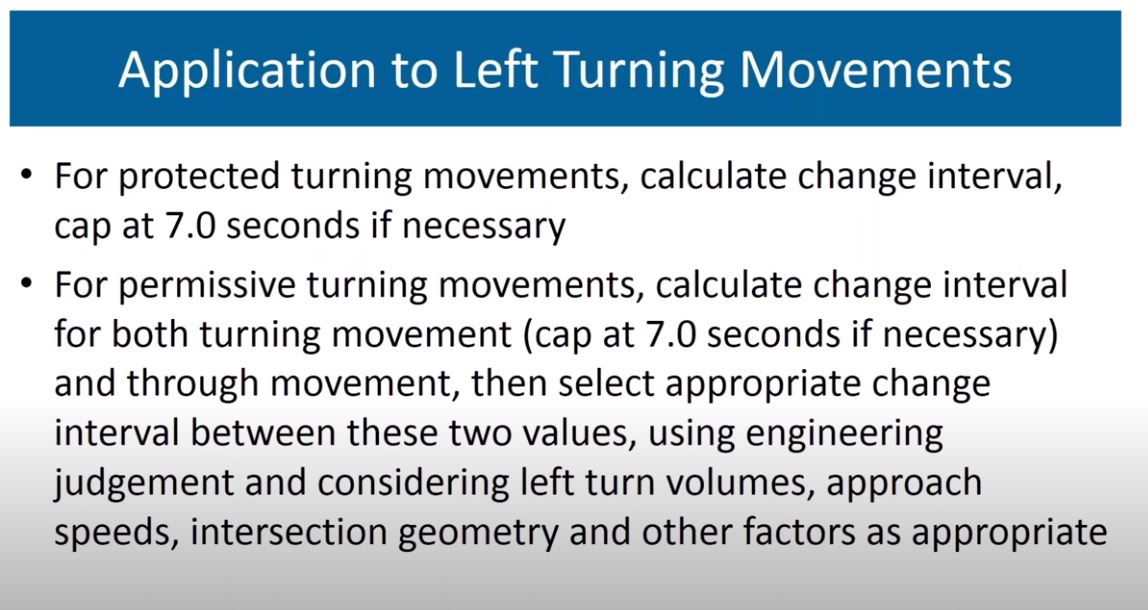
left turn maximum length of yellow light
Recommended left turn maximum length of yellow light

When Will Google Maps Sync With Traffic Lights?


According to this article, Google is experimenting with showing traffic lights in Maps

Google Maps is experimenting with a new feature that displays traffic lights directly in Maps and assumes this will be for Waze also. Traffic lights will be visible both while navigating or simply browsing around.

This doesn't mean that the red lights, yellow lights, green lights will be displayed immediately.  It will likely just be a database of traffic lights and locations.  This is what it will look like below on Google Maps.


Real-time signals would be very cool.  There is a company called Connected Signals which connects the traffic signal to the cloud and will allow mapping companies to display and optimize traffic using these signals. 


Connect Signals has a product called Transit Signal Priority (TSP), automatic Pedestrian Signaling (PedSig), and a variety of other applications without requiring the acquisition and installation of additional capital infrastructure, including roadside equipment such as special-purpose optical or radio-frequency devices or DSRC installations. The system’s key innovations are its use of existing infrastructure (including the public cellular network and the city’s Traffic Management System (TMS) and traffic network) to securely provide these capabilities, its use of mobile devices to request action from the signal network, including pedestrian walk signals, and its software-defined nature that supports extension and modification of capabilities without requiring hardware modifications or field-service modifications.

How Many People Are Injured Each Year By Drivers Running Red Lights?

most dangerous cities drivers running red lights
Most Dangerous Cities for Drivers Running Red Lights

Red Light Running Accidents: Injuries, Fatalities, and Solutions in 2025

Every year in the United States, tens of thousands of people are injured or killed because of drivers who run red lights. This behavior, often seen as a minor traffic violation, continues to cause some of the most devastating crashes on American roads. The impact is far greater than just a ticket or fine. Red light running leads to life-changing injuries, fatalities, increased insurance costs, and billions in economic losses. With new data available in 2025, it is clear that the problem is ongoing, and addressing it remains a top priority for traffic safety experts and communities across the country.

Researchers found that violations dropped by 36% after yellow lights were extended to give drivers more warning that the light was about to turn red. After red light cameras were added, the remaining violations dropped by 96%.   

Rank City Estimated Annual Fatalities from Red Light Running Key Risk Factors
1 Washington, D.C. 75 High traffic volume, complex intersections, frequent violations
2 Philadelphia, PA 68 Dangerous arterial roads like Roosevelt Boulevard, pedestrian exposure
3 Houston, TX 65 Wide intersections, heavy commuter traffic, speeding culture
4 Los Angeles, CA 60 Congested freeways, long waits at signals, aggressive driving
5 Chicago, IL 55 Dense urban intersections, mix of vehicles, cyclists, and pedestrians
6 Phoenix, AZ 52 Large suburban intersections, high speeds, rapid growth areas
7 Dallas, TX 50 Expansive roadway network, fast-moving traffic, poor compliance
8 Miami, FL 48 Tourist traffic, distracted driving, high pedestrian density
9 New York, NY 45 Congestion, constant gridlock, mix of cars, bikes, and pedestrians
10 Atlanta, GA 43 Sprawling metro area, poor intersection design, high commuter stress

The Scope of the Problem

Running a red light may last only a few seconds, but the consequences can last a lifetime. In the United States, more than 136,000 people are injured each year in crashes involving red-light violations. These injuries range from broken bones to traumatic brain injuries and long-term disabilities. On top of that, around 1,100 people are killed annually in red light running crashes. The numbers have remained stubbornly high over the past decade, even with advancements in vehicle technology and roadway engineering.

What makes these statistics especially troubling is that roughly half of those injured or killed are not the violators themselves. Instead, they are pedestrians, bicyclists, and other drivers who are simply in the wrong place at the wrong time. Innocent people often pay the price for another driver’s reckless decision.

Why Drivers Run Red Lights

Understanding why drivers run red lights is key to preventing these crashes. Some of the most common reasons include speeding, distracted driving, and aggressive driving behaviors. Drivers in a rush may try to beat the yellow light but miscalculate the timing. Others may be distracted by a cell phone, navigation screen, or conversation and fail to notice the signal has changed. Impairment due to alcohol or drugs also increases the likelihood of running a red light. In some cases, intersections with short yellow light durations or poorly timed signals contribute to the problem, giving drivers less time to react.

Types of Crashes Caused by Red Light Running

The most common and dangerous type of crash caused by red light running is the T-bone or side-impact collision. These crashes occur when a vehicle traveling straight through a red light collides with a car entering the intersection from the side. Because the sides of vehicles have less protection than the front or rear, these collisions often cause severe injuries or fatalities. Other crashes include rear-end collisions, where a driver slams on the brakes to avoid running a red light, and pedestrian crashes, where walkers in crosswalks are struck by vehicles that fail to stop.

The Human and Economic Toll

Beyond the personal tragedies of injury and loss of life, red light running has a major economic impact. The costs include emergency medical services, long-term health care, property damage, legal expenses, and lost productivity. Insurance premiums also rise for communities with high crash rates, impacting everyone on the road. Estimates place the economic cost of red light running crashes in the billions of dollars annually. For families, the emotional toll is immeasurable, as survivors often deal with grief, post-traumatic stress, and long-term rehabilitation.

Enforcement and Red Light Cameras

To combat the problem, many cities and states have turned to automated enforcement systems such as red light cameras. These cameras capture violations and issue tickets by mail, increasing the likelihood that violators are held accountable. Research shows that intersections with cameras see fewer violations and reductions in fatal crashes. Some studies have reported drops of more than 20 percent in fatal red light running crashes after cameras were installed. However, the use of cameras is controversial in some communities, with opponents arguing about fairness, accuracy, and revenue motives. Still, when combined with proper signal timing and public awareness, cameras remain one of the most effective tools for reducing violations.

The Role of Signal Timing

Another proven method of reducing red light running is adjusting the timing of yellow and all-red intervals at intersections. Extending the yellow light by even one second can dramatically reduce violations, giving drivers more time to make a safe decision. Adding a brief all-red phase, where all directions remain red for a second or two, can also reduce the chance of vehicles entering the intersection while others are still clearing. These engineering solutions are cost-effective and widely supported by safety experts.

Public Awareness and Education

Education campaigns play a critical role in changing driver behavior. National campaigns such as “Stop on Red Week” highlight the dangers of red light running and encourage safe driving habits. Local initiatives, including driver education programs and community outreach, remind drivers that running a red light is not just a traffic violation but a dangerous choice that puts lives at risk. Emphasizing that most victims are innocent road users helps build support for enforcement and safer roadway design.

Technology and Vehicle Safety

Advancements in vehicle technology are also contributing to the fight against red light running. Many new cars are equipped with forward collision warning systems, automatic emergency braking, and lane departure alerts. Some vehicles now include intersection assist features that monitor traffic signals and warn drivers if they attempt to run a red light. As these technologies become more common, they have the potential to reduce crashes significantly. However, widespread adoption will take time, and driver behavior remains the biggest factor.

Intersection Design Improvements

Cities are investing in safer intersection designs to protect all road users. Roundabouts, for example, eliminate red lights entirely and reduce the severity of crashes by lowering speeds and changing the angle of impact. Protected left-turn signals, pedestrian countdown timers, and better lighting also contribute to safer intersections. These improvements not only reduce red light running but also improve the overall flow of traffic.

The Future of Red Light Safety

Looking ahead, the combination of automated enforcement, vehicle technology, roadway engineering, and education offers hope for reducing red light running crashes. Data shows that when communities commit to these measures, lives are saved. However, enforcement must be fair, transparent, and combined with efforts to improve signal timing and intersection safety. With over a hundred thousand people still injured every year and more than a thousand lives lost, there is no question that red light running remains a national safety priority.

Conclusion

Red light running is not a minor traffic infraction but a serious public safety issue. Every year, more than 136,000 people are injured and about 1,100 are killed in crashes caused by drivers who fail to stop at red lights. Half of the victims are innocent pedestrians, cyclists, and other drivers. While technology and enforcement are making progress, the problem persists. Through stronger enforcement, better intersection design, improved vehicle safety features, and public education, the United States can continue to reduce the toll of these preventable crashes. The ultimate goal is simple: ensuring that everyone gets through intersections safely, without fear of being struck by someone who chose not to stop.

Length of Yellow Traffic Light Standards


City, State & Federal legislation regulating traffic light yellow light times is mostly non-existent. However, studies have shown that an increase of 0.5 to 1.5 seconds in yellow-light duration will decrease the frequency of red-light running by at least 50 percent. Three seconds should be the absolute minimum time for any intersection. Here are the standards recommended.  See the details at Standard Yellow Lights from the National Motorist Association Foundation
25 MPH -- 3.0 Seconds
30 MPH -- 3.5 Seconds
35 MPH -- 4.0 Seconds
40 MPH -- 4.5 Seconds
45 MPH -- 5.0 Seconds
50 MPH -- 5.5 Seconds
55 MPH -- 6.0 Seconds

Rolling Right Turns in Florida


Rolling Right Turns in Florida

Cities and counties aren't just using short yellow lights to rack up millions of dollars in extra red light camera tickets in Florida; some are also using stricter-than-intended enforcement to issue rolling right tickets to drivers. While this summer's tweaks to red light camera (RLC) legislation were promoted as protection against overzealous ticket-writers, the language that affects right turns-on-red doesn't do very much. It says the officers that review RLC violations cannot issue a ticket if the driver came to a complete stop, regardless of where the driver stops in relation to the stop bar. But drivers who stopped a few feet over the stop bar weren't typically getting tickets anyway, because the Mark Wandall Act, which standardized the use of RLC across Florida in 2010, specifies officers should not ticket drivers who make rolling right turns in a "careful and prudent" manner.

Longer Yellow Lights vs Red Light Cameras

Longer Yellow Lights vs Red Light Cameras

Red-light cameras in Arnold, Missouri just took a hit that will cost hundreds of thousands of dollars a year at one light alone. Fox 2 first reported Wednesday about a new MoDOT program to re-time of its Missouri lights.

MoDO is re-timing traffic lights everywhere, to give drivers more time to stop. The results so far, are incredible at the intersection of 141 and Astra Way. We compared a month of red-light running before the new signal timing to a month after the change in the yellow light.

Last May, the City of Arnold cited 709 people for running a red light on camera at the 141 light. This May? Arnold cited only 17 drivers at the same light.

Now, consider the money side of this. Last May's citations add up to $67,000 in one month. This past May, citations, if paid, would only bring in $1,600.

That's a potential loss of more than 3/4 of a million dollars every year.

That loss is split between three parties who divide the money from each $95 violation ticket. More than half of that pie (57%) would go to the city, 10% percent to the State of Missouri and 1/3rd (33%) to the private red light camera contractor American Traffic Solutions (ATS).

Arnold Mayor Ron Counts said their share of the money goes into the general fund, which pays for things like streets. But he says this newly discovered potential loss -- is a price worth paying.

Mayor Counts said, "The truth is, it's not about money, it can't be. We've got to deal with the safety issue and to me when you can drop this down to 20 people running stoplights, I think that's what we really need to be looking at. We'll adjust the budget. We have to." He added, "It's going to affect your budget no matter how you look at it

He said Arnold's been discussing putting red-light revenue strictly into safety measures anyway. He can't think of anything better than stopping red-light runners.

Counts said, "What's a person's life worth? I don't think you can consider that."

The private red light camera contractor, ATS, said in an e-mail statement, "We're pleased the number of violations in Arnold continues to fall. An effective road safety program must always integrate engineering, education and enforcement." However, ATS also warns ".. studies have shown that if the amber light is too long, drivers will disregard it and consider it part of the green light cycle."

MoDOT adds -- the drastic drop in red-light runners may not last. Engineers warn that drivers could start pushing the new timing cycles. They also say that longer yellows slow down traffic.

Loma Linda Red Light Cameras Turned Off & Lengthens Yellow Lights


Loma Linda has switched off the city’s red-light cameras earlier five years after they were installed at four intersections and has lengthened their yellow lights to solve the traffic accident problems. The cameras caught 20 red-light runners per day at a cost of nearly $500 a ticket which is $10,000 or approximately $300,000 per month. City officials said 80% of the traffic tickets written were for illegal right turn violations spotted by the cameras were for people making right-hand turns at 5 miles per hour and not coming to a complete stop.

So what was the trouble keep them profitable? Were they not collecting the ticket revenue? City officials claim most of the revenue went to the Redflex that managed the system or about $15 million according to Loma Linda officials. The city got only about $50,000 a year or $200,000 of the $15M in revenue generated. Redflex Traffic Systems, which operated the cameras at four intersections: Barton Road at Anderson Street and Mountain View Avenue, and Redlands Boulevard at Anderson and Mountain View.

Watch how some residents got out of the tickets and how the city solved the problem by making longer yellow traffic lights.

Loma Linda Keeps Rolling Right Turn Cameras

Press-Enterprise - Monday, February 15, 2010

The City Council agreed last week to leave the cameras in place at four intersections on Redlands Boulevard and Barton Road after learning that the number of traffic citations has dramatically dropped and that it would cost the city more than $534,000 to cancel its contract with the camera operator 10 months early.

Four months after Redflex Traffic Systems installed the cameras in 2006, the San Bernardino County Sheriff's Department reported that it was writing 1,200 tickets a month. Last month, City Attorney Richard Holdaway said the cameras captured 451 potential violations and only 157 tickets were issued.

Of the violations spotted in January, Holdaway said, 130 potential citations were not written because the deputy reviewing the pictures made "a finding of safe right turn on red."

City Council members say they have been besieged with complaints from motorists forced to pay a fine of more than $450 for not making a complete stop before turning right at the intersections of Anderson Street and Mountain View Avenue with Barton Road and Redlands Boulevard.

Holdaway met in closed session with the council last week to advise council members on the legal ramifications of cancelling Redflex's contract before it expires in December.

Then, in public session, City Manager T. Jarb Thaipejr disclosed that the cost to the city would be $534,558.83 if the contract were terminated this month and would amount to $42,000 a month for the remaining term if the council pulls the plug later this year.

Councilmen Rhodes "Dusty" Rigsby and Ovidiu Popescu lobbied last month for either pulling the plug on the cameras or telling the Sheriff's Department not to enforce right-turn violations based on photos from the cameras. They said the $13.5 million in fines imposed since the cameras were installed has been draining the local economy and discouraging people from driving to and through the city of 22,000 residents.

Holdaway said the state Vehicle Code precludes the city from ordering deputies not to write citations.

"Ultimately," he said, "the Sheriff's Department has the sole discretion as to whether or not to issue a citation. We need to respect that discretion that the law enforcement officer has.

"As a result of this discussion, the Sheriff's Department is exercising that discretion ... and they're looking at some of the safety issues, whether or not a particular situation rises to a significant safety violation," Holdaway said. "Right turn situations, the notorious California stop, are some of the situations that they're looking at."

Rigsby noted that the city's decision to increase the length of time that the lights are yellow by one second, at the expense of green lights, has reduced the number of left-turn violations from 240 month to 25 or 30.

He said the most egregious violations involve motorists who drive straight ahead through red lights and those incidents at the four intersections produced only five violations.

"That is tremendous improvement in safety from what we were seeing in the past," he said. "We could have had that safety with lengthening the yellow lights four years ago instead of installing red-light cameras.

Councilman Floyd Petersen, who has complained about the steep fines for right turns, said he was impressed with the decline in violations. He said it is "a very strong indication ... of increased safety at the intersections."

He also said that despite that decline, "I still very, very strongly feel that another issue needs to be addressed here. A $450 ticket for right-hand turn is ludicrous."

Mayor Stan Brauer acknowledged concerns about the message that ignoring violations would have.

"What do we tell our teen-age drivers? Well, you don't need to stop for red lights," he said.

Popescu said he is "very optimistic" after learning that the Sheriff's Department is writing fewer citations for right turns.

He said he still believes the city has a "viable option for us to get out of the contract early, given what I believe is an injury to the community."

He conceded, however, that the cost may be prohibitive.

"I think it is a little early" to make a final decision, he said, and vowed to bring up the issue again at the council's March 9 meeting.

Popular Articles (All Time)