

Showing posts with label Connected Signals. Show all posts
Showing posts with label Connected Signals. Show all posts
Smart Cities, Smarter Roads: Role of Traffic Monitoring in EV Adoption
2 Main Uses of Traffic Cameras Are Not To Catch Speeders
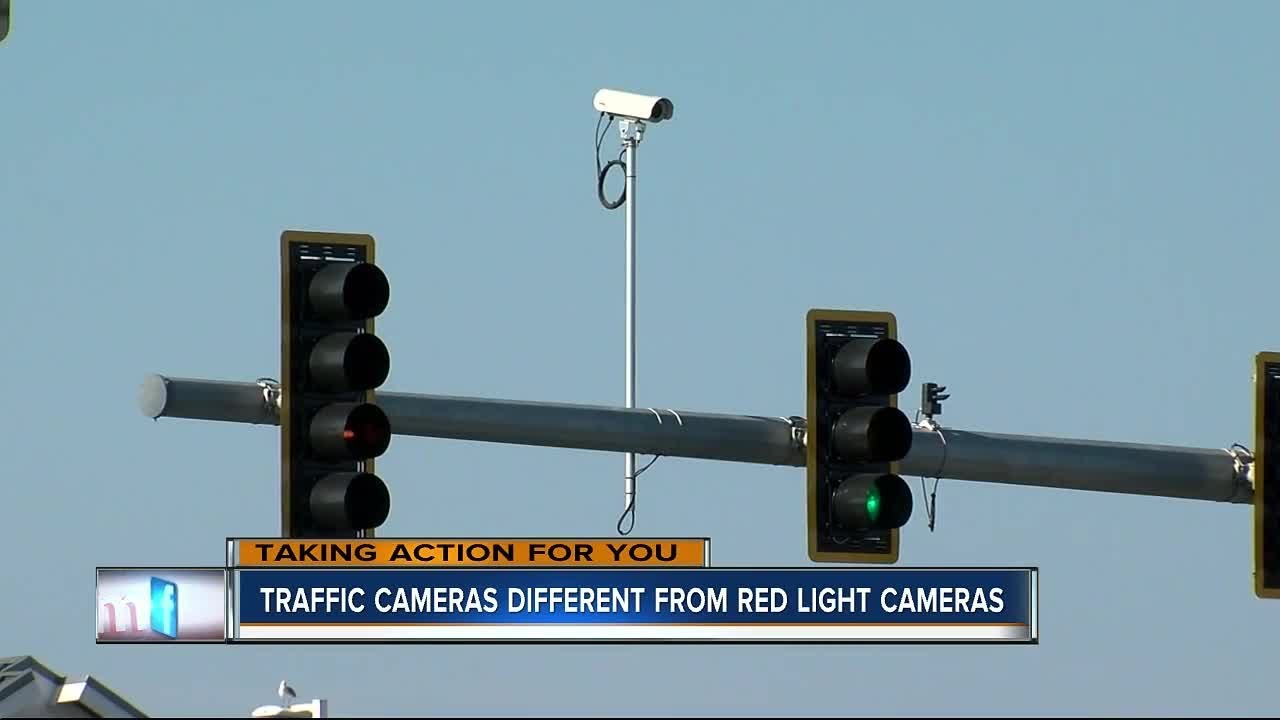
Traffic cameras have a wide range of public safety uses including:
1) Traffic flow. Many cities install traffic flow monitoring devices on roadways and busy intersections in order to measure traffic volume and speed at different times of the day, week, month, or year. The videotapes from these cameras can help engineers understand how people are using streets and highways so that more effective design decisions can be made about future development projects in the area.
If there's congestion in an intersection, cities can adjust the timing of traffic signals for that particular intersection to help with traffic flow. If there's congestion in an intersection, police can adjust the timing of traffic signals for that particular intersection to help with traffic flow. This is called adaptive signal control. Cameras are used to monitor traffic flow so that when it's needed, an agent can go into a system and adjust the timing at the appropriate intersections during high-volume periods. This helps keep traffic flowing smoothly and prevents backups from happening at key intersections.
The National Highway Traffic Safety Administration uses these cameras to track traffic patterns and lessen gridlock. Some cities use video feeds from their highway surveillance systems as part of an overall system designed to help motorists navigate through town by making informed decisions about which routes they choose when traveling during different times of day or night.*
2) Crimes and accidents. Another use for cameras is safety. Cameras can monitor roads for crimes, such as someone stealing from another car, road rage incidents, accidents (or fender benders), and other things that may need attention from law enforcement. Police officers can use these cameras to track down criminals, stolen vehicles, and missing people. Crime prevention is another benefit that traffic cameras offer; they deter potential criminals from committing a crime because they know their photo will be captured on the camera.
Because incidents like robberies or hit-and-run accidents often occur near busy roads and highways, police departments sometimes use camera systems as tools for investigating these crimes when they take place near traffic cameras (only if there is no obvious violation). Traffic camera video and photos can be used to document accidents or crimes. Each city archives video for a certain period of time so if you get in an accident you can subpoena the footage as evidence.
Emergency response. Cities also use their video feeds to track the activity on city streets as part of their emergency response system; if an accident occurs on a major highway, officials can review previous videos taped by nearby cameras in order to better understand what happened when emergency responders arrive on the scene.
What Kind of Camera is This On Traffic Light in Ohio?
Those are not red light cameras. Likely these cameras on the stop lights are tracking traffic and volume to manage the light signal timing. Read other articles on connected signals of traffic lights.
There are several types of traffic cameras used for various purposes to monitor and enforce traffic regulations. Here are some common types of traffic cameras:
Red Light Cameras: Red light cameras are designed to capture images or videos of vehicles that enter an intersection after the traffic signal has turned red. They are typically positioned at intersections and are intended to deter red light violations and improve intersection safety.
Speed Cameras: Speed cameras are used to detect and record vehicles that exceed the posted speed limit. They can be either fixed or mobile cameras and are often placed in areas prone to speeding or areas where safety concerns are high, such as school zones or work zones.
Surveillance Cameras: Surveillance cameras are installed in various locations for general traffic monitoring and security purposes. They are typically used to observe traffic flow, monitor road conditions, and assist in law enforcement activities.
Automatic License Plate Recognition (ALPR) Cameras: ALPR cameras use optical character recognition technology to capture and read license plate numbers. These cameras are often mounted on police vehicles or stationary structures and can quickly scan multiple license plates to identify stolen vehicles, vehicles with expired registrations, or vehicles associated with other violations.
Mobile Cameras: Mobile cameras can be used for various purposes, such as monitoring speed in temporary construction zones, conducting traffic studies, or capturing violations in specific problem areas. They are typically deployed on trailers or vehicles and can be moved to different locations as needed.
Bus Lane Cameras: Bus lane cameras are specifically designed to enforce bus lane regulations. They capture images or videos of vehicles that enter restricted bus lanes, helping to ensure that only authorized vehicles, such as buses or emergency vehicles, use those lanes.
These are just a few examples of the types of traffic cameras that are commonly used. It's important to note that the specific types and applications of traffic cameras can vary between jurisdictions, as different regions may have their own regulations and systems in place to monitor and enforce traffic laws.
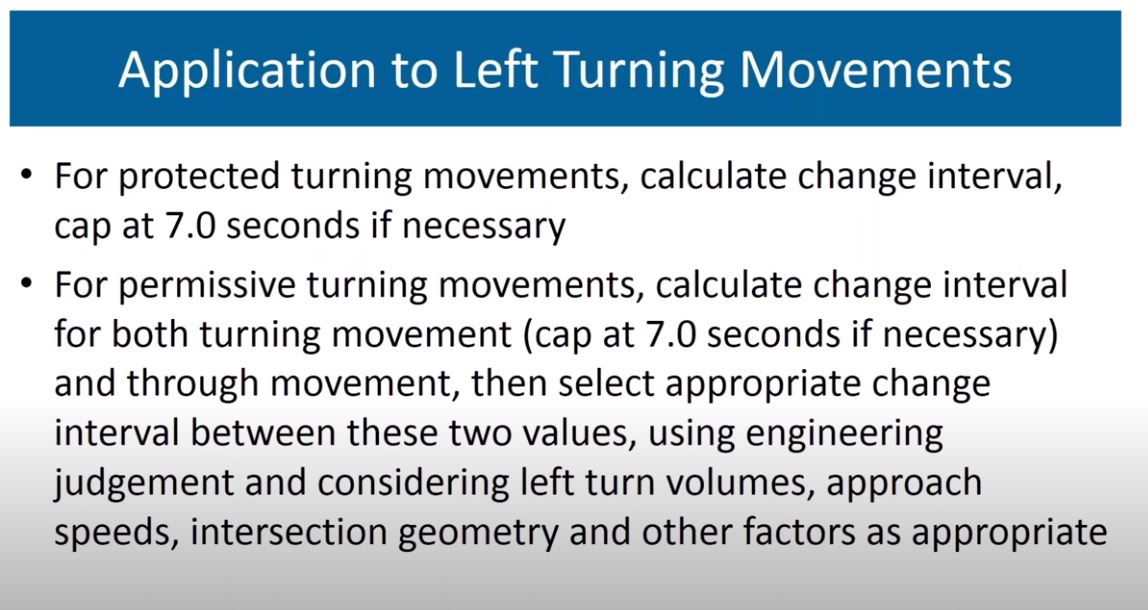
How to Determine Traffic Signal Yellow Light Clearance Intervals
ITE Public Agency Traffic Signal Change and Clearance Interval Webinar

When Will Google Maps Sync With Traffic Lights?

According to this article, Google is experimenting with showing traffic lights in Maps
Google Maps is experimenting with a new feature that displays traffic lights directly in Maps and assumes this will be for Waze also. Traffic lights will be visible both while navigating or simply browsing around.
This doesn't mean that the red lights, yellow lights, green lights will be displayed immediately. It will likely just be a database of traffic lights and locations. This is what it will look like below on Google Maps.

Real-time signals would be very cool. There is a company called Connected Signals which connects the traffic signal to the cloud and will allow mapping companies to display and optimize traffic using these signals.

Connect Signals has a product called Transit Signal Priority (TSP), automatic Pedestrian Signaling (PedSig), and a variety of other applications without requiring the acquisition and installation of additional capital infrastructure, including roadside equipment such as special-purpose optical or radio-frequency devices or DSRC installations. The system’s key innovations are its use of existing infrastructure (including the public cellular network and the city’s Traffic Management System (TMS) and traffic network) to securely provide these capabilities, its use of mobile devices to request action from the signal network, including pedestrian walk signals, and its software-defined nature that supports extension and modification of capabilities without requiring hardware modifications or field-service modifications.
Popular Articles (All Time)
-
 Red light camera tickets typically take from 3-7 business days to process and are mailed to the registered owner of the vehicle. We r...
 -
 A Traffic Monitoring Camera Is Not The Same As A Red Light Camera Many of our readers often get confused about the difference betwe...
 -
 If you ever plan on traveling to Downtown Los Angeles on the 110 Freeway I would suggest buying one of these Fast Trak transponders to avoid...
 -
 Red Light Camera Ticket in The Mail It typically takes 5-7 business for a ticket to arrive in the mail in Florida, California, New Yo...
 -
 Red light cameras are increasingly common at busy intersections, and their purpose is to deter dangerous driving and reduce collisions. ...
 -
 The flash of a red light camera is one of the most dreaded things you can see when you pass an intersection. You may have noticed that if...
 -
 Red-light cameras remain one of the most debated traffic enforcement tools in the United States. Supporters argue they save lives by discour...
 -
 Search the Map for " Live Traffic " To Only See Traffic Cameras Bookmark Our Live Traffic Cameras App on Your Phone ...
 -
 Freedom of Information Act Request to Any Government Agency This is the most common question PhotoEnforced.com receives on a daily b...
 -
 Drives Should Be Wary of Short Yellow Lights at Camera Enforced Intersections