Search For Maps & Articles

Showing posts with label Right Turns. Show all posts

When AI Starts Writing Traffic Tickets: Cities Using AI Cameras

ai tickets

When AI Starts Writing Tickets: How Cities Are Using Artificial Intelligence to Enforce Traffic Laws

Traffic cameras have been watching drivers for decades, but historically they’ve been little more than automated tripwires. Traditional red-light or speed cameras captured a photo when a car crossed a sensor or radar threshold. Human review and manual processing still played a large role.

Today, that system is evolving rapidly. Cities around the world are deploying AI-powered traffic enforcement systems that do much more than capture a photo. These systems use machine learning and computer vision to analyze traffic behavior in real time—detecting multiple violations simultaneously and automatically generating citations.

From Los Angeles to Singapore, and from Philadelphia to Athens, artificial intelligence is becoming the newest traffic cop on the street.

This shift raises important questions:

  • Which cities are deploying AI traffic enforcement?

  • What violations can AI detect?

  • Does it actually improve safety?

  • And what are the privacy concerns?

Below is a deep dive into how AI is transforming traffic enforcement.

The Evolution of Traffic Cameras

The first automated traffic enforcement systems appeared in the 1990s and early 2000s. Early systems were limited to detecting one type of violation—usually speeding or red-light running.

They worked with simple triggers:

  • Induction loops in the pavement

  • Radar sensors

  • Motion detectors

If a car crossed the sensor while speeding or after the light turned red, a photo was taken.

AI cameras are fundamentally different.

Instead of relying solely on sensors, they use computer vision models trained to interpret video footage, allowing them to detect patterns and behaviors in traffic.

Modern AI systems can detect:

  • Speeding

  • Red-light violations

  • Illegal turns

  • Drivers using phones

  • Seatbelt violations

  • Bus lane violations

  • Illegal parking

  • Vehicles driving the wrong direction

Some systems even predict potential crashes by analyzing traffic patterns.

According to industry research, AI traffic enforcement is becoming central to smart city transportation systems built around real-time data and predictive analytics.

Cities Already Using AI Traffic Enforcement

AI traffic enforcement is not a theoretical future technology—it is already being deployed in cities across the United States and globally.

Below are some of the most notable examples.

Los Angeles, California

Los Angeles is one of the largest U.S. cities experimenting with AI-assisted enforcement.

In 2025, the Los Angeles Department of Transportation began using AI cameras mounted on Metro buses to detect vehicles illegally parked in bus lanes.

The system scans video footage as buses drive through the city and automatically flags violations.

In just one month of operation:

  • Nearly 10,000 parking citations were issued automatically.

The city is also preparing to expand automated enforcement under California’s AB 645 law, which allows AI-based speed camera programs in selected cities such as Los Angeles, San Francisco, and San Jose.

San Francisco, California

San Francisco already operates a large network of red-light enforcement cameras and is gradually integrating AI capabilities.

The San Francisco Municipal Transportation Agency uses automated camera systems to detect illegal turns and red-light violations and has begun expanding these systems citywide.

The next generation of these systems will incorporate machine learning algorithms capable of identifying additional behaviors like:

  • Blocking intersections

  • Bus lane violations

  • Illegal right turns

Philadelphia, Pennsylvania

Philadelphia is experimenting with AI enforcement in school safety programs.

AI cameras have been installed on school buses and public transit vehicles to detect drivers who fail to stop when a school bus extends its stop arm.

These systems automatically record violations and issue fines to offending drivers.

The program aims to improve safety around schools where traditional enforcement is difficult due to staffing limitations.

Prince George’s County, Maryland

After two children were killed in a traffic incident near a school, Prince George’s County deployed AI-powered stop-sign enforcement cameras.

These systems detect drivers who roll through stop signs near school zones and automatically record the violation.

The initiative became the first automated stop-sign enforcement system of its kind in the state.

Santee, California

The small city of Santee near San Diego is testing a system called NoTraffic, an AI platform that monitors intersections.

The system uses cameras and radar to detect:

  • Vehicles

  • Pedestrians

  • Cyclists

It can adjust traffic signals in real time and identify dangerous behaviors like red-light running.

AI Traffic Enforcement Around the World

AI enforcement technology is spreading globally, often more quickly outside the United States.

Singapore

Singapore is one of the world leaders in smart traffic systems.

AI traffic cameras are integrated into the country’s Smart Nation initiative, combining predictive analytics, high-resolution cameras, and connected traffic signals.

The system can identify violations while also adjusting traffic signals dynamically to reduce congestion and prevent crashes.

Greece

A pilot program in Athens demonstrated just how powerful AI enforcement can be.

During testing:

  • One AI camera issued over 1,000 traffic fines in just four days.

The system detected multiple violations including:

  • Phone use while driving

  • Seatbelt violations

  • Speeding

Across eight cameras in the pilot program, more than 2,500 violations were detected in the same period.

Vietnam

Vietnamese cities are also deploying AI traffic surveillance systems.

For example, Ho Chi Minh City installed a network of AI cameras capable of detecting:

  • Red-light violations

  • Wrong-way driving

  • Lane encroachment

  • Vehicles driving on sidewalks

The system can monitor multiple violations simultaneously across the city.

What Makes AI Traffic Cameras Different?

AI traffic enforcement systems rely on deep learning computer vision models.

These systems process video frames and identify objects such as:

  • Vehicles

  • Pedestrians

  • Traffic lights

  • License plates

  • Road markings

Once the system identifies objects, it tracks them across frames to analyze behavior.

For example, an AI camera can determine:

  • Whether a vehicle stopped at a stop sign

  • If a driver crossed a lane marking illegally

  • Whether a driver is holding a phone

These systems often combine several technologies:

  • Automatic License Plate Recognition (ALPR)

  • Radar or LiDAR sensors

  • Computer vision algorithms

  • Cloud processing

Together, these tools create a powerful automated enforcement platform.

Why Cities Are Turning to AI

There are several reasons cities are rapidly adopting AI enforcement.

1. Enforcement Scale

Police departments simply cannot monitor every intersection or traffic violation.

AI cameras operate 24 hours a day and can monitor multiple lanes simultaneously.

One AI camera may observe thousands of vehicles per hour.

2. Cost Savings

Hiring police officers for traffic enforcement is expensive.

AI systems can monitor roads with far fewer personnel.

Cities often justify the investment by citing:

  • reduced staffing costs

  • increased ticket revenue

  • improved traffic safety

3. Improved Safety

Research shows automated speed cameras can significantly reduce accidents.

A study of New York City speed cameras found:

  • 14% reduction in crashes after deployment.

By increasing the perceived risk of being caught, automated enforcement can change driver behavior.

The Privacy Debate

Despite the safety benefits, AI traffic enforcement is controversial.

Critics raise concerns about:

Mass Surveillance

AI cameras can record large amounts of data about drivers and vehicles.

Some systems capture:

  • license plates

  • vehicle color

  • vehicle model

  • travel patterns

Algorithmic Bias

If AI systems are trained on biased datasets, enforcement could disproportionately affect certain communities.

Lack of Oversight

Automated systems may issue tickets incorrectly, and appealing them can be difficult.

These concerns have sparked lawsuits and legislative debates in several cities.

The Future of AI Traffic Enforcement

The next generation of AI enforcement may be even more powerful.

Emerging systems are capable of detecting behaviors like:

  • distracted driving

  • aggressive driving patterns

  • tailgating

  • failure to yield to pedestrians

Some cities are experimenting with predictive enforcement, where AI identifies high-risk areas before crashes occur.

As smart city infrastructure expands, traffic enforcement may become fully integrated into urban data networks.

In the future, traffic lights, cameras, and connected vehicles may all communicate with each other to enforce traffic laws automatically.

The Road Ahead

AI traffic enforcement represents one of the biggest shifts in road policing in decades.

Supporters argue that AI can dramatically improve road safety while allowing police to focus on more serious crimes.

Critics warn that automated surveillance could lead to over-policing, privacy violations, and ticketing systems that prioritize revenue over safety.

What is clear is that the technology is already spreading quickly.

Cities across the United States—and around the world—are experimenting with AI cameras capable of issuing tickets automatically, detecting complex traffic violations, and analyzing driver behavior in real time.

For drivers, that means one thing:
the next traffic ticket may not come from a police officer.

It might come from an algorithm.

Right on Red Photo Enforced Tickets vs. Running a Red Light Ticket: What’s the Difference?

Right on Red Sign 

Traffic cameras are now a common feature in many U.S. cities, and two of the most debated violations they enforce are right-on-red tickets and red light running tickets. At first glance, they may seem similar, but legally and financially, they are treated very differently. Drivers often wonder why one carries a heavier fine or why some cities issue more of one type of ticket than the other. Understanding the distinctions can help drivers avoid fines and shed light on how municipalities collect revenue.

What Is a Right-on-Red Photo Enforced Ticket?

When a driver makes a right turn at a red light without a complete stop, a photo enforcement system may capture the violation. These tickets are typically issued when:

  • The vehicle does not stop before the crosswalk.

  • The turn is made despite a posted “No Turn on Red” sign.

  • The turn endangers pedestrians or cyclists.

Typical Penalties:

What Is a Running a Red Light Ticket?

A red light running violation occurs when a driver enters an intersection after the signal has turned red. Unlike right-on-red tickets, this is seen as a more dangerous infraction because it often leads to serious accidents.

Typical Penalties:

Revenue Differences

Cities make far more money from right-on-red violations simply because they are more frequent and easier to capture with cameras. However, red light running tickets, while less common, usually generate higher fines per ticket.

Comparison Table: Top 10 U.S. Cities with Camera Enforcement

City/State Right-on-Red Fine Red Light Running Fine License Points Insurance Impact Revenue Notes
Washington, D.C. $100 $150+ Yes (red light), often civil for right-on-red Yes, for moving Over 60% of camera tickets are right-on-red
Chicago, IL $100 $100 Treated as moving May impact insurance $50M+ annually from red light cameras
New York City, NY Rare (most intersections ban right-on-red) $50 Yes (moving) Minimal at $50 Focused on safety, low fines
Los Angeles, CA (ended in 2011) $159 base ($500 w/ fees) $159 base ($500 w/ fees) Yes Yes Ended program after public backlash
Phoenix, AZ $90 $250 Yes for both Red light strongly impacts Cameras operated by contractors like Redflex
Miami, FL $75 $158 Right-on-red: civil, no points; red light: moving Yes, for red light Highly controversial over fairness
Houston, TX (ended in 2010) $75 $75–$200 Yes Yes Program repealed by voter referendum
Philadelphia, PA $100 $100 Yes Yes Over $100M collected since program began
Seattle, WA $124 $136 Civil infraction, no points No insurance impact Revenue earmarked for traffic safety programs
San Francisco, CA $100+ (varies w/ fees) $500+ Yes Yes Among highest fines in the country for red light running

Safety vs. Revenue Debate

Critics argue that right-on-red tickets are more about money than safety, since the majority do not involve collisions. On the other hand, red light running tickets clearly address a dangerous behavior tied to serious crashes. Cities face pressure to balance safety goals with budget needs, which is why enforcement priorities differ.

Conclusion

While both right-on-red and red light running tickets come from camera enforcement, they differ in seriousness, penalties, and revenue generation. Right-on-red tickets tend to be lower in fines but more frequent, generating steady income for cities. Red light running tickets are harsher, more dangerous, and can have lasting impacts on driving records and insurance.

For drivers, the best approach is simple: always come to a complete stop, obey signage, and be cautious at intersections. For cities, the challenge remains ensuring that enforcement prioritizes safety over profit.

Illegal Right Turns: Laws, Risks & Consequences Explained

no right on red

Summary: Right turns feel simple, but the rules aren’t. This guide explains when a right turn becomes illegal, how enforcement works (including red light cameras), penalties, and practical tips to avoid citations and crashes.

What Counts as an Illegal Right Turn?

An illegal right turn happens any time you turn in conflict with a traffic control device, state law, or safe-yield rules. The most common situations include:

  • Right on red where prohibited. A posted No Turn on Red sign makes the turn illegal at all times unless the sign lists specific hours.
  • Failing to stop before turning on red. A complete stop is required in most states; “rolling” through is widely cited.
  • Turning on a red arrow. A red right-turn arrow is a specific prohibition, even if other lanes have a green.
  • Wrong-lane turns. Turning from a center or left lane (or a bus/right-turn-only lane) without signage allowing it.
  • Turning into the wrong lane. Most laws require turning into the nearest legal lane first, then merging when safe.
  • Failure to yield to pedestrians & cyclists. Crosswalk users with a walk signal and cyclists in the bike lane have priority.

State & City Differences You Should Know

Right-turn rules are similar nationwide, but local exceptions matter:

Examples

  • California: Right on red permitted after a full stop unless posted otherwise; extra caution in school zones.
  • New York City: Generally no right on red unless a sign explicitly permits it.
  • Florida & Texas: Allowed unless posted; must stop and yield to pedestrians/bikes.
  • Downtown cores: Many cities restrict right on red at high-conflict crosswalks or near transit/bike facilities.

Watch for These Signs

  • NO TURN ON RED (sometimes with hours)
  • RIGHT TURN SIGNAL (turn only on green arrow)
  • RIGHT LANE MUST TURN RIGHT (lane control)
  • BIKES MAY USE FULL LANE / protected bike lanes with physical barriers

If the signage seems inconsistent, follow the most restrictive control to stay safe and legal.

How Illegal Right Turns Are Enforced

1) Police Traffic Stops

Officers monitor busy intersections, school zones, work zones, and areas with heavy foot traffic. Common citations include rolling stops, turning during a red arrow, and failing to yield to pedestrians.

2) Red Light Cameras

Automated systems capture vehicles that cross the stop line during a red and then turn without stopping. Evidence typically includes still photos, video clips, lane position, and timestamps. Many programs flag “no stop” right-on-red violations specifically.

3) School Zone & Safety Corridors

Some jurisdictions add time-limited restrictions near schools or high-crash corridors. Expect stricter enforcement during posted hours and around protected bike lanes.

Common Penalties for Illegal Right Turns

Exact penalties vary by state and city, but drivers often face a combination of fines, points, and insurance impacts. School zones or red-arrow violations can carry higher fines.

Penalty Type What to Expect (Typical Range)
Base fine $50–$300 depending on jurisdiction; enhanced amounts in school/construction zones.
License points Often 2–3 points; may trigger administrative fees or corrective courses.
Court/administrative costs Added fees can exceed the fine itself in some areas.
Traffic school Sometimes offered to reduce points; availability varies.
Insurance impact Premiums may rise for 1–3 years depending on your insurer and record.

Common Misconceptions About Right Turns

Myth 1: “If it looks safe, I can always turn right on red.”
Reality: Not when signs prohibit it, a red arrow is displayed, or pedestrians/cyclists have the right of way.

Myth 2: “A rolling stop is fine if nobody’s around.”
Reality: Most laws require a full stop. Cameras routinely issue citations when wheels never fully stop.

Myth 3: “No Turn on Red is only for rush hour.”
Reality: Unless times are printed, the restriction is 24/7.

Myth 4: “I can turn from the bike lane if it’s empty.”
Reality: Using a bike lane as a turn lane is often illegal unless specifically marked.

Why Illegal Right Turns Are Dangerous

  • Pedestrian conflicts: Many crashes happen when drivers look left for traffic but miss pedestrians crossing from the right.
  • Right hooks with cyclists: Turning across a bike lane can cut off people on bikes who have a green or are traveling straight.
  • Visibility limits: Parked vehicles, large trucks, or construction barriers create blind spots that signage is meant to mitigate.
  • Intersection chaos: Wrong-lane turns and rolling stops reduce predictability and increase multi-vehicle conflicts.

How to Avoid Illegal Right-Turn Tickets (and Crashes)

  1. Scan for signage early. Look above, beside, and sometimes before the intersection for “No Turn on Red” or red-arrow signals.
  2. Come to a complete stop. Pause long enough to check crosswalks, bike lanes, and oncoming traffic—then turn when clear.
  3. Yield like your record depends on it. It does. Pedestrians with a walk signal and cyclists proceeding straight have priority.
  4. Use the correct lane. Start from the rightmost legal lane and turn into the nearest legal lane.
  5. Be extra cautious in school zones. Time-specific restrictions and higher fines are common.
  6. Follow the most restrictive control. If signage and signals feel contradictory, the strictest rule keeps you compliant.
  7. Maintain your brakes & tires. Good stopping power reduces the temptation to “roll” through reds.

Quick FAQ

Is right on red always legal?

No. It depends on state law and local signage. A red right-turn arrow or “No Turn on Red” sign makes it illegal, period.

Do I have to stop before turning on red?

Yes, in most states a complete stop is required before you turn right on red.

What if I turned from the middle lane?

Turning from the wrong lane is a separate violation. Expect a citation even if you stopped first.

Can cameras ticket rolling right turns?

Yes. Many systems detect when a vehicle fails to fully stop before a right on red and issue citations.

Disclaimer: This article provides general information and is not legal advice. Traffic laws vary by state and city. Always check your local vehicle code and posted signs.

Red Light Cameras are Cash Cows

cash cow

Safety Tool or Municipal Cash Cow?

Red light cameras remain one of the most divisive traffic enforcement tools in the United States. Cities praise them as lifesaving deterrents, while drivers often view them as sneaky cash machines. Billions of dollars have been collected since their introduction, and the question remains: are these cameras about safety or revenue?

Why Red Light Cameras Were Introduced

The technology arrived in U.S. cities in the 1990s. Its promise was straightforward:

  • Automatically catch drivers running red lights.

  • Free up police resources.

  • Reduce deadly right-angle collisions at intersections.

On paper, it sounded like a win-win. But as citations piled up, public skepticism grew, especially when people noticed how much money cities were making from the fines.

The Safety Debate

Studies consistently show red light cameras reduce dangerous T-bone crashes, which often cause severe injuries and fatalities. The Insurance Institute for Highway Safety (IIHS) found that cities using cameras see fewer fatal crashes caused by red-light running (IIHS).

Yet the trade-off is an increase in rear-end collisions. Drivers slam on the brakes to avoid a ticket, leading to chain-reaction crashes. These tend to be less severe, but they still raise insurance costs and public frustration.

So while cameras may improve safety in one way, they also create new risks. Whether they’re worth it depends on how cities manage them.

The Revenue Engine

While safety is the selling point, revenue is the reality. Many programs generate tens of millions annually. In some places, city budgets even factor in camera fines as a steady funding stream.

  • In Chicago, red light cameras generated $56.5 million between June 2024 and May 2025.

  • In New York City, the program is projected to raise $38 million in FY 2025.

  • Smaller municipalities like Hallandale, Florida projected $1.2 million from just one intersection.

When local governments lean heavily on these fines, critics argue the programs become more about profit than protection.

Contracts and Conflicts of Interest

Adding fuel to the fire are the private vendors who run the systems. In many cities, companies are paid a percentage of each ticket, creating a direct incentive to maximize citations.

That setup raises uncomfortable questions:

  • Are cameras calibrated for safety, or to catch as many drivers as possible?

  • Could short yellow lights or tricky intersections be exploited to drive up revenue?

The potential conflict of interest is a major reason why so many drivers see cameras as a cash cow rather than a safety measure.

Legal and Ethical Issues

Several issues keep sparking public outrage:

  • Due process: Tickets go to the vehicle owner, not necessarily the driver.

  • Accuracy: Malfunctions and unclear photos lead to wrongful citations.

  • Equity: Flat fines disproportionately punish low-income drivers.

  • Transparency: Many cities don’t release calibration data or dismissal rates.

This lack of oversight fuels distrust, leading some states and cities to ban or scale back their programs.

Where the Money Flows Today (2023–2025)

Fresh reporting shows that automated camera revenue remains massive in major metros. Washington, DC, pulled in more than $113 million in 2022 from its automated enforcement network. Chicago’s red light cameras alone produced $56.5 million in 2025. And in New York City, projections show $38 million in fines tied to red light cameras in FY 2025.

Counties and suburbs also rake in millions. For example, Suffolk County, NY, collected nearly $18.7 million in 2023, while Philadelphia redirected almost $14.8 million to state safety grants in FY 2023. Even mid-sized cities like Orlando and Miami report seven-figure totals.

Top 10 Cities by Red-Light (and Automated) Camera Revenue

Rank City / Jurisdiction Year/Window Revenue (USD) Scope
1 Washington, DC 2022 $113,000,000 All automated enforcement (incl. red-light)
2 Chicago, IL Jun 2024–May 2025 $56,500,000 Red-light only
3 New York City, NY FY 2025 (est.) $38,000,000 Red-light only
4 Baltimore, MD FY 2023 $30,400,000 Automated enforcement (speed + red-light)
5 New Orleans, LA 2023 $19,600,000 Automated enforcement
6 Suffolk County, NY 2023 $18,729,267 Red-light only
7 Philadelphia, PA FY 2023 $14,791,780 Red-light only
8 Orlando, FL Jul 2023–Jun 2024 $6,891,599 Red-light only
9 Orange Park, FL 2023 ~$2,160,000 Red-light only
10 Miami, FL FY 2024 proj. ~$2,000,000 Red-light only

Alternatives to Cameras

Critics argue that safer and fairer options exist:

  1. Lengthen yellow lights: Even one extra second can reduce violations by more than a third.

  2. Improve design: Add turn lanes, better signage, and longer all-red intervals.

  3. Targeted police enforcement: Human judgment can distinguish between reckless driving and honest mistakes.

  4. Public education campaigns: Raising awareness about the risks of running red lights.

These measures may not generate revenue, but they directly improve safety.

Public Opinion and Political Pushback

Public sentiment has shifted against red light cameras. In Houston, voters ended the city’s program. Several other states have banned automated enforcement outright.

As more drivers share stories of unfair tickets, and as media investigations uncover budgetary dependence, pressure grows on lawmakers to rethink these programs. Some cities are now required to earmark revenue for road safety projects, while others are phasing out contracts entirely.

Best Practices for Fair Use

If red light cameras are to survive, reforms are essential:

  • Vendors should be paid flat fees, not per-ticket commissions.

  • All revenue should be reinvested into road safety projects.

  • Cities must publish annual reports with calibration logs and appeal statistics.

  • Intersections should be engineered for safety before cameras are installed.

  • Programs should expire unless renewed by proven results.

Without these safeguards, public trust will continue to erode.

Conclusion: More Than Meets the Eye

Red light cameras do reduce dangerous crashes, but they also generate enormous revenue. For cities like Chicago, Washington, and New York, tens of millions of dollars flow in each year. For smaller towns, even a single intersection can bring in millions.

The balance between safety and profit is delicate. Done right, cameras can deter reckless driving and save lives. Done wrong, they become little more than municipal cash cows with a side effect of resentment. The real question isn’t whether cameras work—it’s whether cities use them responsibly.

LA May Add Speed Speed Cameras

Los Angeles has long been known for its traffic congestion, aggressive driving culture, and unfortunately, a high number of traffic-related fatalities. In an effort to improve road safety and reduce speeding, city officials are exploring the possibility of adding automated speed cameras. This move follows similar programs in San Francisco, Oakland, San Jose, and other California cities that have recently authorized speed enforcement technology.

Why Speed Cameras Are Being Considered in LA

Speeding remains one of the leading causes of collisions and fatalities in Los Angeles. According to city data, more than 300 people die on LA roads each year, and speeding plays a role in a large percentage of these crashes. The city’s “Vision Zero” program, aimed at eliminating traffic deaths, has struggled to meet its goals. Advocates believe that speed cameras can be a valuable enforcement tool to change driver behavior without requiring additional police resources.

How Speed Cameras Work

Speed cameras use radar, sensors, or lidar technology to detect vehicles traveling above posted speed limits. If a driver is caught speeding, the system captures an image of the license plate and issues a citation by mail. Most programs operate with strict calibration requirements and clear signage to alert drivers of camera enforcement zones.

Key Features of Proposed LA Program

  • Warning Period: Similar to San Francisco’s rollout, LA may begin with a warning period where drivers receive notices but no fines.

  • High-Injury Corridors: Cameras would likely be placed on roads identified as high-risk for crashes.

  • Equity Measures: Some cities cap fines or provide income-based reductions, an option LA may adopt.

Lessons from San Francisco’s Pilot Program

San Francisco installed 33 speed cameras in March 2025. In just six months, the program recorded more than 400,000 violations, issuing warnings before shifting to citations in August. Early reports show significant reductions in average speeds and a noticeable decline in crashes at monitored locations.

These results are one reason LA officials are seriously considering following suit. If San Francisco can issue 1,000 violations a day and show measurable safety benefits, LA may expect similar outcomes on its most dangerous streets.

Supporters vs. Critics

Like most traffic enforcement tools, speed cameras have supporters and detractors.

  • Supporters argue:

    • Cameras save lives by reducing dangerous speeding.

    • Automated enforcement is unbiased and does not involve direct police stops.

    • Programs can free up police resources for more urgent tasks.

  • Critics counter:

    • Cameras may be seen as revenue-generating tools rather than safety measures.

    • Errors in calibration or signage could lead to unfair tickets.

    • Low-income drivers may be disproportionately impacted by fines.

Where LA Might Place Cameras

If approved, the first wave of cameras would likely target corridors with high crash rates, such as:

  • Ventura Boulevard in the San Fernando Valley

  • Wilshire Boulevard in West LA

  • Sepulveda Pass and the 405-adjacent streets

  • Areas near schools and pedestrian-heavy intersections

Placement decisions will depend on traffic studies and community input.

How Drivers Can Prepare

Drivers in Los Angeles should expect speed enforcement to become stricter if cameras are adopted. Here are a few tips to avoid costly tickets:

  • Pay attention to posted limits — especially in school zones.

  • Use navigation apps — many already warn of enforcement areas.

  • Be mindful in high-risk corridors — camera placement will target the most dangerous streets.

The Bigger Picture in California

Los Angeles is part of a growing trend in California. Alongside San Francisco, Oakland, San Jose, Long Beach, Glendale, and Malibu, more cities are embracing automated enforcement to curb traffic deaths. If these programs continue to show results, statewide expansion is likely.

Conclusion

The debate over speed cameras in Los Angeles highlights the tension between safety and fairness. While some drivers see them as “cash grabs,” others recognize their potential to save lives in a city with some of the most dangerous roads in the country. As LA officials weigh their options, drivers should prepare for a future where speeding comes with a higher risk — not only of accidents but of getting caught by technology.

The State of Florida Seeks Share of City Revenue from Cameras

city red light camera revenue Florida

Florida cities have long used red light cameras as a tool to promote traffic safety and reduce violations at dangerous intersections. These cameras generate significant revenue for local governments, funding various public services. However, the State of Florida is increasingly interested in obtaining a portion of this income, raising questions about the impact on local budgets and public safety initiatives. Here’s a look at why the state wants a share of red light camera revenue, what it means for Florida cities, and how it could affect residents. 

Why Does Florida Want Red Light Camera Revenue?

Improper Right or Left Turn Tickets: What They Are and How to Handle

No left or right arrow stop light

Making an improper right or left turn is a common traffic violation that can result in a ticket, fines, and even points on your driver’s license. These violations are more serious than they may seem, as improper turns can increase the risk of accidents and disrupt traffic flow. Understanding what constitutes an improper turn, the penalties involved, and how to handle an improper turn ticket can help drivers avoid mistakes and manage the consequences if they receive a citation.

What Is an Improper Right or Left Turn?

Illinois Proposal: Trial by Phone Marks Court Shift

Trial by phone

In an effort to modernize the judicial system and enhance accessibility, Illinois legislators have introduced a groundbreaking proposal to allow trials to be conducted via phone. This innovative approach aims to streamline court processes, reduce backlogs, and improve the overall efficiency of the legal system. As courts adapt to the challenges posed by the COVID-19 pandemic and embrace technological advancements, this legislation could set a precedent for other states. Here’s what you need to know about the proposed trial by phone legislation in Illinois.

The Need for Change in the Judicial System

The traditional court system has faced numerous challenges in recent years, including:

  1. Backlogs and Delays: Courts across Illinois have struggled with significant backlogs, leading to lengthy delays in legal proceedings. This has affected the timely resolution of cases and has often left defendants waiting months or even years for their day in court.

  2. Accessibility Issues: Many individuals, particularly those in rural areas or with mobility challenges, find it difficult to attend court hearings. Travel time, transportation costs, and other barriers can prevent people from accessing justice.

  3. Technological Advancements: The pandemic accelerated the adoption of technology in various sectors, including the legal field. Virtual court proceedings became a necessity, demonstrating that remote participation could be effective in many situations.

Key Features of the Proposed Legislation

The Illinois legislation proposing trial by phone includes several key features:

  1. Remote Participation: Defendants, attorneys, and witnesses would have the option to participate in court proceedings via phone. This would allow for greater flexibility and accessibility, particularly for those unable to attend in person.

  2. Limited to Certain Cases: The proposal is likely to focus on specific types of cases, such as minor traffic violations or low-level misdemeanors, where a phone trial could be appropriate without compromising the integrity of the judicial process.

  3. Procedural Safeguards: The legislation would include procedural safeguards to ensure that the rights of all parties are protected. This may involve recording the proceedings, ensuring secure communication channels, and providing options for in-person hearings if necessary.

  4. Cost-Effectiveness: By reducing the need for in-person appearances, the legislation aims to cut down on court costs, transportation expenses, and lost work time for participants.

Potential Benefits of Trial by Phone

The proposed legislation offers several potential benefits:

  1. Increased Accessibility: By allowing trials to be conducted via phone, individuals who may have difficulty attending court in person can participate more easily, promoting fairness and inclusivity in the legal process.

  2. Reduced Backlogs: Remote trials could help alleviate court backlogs, enabling cases to be resolved more swiftly and efficiently. This would benefit not only defendants but also the judicial system as a whole.

  3. Flexibility for Legal Professionals: Attorneys and legal representatives would have greater flexibility in managing their schedules, allowing them to handle more cases effectively.

  4. Adaptability to Future Challenges: As society continues to adapt to technological advancements, implementing phone trials positions the Illinois judicial system to respond to future challenges, whether they be health-related or logistical.

Challenges and Considerations

While the proposal presents many advantages, there are also challenges to consider:

  1. Ensuring Fairness: Critics may raise concerns about ensuring fair trials and the ability to adequately present evidence over the phone. Safeguards will be necessary to maintain the integrity of the judicial process.

  2. Technical Issues: Reliance on technology means that courts must be prepared to address potential technical issues that could disrupt proceedings or affect communication.

  3. Public Perception: The perception of phone trials as a less formal or serious approach to justice may lead to resistance from some legal professionals or the public.

Conclusion

The proposed legislation in Illinois to allow trials by phone marks a significant step towards modernizing the judicial system and increasing accessibility. By leveraging technology, the state aims to address long-standing challenges in the legal process while ensuring that justice remains accessible to all. As the legislation progresses, it will be crucial for lawmakers, legal professionals, and the public to engage in discussions about its implications and to work together to create a system that serves the needs of all citizens effectively.

5 Road Traffic Signs and Their Meanings

do no pass, yield, stop, pedestrian, speeding signs

Not knowing the meaning of road traffic signs can have dire consequences. You could get a hefty fine, or worse, you could get into a serious accident. While you may not know every single road sign out there, it's important to at least know the basics. 

Here are five common road traffic signs and their meanings.


Yield Signs


A yield sign looks like a triangle with a red background and white lettering. You'll see these signs most often when you're approaching an intersection where another driver or oncoming traffic has the right-of-way. 


When you see a yield sign, you should slow down and be prepared to stop if necessary. You'll need to yield to an oncoming driver or oncoming traffic. 


Stop Signs


A stop sign is one of the most common road signs. It's easy to spot because it's octagon shaped and it's red with white lettering. 


A stop sign means that you must come to a complete stop before proceeding. You should stop at the marked stop line or, if there is no stop line, before entering the crosswalk.


If there's no crosswalk, you should stop before reaching the intersection. Once you've stopped, yield to any pedestrians or oncoming traffic before proceeding.


No Turn on Red


This sign is located at a stop light and does not permit right turns when the traffic light is red. This is usually because there is a blind curve or visibility is limited to see oncoming traffic. When turning red on the right is permitted there will not be any signs. When turning right on red you must come to a complete stop.


Pedestrian Crossing Signs


You'll see pedestrian crossing signs in areas where there are a lot of pedestrians, such as near schools or parks. 


These signs are yellow and black and have a pedestrian crossing symbol on them. When you see one of these signs, it means that you need to slow down your car for any pedestrians who are crossing the street.


You should also be prepared to stop completely if necessary. Once the pedestrians have cleared the crosswalk, you can proceed.


Speed Limit Signs


Speed limit signs tell you how fast you're allowed to drive on a particular road or highway. These signs are usually round or rectangular and have a white background with black lettering. The speed limit will be posted on the sign in both MPH and KPH.


You should always obey the posted speed limit. However, you may need to drive slower than the posted limit if conditions warrant it. For example, if it's raining or snowing, you'll need to slow down to maintain control of your vehicle.


No Passing Zone Signs


No passing zone signs are typically rectangular and have a yellow background with black lettering. These signs are posted in areas where it's not safe to pass other vehicles. When you see one of these signs, you should stay in your lane and not attempt to pass other vehicles.


Otherwise, you could get into a serious collision accident. 


Obeying road signs is essential to keeping yourself and others safe on the road. If you're not sure what a particular sign means, be sure to look it up or ask someone before proceeding. Ignorance is no excuse for breaking the law or for getting hurt.

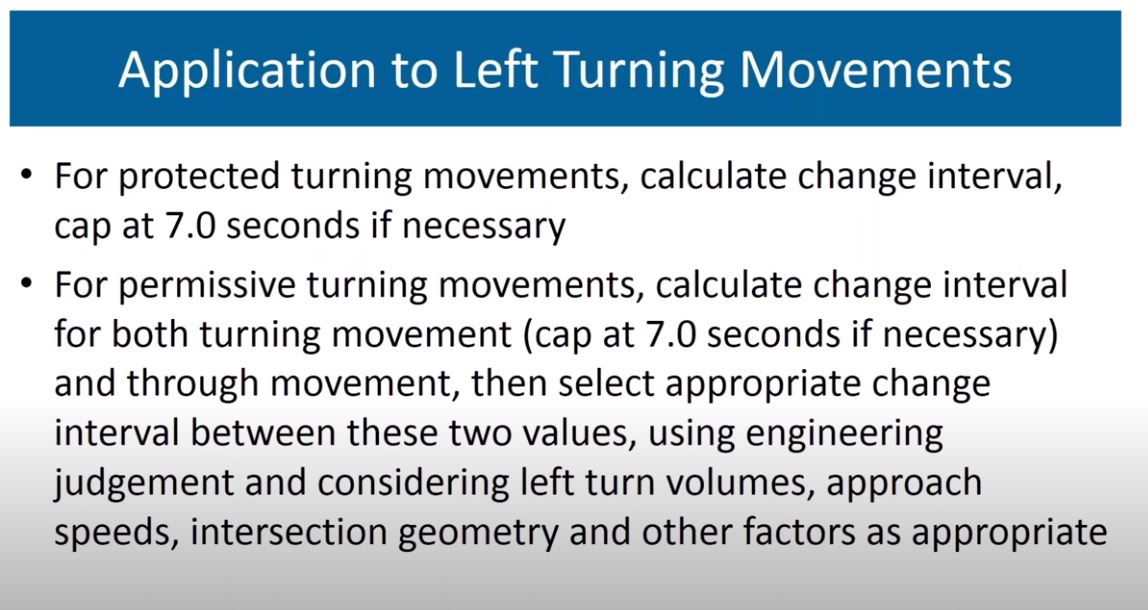
How to Determine Traffic Signal Yellow Light Clearance Intervals

ITE Public Agency Traffic Signal Change and Clearance Interval Webinar
recommended times for yellow light
Recommended times for yellow light

left turn maximum length of yellow light
Recommended left turn maximum length of yellow light

No Right Turn on Red Intersections Map

Locations of No Right Turn on Red Intersections

These intersections above monitor illegal right turns on red.  Some of these intersection also monitor rolling right turns.  If you want to find these intersections in your City type in "Right Turn" into the name field and zoom into your area.  Some of these intersections also monitor red light violations as well.  These cameras are colored in red.  No right turns on red only are colored in yellow.  

Rolling Right Turns in Florida


Rolling Right Turns in Florida

Cities and counties aren't just using short yellow lights to rack up millions of dollars in extra red light camera tickets in Florida; some are also using stricter-than-intended enforcement to issue rolling right tickets to drivers. While this summer's tweaks to red light camera (RLC) legislation were promoted as protection against overzealous ticket-writers, the language that affects right turns-on-red doesn't do very much. It says the officers that review RLC violations cannot issue a ticket if the driver came to a complete stop, regardless of where the driver stops in relation to the stop bar. But drivers who stopped a few feet over the stop bar weren't typically getting tickets anyway, because the Mark Wandall Act, which standardized the use of RLC across Florida in 2010, specifies officers should not ticket drivers who make rolling right turns in a "careful and prudent" manner.

Haines City Cameras Make $1M in 1st Month


In the first month, Haine City, Florida has ticketed 7,066 drivers for making illegal right-hand turns or running red lights. At $158 the fines total approximately $1.1 million. In the month the red light camera photo enforcement system has been operating, the cameras have taken 20,756 photographs, and of those only 50% have captured violations.

Based on $158, $83 goes to the state while the city receives $75. The city leases the 10 cameras from Arizona-based Automated Traffic Solutions.  Florida's estimated that the red light cameras would bring in $29M in 2011 and nearly $100M in 2012 into state coffers, and would provide about $75M to local governments. Haines City projects the city could receive $5.4 million annually from the citation revenue at the current run rate.


Ticket for Illegal Right Turn

Illegal Right Turn & Rolling Right Tickets Defined

The difference between the two types of tickets is huge!   If you made a right-hand turn at a red light and were caught by a camera, chances are that the ticket you received in the mail states you violated CVC§21453(a) even though they could have (some argue should have) cited you for CVC§21453(b). For some cities, like Los Angeles, CA most of the revenue is generated by illegal right turns, in fact, an LA Times article from December last year reported that according to the Los Angeles Police Department, an estimated 8 in 10 photo tickets were issued for right turns.  Do you wonder police departments are now issuing tickets under Vehicle code section CVC§21453 (a) regardless of whether or not the motorist was turning right?

Here are both of these sections:

21453 Circular Red or Red Arrow

(a) A driver facing a steady circular red signal alone shall stop at a marked limit line, but if none, before entering the crosswalk on the near side of the intersection or, if none, then before entering the intersection, and shall remain stopped until an indication to proceed is shown, except as provided in subdivision (b).

(b) Except when a sign is in place prohibiting a turn, a driver, after stopping as required by subdivision (a), facing a steady circular red signal, may turn right, or turn left from a one-way street onto a one-way street. A driver making that turn shall yield the right-of-way to pedestrians lawfully within an adjacent crosswalk and to any vehicle that has approached or is approaching so closely as to constitute an immediate hazard to the driver, and shall continue to yield the right-of-way to that vehicle until the driver can proceed with reasonable safety.

Now, here’s the distinction:

The first section (a) says nothing about right turns and is basically used for those who go straight through a red light.

The second section (b) essentially says you can turn after stopping if there is no sign prohibiting a turn on red.

So if you made a “California rolling stop” why wouldn’t you be cited for the second section (b) instead of (a) you might ask...

Check out this “Traffic Infraction Penalty Schedule” (from the January 2010 Edition Uniform Bail and Penalty Schedules, California Rules of Court, Rule 4,102):

Section: 21453 (a, c)
Offense: “Red” Signal- Vehicular Responsibilities
Total Bail/Fee (Keep in mind the so-called “Total Bail” is before a certain additional court or other fees that is added and there are 30 counties in CA authorized by law to exceed the total bail/fee):$380.00

Section: 21453 (b)
Offense: “Red” Signal- Vehicular Responsibilities With Right Turn
Total Bail/Fee (Keep in mind the so-called “Total Bail” is before a certain additional court or other fees that is added and there are 30 counties in CA authorized by law to exceed the total bail/fee):$146.00

Redflex & ATS Class Action Lawsuits

Bruce Simon from Palo Alto has filed a class-action lawsuit against the two largest companies who run red light cameras in San Mateo county Redflex and American Traffic Solutions. Simon says they're violating state law by including a so-called "cost neutral" provision in the contracts.  Simon says the camera makers reimburse cities when they can't make enough from tickets to pay for the monthly operational costs. It can't be a money loser for the cities and the companies will make up the difference.  Red light camera operators typically pick intersections that are going to be susceptible to the most tickets, says Simon.  We're going after the private companies that induce these municipalities to get into these contracts as revenue-enhancing vehicles, Simon said.  If it's supposed to be about safety and preventing accidents, the revenue aspect shouldn't be as important.

There have been court challenges to the cost-neutral clause and as a result, several Peninsula cities have stopped using the red light cameras, others are in the process of dropping it, among them is Redwood City.  Another trend seems to be the growing use of right turn cameras or those intersections that monitor if you make a "California Stop".  A California stop is also referred to as a rolling right turn. 

Related articles:
Red-light cameras in Redwood City have not resulted in a significant drop in accidents

Failure to Stop on Red Ticket

stop here on red photo enforcement

How much does a Failure to Stop on Red ticket cost?  We have over 170 locations in our database (as of February 2010) around the US in and the fine ranges from $50 on the East Coast and up to $350 on the West Coast in California.   The amount of the fine is set by each city and would recommend you search for "Right Turn Cameras" in our open database at PhotoEnforced.com to get a better idea of what it will be in your city.

Illegal rolling right turns are when a driver does not come to a "complete stop" before making the turn. These turns result in a ticket when the driver makes a right turn on red regardless if they came to a complete stop. It's a very "grey area" what a "complete stop" is but I have been told it's anything under 7MPH.  If you are traveling over 7MPH measured by the camera pictured above you will likely get a ticket.

Photo enforcement of illegal right turns or failure to stop on red is becoming a very popular revenue source among many cities around the US. Illegal right turns are made when a sign clearly states "no right on red" or "after stopping a right turn is permitted on red' or "stop here on red" (pictured above).

We would appreciate any feedback from drivers around the Country to clarify this below under comments.

Loma Linda Keeps Rolling Right Turn Cameras

Press-Enterprise - Monday, February 15, 2010

The City Council agreed last week to leave the cameras in place at four intersections on Redlands Boulevard and Barton Road after learning that the number of traffic citations has dramatically dropped and that it would cost the city more than $534,000 to cancel its contract with the camera operator 10 months early.

Four months after Redflex Traffic Systems installed the cameras in 2006, the San Bernardino County Sheriff's Department reported that it was writing 1,200 tickets a month. Last month, City Attorney Richard Holdaway said the cameras captured 451 potential violations and only 157 tickets were issued.

Of the violations spotted in January, Holdaway said, 130 potential citations were not written because the deputy reviewing the pictures made "a finding of safe right turn on red."

City Council members say they have been besieged with complaints from motorists forced to pay a fine of more than $450 for not making a complete stop before turning right at the intersections of Anderson Street and Mountain View Avenue with Barton Road and Redlands Boulevard.

Holdaway met in closed session with the council last week to advise council members on the legal ramifications of cancelling Redflex's contract before it expires in December.

Then, in public session, City Manager T. Jarb Thaipejr disclosed that the cost to the city would be $534,558.83 if the contract were terminated this month and would amount to $42,000 a month for the remaining term if the council pulls the plug later this year.

Councilmen Rhodes "Dusty" Rigsby and Ovidiu Popescu lobbied last month for either pulling the plug on the cameras or telling the Sheriff's Department not to enforce right-turn violations based on photos from the cameras. They said the $13.5 million in fines imposed since the cameras were installed has been draining the local economy and discouraging people from driving to and through the city of 22,000 residents.

Holdaway said the state Vehicle Code precludes the city from ordering deputies not to write citations.

"Ultimately," he said, "the Sheriff's Department has the sole discretion as to whether or not to issue a citation. We need to respect that discretion that the law enforcement officer has.

"As a result of this discussion, the Sheriff's Department is exercising that discretion ... and they're looking at some of the safety issues, whether or not a particular situation rises to a significant safety violation," Holdaway said. "Right turn situations, the notorious California stop, are some of the situations that they're looking at."

Rigsby noted that the city's decision to increase the length of time that the lights are yellow by one second, at the expense of green lights, has reduced the number of left-turn violations from 240 month to 25 or 30.

He said the most egregious violations involve motorists who drive straight ahead through red lights and those incidents at the four intersections produced only five violations.

"That is tremendous improvement in safety from what we were seeing in the past," he said. "We could have had that safety with lengthening the yellow lights four years ago instead of installing red-light cameras.

Councilman Floyd Petersen, who has complained about the steep fines for right turns, said he was impressed with the decline in violations. He said it is "a very strong indication ... of increased safety at the intersections."

He also said that despite that decline, "I still very, very strongly feel that another issue needs to be addressed here. A $450 ticket for right-hand turn is ludicrous."

Mayor Stan Brauer acknowledged concerns about the message that ignoring violations would have.

"What do we tell our teen-age drivers? Well, you don't need to stop for red lights," he said.

Popescu said he is "very optimistic" after learning that the Sheriff's Department is writing fewer citations for right turns.

He said he still believes the city has a "viable option for us to get out of the contract early, given what I believe is an injury to the community."

He conceded, however, that the cost may be prohibitive.

"I think it is a little early" to make a final decision, he said, and vowed to bring up the issue again at the council's March 9 meeting.

Rolling Right Turns and No Right Turns On Red

PhotoEnforced.com today added a new category of photo enforcement "Right Turn Cameras" to complement our growing list of "red light cameras" and "speed cameras." As of today, we have added 44 locations where illegal right turns are photo enforced from around the U.S. and will be adding many more as the data starts to trickle in from users.

We are starting to see a growing number of right turn cameras popping-up around the U.S. that use traditional red light camera technology to enforce illegal right turns. These new cameras are typically enforcing illegal right turns red or rolling right turns. Illegal rolling right turns are when a driver does not come to a complete stop before making the turn. Illegal right turns are when the driver makes a right turn on red regardless if they came to a complete stop. The fines in California are $159 and right turn cameras are also being used in Missouri $100), Tenessee ($100), Texas ($75), and Maryland ($75).

These right turn photo enforced intersections often surprise drivers because there are not very many intersections currently regulated. These intersections usually prevent drivers from turning right who might have limited visibility 0t might be moving at a speed that is unsafe. I still haven't figured out why rolling right turns is such a big deal that they have to be photo enforced. It's possible that bikers or pedestrians often are frequenting the sidewalks or streets and the cities want drivers to be extra cautious.

Failure to Stop on Red Ticket

Here is a question from an email l received and would like your help answering . . .

I got a red light ticket in Orange County Ca, for a rolling right turn. The signs say "photo enforced" but the star witness is the video that they have. The photos that they send you in the ticket doesn't prove you didn't make a fast stop in between the photos. Has anyone ever used this defense that has emailed you...that the signs are incorrect because California VC 21455.5 (a) (1) says Identifies the system by signs......etc. How is "Photo enforced" Identifying a video system. Any feedback would be helpful..thanks

Popular Articles (All Time)