Search For Maps & Articles

Showing posts with label Drunk Drivers. Show all posts

Traffic AI Cameras Expand to Seatbelt & Phone Detection

Traffic AI Cameras Expand to Seatbelt, Phone Use, and Impaired Driving Detection

The New Frontier of Traffic Enforcement

For decades, automated traffic enforcement was limited to speed cameras and red-light cameras. While controversial, these tools became a fixture in cities across the United States, the European Union, and Australia. Now, advances in artificial intelligence (AI) and computer vision are pushing traffic enforcement into new territory. Modern AI-powered traffic cameras can detect far more than speeding—they can identify whether a driver is wearing a seatbelt, using a handheld phone, or even showing signs of impairment behind the wheel.

This rapid expansion of capabilities marks a turning point in road safety and civil liberties debates. Proponents argue the technology saves lives, while critics warn about privacy, accuracy, and the potential for overreach.

From Speeding to Seatbelts: What’s Changing

The traditional traffic camera captured a simple infraction—speeding above a posted limit or running through a red light. AI cameras, however, can analyze subtle behaviors inside the vehicle cabin:

  • Seatbelt Detection – Cameras can spot whether a driver or passenger is buckled up. In Australia, New South Wales launched widespread seatbelt camera programs in 2021, issuing hundreds of thousands of fines in the first year. Similar pilots are now underway in Europe.

  • Phone Use Monitoring – Distracted driving caused by texting or calling is one of the top causes of crashes worldwide. AI cameras can identify drivers holding phones near their faces or laps, capturing evidence even at highway speeds.

  • Impaired Driving Indicators – Researchers in the EU and U.S. are training AI systems to detect erratic lane changes, delayed reaction times, and abnormal eye or head movements, raising the possibility of real-time impaired driving alerts.

The U.S. Approach: State-Level Pilots and Pushback

In the United States, traffic enforcement has traditionally been a patchwork of local laws. Some states fully embrace cameras, while others ban them. With AI technology, the split is becoming more pronounced:

  • New York is testing distracted driving detection systems along select corridors. Cameras capture drivers texting and issue automated citations.

  • California passed legislation in 2023 allowing pilot programs for phone-use detection, though strong privacy rules limit how long images can be stored.

  • Texas and Florida, meanwhile, continue to ban most automated enforcement technologies, arguing that they violate constitutional due process rights.

Civil liberties groups in the U.S. argue that these cameras create “mass surveillance highways,” but road safety advocates counter with crash data showing lives saved.

Europe Leads in Deployment

The European Union has taken a more unified approach. The EU’s 2022 Road Safety Charter called for cutting road deaths by half by 2030, and AI enforcement plays a big role.

  • The Netherlands has deployed phone-use cameras nationwide, issuing thousands of fines for drivers caught holding devices.

  • Spain and France are expanding seatbelt cameras across highways, often coupled with existing speed enforcement systems.

  • Germany, historically cautious on privacy issues, is still debating the scope of AI enforcement, balancing GDPR requirements with road safety goals.

The EU’s coordinated strategy may serve as a global model, demonstrating how member states can adopt common technology standards while maintaining oversight.

Australia: A Pioneer in AI Enforcement

Australia is perhaps the most aggressive adopter of AI traffic cameras. New South Wales pioneered large-scale distracted driving detection in 2019, installing cameras that scan millions of vehicles per year. The state reported a 22% reduction in road fatalities attributed to phone use after the rollout.

Victoria and Queensland followed suit with combined seatbelt and phone detection systems. Unlike the U.S., where courts often block such programs, Australia has widespread public acceptance, driven by strong road safety campaigns.

How the Technology Works

Modern AI traffic cameras use a blend of hardware and software innovations:

  • High-Resolution Lenses capture detailed images of drivers even in low light or high-speed conditions.

  • Infrared Sensors allow seatbelt and phone detection regardless of sunlight glare or window tint.

  • Machine Learning Models analyze images in milliseconds, distinguishing between safe and unsafe behaviors.

  • Data Integration connects violations to license plates, allowing automated ticketing or real-time alerts.

Importantly, most systems are designed to blur passenger faces and only store images when an infraction is detected. Still, concerns remain over potential misuse.

Benefits of AI Traffic Cameras

Supporters of these new systems point to measurable benefits:

  1. Lives Saved – Distracted driving accounts for thousands of deaths annually. Automated enforcement can reduce incidents by changing driver behavior.

  2. Efficiency – AI cameras operate 24/7, reducing the need for costly police patrols.

  3. Fairness – Unlike officer-based stops, automated systems apply rules consistently, avoiding racial profiling concerns.

  4. Revenue – While controversial, fines generate funds for infrastructure and safety programs.

Controversies and Criticisms

Despite benefits, expansion beyond speed and red-light enforcement raises serious concerns:

  • Privacy – Continuous surveillance of drivers may feel invasive. Who owns the data, and how long is it stored?

  • Accuracy – False positives remain a risk. A driver scratching their face could be misread as holding a phone.

  • Equity – Critics argue fines disproportionately impact low-income drivers.

  • Scope Creep – If cameras detect seatbelts today, will they monitor other personal behaviors tomorrow?

Civil liberties groups in the U.S. and Europe continue to file lawsuits, while technology vendors stress transparency and limited data retention.

Market Growth and Major Vendors

The global market for AI traffic cameras is growing rapidly. Analysts project the sector will exceed $20 billion by 2030, driven by government contracts and public-private partnerships.

  • Verra Mobility (U.S.) supplies red-light and speed systems and is now adding AI features for distracted driving detection.

  • Acusensus (Australia) is a leader in phone and seatbelt detection, exporting its technology to Europe and North America.

  • Jenoptik (Germany) focuses on multi-functional enforcement systems, integrating speed, seatbelt, and phone use detection.

Competition among vendors is intense, with AI startups entering alongside long-established traffic camera companies.

Public Opinion: Divided but Shifting

Polls show mixed public support. In Australia, over 70% of residents support phone-use cameras. In the U.S., support is split by state, with higher acceptance in urban areas suffering from distracted driving crashes. In Europe, acceptance tends to rise once data shows reductions in fatalities.

Generational attitudes also play a role. Younger drivers often view cameras as normal parts of digital life, while older generations raise stronger civil liberties concerns.

The Road Ahead

The expansion of AI traffic cameras is unlikely to slow. As technology becomes more precise and affordable, governments around the world will test and adopt new use cases. Potential next steps include:

  • Fatigue Detection – Identifying drowsy drivers before accidents occur.

  • Aggressive Driving Monitoring – Tracking tailgating, swerving, and sudden braking.

  • Insurance Integration – Sharing anonymized violation data with insurers, potentially affecting premiums.

The challenge for policymakers will be balancing safety benefits with civil liberties, ensuring transparency, accuracy, and fair enforcement.

Conclusion

AI-powered traffic cameras represent the next evolution of road safety enforcement. No longer confined to speed and red-light violations, these systems now target distracted driving, seatbelt use, and even impaired driving indicators. The U.S., EU, and Australia are leading testbeds, each with unique political, cultural, and legal approaches.

As the technology matures, societies must answer hard questions: How much surveillance is acceptable for safety? How do we prevent misuse while saving lives? These debates will shape the future of transportation enforcement—and perhaps the balance between technology and civil liberty itself.
AI Cameras to Detect Drunk Driving: Trials Underway

For decades, the fight against drunk driving has relied on sobriety checkpoints, police patrols, and roadside breath tests. While effective, these methods depend heavily on chance encounters and are resource-intensive. Now, new technology is emerging that could revolutionize how authorities detect impaired drivers: AI-powered cameras designed to spot signs of drunk or drug-impaired driving in real time.

At the forefront of this movement is Acusensus, an Australian company already known for using cameras to catch drivers using mobile phones and not wearing seatbelts. After success in Australia and abroad, the company is trialing a new application of its technology—identifying potential impairment behind the wheel.

Who Is Acusensus?

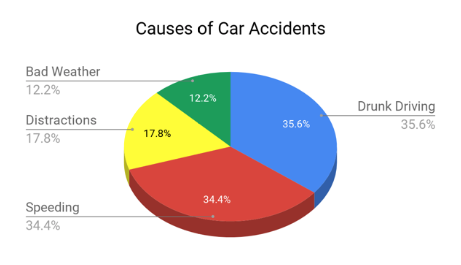
Common Reasons for Car Accidents Explained

Common Reasons for Car Accidents

Cars are an incredible invention and one that many of us simply can't live without. However, they are also one of the leading causes of death and injury worldwide.  

According to NHTSA, there were 5,250,873 police-reported crashes in 2020, meaning that Americans had a 1 in 63 chance of getting involved in an accident. Whether you are driving or walking, it is essential to be aware of how you can protect yourself and others on the road. 

Want to learn more? Below we will go over the ten most common car accident causes, and provide some tips on how to avoid them.  

Let's get started. 

Distracted Driving 

Distracted driving is the most common cause of vehicle accidents, and can result in some of the most devastating crashes. Some of the biggest culprits include: 

  • Texting
  • Talking on the phone
  • Eating and drinking
  • Grooming
  • Speaking directly to passengers 

To prevent this from happening to you, it's important to focus only on driving. Put away your phone, eat/drink before you depart, and most importantly, keep your eyes on the road at all times. You should also make sure your passengers are behaving appropriately.  

If you have been involved in an incident, be sure to reach out to the team at Lamber Goodnow in Tucson. The right professionals will ensure you get the compensation you deserve.

Speeding 

Speeding is another leading cause of accidents, especially on highways and freeways. Driving too quickly will decrease your decision-making time and makes it harder for you to react to changing conditions.  

To avoid speeding, always obey the limit that is placed. You should also adjust your speed according to traffic, weather, and road conditions. For example, you may need to drive slower during busy holiday periods. 

Reckless Driving 

Reckless driving includes actions such as racing, lane weaving, tailgating, and ignoring traffic signals. Rules are in place for a reason, and choosing to neglect them could result in severe injuries and fatalities - not to mention legal complications.

Always stick to the road laws, and drive responsibly. You aren't just protecting yourself, but also the lives of your passengers and pedestrians.  Can you report dangerous driving? 

Drunk Driving

Much like reckless driving, drunk driving is a serious offense that can land you in a lot of trouble. Alcohol impairs your judgment, vision, and reaction time, making it incredibly dangerous to operate a vehicle. 

If you plan to drink, always have an alternative form of transport arranged in advance, such as a designated driver, taxi, or public transportation. You can still enjoy your night but won't be responsible for harming someone while you're behind the wheel.

Fatigue 

Feeling sleepy can seem rather harmless, but it can affect your ability to focus. Whether you're a long-haul truck driver, shift worker, or simply driving on a long road trip, it's easy to get exhausted and fall asleep.

It's crucial to take regular breaks and get enough sleep before departing on your journey. If you're feeling tired, always pull over and take a good break before continuing on your way. It may cost you some time, but you'll be grateful for it in the long run.

Poor Weather

Poor weather conditions, such as rain, snow, fog, or ice, can also contribute to car accidents. Alongside the fact that it can make the road slippery, it can make it challenging to see obstacles and what other vehicles are doing.

To stay safe in bad weather be extremely cautious. Reduce your speed, use your headlights, and leave enough distance between you and other vehicles. If you don't feel confident, stay home or use another form of transport.  

Mechanical Failure

Cars are built with many different safety mechanisms, but that doesn't mean they don't break down! Mechanical failures, such as brake issues, tire blowout, or steering malfunction can lead to accidents (even if it may seem unlikely).

Thankfully, there are steps you can take to prevent this from occurring. For instance, by maintaining your car regularly and fixing any issues promptly, you'll reduce the chance of major problems. 

In other words, don't skip your next mechanic trip, even if you can’t afford it! They may notice something that you can't see yourself and have the right tools to repair your vehicle.

Inexperienced Drivers

Inexperienced drivers such as teenagers, who haven't had their license for long, are more likely to be involved in car accidents. This is because they lack the skills and judgment needed to navigate the road safely. 

It is crucial to provide teens and new drivers with adequate training, driving instruction, supervision, and practice. They should also follow strict rules and consequences to ensure they don't repeat past mistakes.

If you are looking to improve your driving experience, try checking out your local driving school. They have professionals who can help you become more confident and grow your skills to handle difficult driving situations.

Road Rage

We all know how frustrating it can be when other drivers make mistakes, but it's important to keep calm. Road rage such as aggressive, violent, or confrontational behavior can be considered reckless. 

Avoid honking, tailgating, swearing, or using offensive gestures - even if you are concerned or annoyed. Stay calm, courteous, and respectful, and if you have been involved in an accident (that wasn't your fault) call the appropriate authorities. 

Animals

Last on the list, while animals may not be the most common accident cause, you would be surprised at how often they occur. In rural areas, things such as deer, elk, moose, or cows, can jump out unexpectedly.

To avoid hitting anything stay alert, and use your high beam headlights during the night if safe. It's also wise to slow down as this will increase your reaction time if something does come out with little notice.

Final Words

There's no denying that car accidents can be devastating, but in most cases, they can be prevented. By being aware of the common causes listed above, you can protect not only your life but also the lives of others. Just remember to be safe and responsible every time you venture out.

Can Traffic Cameras Be Used to Catch Drunk Drivers?

Injured In A Drunk Driving Accident? 5 Things To Do Right Away

injured drunk driving accident

Car accidents are terrifying events because of the injuries associated with them. And some of these accidents are caused by drunk driving. This falls under criminal law, and the state should prosecute such a driver.  

Apart from that, you can file a compensation claim if you suffer any damage in an accident caused by a drunk driver. The personal injury law requires the negligent driver and their insurance company to pay you for the pain, mental anguish, lost income, and even your vehicle repair.  

But you may ask, when do most drunk driving accidents occur? Most drunk driving accidents happen early in the morning and late at night. It’s important to be careful when driving during those times to protect yourself against accidents.  

But no matter how careful you’re on the road, safety isn’t always guaranteed since another driver can hit you. Therefore, it’s essential to be prepared for the steps to take if you get involved in a drunk driving accident.  

That said, here are crucial things to do immediately after being involved in such an accident.  

1.     Contact A Lawyer

Filing a car accident claim and getting the proper compensation is easier said than done. This is especially true if you walk alone and don’t know what steps to follow. Fortunately, you can hire a lawyer to guide you throughout the process to ensure you get better results.  

One of the most vital things a lawyer will assist you with is interpreting relevant laws and regulations surrounding your case. Remember that justice could be jeopardized by a slight mistake in law interpretation and application. A lawyer will be there for you to ensure you remain compliant with the state law and strengthen your lawsuit.  

Apart from that, a lawyer can assist you in determining the worth of your case. They know everything that needs to be considered to give you an accurate claim value. This will ensure that you receive the highest possible settlement for your claim. And because they’re trained and experienced in negotiation, the right lawyer will use their expertise to bargain for adequate settlement. Ensure you connect with an attorney who specializes in car accident claims.

2.     Take Pictures Of The Accident

Photos are valuable in personal injury cases as they’re the best way to show the exact conditions at the time of the accident. You can use them to document your evidence. For that reason, immediately after the accident, use your smartphone to take photographs of the damaged cars and the crash scene.  

Apart from that, ensure you take photographs of any injuries you sustain. That helps provide enough evidence for the accident. You must also understand that sometimes, a case may take longer to commence. And by the time it starts, you’re almost or entirely healed. So, it’ll be practically impossible to prove that you sustained injuries in an accident some time back.  Fortunately, photos will show what exactly your injuries looked like at the time of the accident. Therefore, you won’t be worried even if the case takes longer to begin.  

3.     Seek Medical Attention

Seeking medical treatment is critical for your health and personal injury lawsuit. Whether minor, major, or no physical injury at all, always consider visiting the nearest hospital. The doctor will examine your body internally and externally for any injuries and provide the proper medication or treatment. Doing this can hasten your recovery.  

The doctor will also document your injuries to ensure you maximize your compensation. You’ll present such medical records as evidence of the injuries and accidents during the hearing. Furthermore, the hospital will write medication bills, a necessary component when calculating the value of your case and total compensation.  

4.     Call Police Officers

Another important step after being involved in a drunk driving accident is to call police officers. That way, you can be guaranteed to document the accident, which will assist you in making a claim from auto insurance companies and filing your personal injury case.  

Any auto insurance provider will want you to produce a police abstract before honoring your claim. So, calling the police helps simplify your compensation process. They can also use alcohol breath test devices to confirm that the at-fault driver was drunk.  

5.     Obtain Witnesses

While police will help document the accident, finding witnesses is crucial. These people were there when the crash happened and can testify in courtrooms to provide additional evidence. Always search for people you can trust and take their contact information. This helps you to reach out to them when the case hearing commences.  

Takeaway

Filing a drunk driving accident claim can be difficult if you don’t know what steps to follow. And if you aren’t careful, you won’t get the appropriate justice. But with the strategies in this article, you can be assured of filing a successful lawsuit claim and obtaining adequate compensation. 

Can Traffic Cameras Be Used to Catch Drunk Drivers?

Can Traffic Cameras Be Used to Catch Drunk Drivers?

drunk driver traffic camera

Cameras are not typically used to directly catch drunk drivers. 

How a Dash Cam Can Actually Save you Money

Dash cams

What if I told you that you can save money by spending money? Your most natural reaction would be to laugh! While your reservations are justified, you can in fact save money by installing a dashcam in your car. So how can these in-car cameras save you money? We’ve compiled all the ways that dashcams save you money.

Fleet Dash Cams

If you’ve ever managed a fleet, then you’ll understand all the hassles that come with it. You have to manage car maintenance, car miles, potential road accidents, and insurance policies related to the fleet. Not only that, but you also have to make sure your money is being used for the betterment of the business, and not getting wasted by your fleet drivers.

Dash cameras come with features such as constant video input, GPS tracking, and miles tracking which allow you to be updated on all the vehicles that make up your fleet. By combining GPS tracking and video route, you can keep your eyes on the road and track the miles the car covers. This is especially helpful when there are chances of drivers using the company vehicles to carry out their personal endeavors, all on company time.

If your fleet manages goods, then there’s always a risk of theft in transit. Dashcams thwart these thefts because the possibility of video footage is a great theft deterrent. In the event of an actual robbery, your dash camera will provide the necessary footage to the authorities and the insurance company to either recover the goods or get the insurance payout for them.

Risk-free deliveries, always!

Prevent Accidents

Accidents are not only scary, but they also cost money. Dashcams bring an important aspect to driving, and that is accountability. Sure, if you are in an accident and it’s the other driver’s fault, then dashcams protect you from any claims the driver may put forward to paint you as the criminal. But what if it’s your fault? Well, knowing that there’s constant visual footage of your mistakes will prevent you from making them in the first place.

Dashcams also thwart car break-ins and parked car accidents. Most dashcams are motion-activated, which means they automatically start recording when there’s activity is detected around the car. No car or thief will mess with your car when they can clearly see the dashcam recording their every move. Imagine! Just its existence provides a different level of security for your car. Dashcams are like bodyguards, and who wouldn’t like a bodyguard?

Provide Proof Crash For Cash 

Insurance fraud, we all know what that is. Most recently, “crash for cash” schemes are getting really popular in the UK. Scammers take out multiple auto insurance policies then deliberately crash into other cars to sue the other drivers for causing the accident. According to the Insurance Fraud Bureau, the annual cost for “crash for cash” is 392 million pounds. If you were to be targeted for such a scam, an in-car camera will provide vital video footage that can protect you from losing money to such scams. 

Monitor Teenagers

Did you know? In the UK alone, 1 in 5 young drivers crashes their car in the first year of driving. A vast number of these accidents are caused by speeding, drunk driving, and mobile phone usage. Parents can’t ban their children from driving, but they can find different ways to monitor their kids to ensure their safety as well as avoid huge costs related to accidents. A dashcam provides the perfect solution to this problem as continuous video footage can be used to monitor teenage driving, and prevent such incidents.

Lower car insurance rates

Car owners well understand how hefty auto insurance payments can get. The good news is, insurance companies are increasingly recognizing the safety that dashcams provide. Now, you can get insurance discounts if you have a professionally installed in-car camera.

AXA now provides a 10% discount on their car insurance policy and another 10% discount on Nextbase dashcams to encourage safer driving.

Adrian Flux, another car insurance giant, offers a whopping 15% discount on their insurance policies to drivers who have installed dashcams in their vehicles. The discount is pretty neat, especially because of the extensive list of in-car cameras that are eligible for the offer.

Nextbase, the industry leader for dashboard cameras, has recently started its operations as an insurance provider. It offers eligible drivers 30% savings on their car insurance if they choose a Nextbase in car camera for their driving safety.

So why do these numbers matter? Well, the annual cost of insurance ranges, but these types of discounts can give you quite a lot off your premium, not to mention the added financial security in the event of an accident.

Get out of improper tickets

Traffic violations and the tickets that come with them can quickly cost you a lot of money. While traffic laws are made to create safer roads for motorists, sometimes the robotic cameras installed on highways malfunction which causes improper tickets to be issued. If you suspect you have been wrongfully issued a ticket, you can report it to the authorities and your dashcam footage will provide visual proof of your innocence.

The Bottom Line

Dashcams can help you save money because the continuously recorded visual footage acts as video evidence of the driver’s actions. It’s especially useful to fleet managers to avoid racking up unnecessary costs and provides another level of safety to goods in transit. Dashcams monitor your teenager’s driving skills which bring accountability to the table and help prevent accidents from ever happening. They also help avoid criminal and fraudulent activity by catching “crash for cash” schemes and thwarting attempts at break-ins and vandalism. Lastly, they get you out of wrongfully issued traffic tickets and keep your insurance payments low.

Expert Tips To Prove Your Innocence In A Car Accident Case

Car accidents are a significant problem worldwide and a leading cause of severe personal injury and wrongful death cases. With drunk driving, speeding, and general disregard for the road laws often leading to car accidents, proving your innocence in a road collision can sometimes be challenging. What's more, road collisions caused by fatigued truck drivers are also quite common, and the impacts can be fatal. We have crafted this list of expert tips to help you prove your innocence if you are the victim of a vehicle collision. 

Find A Specialised Lawyer

Suppose you were involved in a collision involving a truck. You will need expert legal representation following truck accident incidents. The same applies if you are the driver of the truck and the accident was caused by another road user. On the other hand, you should opt for a car accident attorney if both vehicles involved were regular cars. With that said, if you are a motorcyclist, you should consult an expert motorcycle accident attorney to handle your case. It is essential to find a lawyer specializing as they will best know the road laws regarding your vehicle and the other vehicle type involved in the collision. 

Provide Dashboard Cam Recordings

Dashboard cameras can be used in all vehicles. However, if you drive a motorcycle, you will need a built-in helmet cam. Providing your lawyer with the recorded footage of the incident is one of the best ways to prove your innocence. The recorded footage will serve as a first-hand perspective of the accident, proving which driver is responsible for the collision. If you don't yet have a dashboard camera, you really should consider investing in one to protect your best interests in the future as a road user. You may also be able to obtain traffic video footage to prove your innocence if you do not have a dashboard cam. 

Contact The Authorities Immediately

Neglecting to contact the authorities at the scene of an accident may seem like the action of the guilty party. Therefore, before reacting to the other driver, your first step should be contacting the authorities such as the local police, emergency services, and your lawyer. 

Photograph The Scene And Don't Move Your Vehicle

Once you have contacted the authorities, you should immediately start photographing the accident scene to provide evidence for your case. Be sure to set your smartphone to date camera images. Taking as many photos of the scene is crucial to providing accurate proof that you are innocent. If the accident is severe, you should not move your vehicle. Unfortunately, this is considered tampering with evidence. Instead, you should wait for authorities to arrive on the scene and inform you that you can safely move your vehicle. Suppose there are any seriously injured individuals in the accident. You should avoid trying to move them out of the car and instead contact paramedics and follow any instructions given while awaiting their arrival. 

Proving your innocence in a vehicle collision can be challenging. However, if you have all the correct and accurate evidence, you will be able to claim compensation from an insurer or the guilty party.

What to Do if You Are Pulled Over for a DUI in Arizona

Lawyer
Image credit: Imagesource.io

If you are a long time driver, then you may have been pulled over by the police, either for driving too fast or driving in the wrong lane. For many people, seeing the red and blue lights in their rearview mirror can be quite overwhelming. However, if you have not done anything wrong, then you have nothing to fear. If you are ever falsely accused of drunk driving, then you should make every attempt to find the best DUI lawyer in Phoenix as back up. Here are a few things that you need to do when pulled over for a DUI in Arizona. 

Never Run

The first rule of any interaction with the police is to never run away whether you are guilty or not guilty. You should always stop and acknowledge the authority of law enforcement. Running away will only make things worse for you. If you do run, then a small charge could turn into something bigger, and you could also be detained.  

Record the Interaction 

When you are pulled over, you have the right to ask the police officer to record the interaction. If allowed, place your phone on the dashboard or in your front shirt pocket. This will ensure that you are not forced to do anything illegal or incriminate yourself unfairly. You should make every effort as a citizen to learn about the rights provided to you by the federal government and the state in which you reside. 

Be Polite 

Being asked to pull over by a police officer does not mean that you are being accused of drunk driving. You should make every effort to cooperate with law enforcement in this situation. You are legally required to present your identity and insurance details to the officer. Many people are asked to get out of their vehicles because they decide not to listen or respond to the requests and questions of the officer. You can politely refuse a breath test or sobriety test. However, if he or she continues to ask for it, then you should ask for legal counsel. Resisting will only get you into more trouble. 

Get Your Lawyer Involved 

If you are being arrested for a DUI and are asked to take part in unnecessary procedures, then this is the right time to get in touch with your lawyer. You can politely tell the officer that you will only talk in the presence of a lawyer. 

If you are being asked to take a physical examination or test, then politely refuse the request and demand to speak to a lawyer. Your lawyer will look out for your rights. If you are arrested, do not answer any questions until he or she arrives, since you do have the right to remain silent. 

Always remember that there is a chance that you are not being stopped for any offense. The officers could be trying to help or guide you or want to ask you some routine questions. It is important for you not to panic during these situations. If you are drunk, the police officer will know even if you do not speak a single word. As a responsible citizen, it is important to make every attempt to answer their questions.

Can Traffic Cameras Be Used to Catch Drunk Drivers?

Apple Maps Speed & Red Light Camera Reviews

Apple Maps red light cameras and speed camera

Google Maps and Google-owned Waze, the popular driving navigation app, both already include these features. Waze has let drivers report and flag known camera spots and speed traps for years. It backed away in recent years from displaying police checkpoints, like those set up to snag drunk drivers. 

 We are curious where Apple Maps is publishing speed cameras and if these locations are accurate?
Apple is adding multiple new features to the Maps app in iOS 14, including Apple Maps icons that will let users know when they're approaching speed cameras and red-light cameras along a route.

It's not clear if this feature will be limited to select areas, countries, or will have a wide rollout, and it does not appear to be implemented in the initial ‌iOS 14‌ beta as an examination of the Maps app with various routes did not display icons for traffic cameras. 
   
While MacRumors took a look at the iOS 14 Maps app this week and couldn't find any traffic camera icons, it looks like there may be more to the CarPlay feature, as one Reddit user discovered. Google is testing a new feature in Maps that lets users report accidents and speed cameras. The feature, introduced in the latest version of Apple's map operating system, Apple Maps, displays a small speed camera icon at a point on the map where users report seeing a police speed trap.  
    
So far Apple hasn't really said much about how it will work, but I've listed a few examples of maps that should let you know when you get close. Google Maps shows you the location of the speed camera on your planned route and plays an audio cue on the map that tells you when you need to approach it. Apple Maps does not detect speed, it will try to give you data about speed limits, but will not inform you about changes. This information would be useful in both Apple Maps and CarPlay, so I'm curious to see if it works when I approach it. 
    
If you are in an area where the speed limit has fallen, Google Maps will notify you if there is a speed trap in front of you. The app logs your speed as you approach the limit and also shows you its location, and warns you if you do, so you should slow down and watch your surroundings.
       
The company has been working diligently on a massive maps update, and now comes Apple's biggest update in history, taking Apple Maps and other app features to a whole new level. If you're wondering why Apple Maps isn't getting out - looking at improvements in iOS 12, here's the answer: The company's long-term plans for the Maps app on iOS are much longer than that. The maps have been updated and have more features than ever before, including the ability to update maps, as well as a number of new features, such as speed cameras. Apple Map is currently available on the App Store for iPhone, iPad, iPod touch and iPad Air 2, but will also be available on Android phones and tablets. 

Please give us your feedback below on the data Apple Maps is publishing. Are they missing locations and are they accurately reporting in markets worldwide?
    

Car Accidents: Where Do They Occur Most and What are the Solutions?

accident prone drivers by state

Driving can be a dangerous endeavor, especially in harsh weather conditions. It is inevitable that living in certain states could elevate the risk of car accidents every year. Let’s take a look at the statistics of places and states in the US with the most number of car accidents.

Places with the Highest Number of Car Accidents

Below are the top 10 cities in the U.S. with the highest accident rates and on which roads.

1. Baltimore, Maryland – Highway 695
2. Washington, D.C – Highway 295
3. Boston, Massachusetts – Route 95
4. Worcester, Massachusetts – Main Street
5. Glendale, California – 134 Freeway
6. Los Angeles, California – 405 Freeway
7. Springfield, Massachusetts – Interstate 91
8. Providence, Rhode Island – Route 95
9. Alexandria, Virginia – Richmond Highway
10. Oakland, California – Highway 880

As you can clearly see, Massachusetts and California dominate the top 10 list.

Solutions to Reducing Car Accidents

​A lot of car accidents can be attributed to careless and/or reckless driving. Sometimes the situation is out of our hands, such as harsh weather conditions, but there are still a few precautions we as drivers can take.   Can you report dangerous driving? 

• Always follow your local traffic rules and regulations.
• Wear your seatbelt! Your life may quite literally depend on it.
• Stay within the speed limit.
• Definitely no driving under the influence.
• Stop and pay attention at intersections and crosswalks.
• Drive slowly in poor conditions.
• Have your car checked regularly.
• Watch out for any last-minute red-light runners.
• Pull in and out of traffic slowly.
• Don’t talk on your phone.
• Keep your hands on the wheel at all times.

Dozens of U.S. cities have decided to follow through with “Vision Zero”. This school of thought is suggesting that any sort of traffic accident could have been prevented with smarter engineering (of road) design, traffic law enforcement, and education.

California is actively trying to reduce the number of vehicle casualties by upping the cost of speeding tickets in California and therefore causing a rise in insurance after a driver obtains a ticket. The traffic patrol officers enforce the laws vigorously and although the maximum fine for speeding is $600 after all the fees and insurance increases are added up, it could cost you 20 times more in the end. 

Other states that enforce strict and harsh laws for traffic infractions include Virginia, New York, Massachusetts (we know why), and New Jersey.

There are some states that are decidedly more relaxed in terms of fines, but there is no argument that abiding by the law will save you money and points on your license no matter how little or how much.

Conclusion

 Whether it’s distracted driving, drunk driving, speeding, disregarding traffic signs and signals, or even just poor visual conditions, it’s so easy to get in an accident on the road. As drivers, we should be careful and respectful of our fellow pedestrians and drivers. To do that, we need to be on our toes and respect all traffic rules and regulatioins.https://www.photoenforced.com/fines-dmv-points.html

6 Tips to Prepare Your Teen Child for Driving

6 out of 10 teen crashes involve texting or cell phones

Raising and understanding a teenager is one of the biggest challenges for parents nowadays. When your child reaches adolescence age, he goes through a lot of changes. This is the age when he meets his first love. Moreover, this is also the period when he will establish and end relationships, loudly expressing his emotions and opinions. Furthermore, one of the biggest dreams of a child, when he becomes a teenager, is taking the driver’s license and start driving. Having his own car and driving to and from different places gives teens the independence they are looking for. However, this is a period which brings a lot of concerns to parents. It is very important that your teen learns how to drive both for his safety but also for you as his parent. So, if you don’t know how to prepare your teen child for driving, keep reading this article and learn how to do it.

1. Set clear rules

You should set-up some clear rules and boundaries with your teen child before he starts the driving lessons. As this is a very serious situation, you should create a sort of contract with your child where you display each party’s obligations and benefits. For example, you can establish whether your child is allowed to take his friends with the car or travel during the night. What is more, you should check with the local authorities whether there are specific restrictions that apply to teen drivers. In addition, you should be very open with your son or daughter and clearly explain your expectations, detailing also the consequences that might appear in case he breaks the rules.

2. Practice makes it better

Driving is not something which should be treated with superficiality and your teen child should know this very well. Even though everything goes very well during the driving lessons, he will need hours of practice to master this skill. On the other hand, you should also show your child that you trust him. You can take an active role in teaching your child the tips and tricks you use while you are on the road and don’t overreact when he makes mistakes while driving. Your child should feel relax while driving with you on his side. In addition, you should carefully choose the driving school based on their experience in working with teens and availability to offer driving lessons on various types of road and diverse driving conditions.

3. Stress the importance of safe & prepared driving

Safety should be your teen child’s first priority. Therefore, you should stress how important it is to wear seatbelts because it's the law, and its a matter of life and death.  Know where the hazardous intersections are located and try to avoid them.  Explain to your child how easily he can be distracted by electronic devices while driving. For example, you can ask him to turn his phone off so that he won’t be tempted to answer phone calls or text messages. The marketing manager of one of the most popular college writing services recommends that parents should take their children to behind-the-wheels lessons regularly and help them learn from their mistakes.

4. Driving while tired can be extremely dangerous

Fatigue is one of the major causes of car accidents. Sometimes, it is even more dangerous than a drunk driver. Whenever your teen child goes out with the car, you should carefully check if he is well-rested, isn’t upset, and doesn’t have any distractions around him which could put him in danger. Moreover, you should establish together with him a maximum hour when he is allowed to drive at night. Whenever he passes this hour, he should either come at home immediately or stop in the city where he is and get a room to rest. This will help your teen child stay disciplined and follow healthy sleeping habits which will help him react faster when they encounter unusual situations on the road.

5. Give your teen driver a reliable vehicle

Even though your teen child has the necessary skills and makes you trust his abilities, you should also put some efforts from your side. Before giving your teen child a luxurious car that will offer him the necessary comfort, you should first think of his safety. Therefore, when you choose the car for your child, you should check if it is in good condition and works perfectly. Furthermore, you should also teach your teen child how to operate the mirrors, safety systems, knobs, seat, and other car features which can keep him safe.

6. Track the progress

Teaching your teen child how to stay safe on the road is just the beginning. This doesn’t mean that once he learns how to drive, your work and responsibility is done. You should be permanently available to discuss any issues that he has on the road. For example, you can have a regular meeting weekly where you can discuss the situations he encountered while driving and give him advice on how to handle that situation the next time. Furthermore, you can travel with him as the passenger during the first drives and encourage him that he does a great job. Finally, you should set a balance between being over-protective and acting as a responsible parent. You can use several devices to track his speed on the road or check where he goes. However, you should use them only if your child feels comfortable with him and you have a prior discussion about this topic.

It is very important that your child learns to drive on warm weather and in a calm environment. He doesn’t need stress and pressure during driving lessons so that he can stay focused on the road and learn all the tips and tricks presented by the trainer. As a parent, you should put all your efforts into providing your car a safe car and advise him whenever he encounters an uncommon situation.

How Mobile Speed Cameras Are Catching Drivers Using Their Phones

cameras catching drivers using their phones while driving
When drivers first learned that they could no longer use their mobiles at the wheel, it would be fair to say there was something of an uproar. Many argued that they were no more distracted by their phone than eating, smoking, or having passengers in the car, yet the new law was introduced nonetheless.

In March of this year, there was further controversy when the penalty attached to it was doubled, and now it seems that the police are really starting to crack down. But how are they doing it? They can’t have eyes and ears everywhere, so instead they’re relying on mobile speed cameras to do the hard work for them…

How It Works

Mobile speed cameras are in use across the world. Capable of snapping a shot up to one kilometer away, they’re set up to record a number of driving offenses, not just the speed of passing cars. For those who are unaware of this, it can lead to something of a shock when the attached fine is posted through your door.

The cameras work by flagging up vehicles that may be exceeding the speed limit. Should they track your vehicle, they will record the offense to use as evidence in your prosecution. This means that if you’re on your phone or not wearing a seatbelt at the time, you’ll soon suffer the consequences.

Why Does It Matter? 

If you’re on the side of those who are outraged at the increased fine, you probably think that it’s entirely unfair to track motorists and punish them so severely, but there’s actually a really good reason behind the rule.

According to experts Go Safe, those who spend their time behind the wheel talking, texting, or downloading data onto their phone will be pretty distracted, whether or not they realize it. This means that reaction times are significantly slower should you need to respond to a hazard on the road, making you even more likely to cause an accident than a drunk driver.

By taking part in the worldwide campaign to reduce deaths and serious injuries as a result of driving offenses, it is thus hoped that law-abiding citizens can help to make the roads a safer place for us all. 

Do your part to help: slow your speed, get off your phone, and take a look at this handy blog post from AA Cars to see how you can reduce driving distractions.

Popular Articles (All Time)