Search For Maps & Articles

Showing posts with label Insurance. Show all posts

Common Insurance Tactics Injury Lawyers Help You Avoid

health insurance

After an accident, most people assume that filing an insurance claim is as straightforward as just submitting paperworks, explaining what happened, and receiving fair compensation for their losses. While this is true, it often needs the supervision and expertise of injury lawyers.

They know exactly how insurance adjusters operate, what tactics they use, and how to counter them effectively in a courtroom. If you have ever wondered why so many accident victims choose to hire an attorney, it’s because they do what needs to be done to fight for clients by leveling things against aggressive insurance strategies. This article will focus on the most common insurance tactics and how an injury lawyer helps clients to avoid falling victim to them.

    1) Offering Quick and Low Settlements 

Whenever an accident occurs, insurance companies are often quick to offer victims settlements that might not cover the necessary expenses. They often reach out impromptu and at first it might seem like a relief, but in reality, this is designed to save the insurer money.

During the early stages of an accident, victims might not yet know the true cost of injuries. Asides this, medical complications can develop over weeks or months, and long-term issues like physical therapy, lost wages, or chronic pain can significantly increase the claim’s value.

This is where attorneys like Dimopoulos Injury Law Firm comes in by carefully calculating the full damages, including future medical costs, loss of income, and emotional suffering. They will also prevent clients from accepting low offers that don't solve anything. This is because once victims accept an insurance settlement, they generally give up their right to pursue more money later, something most people don’t realize until it’s too late.

    2) Delaying Claim Process

Delays are one of the oldest insurance tactics and this is mostly by taking weeks to respond, requesting unnecessary documentation, or claiming they need more time to review a victim's file. It might seem they are focused on resolving the issue: however, it would wear you down until you’re desperate enough to accept a smaller payout just to get the process over with.

An experienced injury attorney knows the deadlines insurers must meet and can apply pressure when those deadlines are ignored. Also, when your attorney finds out insurance companies are stalling, they can file a lawsuit to force action. 

    3) Misinterpreting Policy Details 

Most of the time, they also take advantage of the fact that victims are not well versed on complex policy terms. As a result, they exploit that by misstating the value of available coverage to make their settlement seem reasonable.

Meanwhile, this is what injury lawyers are meant for as they review insurance policies line by line to confirm what’s covered and how much compensation you’re entitled to. They also understand how to identify other potential sources of recovery like employer coverage, or at-fault party assets. This ensures you receive the full amount you’re owed, not what the insurer wants you to believe.

Endnote 

No matter how caring they might seem, the truth is insurance companies are experts at minimizing payouts, and they have entire teams dedicated to doing just that. Their tactics are subtle, strategic, and often confusing to people who are already dealing with pain, stress, and financial pressure after an accident. The best thing victims can do is to hire an injury attorney that can help fight for the compensation they deserve both in and outside a courtroom.

What to Do If You See or Involved In a Hit-and-Run Accident


Witnessed a hit-and-run? Here's what to do to help victims: document the scene, assist police, and understand how insurance plays a role.

Why GAP Insurance Is a Smart Investment

gap insurance chart
Why GAP Insurance is a Good Idea

Buying a new car is exciting, but it also comes with financial responsibilities. Auto insurance is designed to protect you in case of accidents, theft, or damage, but many drivers don’t realize there can be a big gap between what their insurance pays and what they still owe on their auto loan or lease. That’s where Guaranteed Asset Protection—better known as GAP insurance—comes in. GAP insurance covers the difference between your car’s actual cash value (ACV) and the amount you still owe if your car is totaled or stolen. Without it, you may end up paying thousands out of pocket for a car you no longer own. This article explains why GAP insurance is a good idea, who needs it, how it works, and what to consider before buying.

How GAP Insurance Works

Virginia Beach PHOTOSafe & School Zone Cameras (2025)

red means stop
Certification of PhotoSafe Locations in Virginia Beach

Automated traffic enforcement has been part of Virginia Beach’s roadway safety strategy for over a decade. The city’s PHOTOSafe program, which uses red-light cameras at key intersections, is designed to reduce dangerous crashes and change driver behavior. In 2025, the system continues to evolve, with city officials approving the expansion into school-zone speed enforcement. This article explains how the program works, the laws behind it, where cameras are located, your rights as a driver, and the impact these systems have had on safety.

Virginia’s Legal Framework for Photo Enforcement

The use of red-light cameras in Virginia is governed by state law. Virginia Code sets strict limits on how cameras can be used, requiring engineering studies before installation, visible signage warning drivers within 500 feet of an enforced intersection, and a 0.5-second grace period after the light turns red before a camera can register a violation. Importantly, camera-issued tickets are treated as civil penalties rather than moving violations. That means they do not carry driver’s license points and do not go on your DMV record. The maximum fine for a red-light camera ticket is $50. By contrast, a police officer’s ticket for the same violation can carry higher fines and DMV points.

Virginia Beach PHOTOSafe Program

Virginia Beach launched its PHOTOSafe red-light camera system in 2009. Today, the city operates cameras at 11 major intersections. The police department oversees the program, with a private vendor handling camera operation and initial violation processing. City officials report that collisions at monitored intersections have declined significantly since the system’s installation. At some locations, crashes have dropped by more than 70%. This statistic is often cited when the City Council considers whether to expand the program.

Example intersections that have had cameras include:

  • Virginia Beach Boulevard at Independence Boulevard

  • Indian River Road at Kempsville Road

  • Holland Road at Rosemont Road
    Each intersection is clearly marked with signs warning drivers that enforcement is in place.

Speed Cameras Coming to School Zones

In March 2025, the Virginia Beach City Council approved the installation of school-zone speed cameras as part of PHOTOSafe. These cameras will issue $100 tickets to drivers traveling more than 10 mph over the posted school-zone limit. Officials emphasized that the goal is safety, not revenue. The revenue generated is earmarked for pedestrian infrastructure improvements around schools, such as better crosswalks, flashing beacons, and sidewalk upgrades. Deployment of these new cameras is expected to begin later in 2025.

What Happens if You Get a Ticket

If a PHOTOSafe camera captures your vehicle running a red light, you’ll typically receive a ticket in the mail within 3–7 days. The ticket includes a photo and, in many cases, a short video clip of the violation. Because these tickets are civil penalties, they are not reported to insurance companies and don’t add points to your license. However, ignoring them can lead to collections, so they should be taken seriously.

How to Challenge a Ticket

Although PHOTOSafe tickets are designed to be accurate, they can be contested. Drivers have successfully challenged tickets on grounds such as:

  • Missing or obscured signage: State law requires warning signs.

  • Signal timing issues: If the yellow light was too short, the citation may be invalid.

  • Camera maintenance problems: Cameras must be properly calibrated.
    If you decide to challenge a ticket, review the evidence online and consider gathering photos or witness statements from the intersection.

Safety vs. Revenue Debate

Critics of photo enforcement argue that these systems are more about money than safety. However, in Virginia, the capped $50 fine limits revenue potential compared to other states. Virginia Beach reports that while the program is self-sustaining, the true benefit has been crash reduction, especially dangerous T-bone collisions. Studies show that while rear-end collisions may increase slightly at camera-equipped intersections due to sudden stops, the reduction in serious right-angle crashes usually outweighs that risk.

Best Practices for Drivers

To avoid a PHOTOSafe ticket in Virginia Beach:

  • Always stop fully at red lights, including right turns.

  • Slow down in school zones, especially once speed cameras go live.

  • Watch for PHOTO ENFORCED signs at intersections.

  • Avoid trying to “beat” yellow lights — the 0.5-second grace period isn’t much.

Conclusion

Virginia Beach’s PHOTOSafe program is one of the most established automated traffic enforcement systems in Virginia. It has demonstrated measurable safety benefits and is now expanding to cover school-zone speeding. For drivers, the key takeaway is simple: obey signals, slow down in school zones, and you’ll likely never have to deal with a camera ticket. For more on Virginia Beach camera locations, you can view the Virginia Beach PHOTOSafe program page. For statewide coverage of traffic cameras and enforcement, see PhotoEnforced.com’s Virginia map.

New Speed Cameras Can Verify Insurance & Seat Belts Instantly

speed camera

Speed cameras have long been a controversial yet effective tool for enforcing traffic laws. Initially designed to catch drivers who exceeded posted speed limits, these devices have evolved into highly sophisticated enforcement systems. Today, the latest generation of speed cameras is equipped with artificial intelligence (AI), machine learning, and advanced imaging technologies that allow them not only to record vehicle speeds but also to verify insurance status and detect whether drivers and passengers are wearing seat belts.

This expansion in capability represents a major shift in how governments, insurers, and law enforcement agencies think about road safety and compliance. Instead of relying solely on officers at traffic stops, automated enforcement systems can now instantly identify violations that once required manual checks.

How Speed Cameras Have Evolved

The earliest speed cameras were little more than radar guns paired with still cameras. These captured snapshots of vehicles that crossed speed thresholds, allowing municipalities to send citations by mail. By the early 2000s, many cities had also introduced red-light cameras to deter drivers from running intersections.

Fast forward to today, and the scope of automated traffic enforcement has expanded dramatically:

  • Speed Monitoring – Measuring velocity in real time with radar and lidar.

  • Red-Light Enforcement – Capturing violations when cars enter intersections after signals change.

  • Insurance Verification – Accessing insurance databases instantly to see if a car is covered.

  • Seat Belt Detection – Using AI-driven cameras that can identify whether seat belts are being used.

  • Distracted Driving Monitoring – Detecting phone usage through high-resolution lenses.

This is not science fiction. Countries such as the UK, Australia, and the Netherlands already deploy multi-function enforcement systems capable of these checks. The U.S. is beginning to follow suit, with states piloting AI-equipped traffic enforcement programs.

Insurance Verification in Real Time

Driving without insurance is a major public safety issue. The Insurance Information Institute estimates that nearly 1 in 8 drivers in the U.S. are uninsured . This creates enormous financial risk for accident victims, raises premiums for insured drivers, and strains state insurance systems.

New speed camera systems integrate directly with insurance databases. When a vehicle passes a camera, its license plate is scanned using automatic license plate recognition (ALPR) technology. That plate number is instantly checked against state or national databases to determine whether the vehicle has active insurance coverage. If no insurance is found, a citation can be generated automatically.

This reduces the need for roadside checks and increases compliance. States like Texas, Florida, and New York already maintain real-time insurance verification databases, and these can be seamlessly connected to smart enforcement cameras.

Seat Belt Detection with AI Cameras

Seat belts are one of the simplest, most effective safety measures in road travel, reducing the risk of death in crashes by about 45% for drivers and front-seat passengers . Despite decades of public awareness campaigns, seat belt non-use remains a leading cause of preventable traffic fatalities.

AI-driven cameras can now identify whether drivers and passengers are wearing seat belts. These systems use high-resolution imaging combined with AI models trained to recognize seat belt placement across different vehicle types, lighting conditions, and seating positions.

  • Infrared sensors improve visibility at night.

  • Machine learning algorithms adapt to new car designs and seat positions.

  • Privacy safeguards blur facial recognition but highlight seat belt status.

Australia and the UK already deploy seat belt detection cameras, issuing fines to unbelted drivers. In the U.S., states with primary seat belt laws could adopt these systems quickly, while those with secondary enforcement may face legal hurdles.

Privacy and Ethical Concerns

While the technology is effective, critics argue that it represents a step toward mass surveillance. Concerns include:

  • Data storage – How long license plate and driver data are retained.

  • Accuracy – Potential false positives in seat belt or insurance detection.

  • Equity – Whether automated systems disproportionately affect certain communities.

Civil liberties organizations often push for transparency in how these systems are implemented. For example, groups like the ACLU have raised concerns over ALPR databases being misused for non-traffic purposes. Balancing public safety with individual rights will be crucial as these systems expand.

Economic Impact: A New Revenue Stream

Local governments often rely on traffic enforcement as a revenue source. Traditional speed and red-light cameras already generate billions annually worldwide. By expanding their scope to include insurance and seat belt enforcement, municipalities could see significant increases in fine collections.

However, the true benefit lies not in revenue but in deterrence. If uninsured drivers and unbelted passengers know they can be caught instantly, compliance will rise. This leads to fewer traffic fatalities, fewer financial hardships for victims, and a reduction in court backlogs.

Case Studies Around the World

Australia

In New South Wales, AI-enabled cameras have been deployed since 2019 to catch both mobile phone use and seat belt violations. The program has issued over 400,000 fines in its first year, dramatically reducing distracted driving incidents.

United Kingdom

The UK has piloted advanced road safety cameras capable of detecting seat belt use and mobile phone violations. Data from the Department for Transport shows promising reductions in non-compliance where cameras are active.

United States

While the U.S. has been slower to adopt these multi-functional systems, cities like New York and Washington, D.C. are exploring AI-driven enforcement that could expand beyond speeding and red lights. Given the success of ALPR in tolling and parking enforcement, integration with insurance databases is seen as the logical next step.

Legal Considerations

Each state in the U.S. sets its own laws governing traffic enforcement and the use of automated systems. For speed cameras that verify insurance or seat belts, key questions include:

  • Admissibility in court – Are AI detections considered reliable evidence?

  • Notification process – How are citations delivered, and can drivers contest them?

  • Revenue allocation – Will money go to road safety programs or general budgets?

Legislators will need to balance innovation with fairness, ensuring drivers have due process protections while keeping roads safe.

The Future of Traffic Enforcement

The integration of AI with speed cameras is part of a larger trend toward “smart roads” and connected vehicles. Cars already come equipped with sensors and telematics that could share data directly with enforcement agencies. Insurance companies may also integrate with these systems, offering discounts for drivers who consistently comply with safety laws.

In the future, we may see:

  • Automated crash reporting from roadside cameras.

  • Integration with vehicle-to-infrastructure (V2I) technology.

  • Dynamic penalties where uninsured drivers face higher fines automatically.

  • Real-time driver behavior analysis to improve urban traffic management.

Conclusion

The newest generation of speed cameras represents a dramatic leap forward in automated traffic enforcement. No longer limited to catching speeders, these systems can now instantly verify insurance coverage and detect seat belt use. While privacy concerns must be addressed, the potential benefits are enormous: safer roads, fewer uninsured drivers, and higher compliance with life-saving safety measures.

As more U.S. states and cities evaluate these systems, the debate will intensify. Are these cameras simply “cash cows,” or are they a necessary evolution in keeping up with modern traffic challenges? The answer may be both—but one thing is certain: the future of road safety will be increasingly automated, data-driven, and immediate.

Sources

  1. Insurance Information Institute – Uninsured Motorists Statistics

  2. National Highway Traffic Safety Administration – Seat Belt Safety

  3. UK Department for Transport – Road Safety Data

New Jersey Red Light Cameras: Why They Were Removed

Chris Cristie

Will New Jersey Red Light Cameras Be Removed for Good?

For decades, New Jersey has been at the center of the national debate over red light cameras. These automated enforcement devices were once pitched as a solution to intersection crashes, but they quickly became a symbol of controversy. With the state’s red light camera program officially shut down in 2014, the lingering question remains: Will New Jersey ever bring them back, or are they gone for good?

Background: How New Jersey’s Red Light Cameras Started

In 2009, New Jersey launched a pilot program that allowed municipalities to install red light cameras at selected intersections. The stated purpose was straightforward: reduce traffic collisions caused by drivers running red lights. The cameras used sensors and automated imaging to capture vehicles that entered intersections after the signal turned red, and tickets were mailed to the registered owners.

Initially, more than 70 intersections across 25 municipalities participated in the program. Cities such as Newark, Jersey City, and Elizabeth adopted the technology, and private companies operated the cameras in exchange for a share of the fine revenue.

At first, supporters touted the cameras as life-saving tools. The theory was that automated enforcement would deter reckless driving, change driver behavior, and reduce the number of dangerous T-bone crashes at busy intersections.

Growing Public Backlash

Despite the safety claims, New Jersey drivers quickly voiced frustration with the program. Residents complained about:

  • Unfair Tickets: Many violations involved rolling right turns on red, where drivers slowed but didn’t come to a complete stop.

  • Yellow Light Timing: Some believed yellow light times were shortened to increase violations and revenue.

  • Lack of Transparency: Ticket revenue-sharing agreements with private vendors raised concerns about profit motives.

  • Delayed Notification: Tickets often arrived weeks later, leaving drivers unable to recall the incident or gather evidence to contest it.

By 2013, public sentiment had turned sharply against the cameras. Petitions circulated, lawsuits were filed, and grassroots campaigns urged lawmakers to end the program. Advocacy groups argued that cameras were less about safety and more about generating millions in revenue for cities and camera vendors.

Legal and Political Challenges

As the backlash intensified, lawmakers faced pressure to reevaluate the program. Governor Chris Christie acknowledged the widespread dissatisfaction and expressed reluctance to expand automated enforcement.

In 2012, controversy erupted when some municipalities were accused of using cameras that didn’t meet state certification standards. This led to a temporary suspension of ticketing at certain intersections and further eroded public confidence.

Meanwhile, other states began questioning their own programs. Court rulings in Florida, California, and Illinois raised doubts about due process and vendor involvement in ticket processing. New Jersey lawmakers took note of these developments as the state’s pilot program neared its expiration date.

End of the Pilot Program in 2014

The turning point came in December 2014. The legislation authorizing New Jersey’s red light camera pilot program expired, and lawmakers chose not to renew it. This decision effectively shut down all red light cameras statewide, making New Jersey one of the first states to abandon the technology after initially embracing it.

When the program ended, more than 500,000 violations had been issued across participating municipalities. The revenue impact was significant—millions of dollars in annual fines disappeared from city budgets overnight. Yet, many residents celebrated the program’s end as a victory for fairness and accountability.

Safety Impact: Did Cameras Work?

The key question still debated today is whether red light cameras actually made New Jersey roads safer. Studies conducted during the pilot produced mixed results:

  • Rear-End Collisions: Some data showed an increase in rear-end crashes at camera-equipped intersections, as drivers slammed on their brakes to avoid tickets.

  • T-Bone Crashes: On the other hand, angle collisions (often the most deadly) appeared to decline in some locations.

  • Driver Behavior: Anecdotal evidence suggested that while some drivers became more cautious, others grew frustrated and more aggressive.

The conflicting data made it difficult to justify extending the program, particularly when weighed against the public’s perception that the cameras were unfair and revenue-driven.

Municipal Fallout: Losing Revenue

For towns and cities that had grown dependent on red light camera revenue, the program’s end created budget challenges. Some municipalities had used the money to fund local traffic safety initiatives, while others relied on the fines to cover general expenses.

Without cameras, enforcement returned solely to local police officers, who could use discretion in issuing citations. This shift restored a sense of fairness for drivers but reduced the steady stream of automated revenue.

Lessons from New Jersey’s Experience

New Jersey’s experiment with red light cameras offers important lessons for other states considering or currently using automated enforcement:

  1. Public Trust Matters: Without transparency and clear communication, programs will be viewed as “cash grabs.”

  2. Yellow Light Timing Is Critical: Any suspicion that lights are shortened undermines legitimacy.

  3. Vendor Contracts Need Oversight: Profit-sharing agreements fuel distrust and create conflicts of interest.

  4. Safety Data Must Be Clear: Mixed results make it difficult to justify controversial programs.

Other states, such as Texas and South Carolina, have also banned red light cameras in recent years, often citing similar reasons.

Will Red Light Cameras Return to New Jersey?

As of 2025, New Jersey has not shown any signs of reviving its red light camera program. Lawmakers remain wary of the political fallout, and residents continue to view the cameras negatively.

However, new technologies—such as speed safety cameras in school zones—are gaining traction in other states. Some advocates believe New Jersey may eventually revisit automated enforcement under different guidelines, perhaps focusing narrowly on school or work zones rather than general intersection monitoring.

For now, though, red light cameras in the Garden State remain history.

Conclusion

New Jersey’s red light camera program was one of the most contentious traffic enforcement efforts in the state’s history. Launched with the goal of improving safety, it ended in widespread backlash, legal challenges, and ultimately a complete shutdown.

The story highlights the delicate balance between safety and revenue, technology and fairness, enforcement and public trust. While some states continue to expand automated enforcement, New Jersey stands as a clear example of how public opinion can drive policy.

For New Jersey drivers, the message is clear: red light cameras are gone, and for the foreseeable future, they’re not coming back.

Public Records Resistance in Iowa

freedom of information

Access to public records is a fundamental right in many parts of the world, essential for transparency and accountability. In Iowa, however, there are increasing concerns about resistance to releasing certain types of public data, especially regarding traffic enforcement records, such as those from speed cameras and red-light cameras. Understanding the challenges surrounding public records in Iowa can help residents, journalists, and advocates push for more transparent practices. This article explores the barriers to public records access in Iowa, why these records are crucial, and how the state compares with others on this issue.

Why Public Records Matter in Iowa

Public records are essential for government transparency, giving the public insight into how taxpayer money is used and providing accountability for government actions. In Iowa, traffic enforcement records—such as data from red-light and speed cameras—can help the public understand enforcement patterns, assess traffic safety programs, and hold institutions accountable for the use of automated traffic cameras.

Access to these records allows Iowans to:

  • Verify enforcement accuracy: Errors in traffic citations can be challenged when records are accessible.
  • Hold public agencies accountable: Review agencies’ spending on traffic enforcement, especially in areas where automated cameras are in use.
  • Evaluate public safety effectiveness: Determine if red-light or speed cameras actually improve road safety or if they disproportionately generate revenue without substantial safety benefits.

Challenges to Public Records Access in Iowa

Despite these benefits, Iowa has seen resistance from some government agencies in releasing public records. Here are some key challenges to accessing this information:

  1. Privacy Concerns

    • Iowa agencies cite privacy as a primary reason for restricting access to traffic enforcement data. While privacy protection is essential, Iowa’s laws sometimes overly restrict information, leaving residents unable to assess how public resources are used.
  2. Cost of Access

    • In many cases, obtaining public records can incur high fees, often justified by the need to cover the time and labor required to produce the information. These costs can deter ordinary citizens from accessing data and reduce public scrutiny.
  3. Lack of Transparency in Record-Keeping

    • Record-keeping practices can sometimes be inconsistent or lack transparency, making it difficult to track down specific information. When agencies aren’t required to provide detailed reports, it leads to inconsistencies in data accessibility.
  4. Limited Resources for Records Requests

    • Agencies often claim limited resources to handle records requests in a timely manner. This results in delays that can take weeks, months, or even years, effectively rendering some data unusable for time-sensitive investigations or reports.

How Iowa’s Public Records Resistance Compares with Other States

Public records laws vary widely across the United States. Some states have robust systems in place to ensure data accessibility, while others, like Iowa, place significant hurdles before citizens. Here’s how Iowa compares with other states:

  • Stricter Regulations: While states like California have relatively accessible public records laws, Iowa has stricter regulations that can hinder transparency, particularly around automated traffic enforcement data.
  • Higher Fees for Access: States like Texas offer many public records at minimal costs, making it easy for residents to access data. In Iowa, however, fees can sometimes be prohibitively high.
  • Lengthy Processing Times: States with better funding and streamlined procedures, like Washington, allow for quicker processing of public records requests. Iowa's process, however, can take significantly longer, adding frustration for those seeking timely data.

Potential Solutions for Improving Public Records Access in Iowa

  1. Revisiting Privacy Laws: Updating laws to maintain a balance between privacy and transparency can ensure that the public gets access to essential information without compromising individual privacy rights.

  2. Standardizing Record-Keeping Practices: By implementing standardized record-keeping practices across all agencies, Iowa can reduce discrepancies and improve data consistency, making it easier for residents to locate information.

  3. Streamlining the Request Process: Simplifying the request process through online portals and efficient systems can speed up response times and reduce bureaucratic red tape.

  4. Reducing Access Fees: Lowering or eliminating fees for public records requests, especially for journalists and researchers, would encourage transparency and public oversight.

  5. Implementing a Digital Database: Iowa could establish a centralized digital repository where non-sensitive public records are available on demand, without needing to request them individually.

Why Public Records Matter to Iowa Residents

Ultimately, public records serve the public’s interest by promoting government accountability and transparency. For Iowans, having access to enforcement data can shed light on traffic safety initiatives, guide public opinion on automated enforcement, and influence local and state-level policy decisions.

Conclusion

While Iowa faces challenges in providing transparent access to public records, particularly in traffic enforcement, progress can be made with targeted reforms. Balancing privacy with transparency, reducing fees, and improving response times are all achievable goals that would bring Iowa closer to an open-access model. By addressing these issues, Iowa can ensure its citizens have the information they need to make informed decisions and hold government agencies accountable.

Murrieta Voters Ban Red-Light Cameras in 2012 Ballot Measure

Voters in booth 

Murrieta Voters Remove Red-Light Cameras — How the 2012 Initiative Played Out

In 2012, the city of Murrieta, California, stood at a crossroads over its use of red-light camera enforcement. A controversial program that many residents viewed as an unfair money grab was suddenly put in the hands of voters after years of tension, legal maneuvering, and debates about whether cameras actually improved safety. A California appellate court had cleared the path for a citizens’ initiative to appear on the November ballot, creating a rare opportunity for the public to decide whether to keep or eliminate the automated enforcement system.

The movement to remove cameras gained traction because Murrieta residents, like many across California, had grown skeptical of red-light programs. Critics argued that the systems were designed primarily for revenue generation rather than safety, with cameras catching minor infractions such as rolling right turns or technical violations rather than egregious red-light running. Proponents of the initiative said voters deserved the final say. Meanwhile, city officials and supporters of the program pushed back, arguing that automated enforcement was an effective way to deter dangerous driving and reduce collisions.

At the center of the controversy was Measure N, a local ballot initiative crafted by citizens frustrated with the existing contract the city had signed with American Traffic Solutions (ATS). The measure was designed to prohibit the city from using red-light enforcement cameras in the future, effectively banning the technology outright. Opponents of the measure attempted to stop it from even reaching the ballot. They filed lawsuits, claiming traffic enforcement was a matter of statewide concern and not something that could be overturned through local referendum. Initially, a lower court agreed and ordered the initiative struck from the ballot. But in September 2012, the appeals court reversed the decision, restoring the measure and setting the stage for a high-profile showdown in November.

On Election Day, November 6, 2012, voters made their voices clear. Measure N passed with approximately 57.3% in favor versus 42.7% opposed, a decisive result that showed more than simple discontent. It represented a broader frustration with automated ticketing and the feeling that local residents had been excluded from the decision to install the cameras in the first place. True to the measure’s mandate, the Murrieta City Council acted in the following months to formally end the program. The council had already shifted its contract with ATS to a month-to-month basis pending the election outcome, signaling that it anticipated possible change. On May 8, 2013, the council voted unanimously to terminate the agreement, ordering all cameras, software, and infrastructure removed. For Murrieta drivers, it marked the end of red-light camera enforcement. Historic camera locations were later archived on PhotoEnforced.com, a resource that tracks where cameras have been installed and removed nationwide.

The battle did not end there, however. Legal disputes over who would bear the costs of the fight lingered. In 2014, a California Court of Appeal ruled that the party who attempted to block the measure from appearing on the ballot—acting on behalf of the camera vendor—was responsible for paying the attorney fees of the citizens who had sponsored the initiative. The court made it clear that interfering with voters’ constitutional right to weigh in on a ballot measure was not only improper but also financially risky for companies trying to preserve lucrative enforcement contracts. This outcome served as a warning to other vendors across the state that legal tactics to suppress local referendums could backfire.

Murrieta’s decision had ripple effects well beyond city limits. It became part of a growing list of California communities that turned against red-light cameras during the early 2010s. Cities such as Anaheim, Bell Gardens, Pasadena, and San Bernardino also ended their programs, citing cost concerns, legal issues, or public backlash. The Murrieta vote provided momentum to anti-camera advocates who pointed to the measure as evidence that voters, when given a choice, often rejected automated enforcement.

The debate over safety versus revenue was central to the Murrieta campaign. Supporters of cameras argued they prevented accidents by deterring red-light running. They cited studies showing declines in certain types of collisions after installation. Opponents, however, noted that rear-end crashes often increased because drivers slammed on their brakes to avoid tickets. They argued that true safety improvements could be achieved through better engineering—such as longer yellow lights, improved signage, and better intersection design—rather than through ticketing machines. In Murrieta, the latter argument resonated with a majority of voters who felt the risks and costs outweighed any benefits.

The legal precedent set in Murrieta also influenced broader policy discussions in California. Lawmakers in Sacramento took note of the controversy, and subsequent legislative proposals sought to regulate red-light and speed camera programs more tightly. The case also illustrated how local democracy could override expensive vendor contracts, a reality that forced cities to weigh public opinion more heavily when considering automated enforcement.

Another interesting aspect of the Murrieta story is how it highlighted the growing role of citizen activism in traffic enforcement policy. While many laws and contracts are decided in city halls and state legislatures, Murrieta proved that organized citizens could mount a successful campaign to change the rules. Petitioners gathered signatures, fought legal battles, and ultimately persuaded a majority of voters. Their persistence ensured that residents—not courts, vendors, or bureaucrats—would decide the future of red-light cameras in their community.

For Murrieta drivers today, the program is a memory rather than a daily frustration. The cameras have been gone for over a decade, and no attempt has been made to reinstall them. The city has relied on traditional policing and engineering improvements to handle traffic enforcement. Residents point to the victory as an example of democracy in action and a reminder that unpopular policies can be overturned when citizens mobilize.

Looking back from 2025, Murrieta’s story remains a touchstone in the nationwide debate over automated enforcement. It demonstrates that public opinion can be decisive, that ballot measures can be an effective check on city contracts, and that courts are reluctant to strip voters of their right to weigh in. It also underscores the risks to vendors who rely on litigation to protect their business interests. Today, with speed cameras expanding in some states and facing bans in others, the lessons from Murrieta continue to resonate.

Murrieta’s case shows that traffic enforcement policy is not only about engineering and safety statistics—it is also about public trust, fairness, and the perception of justice. When residents believe systems are tilted toward revenue generation rather than safety, they will push back. And when given the opportunity, as Murrieta voters had in 2012, they may choose to remove the cameras entirely. The city remains an important case study for communities across the United States as they weigh whether cameras truly serve the public interest or merely serve the balance sheet.

For those interested in the official history of the vote, the results are documented on Ballotpedia. The Murrieta decision will likely be remembered not just as a local policy change but as part of a larger wave of resistance that reshaped automated traffic enforcement in California and beyond.

Unlicensed, Uninsured, and Unregistered Driver Accident: What To Do

Accidents are stressful under any circumstances, but when the other driver is unlicensed, uninsured, and using fake plates, the situation can become even more complicated. Here's a comprehensive guide on what steps to take if you find yourself in such a predicament.

Speeding Ticket in New York: Costs, Points & How To Handle

NYC Speeding Ticket Costs, Points & How To Handle

The cost of speeding tickets in New York can vary depending on several factors:

Auto Insurance: 8 Clever Ways Texans Can Bring Down Their Premiums

Car insurance premiums can be one of the most expensive parts of being a car owner. Auto insurance is required throughout most of the US, and Texas is no exception. In the event of an accident you cause, Texas law requires you to be able to pay for all of the damages incurred. For most Texans, taking out insurance is a simple and hassle-free way to ensure they meet this legal responsibility. 

It is important not to prioritize cost over quality when it comes to auto insurance. The best car insurance can protect you in a wide range of scenarios and can provide you with invaluable aid if you get injured in an accident yourself. Still, it makes good financial sense to do what you can to bring down premiums when possible. 

Buy The Right Vehicle

Some cars are cheaper to insure than others, so if you’re due an upgrade for your vehicle, consider looking at options that will cut back on your premiums. You can find plenty of lists online of the cars that are cheapest to insure, or you could check the quotes you get from price comparison sites to see the benefits yourself. Things that impact a car’s insurance costs include the cost of the car, how expensive it is to repair, and its safety record. 

Avoid Unnecessary Driving

The more you drive, the higher your insurance premiums will be. This is because the more time you spend on the roads, the higher the likelihood of you experiencing an accident. While cutting back may not be possible for many Texans, those based in major urban or suburban areas could cut back on driving and take public transport instead. You could also try walking or cycling more often and add a little health bonus to the money saved. 

Make Use Of Multi-Car Discounts

If you have multiple cars that need to be insured at once, you could benefit from a multi-car discount from your insurer. This is essentially bulk buying in insurance, and many providers offer it as a way to entice larger families or people with multiple cars to their business. Check out the quotes you get for insuring one car against insuring two or three to see what kind of savings you could make. 

Join The AARP

Some insurance providers offer discounts to members of certain groups. One great example of this for Texans is The Hartford, which provides car insurance Austin TX at a 10% discount for AARP members. Not only do The Hartford provide excellent value for money, but their AARP insurance has a range of benefits in coverage that could benefit any driver over 50. 

Shop Around For The Right Provider

Shopping around should be a staple for any smart financial choices you make. Many insurers will offer incentives for you to bring your business to them, such as discounts or freebies that come with the policy. Check regularly to see what kind of offers there are for the insurers you’re considering but be careful to think it through and not give in to impulse purchasing or pressure tactics. You could also talk to your current provider to see if they can match quotes you’ve received elsewhere. 

Pay In One Go

Paying your insurance premiums in one go is almost always cheaper than paying monthly. Unfortunately, this is one of the catch-22s of buying insurance, as people often opt for monthly payments because they can’t afford to pay for the policy outright. It might help to start saving as soon as you take out your new policy and try to pay in one go when the insurance renews. 

Increase Your Deductibles

The more you pay in deductibles, the lower your insurance premiums will be. Of course, the higher your deductibles, the more you will have to pay out of pocket if something does happen. You should think carefully before using this option, as you’ll normally see the benefit if you increase deductibles from $250 to $1,000. If you do this, it is vital that you have sufficient savings to cover the $1,000 deductible so that you aren’t left in debt or on the wrong side of Texan law. 

Take A Defensive Driving Course

Defensive driving courses can help you to become a better and safer driver, making you a lower risk in the eyes of your insurance provider. There are plenty of defensive driving courses available to help you manage emergency driving situations safely. You can even take these courses online, though you should check with your insurance provider to ensure that they accept the course you take. 

Conclusion

There are plenty of options available for Texans who want to bring down their car insurance premiums without sacrificing the quality of their coverage. You’ll need to be strategic about your insurance and take steps to make yourself a lower risk in the eyes of insurance providers. It is also crucial to shop around until you find a provider with the right benefits and value for money to make your insurance investment worthwhile. 

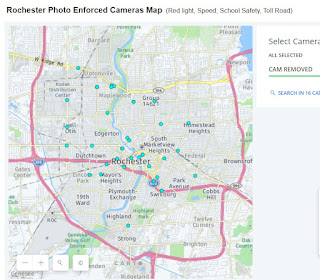
Map of Rochester, New York Red Light Cameras Removed

map of red light cameras removed
Map of red light cameras removed in Rochester, NY

Rochester, New York, has removed a red-light camera program. The program aims to improve traffic safety by deterring red-light violations and reducing the number of accidents at intersections. Up to 50 intersections in Rochester, New York have been turned off.

Under the program, cameras were installed at selected intersections throughout the city. These cameras were capable of capturing images and videos of vehicles that run red lights. When a violation occurs, the recorded evidence is reviewed by law enforcement officials to determine if a citation should be issued.
 

Adulting 101: Understanding Car Insurance

adulting car

Hi, just your fellow aging millennial checking in here to make sure you haven’t sped past learning car insurance on your adulting journey. Are you running smoothly, or is your insurance-education check engine light flashing?

Whether you’ve been driving for over a decade or just starting, understanding car insurance is necessary as you become an adult. Knowing that you have to pay for it and using a car insurance comparison guide to find the least expensive options isn’t enough if you have no idea how to use it properly.

Life is expensive enough, so you don’t need to pay for more than what you need or spend more than required. Understanding car insurance will help you negotiate better deals and ensure that you utilize whatever policy you have to its full potential.

What are the parts of an auto insurance policy?

Every basic policy will include a variation of six features that outline your coverage. A list of each feature you need to ensure a well-rounded policy that will give you the most protection and savings is:

Liability Coverage

We all make mistakes, which is why liability coverage is probably most crucial when designing a policy. Having liability insurance ensures you and anyone you allow to operate your vehicle in case of an accident. 

Since this is fault protection, how much liability coverage drivers have to purchase to be insured on the road can be set by your state law. Liability coverage is made of two parts to help protect you from needing to come out of pocket for another driver’s injuries or damage vehicle. 

Bodily injury liability is designed to cover costs related to a person's injuries. In contrast, property damage liability helps protect the financial need to fix any damage you’ve caused to someone’s vehicle. This coverage is mandatory in almost all states. 

Bonus Insurance Tip — Always know what your liability limit is before agreeing to a policy. This limit will tell you the value of the maximum amount your insurer will pay if you are at fault for an accident. 

The most basic coverage most use to compare the quality of their deal is called "25/50/25" coverage. This means that your policy will pay up to $25,000 per injured person, up to $50,000 per accident, and at least $25,000 in property damage.

Uninsured and Underinsured Motorist Coverage (UIM)

Serves as financial protection if you are hit by a driver who doesn't have insurance, whom you cannot identify (hit-and-run), or whose insurance has lapsed. 

In some states, UIM coverage will pay for your medical bills as well as the cost of vehicle repairs, which is vital when you can’t hold another insurer responsible. 

This coverage also comes into effect if you are hit by a driver whose liability limits aren't enough to cover bills caused by the accident. UIM is required in some states but optional in others.

Collision Coverage

Car accidents are common, and the last thing you’ll want to stress about is how you’ll pay for damages. After being involved in an accident with either another vehicle or an object, collision coverage will guarantee you financial help that will recover or repair your car. 

This kind of coverage is ideal to have included in your policy because it covers you regardless of who is at fault. Collision coverage is not required and is optional in most states.

Comprehensive Coverage

Those funny sketches show moments where a tree branch or something crazy ruins a character’s car isn’t so amusing when it happens to you. For those unpredictable and unavoidable moments, there is comprehensive coverage. 

With this, if you experience non-collision damage from an external non-fault factor such as natural elements, vandalism, flood, fire, or theft, your car is covered. Comprehensive coverage is valuable because it can aid in paying for repair costs or even replace your entire vehicle up to its full cash value. 

Please note that this coverage typically has a deductible, which is the dollar amount you'll have to pay before your insurer reimburses you the claim. Comprehensive coverage is optional but may be required to lease a vehicle.

Medical Payments Coverage

Protects you if you, a family member, or a passenger need to file injury claims after an accident. Medical payment coverage is necessary coverage to help cover any costs associated with injuries you or your passenger gets while in your vehicle.


A few examples of what medical payments are covered include hospital visits, surgery, X-rays, and more. Though Medical coverage is wise to have it is only required in some states and is optional in others. 

Personal Injury Protection (PIP) or No-Fault Insurance

Both personal Injury protection (PIP) and medical payment coverage pay for most medical and funeral expenses. 

This policy is used to help cover any bills that accumulate because of injuries obtained during driving. This policy is a preferred coverage option because it will cover expenses other auto insurance policies don’t. 

PIP will help cover expenses such as child care, household expenses, and physical therapy. Though the policy’s title is “personal injury,” this protection also ensures coverage for passengers that may become harmed or killed while traveling in your vehicle. 

Another PIP benefit is that it will help recover lost income due to an accident. PIP coverage is required in some states and optional in others. 

You can decide which policies you need, more or less depending on what you need, what you can afford, and for how long you need your policy.

What to Know About Applying for Car Insurance

The easiest thing about car insurance is finding it. Companies want your business and are dying to tell you, in detail, about all, they can offer.

Before looking at a price and signing an agreement, shop around and vet your agent just as much as you are your deal. Stay mindful about what deals are currently available to you as well as the realities of your application. 

Advertisements may be intriguing with cheap rates, but go over the details with a fine-tooth comb to make sure you’re not sacrificing pennies now for thousands of dollars later on. If you have poor credit, accumulated tickets that affect car insurance, or live in a city that requires high liability, expect higher premium quotes. 

Understanding insurance can be intimidating, but it is simply an agreement between you and a provider for financial protection for unexpected expenses for whatever accidents may come your way. 

Car insurance is one adulting responsibility of many, but if used correctly it can help you maintain and gain more control over your life. 

Danile Beck-Hunter
Danielle Beck-Hunter writes and researches for the car insurance site, CheapCarInsuranceQuotes.com. Danielle is an insurance expert that is passionate about millennial and GenZ financial literacy and insurance education.

A Closer Look at SR-22 Insurance Cover

A Closer Look at SR-22 Insurance Cover

It is expensive and stressful to deal with a legal case after being arrested or having your license suspended for a DUI. Obtaining a letter from your state's Department of Motor Vehicles directing you to collect your SR-22 document is even worse.

First-time offenders have a difficult time getting to know the definition of the term SR-22 Insurance. Also knowing its use is a challenge for all first-time offenders. 

What is an SR-22? 

It can also be called an SR-22 bond, SR-22 insurance, an SR-22 form, or a Certificate of Financial Responsibility.

It is proof that you have the minimum required liability auto vehicle insurance that is required in that state-Once you have provided this certificate, the authorities will notify the State's Department of Motor Vehicles that you have what is required and financially responsible to drive in that state. 

Uses of  A SR-22 insurance. 

Despite being commonly associated with DWI offenses or DUI offenses, there are other occasions when an SR-22 license will be required. They include:

1-After being involved in a reckless driving instance.

2-When caught driving a car without the right insurance cover.

3-When your license has been revoked or suspended.

4-When you have been involved in multiple violations or at-fault accidents.

5-Repeated traffic offenses. 

How To Get An SR-22 Certificate. 

If you are in possession of an insurance cover, you can consult your insurance service provider on the requirements needed to add the SR-22 policy to your existing insurance cover.

Not every insurance company offers SR-22 insurance. This will help those that are new in the market when looking for an insurance company to join or seek insurance services such as SR-22. 

The insurance company after adding your new cover will get in touch with your state to file the SR-22 form. To expedite the process, the insurance company can opt to file the form electronically instead of by mail. 

How Much Does An SR-22 Cost? 

In most states, the filing fee for SR-22 insurance costs around $15-$25 dollars. As long as the insurance policy hasn't expired, the fee is paid only once and will only be renewed after the insurance policy has expired-after three consecutive years.

Drivers that need the SR-22 insurance are charged more than the other drivers since they are considered high-risk targets. The filing fee is however much cheaper than the SR-22 fee.

Different rates are charged by different companies to individuals who go looking for an SR-22 license. To get the best rates, it is advisable to get a list of all insurance providers and compare their SR-22 rates. You will be able to pick a policy that is affordable and that best suits your needs. 

How Long Does An SR-22 Insurance Last. 

A driver is required to maintain an SR-22 file for three consecutive years. Different states have different SR-22 requirements but three years is the average time.

An insurance company is required to inform the DMV in case there is an interruption on the insurance cover. This subsequently means that you are no longer in compliance and hence not insured. 

Failure To Maintain An SR-22 Insurance Cover. 

Failure to make a payment or cancel your insurance policy during the three years has some repercussions. Normally you should hold onto your non owner SR-22 car insurance for three years.

Some of the repercussions of canceling an SR-22 Insurance cover includes:

1-The suspension of your vehicle registration.

2-The suspension of your license.

3-More money to pay for the extra fines.

4-Extra fees for registration and reinstating your insurance policy cover.

5-Higher premiums when purchasing new insurance covers.

When holding an SR-22 be sure to practice safe driving measures and follow all driving guidelines provided by the State to prevent you from paying fines, being arrested, or having your license suspended or revoked.

Good driving behavior will help improve your insurance premiums and also set you on a good driving record.

Ignoring the required terms will only cost you more money and waste your valuable time.

For more details visit your state department office to get more information on the SR-22 regulations and get in touch with an insurance company.

How Where You Live Affects Your Auto Insurance Rates

city view

Just like in real estate, location especially matters when renewing your insurance plans. If you’ve ever had to update your car insurance because of a move, you likely noticed a change in your monthly premium.

The way location affects car insurance is not as simple as avoiding the country’s deadliest cities for drivers. To keep from being surprised by rising insurance rates, continue reading to find out what changes to look for in your town that could make you pay more for auto coverage.

What factors influence your auto insurance rates?

Driving is a risky activity, but many drivers go years without receiving a ticket or being involved in an accident by practicing safe driving. It is expected that drivers with a clean record are given the lowest insurance quotes possible, but elements outside of a driver’s control are just as influential. 

Finding quotes for insurance coverage is a lot like adding and subtracting weights on a balance scale. A list of elements that are in little to no control of a driver is: 

●       Age: Unlike dating apps, you can’t lie about your age to insurance companies. Drivers under 25 and over 65 tend to have higher premiums due to inexperience and decreasing physical abilities. 

●       Gender and sex: This topic is somewhat taboo because most insurers ask for gender when data for comparing male and female drivers is done by sex. 

For all drivers, insurers are likely to formulate insurance quotes based on an insuree’s license despite the way any initial forms have been filled. Because males tend to display riskier behavior behind the wheel, they tend to experience higher insurance rates. 

●       Credit score: Although you have some control, in most cases, a driver will always need insurance, making building a credit score before applying not always an option. When applying, insurers will pull a credit report, but you can request new rates from your insurer as your score improves. 

●       State regulations: States have different requirements for driving insurance minimums that influence base prices for premiums. Only two states (New Hampshire and Virginia) don’t require car insurance, but drivers are always held responsible for their driving and vehicles they operate or cause damage to. 

●       Where you park: Accidents can happen even when you’re not driving, which is why insurers consider what’s called your garaging address. Having covered private parking makes your vehicle less likely to be damaged or stolen. 

For insurers, this means that having to cover damages due to weather, vandalism, or theft is at a lower risk. Those who live in cities usually utilize street parking, increasing their likelihood of filing a claim as opposed to drivers with private parking. 

●       ZIP code: In addition to what state you’re in, the ZIP codes of where you travel matters as well. If you live or work in cities with heavy traffic or experience high crime rates, your premium will increase due to the environment being considered high-risk.

What is the average rate for car insurance?

The national average annual cost of car insurance is upwards of $1,400. Going by the average, most drivers with fair credit and driving records should expect to receive insurance quotes around $120 for a monthly premium. 

Whether you pay more or less than the national average is mostly dependent on external factors like the ones listed above. Although not every aspect that affects auto insurance quotes is within your control, knowing how your location influences your rate may help you negotiate a cheaper auto insurance rate. 

Why Your Address Affects Auto Insurance

If you’re looking for ways to conduct a quick move that save time and money, you should research the locational details before applying for new coverage. The most prominent factors in determining whether a location will raise a premium depend on these four things: 

●       Traffic flow: Living in a big city comes with price tags just about everywhere. Being in a heavily populated city provides more chances for drivers to get into accidents, making every other driver around you an additional liability.

●       Commuting mileage: Working in closer proximity to where you live reduces your likelihood of getting into an accident. The shorter your daily commute, the lower your monthly premium can be.

●       Harsh weather conditions: Those who reside in states with harsh weather conditions tend to have higher base premiums than those who live in areas with less dramatic seasonal changes. Experiencing harsh weather conditions such as frequent rain, tornadoes, hurricanes, or snowstorms affects a driver’s abilities and can threaten a vehicle’s condition.

●       Local crime rates: Crime rates don’t always reflect the city’s size, which gets reflected in insurance rates. If your zip code experiences high levels of auto theft, vandalism, or hit-and-runs, your quotes are likely to be high despite your city’s population size.

What states pay the highest for auto insurance?

If your mind is racing as to what cities do or don’t check these boxes, you’re not alone. Hopefully, that list hasn’t discouraged you from any plans to move, but the states that continuously have the highest rates include: 

●       Florida: $2,587

●       New York: $2,498

●       Louisiana: $2,351

●       Michigan: $2,105

●       Texas: $2,050

●       Rhode Island: $2,066 

Where there’s high market competition between insurers and insufficient data for unregistered drivers, annual premiums tend to be cheaper. The states with the lowest annual auto insurance rates include: 

●       Maine: $831

●       New Hampshire: $985

●       Ohio: $998

●       Wisconsin: $1,049

●       Idaho: $1,055

●       Iowa: $1,122

How You Can Get the Best Auto Insurance Rates

Finding the best moving company should be at the top of your moving concerns, not needing new coverage. Doing your research can help you negotiate the best plan and keep you from paying for coverage you don’t need. 

State regulations are designed to target the issues experienced in the area, but it can be frustrating to know that you’re paying more than someone else for the same service. 

Every location has its pros and cons, but a few steps you can take to help you get the most affordable rates are: 

●       Pick a car with high safety ratings.

●       Practice safe driving habits.

●       Improve your credit score.

●       Take an advanced driving course.

●       Don’t take the first offer.

●       Pay annually instead of monthly. 

Insurance agents take time for each applicant to weigh all the personal and external variables that contribute to setting an insurance quote. By taking into consideration what can benefit both you and the insurer, you will find new coverage faster, easier, and more helpful in fitting your needs.

Danielle Beck-Hunter writes and researches about auto insurance for the insurance comparison site, USInsuranceAgents.com. She is passionate about helping people understand their options and save money on their auto insurance.


Popular Articles (All Time)