Search For Maps & Articles

Showing posts with label Texas. Show all posts

Process Servers for Tickets: What You Need to Know

Most drivers know the sinking feeling of seeing flashing lights in the rearview mirror or receiving a ticket in the mail. But what happens when a process server delivers a ticket directly to your door? While most traffic tickets are mailed or handed out roadside, in certain cases—especially when escalated into court proceedings—process servers for tickets become involved.

This article explains who process servers are, why they may deliver a ticket or summons, and what steps you should take if you are served.

What Is a Process Server?

How States Adopt and Interpret MUTCD Traffic Standards

While the Manual on Uniform Traffic Control Devices (MUTCD) sets national guidelines for road signs, signals, and markings, individual U.S. states adopt and interpret the MUTCD in different ways. This flexibility allows states to tailor traffic control devices to local needs while maintaining general consistency across the country. 

Illegal Right Turns: Laws, Risks & Consequences Explained

no right on red

Summary: Right turns feel simple, but the rules aren’t. This guide explains when a right turn becomes illegal, how enforcement works (including red light cameras), penalties, and practical tips to avoid citations and crashes.

What Counts as an Illegal Right Turn?

An illegal right turn happens any time you turn in conflict with a traffic control device, state law, or safe-yield rules. The most common situations include:

  • Right on red where prohibited. A posted No Turn on Red sign makes the turn illegal at all times unless the sign lists specific hours.
  • Failing to stop before turning on red. A complete stop is required in most states; “rolling” through is widely cited.
  • Turning on a red arrow. A red right-turn arrow is a specific prohibition, even if other lanes have a green.
  • Wrong-lane turns. Turning from a center or left lane (or a bus/right-turn-only lane) without signage allowing it.
  • Turning into the wrong lane. Most laws require turning into the nearest legal lane first, then merging when safe.
  • Failure to yield to pedestrians & cyclists. Crosswalk users with a walk signal and cyclists in the bike lane have priority.

State & City Differences You Should Know

Right-turn rules are similar nationwide, but local exceptions matter:

Examples

  • California: Right on red permitted after a full stop unless posted otherwise; extra caution in school zones.
  • New York City: Generally no right on red unless a sign explicitly permits it.
  • Florida & Texas: Allowed unless posted; must stop and yield to pedestrians/bikes.
  • Downtown cores: Many cities restrict right on red at high-conflict crosswalks or near transit/bike facilities.

Watch for These Signs

  • NO TURN ON RED (sometimes with hours)
  • RIGHT TURN SIGNAL (turn only on green arrow)
  • RIGHT LANE MUST TURN RIGHT (lane control)
  • BIKES MAY USE FULL LANE / protected bike lanes with physical barriers

If the signage seems inconsistent, follow the most restrictive control to stay safe and legal.

How Illegal Right Turns Are Enforced

1) Police Traffic Stops

Officers monitor busy intersections, school zones, work zones, and areas with heavy foot traffic. Common citations include rolling stops, turning during a red arrow, and failing to yield to pedestrians.

2) Red Light Cameras

Automated systems capture vehicles that cross the stop line during a red and then turn without stopping. Evidence typically includes still photos, video clips, lane position, and timestamps. Many programs flag “no stop” right-on-red violations specifically.

3) School Zone & Safety Corridors

Some jurisdictions add time-limited restrictions near schools or high-crash corridors. Expect stricter enforcement during posted hours and around protected bike lanes.

Common Penalties for Illegal Right Turns

Exact penalties vary by state and city, but drivers often face a combination of fines, points, and insurance impacts. School zones or red-arrow violations can carry higher fines.

Penalty Type What to Expect (Typical Range)
Base fine $50–$300 depending on jurisdiction; enhanced amounts in school/construction zones.
License points Often 2–3 points; may trigger administrative fees or corrective courses.
Court/administrative costs Added fees can exceed the fine itself in some areas.
Traffic school Sometimes offered to reduce points; availability varies.
Insurance impact Premiums may rise for 1–3 years depending on your insurer and record.

Common Misconceptions About Right Turns

Myth 1: “If it looks safe, I can always turn right on red.”
Reality: Not when signs prohibit it, a red arrow is displayed, or pedestrians/cyclists have the right of way.

Myth 2: “A rolling stop is fine if nobody’s around.”
Reality: Most laws require a full stop. Cameras routinely issue citations when wheels never fully stop.

Myth 3: “No Turn on Red is only for rush hour.”
Reality: Unless times are printed, the restriction is 24/7.

Myth 4: “I can turn from the bike lane if it’s empty.”
Reality: Using a bike lane as a turn lane is often illegal unless specifically marked.

Why Illegal Right Turns Are Dangerous

  • Pedestrian conflicts: Many crashes happen when drivers look left for traffic but miss pedestrians crossing from the right.
  • Right hooks with cyclists: Turning across a bike lane can cut off people on bikes who have a green or are traveling straight.
  • Visibility limits: Parked vehicles, large trucks, or construction barriers create blind spots that signage is meant to mitigate.
  • Intersection chaos: Wrong-lane turns and rolling stops reduce predictability and increase multi-vehicle conflicts.

How to Avoid Illegal Right-Turn Tickets (and Crashes)

  1. Scan for signage early. Look above, beside, and sometimes before the intersection for “No Turn on Red” or red-arrow signals.
  2. Come to a complete stop. Pause long enough to check crosswalks, bike lanes, and oncoming traffic—then turn when clear.
  3. Yield like your record depends on it. It does. Pedestrians with a walk signal and cyclists proceeding straight have priority.
  4. Use the correct lane. Start from the rightmost legal lane and turn into the nearest legal lane.
  5. Be extra cautious in school zones. Time-specific restrictions and higher fines are common.
  6. Follow the most restrictive control. If signage and signals feel contradictory, the strictest rule keeps you compliant.
  7. Maintain your brakes & tires. Good stopping power reduces the temptation to “roll” through reds.

Quick FAQ

Is right on red always legal?

No. It depends on state law and local signage. A red right-turn arrow or “No Turn on Red” sign makes it illegal, period.

Do I have to stop before turning on red?

Yes, in most states a complete stop is required before you turn right on red.

What if I turned from the middle lane?

Turning from the wrong lane is a separate violation. Expect a citation even if you stopped first.

Can cameras ticket rolling right turns?

Yes. Many systems detect when a vehicle fails to fully stop before a right on red and issue citations.

Disclaimer: This article provides general information and is not legal advice. Traffic laws vary by state and city. Always check your local vehicle code and posted signs.

Cities That Lost Money on Red Light Cameras

Red light cameras are often justified as both a safety measure and a modest source of revenue for municipalities. But in many cases, especially once costs, overhead, and enforcement complications are tallied, the balance sheet doesn’t swing in favor of the city. Several municipalities have found themselves losing money—or at least falling well short of projections—on automated enforcement programs. The 2006 blog article “City Loses Money Operating Red Light Cameras” laid out a simple but powerful caution: running cameras involves fixed costs (equipment, maintenance, legal infrastructure, staffing) and variable costs (ticket processing, adjudication, appeals). If citation rates fall, or vendor shares and legal costs eat into gross revenue, cities can end up underwater. Below are updated examples from across the United States showing how red light camera programs sometimes bleed red rather than turning red into green.

Portland, Oregon: Inconsistent Gains and Frequent Losses

Portland offers one of the most transparent public reports on red light camera financials. Under the city’s program, revenues and expenses are published, and the data reveal that the program was not reliably profitable. Over a five-year review, Portland’s red light camera program lost money in two of those years. For example, in Fiscal Year 2011–2012, revenue was $403,162 but expenses reached $500,433, meaning each citation cost the city $12.55 on net. In contrast, in FY 2012–13, revenues exceeded expenses (≈ $725,408 vs. $564,172), but even then the city’s gains were modest compared to expectations. Portland’s report even stated that “the program has not been self-supporting every year,” citing factors such as vendor costs, reduced fines, and collection lapses. Portland’s experience suggests that even in a favorable environment, red light camera systems may only break even in good years—and in some years flip into a net loss.

Dallas, Texas: Cameras Removed When They Stopped Paying Off

In some jurisdictions, red light cameras became victims of their own success: as violations dropped, revenue fell—and the city decided it could no longer justify their existence. In 2008, Dallas began disabling several of its least profitable cameras after seeing lower volumes of red-light running, estimating a $4 million revenue shortfall as a result. Other cities such as Charlotte and Fayetteville, North Carolina, reduced or eliminated red-light enforcement when state rules forced them to dedicate camera revenue to restricted purposes like education, making the program less financially sustainable. These cases highlight a perverse incentive: if cameras successfully deter violations, the revenue stream dwindles. For cities that partially depend on ticketing income, that can backfire.

Smaller Cities, Suburbs, and Unexpected Debts

While large cities attract most attention, smaller municipalities and suburban towns often suffer even more from the budgetary mismatch. In the Chicago area, suburbs such as Chicago Heights, Rolling Meadows, Evergreen Park, Burbank, and Hillside rely heavily on camera ticket revenue, but their financial stability depends on consistent citation volumes—no guarantee in a changing enforcement climate. In Suffolk County, New York, court rulings found that its $30 administrative fee added to violations was illegal. The county may have to reimburse as much as $91 million, turning what had been a source of income into a massive liability. In addition, in many jurisdictions, a significant share of issued tickets never get paid or are contested, reducing net collections. Some cities underestimate the cost of appeals, legal processing, and debt collection, which can turn a superficially profitable program into a loss leader.

Why Cities Lose Money

From these cases, certain systemic challenges emerge. Upfront and ongoing fixed costs: Cameras, data networks, legal systems, and staff impose recurring costs regardless of ticket volume. Many contracts require revenue sharing with camera vendors that erode profits. Declining citation volumes: As cameras deter red-light running, the number of violations drops. While positive for safety, this reduces income. Collection and compliance shortfalls: Not all tickets get paid; some are appealed or ignored, dragging down yield. Legal and political constraints: Some states cap fees or regulate how revenues may be used. In Suffolk County, courts ruled fees illegal, creating major liabilities. Public backlash: Opposition, court reversals, or state bans can shrink or eliminate the program, leaving cities with sunk costs. Together these factors explain why many red light camera systems become financial burdens rather than benefits.

What Research Shows About Costs and Benefits

While the financial debates are real, the safety record of red light cameras is mixed but generally positive. The Congressional Research Service notes that cameras tend to reduce right-angle crashes but can increase rear-end collisions as drivers brake abruptly. Multi-city studies suggest that camera presence is associated with lower per-capita fatal crash rates. The Insurance Institute for Highway Safety found that cities which removed cameras saw about 30 % more fatal red-light crashes per capita. That said, critics argue many programs are launched for revenue, not safety. Independent audits have shown that when properly managed, the cost of cameras can exceed the monetary value of crashes prevented unless programs are targeted at intersections with high crash severity rates. In other words, they work best as safety tools, not revenue generators.

Lessons and Recommendations

Several lessons emerge for municipalities. Set conservative revenue expectations. Don’t assume early citation volumes will continue indefinitely. Track all costs. Include legal, administrative, and maintenance overhead, not just vendor payments. Separate safety from revenue goals. Programs should be judged on crash reduction, not income. Be transparent with the public. Use funds for traffic safety, education, or infrastructure to maintain trust. Ensure legal compliance. Verify that fee structures and enforcement processes follow state law to avoid lawsuits and refunds. Adapt programs as behavior changes. If violations fall sharply, consider reducing camera numbers or shifting focus to engineering solutions such as longer yellow times or improved signal timing.

Conclusion

Red light cameras can reduce dangerous violations and crashes, but from a financial perspective, they are no guarantee of profit. Cities like Portland have reported years of net losses, while others like Dallas removed cameras when they no longer paid off. Suffolk County’s program possibly turned into a massive liability after court rulings on illegal fees. The lesson is clear: safety is a valid reason to use automated enforcement, but revenue should never be the driving force. Cities that launch camera programs expecting steady profit often find that over time, the cameras cost more than they earn. Municipalities should approach these systems as public safety investments—supported by data, accountability, and transparency—rather than as cash machines that inevitably run dry.

City Councils Exit Costly Verra Mobility Contracts

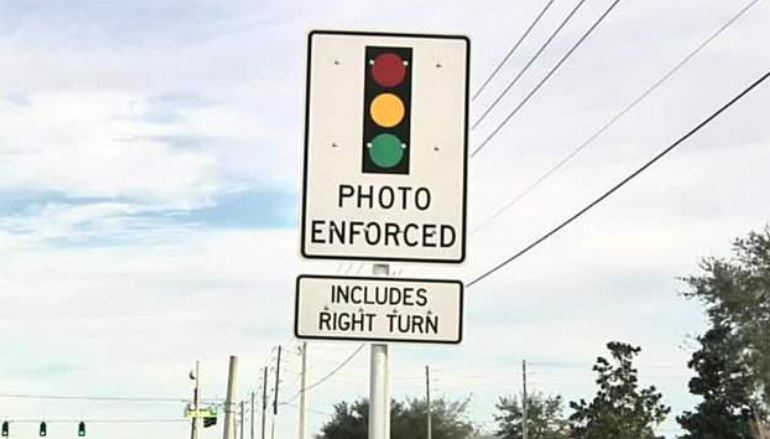
Leon Valley Photo Enforced sign

Across the United States, city councils are beginning to question the value of their traffic enforcement partnerships with Verra Mobility, one of the largest providers of speed and red-light camera systems in the world. Once promoted as turnkey solutions for improving road safety and generating steady municipal revenue, these contracts are now drawing scrutiny over high costs, profit-sharing arrangements, and growing public resistance.

Why Cities Signed on with Verra Mobility

For years, Verra Mobility pitched municipalities on automated enforcement programs with little upfront cost. The company would install cameras at intersections or school zones, manage ticket processing, and handle collections. In return, cities shared a portion of ticket revenue with the vendor.

The appeal was simple:

  • Increased safety by reducing red-light running and speeding.

  • Revenue streams without requiring new taxes.

  • Operational outsourcing so cities didn’t need to hire staff to manage violations.

Many councils signed multi-year agreements, locking themselves into long-term partnerships.

Growing Concerns About Costs

While these contracts once seemed beneficial, costs have become a major sticking point. City leaders increasingly report that the vendor captures too much of the fine revenue, leaving municipalities with less funding than anticipated for public safety programs.

Key issues include:

  • High per-ticket fees charged by Verra Mobility for processing violations.

  • Escalating contract renewals with built-in price increases.

  • Unequal revenue splits, where cities receive less than half of each fine.

  • Legal challenges that have forced cities to refund millions in tickets, without reimbursement from the vendor.

In some cases, local governments discovered that after paying the company’s share, legal costs, and administrative overhead, the net revenue was negligible—or even negative.

Public Backlash and Legal Challenges

Opposition from residents has also pushed councils to reconsider. Critics argue that:

  • Automated enforcement prioritizes revenue over safety.

  • Camera placements often feel like “speed traps” rather than accident-prevention tools.

  • Errors in ticketing can place financial strain on drivers who may have limited ability to contest.

Several lawsuits across the country have challenged the legality of these programs, particularly around issues of due process, faulty calibration, and lack of officer oversight. In states like Texas and California, public pressure has led to bans or severe restrictions on automated enforcement.

Examples of Cities Reconsidering Contracts

  • Albany, Oregon: Council members have debated whether the city’s program justifies its costs after complaints from drivers and rising contract expenses.

  • Chicago, Illinois: While still under contract, leaders continue to face criticism over revenue-driven enforcement.

  • Small suburban towns in Florida and Colorado have chosen not to renew their contracts, citing high costs and resident dissatisfaction.

These examples highlight a growing trend of municipalities seeking to exit or renegotiate their deals with Verra Mobility.

The Political Shift Against Vendor Lock-in

City councils are also increasingly wary of vendor lock-in. Because Verra Mobility owns and operates much of the hardware and software infrastructure, ending a contract often means dismantling an entire enforcement program. This leaves municipalities in a difficult position—either renew at a high cost or risk losing all camera coverage.

Some councils are now exploring alternative models:

  • Running enforcement programs in-house with city-owned cameras.

  • Partnering with competing vendors offering more favorable revenue splits.

  • Transitioning from camera enforcement to increased traffic patrols.

Financial Transparency and Accountability

A recurring theme in council discussions is the lack of transparency in how much money vendors take versus how much is returned to the community. Open records requests have revealed millions flowing to Verra Mobility, while local budgets see only modest returns.

This imbalance has led to calls for:

  • Independent audits of traffic enforcement revenues.

  • Caps on vendor revenue percentages.

  • Shorter-term contracts that allow cities more flexibility to opt out.

What It Means for Drivers

For drivers, the shifting stance of city councils could mean fewer cameras and fewer automated tickets in the future. However, it may also lead to increased police presence on roads if councils replace cameras with traditional enforcement.

It’s also important for motorists to understand that outstanding tickets remain valid even if a city exits its contract. Fines, late fees, and license implications can still apply until legal action or legislation changes enforcement policies.

Conclusion: The Beginning of the End?

City councils across the country are increasingly skeptical of the long-term value of Verra Mobility contracts. While some programs have succeeded in reducing collisions, the high financial costs, legal risks, and community pushback are making them politically untenable.

As more municipalities demand transparency and explore alternatives, the once-booming business model of outsourced traffic enforcement may face significant downsizing. Whether this shift leads to safer roads—or just fewer tickets—remains to be seen.

LEON VALLEY, Texas – After receiving legal council, Leon Valley city leaders voted to write a letter supporting HB 1209.  The bill looks to void any existing contract that goes against a law passed in 2019 that outlaws the use of red light camera programs in Texas.

Why Did Texas Ban Red Light Cameras? A Controversial Decision

In recent years, red light cameras have become a popular tool in cities across the United States, aimed at increasing road safety by capturing photos of vehicles that run red lights. However, Texas took a bold step in 2019 by passing a state law that banned the use of red light cameras. This decision has sparked considerable debate among citizens, government officials, and safety advocates, each bringing strong opinions to the table.

In this article, we’ll explore why Texas decided to ban red light cameras, the impact of the ban, and what this means for drivers in the state.

Understanding Red Light Cameras 

Help Us Find Short Yellow Lights Under 3.5 Seconds: Join the Campaign for Safer Roads

short yellow traffic light

The duration of yellow traffic lights plays a crucial role in road safety. Unfortunately, many intersections across the country have yellow lights that last less than the recommended time, often under 3.5 seconds. This can lead to dangerous situations, including increased rear-end collisions and risky decision-making by drivers. In this article, we’ll explore the importance of yellow light duration, the impact of short yellow lights on road safety, and how you can join the campaign to identify and report these hazardous intersections.

Understanding Yellow Light Duration

What Is the Purpose of a Yellow Light?

The primary purpose of a yellow traffic light is to alert drivers that the light is about to change to red, signaling them to slow down and prepare to stop. A well-timed yellow light allows enough time for vehicles to safely navigate the intersection, whether they are stopping or proceeding through.

Recommended Duration

Traffic safety experts generally recommend that yellow lights last between 3.5 and 5 seconds, depending on the speed limit of the road. This duration accounts for:

  • Vehicle Stopping Distance: Higher speeds require longer stopping distances. A longer yellow light provides drivers with enough time to stop safely.

  • Driver Reaction Time: Drivers need a few seconds to react to changing lights. Shorter durations can lead to hurried decisions, increasing the likelihood of accidents.

The Dangers of Short Yellow Lights

When yellow lights last less than the recommended time, several risks arise:

1. Increased Accidents

Research indicates that shorter yellow light durations are associated with higher accident rates, particularly rear-end collisions. Drivers may not have sufficient time to stop safely, leading to dangerous situations at intersections.

2. Aggressive Driving Behavior

Drivers may feel pressured to speed through intersections when they perceive yellow lights as being too short. This aggressive behavior can result in risky maneuvers and further compromise road safety.

3. Pedestrian Safety Risks

Short yellow lights not only endanger drivers but also pedestrians. When vehicles rush through intersections, pedestrians may be caught in dangerous situations, especially if they are attempting to cross when the light changes.

Join the Campaign: Help Us Find Short Yellow Lights

To combat the dangers posed by short yellow lights, we are launching a campaign to identify intersections with yellow light durations under 3.5 seconds. Here’s how you can get involved:

1. Document Your Findings

If you notice yellow lights that seem unusually short, take note of the location, time, and duration of the yellow light. Using a stopwatch or your smartphone’s timer can help you accurately measure the light duration.

2. Report to Local Authorities

Once you have documented short yellow lights, report your findings to local traffic authorities. Many cities have online forms or contact information for reporting traffic safety concerns.

3. Spread the Word

Share your experiences and encourage others to participate in the campaign. The more people who get involved, the greater the chance of making a significant impact on traffic safety in your community.

4. Advocate for Change

Engage with local advocacy groups focused on traffic safety. Attend city council meetings and express your concerns about short yellow light durations. Your voice matters in driving change.

Are there laws making yellow lights standard?

Conclusion

Short yellow lights under 3.5 seconds pose a serious threat to road safety, leading to increased accidents and heightened risks for both drivers and pedestrians. By joining the campaign to identify these hazardous intersections, you can contribute to a collective effort to promote safer roads in your community. Together, we can work towards ensuring that yellow lights provide adequate warning and that all drivers have the time they need to make safe decisions at intersections. Stay vigilant, document your findings, and let’s create a safer driving environment for everyone!

Here are some examples 

Do you feel like you drove through a light with an extra short yellow? Did you know there are laws and DOT recommendations that require yellow lights to be at least 3.5 seconds? Six cities have already been caught shortening yellow lights by .3 to 1 seconds. 6 cities have been caught: 1) Dallas, Texas 2) Chattanooga, Tennessee 3) Springfield, Missouri 4) Lubbock, Texas 5) Nashville, Tennessee 6) Union City, California.

I would suspect there are many other cities in violation, including a city near me Culver City. I would love to get some user input if they think their city has a short yellow light. Time the light the next time you are waiting at a stoplight and post it here under comments. Thanks in advance for your help!

The Battle Against Ghost Cars in Texas: Safety & Enforcement

In recent years, the use of unmarked or "ghost" cars by law enforcement agencies in Texas has sparked debates and concerns among citizens. These vehicles, designed to blend in with regular traffic, are often employed for traffic enforcement and other law enforcement purposes. However, their inconspicuous nature has raised questions about transparency, accountability, and fairness in policing practices.

Auto Insurance: 8 Clever Ways Texans Can Bring Down Their Premiums

Car insurance premiums can be one of the most expensive parts of being a car owner. Auto insurance is required throughout most of the US, and Texas is no exception. In the event of an accident you cause, Texas law requires you to be able to pay for all of the damages incurred. For most Texans, taking out insurance is a simple and hassle-free way to ensure they meet this legal responsibility. 

It is important not to prioritize cost over quality when it comes to auto insurance. The best car insurance can protect you in a wide range of scenarios and can provide you with invaluable aid if you get injured in an accident yourself. Still, it makes good financial sense to do what you can to bring down premiums when possible. 

Buy The Right Vehicle

Some cars are cheaper to insure than others, so if you’re due an upgrade for your vehicle, consider looking at options that will cut back on your premiums. You can find plenty of lists online of the cars that are cheapest to insure, or you could check the quotes you get from price comparison sites to see the benefits yourself. Things that impact a car’s insurance costs include the cost of the car, how expensive it is to repair, and its safety record. 

Avoid Unnecessary Driving

The more you drive, the higher your insurance premiums will be. This is because the more time you spend on the roads, the higher the likelihood of you experiencing an accident. While cutting back may not be possible for many Texans, those based in major urban or suburban areas could cut back on driving and take public transport instead. You could also try walking or cycling more often and add a little health bonus to the money saved. 

Make Use Of Multi-Car Discounts

If you have multiple cars that need to be insured at once, you could benefit from a multi-car discount from your insurer. This is essentially bulk buying in insurance, and many providers offer it as a way to entice larger families or people with multiple cars to their business. Check out the quotes you get for insuring one car against insuring two or three to see what kind of savings you could make. 

Join The AARP

Some insurance providers offer discounts to members of certain groups. One great example of this for Texans is The Hartford, which provides car insurance Austin TX at a 10% discount for AARP members. Not only do The Hartford provide excellent value for money, but their AARP insurance has a range of benefits in coverage that could benefit any driver over 50. 

Shop Around For The Right Provider

Shopping around should be a staple for any smart financial choices you make. Many insurers will offer incentives for you to bring your business to them, such as discounts or freebies that come with the policy. Check regularly to see what kind of offers there are for the insurers you’re considering but be careful to think it through and not give in to impulse purchasing or pressure tactics. You could also talk to your current provider to see if they can match quotes you’ve received elsewhere. 

Pay In One Go

Paying your insurance premiums in one go is almost always cheaper than paying monthly. Unfortunately, this is one of the catch-22s of buying insurance, as people often opt for monthly payments because they can’t afford to pay for the policy outright. It might help to start saving as soon as you take out your new policy and try to pay in one go when the insurance renews. 

Increase Your Deductibles

The more you pay in deductibles, the lower your insurance premiums will be. Of course, the higher your deductibles, the more you will have to pay out of pocket if something does happen. You should think carefully before using this option, as you’ll normally see the benefit if you increase deductibles from $250 to $1,000. If you do this, it is vital that you have sufficient savings to cover the $1,000 deductible so that you aren’t left in debt or on the wrong side of Texan law. 

Take A Defensive Driving Course

Defensive driving courses can help you to become a better and safer driver, making you a lower risk in the eyes of your insurance provider. There are plenty of defensive driving courses available to help you manage emergency driving situations safely. You can even take these courses online, though you should check with your insurance provider to ensure that they accept the course you take. 

Conclusion

There are plenty of options available for Texans who want to bring down their car insurance premiums without sacrificing the quality of their coverage. You’ll need to be strategic about your insurance and take steps to make yourself a lower risk in the eyes of insurance providers. It is also crucial to shop around until you find a provider with the right benefits and value for money to make your insurance investment worthwhile. 

How Many People Are Injured Each Year By Drivers Running Red Lights?

most dangerous cities drivers running red lights
Most Dangerous Cities for Drivers Running Red Lights

Red Light Running Accidents: Injuries, Fatalities, and Solutions in 2025

Every year in the United States, tens of thousands of people are injured or killed because of drivers who run red lights. This behavior, often seen as a minor traffic violation, continues to cause some of the most devastating crashes on American roads. The impact is far greater than just a ticket or fine. Red light running leads to life-changing injuries, fatalities, increased insurance costs, and billions in economic losses. With new data available in 2025, it is clear that the problem is ongoing, and addressing it remains a top priority for traffic safety experts and communities across the country.

Researchers found that violations dropped by 36% after yellow lights were extended to give drivers more warning that the light was about to turn red. After red light cameras were added, the remaining violations dropped by 96%.   

Rank City Estimated Annual Fatalities from Red Light Running Key Risk Factors
1 Washington, D.C. 75 High traffic volume, complex intersections, frequent violations
2 Philadelphia, PA 68 Dangerous arterial roads like Roosevelt Boulevard, pedestrian exposure
3 Houston, TX 65 Wide intersections, heavy commuter traffic, speeding culture
4 Los Angeles, CA 60 Congested freeways, long waits at signals, aggressive driving
5 Chicago, IL 55 Dense urban intersections, mix of vehicles, cyclists, and pedestrians
6 Phoenix, AZ 52 Large suburban intersections, high speeds, rapid growth areas
7 Dallas, TX 50 Expansive roadway network, fast-moving traffic, poor compliance
8 Miami, FL 48 Tourist traffic, distracted driving, high pedestrian density
9 New York, NY 45 Congestion, constant gridlock, mix of cars, bikes, and pedestrians
10 Atlanta, GA 43 Sprawling metro area, poor intersection design, high commuter stress

The Scope of the Problem

Running a red light may last only a few seconds, but the consequences can last a lifetime. In the United States, more than 136,000 people are injured each year in crashes involving red-light violations. These injuries range from broken bones to traumatic brain injuries and long-term disabilities. On top of that, around 1,100 people are killed annually in red light running crashes. The numbers have remained stubbornly high over the past decade, even with advancements in vehicle technology and roadway engineering.

What makes these statistics especially troubling is that roughly half of those injured or killed are not the violators themselves. Instead, they are pedestrians, bicyclists, and other drivers who are simply in the wrong place at the wrong time. Innocent people often pay the price for another driver’s reckless decision.

Why Drivers Run Red Lights

Understanding why drivers run red lights is key to preventing these crashes. Some of the most common reasons include speeding, distracted driving, and aggressive driving behaviors. Drivers in a rush may try to beat the yellow light but miscalculate the timing. Others may be distracted by a cell phone, navigation screen, or conversation and fail to notice the signal has changed. Impairment due to alcohol or drugs also increases the likelihood of running a red light. In some cases, intersections with short yellow light durations or poorly timed signals contribute to the problem, giving drivers less time to react.

Types of Crashes Caused by Red Light Running

The most common and dangerous type of crash caused by red light running is the T-bone or side-impact collision. These crashes occur when a vehicle traveling straight through a red light collides with a car entering the intersection from the side. Because the sides of vehicles have less protection than the front or rear, these collisions often cause severe injuries or fatalities. Other crashes include rear-end collisions, where a driver slams on the brakes to avoid running a red light, and pedestrian crashes, where walkers in crosswalks are struck by vehicles that fail to stop.

The Human and Economic Toll

Beyond the personal tragedies of injury and loss of life, red light running has a major economic impact. The costs include emergency medical services, long-term health care, property damage, legal expenses, and lost productivity. Insurance premiums also rise for communities with high crash rates, impacting everyone on the road. Estimates place the economic cost of red light running crashes in the billions of dollars annually. For families, the emotional toll is immeasurable, as survivors often deal with grief, post-traumatic stress, and long-term rehabilitation.

Enforcement and Red Light Cameras

To combat the problem, many cities and states have turned to automated enforcement systems such as red light cameras. These cameras capture violations and issue tickets by mail, increasing the likelihood that violators are held accountable. Research shows that intersections with cameras see fewer violations and reductions in fatal crashes. Some studies have reported drops of more than 20 percent in fatal red light running crashes after cameras were installed. However, the use of cameras is controversial in some communities, with opponents arguing about fairness, accuracy, and revenue motives. Still, when combined with proper signal timing and public awareness, cameras remain one of the most effective tools for reducing violations.

The Role of Signal Timing

Another proven method of reducing red light running is adjusting the timing of yellow and all-red intervals at intersections. Extending the yellow light by even one second can dramatically reduce violations, giving drivers more time to make a safe decision. Adding a brief all-red phase, where all directions remain red for a second or two, can also reduce the chance of vehicles entering the intersection while others are still clearing. These engineering solutions are cost-effective and widely supported by safety experts.

Public Awareness and Education

Education campaigns play a critical role in changing driver behavior. National campaigns such as “Stop on Red Week” highlight the dangers of red light running and encourage safe driving habits. Local initiatives, including driver education programs and community outreach, remind drivers that running a red light is not just a traffic violation but a dangerous choice that puts lives at risk. Emphasizing that most victims are innocent road users helps build support for enforcement and safer roadway design.

Technology and Vehicle Safety

Advancements in vehicle technology are also contributing to the fight against red light running. Many new cars are equipped with forward collision warning systems, automatic emergency braking, and lane departure alerts. Some vehicles now include intersection assist features that monitor traffic signals and warn drivers if they attempt to run a red light. As these technologies become more common, they have the potential to reduce crashes significantly. However, widespread adoption will take time, and driver behavior remains the biggest factor.

Intersection Design Improvements

Cities are investing in safer intersection designs to protect all road users. Roundabouts, for example, eliminate red lights entirely and reduce the severity of crashes by lowering speeds and changing the angle of impact. Protected left-turn signals, pedestrian countdown timers, and better lighting also contribute to safer intersections. These improvements not only reduce red light running but also improve the overall flow of traffic.

The Future of Red Light Safety

Looking ahead, the combination of automated enforcement, vehicle technology, roadway engineering, and education offers hope for reducing red light running crashes. Data shows that when communities commit to these measures, lives are saved. However, enforcement must be fair, transparent, and combined with efforts to improve signal timing and intersection safety. With over a hundred thousand people still injured every year and more than a thousand lives lost, there is no question that red light running remains a national safety priority.

Conclusion

Red light running is not a minor traffic infraction but a serious public safety issue. Every year, more than 136,000 people are injured and about 1,100 are killed in crashes caused by drivers who fail to stop at red lights. Half of the victims are innocent pedestrians, cyclists, and other drivers. While technology and enforcement are making progress, the problem persists. Through stronger enforcement, better intersection design, improved vehicle safety features, and public education, the United States can continue to reduce the toll of these preventable crashes. The ultimate goal is simple: ensuring that everyone gets through intersections safely, without fear of being struck by someone who chose not to stop.

Beware of the Red Light Camera Phone Scam

Red light camera ticket phone scam alert

According to police, thousands of residents across the U.S. have been reporting to have received phony phone calls from a male suspect who claims to be a police officer. That suspect also claimed to each victim that he was collecting money for their supposed previous red-light camera violation(s).   He then threatens individuals about jail time, to suspend their license and a court date.  He says that their fine is due by a certain time or they can pay if over the phone to him directly.

Here are some communities that have experienced the scam and the news media has reported on it.  Read some of the stories we were able to find below.

League City, California
Fort Bend County, Texas
Jacksonville, Florida
Sarasota, Florida
Orlando, Florida
Bridgewater, New Jersey
Charles County, Maryland
East Texas, Texas

We have found several users of our site searching for the term "A93820014BS" recently from the following cities.  

Houston Man Pays Red Light Camera Ticket With $137 In Origami Pigs

$137 in Origami Pigs
Origami Pig
Origami Pigs
$137 in Origami Pigs Took Him 6 Hours

Watch Out for this Red Light Camera Ticket Collections Scam

scam alert traffic tickets
Beware of Fake Phone Calls From The Department of Public Safety

MARSHALL, Texas (KYTX) Full story  If you get a call about an overdue red-light ticket, don't fall for it. Scammers are illegally collecting money for tickets that don't exist. They're also stealing credit card and social security numbers by claiming to be with the Department of Public Safety. CBS 19's Monique Bird has details on what you can do to protect your identity and your money.
Red-light cameras are easy to spot at busy Marshall, Texas intersections. The cameras take pictures of red-light runners and the drivers are fined. But scammers are abusing the system. Claiming to be with DPS, scammers call victims demanding payment for overdue red-light tickets.

"People are gullible, unfortunately," says Jeff Gulledge. "It's pretty bad. Really bad. I think that they should be prosecuted heavily. It should be taken seriously."

Gulledge says he's not surprised by the illegal activity. But he hopes he can avoid scams like this by screening his calls carefully.

"That's why I don't answer those phone calls," says Gulledge. "I don't answer it unless I know the person."

So what should you do if you get a call from someone claiming to be with DPS? First, don't give out any personal information, like a credit card number or a social security number. And second, report it.

"Try to capture any information they have - maybe off of their caller id," says Jean Dark, with DPS. "And then, contact law enforcement and provide that information to them."

Trooper dark says DPS never collects traffic fines and won't call about tickets.

"Identity theft is clearly a crime on the rise," says Dark. "Be aware that it's happening. Guard your identity. Make sure that you're not divulging personal information over the phone to someone you don't know in a call that you have not initiated."

Gulledge hopes that advice will keep him from becoming the next victim.

"Knock on wood," laughs Gulledge.

Anyone suspecting fake calls should report them to the Consumer Protection Division of the Texas Attorney General's Office at 1-800-621-0508.

We have found several users of our site searching for the term "A93820014BS" recently from the following cities.  

Cities Removing Red Light Camera Locations

Here is a continually updated list of cities that have removed or partially removed red light camera locations recently.  Subscribe to our red light camera locations database to get a full list of detailed locations.  Keep in mind some States and County jurisdictions have passed laws preventing the use of red-light cameras but Cities and Municipalities continue to use them illegally.  To remove a location please provide a link to a local newspaper article highlighting the City Council's decision to remove the cameras.  We are only concerned with locations that have been permanently removed and not those that have been deactivated temporarily.

Anchorage, AK
Arlington, TX
Avondale, CA
Burlingame, CA
Brooksville, FL
College Station, TX
Costa Mesa, CA
Lilburn, GA
Loma Linda, CA
Lubbock, TX
Melbourne, FL
Monterey Park, CA
Moreno Valley, CA
Naperville, FL
Norcross, GA
Peoria, AZ
Phoenix, AZ
Redlands, CA
San Carlos, CA
Scottsdale, AZ
Springfield, MO
Snellville, GA
Suwanee, GA
St. Peters, FL
Union City, CA
Wilmington, NC
Yucaipa, CA

As always, please email us if we are missing any cities on this list or still have locations listed in our public database that should be removed.

Related Articles:
How Many US Cities Use Red Light Cameras
Arizona Freeway Speed Cameras Go Bye Bye
Moreno Valley Dumps Red Light Cameras
Avondale Arizona Shuts Down Red Light Cameras

DMV Driving Points & Fines


State Map

Red Light
Camera Fine $

Red Light
Camera Points

Speed Camera
Fine $

Speed Camera
Points

Alabama
$50

Arizona
$180 no Points $250-$250 2-3 Points


Arkansas
$50


California
$446 1 Point


Colorado
$90 4 Points $40-80 4 Points


Delaware
$75-$230

District of
Columbia
$75 2 Points $75 2 Points

Florida
$75-$125

Georgia
$70 3 Points

Hawaii
$77


Illinois
$100 20 Points $250 or 25
20 points

Indiana
$100

Iowa
$45-$150 $45-$150

Kansas
$100


Louisiana
$100-$140 No Points


Maryland
$100 2 Points $40 - $1,000
No Points


Michigan
$100


Minnesota
$130


Mississippi
$100


Missouri
$100

Nevada
$600-$1,000 4 Points

New
Jersey
$75 No Points

New
Mexico
$70-$250 $70-$250

New York
$50-$100 3 Points

North
Carolina
$75-$100 3 Points

Ohio
$100-$200 $100-$200


Oklahoma
$100

Oregon
$355 $355


Pennsylvania
$100 3 Points


Rhode Island
$85


South Dakota
$89 No Points


Tennessee
$50-$100 $50-$100

Texas
$75-$200 No Points $75-$200

Virginia
$100 - $200 4 Points


Washington
$124 $124


West Virginia


Wisconsin
$75

Please make suggested updates of information in the comments section below.

Redflex Fighting Release of Records to League City, Texas

League City red light

League City, Texas — Access to detailed information about the effectiveness of the city’s red-light camera program is being challenged by the RedFlex the company that operates the red light cameras in League City, Texas.  Citing copyright law, Redflex Traffic Systems, a Phoenix-based company, has appealed to the state attorney general The Daily News’ request for details about the program, including information about possible gaps in the cameras’ coverage.

The Daily News made a request on Jan. 12 to the League City Police Department for the daily reports it received from Redflex of all red light camera citations issued from Oct. 1, 2009, through Jan. 9.  The Daily News requested the same information from League City’s government.  League City forwarded The Daily News’ request to Redflex. In a Feb. 2 letter, Redflex asked the Texas Attorney General’s Office to deny the request.

“The Requesting Party seeks confidential, proprietary, and copyrighted information regarding Redflex and its business operations,” Redflex Associate General Counsel John M. Jacobs wrote. “As a result, such information is properly excepted under the laws of the State of Texas.” Attorneys for League City informed the attorney general’s office they would rely on Redflex’s decision because the city is unsure how to handle the request.  Joseph Larsen, a Houston-based attorney for the Freedom of Information Foundation of Texas, said copyright and state law do not preclude anybody from viewing the records Redflex is seeking to protect.
“You’re entitled to inspect them even if you can’t get copies of the records,” he said. “This is just typical obstruction you see from cities and vendors into any inquiries about red light camera programs,” Larsen said.

Two city council members said they were concerned about the company’s response to the request.  “I have several concerns with the red light cameras that are being used in League City, and this is indeed one of them,” Councilman Mike Lee said.  “I personally believe that all information related to city property is a public record,” Councilman Mick Phalen said. “Unfortunately, Redflex Systems disagrees and has not released them.”  League City officials were waiting Tuesday for Redflex to provide them with additional records on the city’s red-light camera program. “Redflex informed us that they would supply us with a report by this afternoon. To our knowledge we have not yet received a report from Redflex,” Public Information Officer Kristi Wyatt said.

Rolling Right Turns and No Right Turns On Red

PhotoEnforced.com today added a new category of photo enforcement "Right Turn Cameras" to complement our growing list of "red light cameras" and "speed cameras." As of today, we have added 44 locations where illegal right turns are photo enforced from around the U.S. and will be adding many more as the data starts to trickle in from users.

We are starting to see a growing number of right turn cameras popping-up around the U.S. that use traditional red light camera technology to enforce illegal right turns. These new cameras are typically enforcing illegal right turns red or rolling right turns. Illegal rolling right turns are when a driver does not come to a complete stop before making the turn. Illegal right turns are when the driver makes a right turn on red regardless if they came to a complete stop. The fines in California are $159 and right turn cameras are also being used in Missouri $100), Tenessee ($100), Texas ($75), and Maryland ($75).

These right turn photo enforced intersections often surprise drivers because there are not very many intersections currently regulated. These intersections usually prevent drivers from turning right who might have limited visibility 0t might be moving at a speed that is unsafe. I still haven't figured out why rolling right turns is such a big deal that they have to be photo enforced. It's possible that bikers or pedestrians often are frequenting the sidewalks or streets and the cities want drivers to be extra cautious.

Popular Articles (All Time)