Search For Maps & Articles

Showing posts with label Los Angeles. Show all posts

What Is the Status of Los Angeles’ New Speed Cameras? 2026 Update

What Is the Status of Los Angeles’ New Speed Cameras? 2026 Update

Los Angeles is preparing for one of the biggest expansions of automated speed enforcement in California history. The city has approved 125 speed safety camera locations across Los Angeles, but drivers may be wondering: Are LA’s new speed cameras active yet, and are they issuing tickets?

As of September 2026, the Los Angeles Department of Transportation (LADOT) is moving forward with its new Speed Safety System Program, authorized under California Assembly Bill 645. The cameras are scheduled to be deployed at 125 locations across the city, with an emphasis on streets with histories of speeding, serious crashes, schools, senior centers and other areas where pedestrians may be particularly vulnerable.

However, the rollout has taken longer than originally expected. Earlier LADOT announcements anticipated the first systems coming online around August 2026. LADOT's current program information describes the launch more broadly as occurring in late summer/fall 2026.

That means Los Angeles drivers should expect to see these cameras appearing on city streets, but an installed camera does not necessarily mean that drivers are immediately receiving speeding tickets.

Are Los Angeles Speed Cameras Active Yet?

Los Angeles' automated speed camera program is now in the implementation phase.

The Los Angeles City Council has approved the program and its 125 locations, and the city has selected a vendor to deploy and operate the system. LADOT says the Speed Safety Systems Program is launching in late summer or fall 2026.

The important distinction for drivers is between a camera being installed, a camera being activated, and a camera beginning paid citation enforcement.

California law and Los Angeles' implementation plan require a warning period before a newly activated location begins issuing monetary citations. LADOT says each camera location will have a 60-day warning period, during which motorists who trigger the system receive warnings instead of fines.

So even after drivers begin seeing cameras installed along Los Angeles streets, tickets will not necessarily begin immediately.

Why Has the Los Angeles Speed Camera Rollout Been Delayed?

Los Angeles initially expected to move more quickly.

In June, LADOT said the first speed safety systems were scheduled to come online around the beginning of the school year in August. In early July, the department similarly said activation of the first systems was planned by the end of August.

By the end of July, however, reports indicated that none of the planned 125 cameras had yet been installed, despite an earlier timeline calling for installation and testing by July.

LADOT's current public-facing information no longer gives a specific August activation date. Instead, it says the program is launching in late summer/fall 2026.

The project's overall implementation is nevertheless moving forward. The City Council approved the locations, impact report and use policies, and the city awarded the automated enforcement contract during 2026.

Los Angeles Has Approved 125 Speed Camera Locations

The scope of the LA speed camera program is significant.

Los Angeles plans to deploy speed safety systems at 125 locations across the city. The locations are spread across all 15 Los Angeles City Council districts.

LADOT selected corridors based on factors including speeding, speed-related crashes and the presence of vulnerable road users. Locations near schools, senior centers and other areas with significant pedestrian activity were also considered.

The cameras will appear on well-traveled streets throughout Los Angeles, including corridors such as:

  • Olympic Boulevard

  • Venice Boulevard

  • Figueroa Street

  • Vermont Avenue

  • Western Avenue

  • La Cienega Boulevard

  • Victory Boulevard

  • Sherman Way

  • Reseda Boulevard

  • Sunset Boulevard

  • Gaffey Street

  • Ventura Boulevard

Drivers should understand that LADOT generally identifies the approved locations as roadway segments rather than a single intersection.

According to LADOT's program documents, these segments can range from approximately 0.5 to 3 miles long. Cameras can then be positioned on existing city infrastructure within the approved segment.

This is important when looking at an LA speed camera map because a camera may not necessarily be located at the intersection most commonly associated with the corridor.

How Fast Do You Have to Drive to Get an LA Speed Camera Ticket?

The Los Angeles speed cameras are not designed to issue citations for driving just one or two miles per hour over the posted limit.

LADOT says the automated systems will capture vehicles traveling at least 11 mph over the posted speed limit. The system captures the vehicle's rear license plate information, which is then used to process the violation.

For example, on a road with a posted 35 mph speed limit, automated enforcement would begin at 46 mph.

That 11-mph threshold is one of the most important details for Los Angeles drivers to understand about the new program.

How Much Is a Los Angeles Speed Camera Ticket?

Los Angeles speed camera violations will be civil violations rather than criminal offenses.

LADOT says citations start at $50 for driving 11 to 15 mph above the posted speed limit. Unlike a traditional moving violation issued by a police officer, these automated speed-camera violations do not add points to a California driver's license.

The amount increases for higher speeds.

Drivers should also watch for signs when approaching camera-enforced areas. LADOT's policy requires "Photo Enforced" signage along with the posted speed limit before an automated enforcement location.

Will There Be a Warning Before LA Speed Camera Tickets Begin?

Yes.

This may be the most important part of the rollout for drivers.

Each newly activated Los Angeles speed camera location must go through a 60-calendar-day warning period. During that period, drivers who exceed the enforcement threshold receive a warning notice rather than a monetary citation.

After the warning period expires, the camera can begin issuing actual civil violations.

Because cameras may not all become operational on exactly the same day, drivers should not assume that every one of the 125 locations will transition from warnings to citations simultaneously.

The enforcement status of individual locations may therefore become particularly important as the rollout progresses.

Who Is Operating Los Angeles' Speed Cameras?

Los Angeles selected Verra Mobility to help deploy and operate the automated speed enforcement program.

The Los Angeles City Council approved the contract in June 2026. The agreement authorizes the company to design, install, operate and maintain the automated speed camera system. The contract has a maximum value of approximately $38.4 million and extends into 2032.

Verra Mobility said in June that the 125 locations were expected to be operational by the end of 2026.

That end-of-year target is particularly notable given the slower-than-originally-expected summer rollout.

Why Is Los Angeles Installing Speed Cameras?

Los Angeles says the program is primarily a traffic-safety initiative.

According to LADOT, approximately one in five fatal crashes in Los Angeles in 2024 was directly attributed to speeding. The department says automated enforcement is intended to reduce excessive and chronic speeding and ultimately reduce serious injuries and deaths.

The city is implementing the cameras under California Assembly Bill 645, which established a pilot program allowing several California cities to use automated speed enforcement.

Los Angeles is one of the cities authorized to participate.

Under the state framework, the cameras are restricted to qualifying areas such as school zones, designated safety corridors and certain locations with documented speeding problems.

The program is a pilot rather than permanent statewide authorization. LADOT says it will evaluate the program after the five-year pilot period and report on its safety and economic effects.

What Information Do the LA Speed Cameras Collect?

Privacy has been one of the major questions surrounding automated traffic enforcement.

According to LADOT, the speed safety systems are designed to capture the rear license plate of vehicles exceeding the enforcement threshold. The city says the program does not collect personally identifiable information beyond what is necessary to process violations.

LADOT's policies also contain data-retention and deletion requirements.

This is different from the network of automated license plate reader cameras used for law-enforcement purposes. Los Angeles' new Speed Safety System is specifically intended to identify vehicles exceeding the speed threshold and process civil speeding violations.

When Will Los Angeles Speed Cameras Start Issuing Tickets?

There isn't one simple citywide ticket-start date.

The most accurate answer as of September 21, 2026 is that LADOT says the Speed Safety System Program is launching in late summer/fall 2026, while the city's contractor has said the 125 locations are expected to be operational by the end of 2026.

Once a particular system is activated, it must complete its 60-day warning period before monetary citations begin.

That makes the status of each individual camera important.

A camera may be:

Approved → Installed → Testing → Warning Only → Issuing Citations

Drivers should therefore verify the current enforcement status rather than assuming that simply seeing a camera means it is already issuing $50 or higher tickets.

Los Angeles Speed Camera Map: We’ll Add Locations as They Become Available

As Los Angeles begins installing and activating its new speed cameras, PhotoEnforced.com will add the confirmed LA speed camera locations to our map as they become available.

Because the city has approved roadway segments rather than publishing the precise placement of every individual camera in advance, the exact locations may become known gradually as equipment is installed and activated.

We plan to track the rollout and update our map with confirmed camera locations and other available enforcement information so Los Angeles drivers can see where the new speed cameras are located.

Subscribe to PhotoEnforced.com to stay tuned for updates as new Los Angeles speed camera locations become available.

Bottom Line: LA Speed Cameras Are Coming, but the Rollout Is Still Underway

Los Angeles' new speed-camera program is no longer just a proposal.

The City Council has approved 125 locations, LADOT has established the rules for operating the program, and a vendor has been selected to deploy the technology. However, implementation has moved more slowly than some of the city's earlier 2026 timelines anticipated.

As of September 2026, LADOT describes the program as launching in late summer/fall 2026. Once each camera is activated, drivers will receive warnings for 60 days before monetary citations begin.

The basic rules are straightforward:

125 approved locations.
11+ mph over the speed limit triggers the system.
60 days of warnings before citations.
Fines start at $50.
Violations are civil and do not add driver's-license points.

For Los Angeles drivers, the biggest question is therefore shifting from "Are speed cameras coming?" to "Where exactly are the cameras, which ones are active, and when does ticketing begin?"

PhotoEnforced.com will continue monitoring the rollout and adding confirmed Los Angeles speed camera locations to our map as they become available. Subscribe to stay tuned for the latest LA speed camera locations and enforcement updates.

Where Are LA Speed Cameras? Full Map of 125 Sites

Los Angeles Speed Cameras

Los Angeles Speed Cameras 2026: Locations, Rules, and What Drivers Need to Know

The Los Angeles is moving forward with one of the most significant traffic safety initiatives in its history: a pilot program installing 125 speed safety systems across the city.

Approved by the Los Angeles City Council on March 24, 2026, the program aims to reduce dangerous speeding, prevent fatal crashes, and improve safety in neighborhoods where risk is highest. Installation is scheduled to begin in Summer 2026, marking a major shift in how speeding laws are enforced across the city.

This rollout follows months of public input, data analysis, and policy development—and reflects a broader trend across California toward automated traffic enforcement.

What Was Approved by the City

The program officially advanced when the City Council adopted several key components under Council File 23-1168, including:

  • The Speed Safety Impact Report
  • A formal Use Policy governing enforcement and data
  • A finalized list of 125 locations across Los Angeles

The Los Angeles Department of Transportation also concluded its public review period, which ran from February 11 through March 24, 2026. During that time, community members, advocacy groups, and stakeholders provided input on how the program should be designed and implemented.

This combination of legislative approval and public engagement gives the program both legal backing and community-driven direction.

Why Los Angeles Is Taking Action

Speeding continues to be one of the most dangerous behaviors on city streets. According to city data:

  • 1 in 5 fatal crashes in Los Angeles in 2024 involved speeding

That statistic highlights a critical issue: a relatively small number of drivers traveling at excessive speeds can cause a disproportionate number of serious injuries and deaths.

Los Angeles has long struggled with wide streets, long blocks, and heavy traffic—all of which can encourage higher speeds. Traditional enforcement alone has not been enough to address the problem, leading the city to explore automated solutions.

The goal is simple: add another tool to improve safety and save lives.

How the Speed Safety Systems Work

The new systems are designed to detect and document excessive speeding in a consistent and automated way.

Here’s how enforcement will function:

  • Cameras monitor vehicles using speed detection technology
  • Only vehicles traveling 11 mph or more over the speed limit are flagged
  • The system captures the rear license plate
  • Data is securely transmitted to LADOT’s enforcement division
  • A civil citation is mailed to the registered vehicle owner

Importantly, these are not criminal violations. They are treated as civil penalties, similar to parking tickets.

Warning Period and Fines

To ease the transition and inform drivers, the program includes a built-in grace period.

  • First 60 days after installation: Warning notices only
  • After 60 days: Citations begin
  • Starting fine: $50

This phased approach is designed to educate drivers and encourage voluntary compliance before penalties are enforced.

Additionally, California law requires accommodations for lower-income individuals. The city will provide:

  • Payment plans
  • Reduced fine options
  • Additional guidance for qualifying drivers

This ensures that enforcement focuses on behavior change rather than financial punishment.

Where the Cameras Will Be Located

The 125 locations were not chosen randomly. Instead, they were selected using a combination of:

  • Crash data
  • Speeding data
  • Traffic patterns
  • Community feedback
  • Input from City Council offices

The city prioritized areas with:

  • High rates of speed-related crashes
  • Frequent reports of dangerous driving
  • Proximity to schools and senior centers
  • Unmarked crosswalks
  • High pedestrian activity

Another key goal was geographic fairness. LADOT worked to ensure that every City Council district includes camera locations, spreading enforcement across neighborhoods rather than concentrating it in one area.

Focus on Vulnerable Communities

A major emphasis of the program is protecting those most at risk on the road. This includes:

  • Children walking to school
  • Seniors crossing busy streets
  • Cyclists navigating shared roadways
  • Residents in dense urban areas

By targeting these locations, the city aims to reduce the most severe types of crashes—those involving pedestrians and other vulnerable users.

Privacy Protections and Data Use

One of the most common concerns about automated enforcement is privacy. Los Angeles has built safeguards into the program to address these concerns.

Key protections include:

  • Only license plate data is collected
  • No facial recognition or driver identification
  • No collection of unrelated personal data
  • Data is used only for enforcement purposes
  • No sharing with law enforcement unless required by California law

This narrow focus helps ensure that the system is used strictly as a safety tool—not as a broader surveillance mechanism.

California’s History with Automated Enforcement

While speed cameras are new to Los Angeles, automated enforcement is not new to California.

The state has a long history with red-light cameras, which were widely adopted in cities like Los Angeles, San Diego, and San Francisco in the early 2000s. These programs showed mixed results—reducing certain types of crashes while raising concerns about fairness, accuracy, and cost.

For years, California law limited the expansion of automated enforcement beyond red-light cameras. Speed cameras, in particular, were largely prohibited.

That changed recently when the state passed legislation allowing select cities—including Los Angeles—to pilot automated speed enforcement programs. This pilot approach allows lawmakers to evaluate effectiveness before expanding statewide.

Los Angeles is now one of the first major California cities to implement speed cameras at scale, making this program a potential model for others.

Lessons from Other U.S. Cities

Outside California, automated speed enforcement has already been widely adopted. Cities like:

  • New York City
  • Washington, D.C.

have used speed cameras for years with measurable success.

Results from these programs include:

  • Significant reductions in speeding violations
  • Fewer repeat offenders
  • Lower rates of severe and fatal crashes

These outcomes helped influence California lawmakers to allow pilot programs like the one now launching in Los Angeles.

What This Means for Drivers

For drivers in Los Angeles, the introduction of speed safety systems represents a shift toward consistent, automated enforcement.

Here’s what to expect:

  • More areas monitored for excessive speeding
  • Clear signage indicating enforcement zones
  • Warning notices before citations begin
  • No points added to your driver’s license
  • Civil fines instead of criminal penalties

Drivers who follow speed limits may notice little change. However, those who regularly exceed speed limits—especially by large margins—will face increased accountability.

The Role of Mapping and Public Awareness

As speed cameras become more common, access to accurate location data becomes increasingly important. Platforms like PhotoEnforced.com play a key role by:

  • Mapping enforcement locations
  • Providing real-time updates
  • Allowing user-submitted reports
  • Helping drivers stay informed

With 125 new locations being added, having a clear, accessible map will be essential for both awareness and compliance.

The Bigger Goal: Saving Lives

At its core, this program is about reducing preventable deaths.

Speeding doesn’t just increase the likelihood of a crash—it increases the severity. Slower speeds give drivers more time to react and dramatically improve survival rates for pedestrians.

By targeting the most dangerous locations and focusing on high-risk behavior, Los Angeles is aiming to create safer streets for everyone.

Final Thoughts

The Los Angeles speed safety systems pilot marks a turning point in how the city approaches traffic enforcement. Backed by data, shaped by community input, and grounded in recent changes to California law, the program represents a modern, targeted approach to a longstanding problem.

With installation beginning in Summer 2026 and enforcement phased in through warnings and modest fines, the city is taking a measured approach—one designed to encourage safer driving habits rather than punish drivers outright.

If successful, this pilot could pave the way for broader adoption across California, transforming how cities address speeding and street safety in the years ahead.

Long Beach Speed Cameras Arrive in 2026: Locations & Fines

Long Beach speed cameras map

Speed cameras are officially coming to Long Beach in 2026, marking one of the most significant traffic enforcement changes the city has seen in decades. Approved under a statewide pilot program, the automated speed enforcement initiative aims to curb dangerous driving behaviors—especially excessive speeding and street racing—that have contributed to a surge in serious injuries and fatalities across the city.

City officials say the goal is not revenue generation, but saving lives. With traffic deaths now outpacing homicides in Long Beach, leaders argue the timing could not be more urgent.

This article breaks down where the speed cameras will be installed, how enforcement will work, how much tickets will cost, how data will be handled, and what comes next—including potential expansion to major corridors like Pacific Coast Highway.

Why Long Beach Is Installing Speed Cameras

Long Beach is joining a California speed camera pilot program approved in October 2023, which allows a limited number of cities to test automated speed enforcement. While seven cities were authorized to participate, San Francisco is currently the only one that has fully launched. Long Beach plans to follow in 2026.

The urgency stems from alarming safety data:

  • Since the pilot law was signed, more than 3,200 crashes have occurred in Long Beach

  • Over 20% of those crashes were caused by speeding, according to state collision data

  • In 2024 alone, nearly 3,000 people were injured, with speed playing a role in one-quarter of all crashes

  • From 2014 to 2024, Long Beach recorded over 400 fatalities and 40,000 injuries from traffic collisions, per a 2025 report by the Southern California Association of Governments

Most striking: 55 people have already been killed in traffic crashes this year, exceeding both last year’s total and the city’s homicide count.

Street safety advocates say this is the deadliest year since before the 1990s.

Where Speed Cameras Will Be Installed

While the city has not finalized every camera location, officials have confirmed several overlapping corridors where speeding, truck traffic, and street racing converge—especially along Long Beach Boulevard.

Long Beach Boulevard: Three Cameras, Three Problems

Long Beach Boulevard will receive three separate speed cameras, each targeting a different safety issue:

  1. E. San Antonio Drive to 45th Street

    • Identified as part of the city’s High-Injury Network

    • Heavy truck traffic corridor

    • History of severe collisions involving speeding vehicles

  2. Victoria Street to Market Street

    • Located in a school zone

    • Persistent illegal street racing despite reduced speed limits

    • High pedestrian risk

  3. Artesia Boulevard to 70th Street

    • Highest rate of street racing incidents citywide

    • Frequently used by trucks and high-speed commuters

City officials say these corridors represent “repeat-offense zones” where traditional enforcement has failed to meaningfully reduce dangerous behavior.

How Speed Camera Enforcement Will Work

According to Public Works Director Josh Hickman, Long Beach’s speed camera program is designed with transparency and driver awareness in mind.

Clear Warning Signage

Drivers will not be surprised by enforcement. The city will install:

  • “Photo Enforced” signs within 500 feet of each camera

  • Additional signage posted further upstream to give drivers time to slow down

  • Pole-mounted camera systems that are clearly visible

“This is about behavior change, not catching people off guard,” officials emphasized.

What the Cameras Will (and Won’t) Record

One of the most common concerns surrounding speed cameras is privacy. Long Beach officials have outlined strict limits on data collection:

  • Cameras will only photograph the rear license plate

  • No photos of drivers’ faces will be taken

  • License plate data will not be shared with law enforcement

  • Tickets are issued by Public Works staff, not police

  • All data is deleted once the citation is resolved

Because tickets are mailed to the registered owner, the person cited may not have been the driver—similar to red-light camera enforcement.

Ticket Fines, Warnings, and Income-Based Reductions

Drivers will have time to adjust before enforcement becomes punitive.

First 60 Days: Warnings Only

For the first two months after launch, all violations will result in warnings, not fines.

After the Grace Period

Once enforcement begins:

  • Speeding 11+ mph over the limit triggers a $50 base fine

  • Severe speeding escalates quickly

  • Driving 100 mph or more can result in fines up to $500

Ability to Reduce or Avoid Fines

The program includes several equity-focused options:

  • Fines can be reduced by up to 80% based on income

  • Tickets may be negotiated down

  • Drivers can substitute community service for payment

Officials say these measures are intended to avoid disproportionately impacting low-income residents.

Cost of the Program—and Where the Money Goes

The speed camera program is fully funded by citations, not taxpayer dollars.

Program Costs

  • $835,000 in the first year

  • $1.6 million annually for operations

  • $8.9 million total over the five-year pilot period

Use of Revenue

Any revenue beyond operating costs must be reinvested in traffic safety improvements, including:

  • Speed humps and raised crosswalks

  • Flashing pedestrian beacons

  • Lane narrowing and road diets

  • Other traffic-calming infrastructure

City leaders stress that profits cannot be diverted to the general fund.

How Success Will Be Measured

The pilot will be considered successful if it achieves:

  • A 20% reduction in excessive speeding, or

  • A 20% reduction in repeat offenses at camera locations

If those benchmarks are met, Long Beach plans to advocate for expanded authority from the state.

What Comes Next: PCH and State Roads

Mayor Rex Richardson says momentum is building to extend speed enforcement beyond city streets.

“I know there’s a lot of enthusiasm here—from the public side and the City Council side,” Richardson said. “Traffic fatalities have increased post-pandemic and fluctuate wildly.”

Pacific Coast Highway Expansion

Depending on the pilot’s results, city officials want to push legislators to allow cameras on state-controlled roadways, including Pacific Coast Highway.

Separately, recent legislation allows Caltrans to install 35 speed cameras in construction and maintenance zones statewide, including segments of PCH. That program runs through 2032.

Public Opinion: A Divided Response

Despite rising fatalities, public sentiment around speed cameras remains mixed.

A city survey conducted between October and November found:

  • 48% opposed the cameras

  • 41% supported them

  • The remaining respondents were undecided

Of the 98 responses received, 95 focused on the city’s impact report. Officials have not released detailed breakdowns of the feedback, and no changes were made as a result of public engagement.

Supporters argue the data speaks for itself. Critics worry about fairness, surveillance, and government overreach.

Why Long Beach’s Decision Matters

Long Beach’s speed camera rollout will be closely watched across California. If successful, it could accelerate adoption in other cities grappling with street racing, reckless speeding, and post-pandemic driving behavior.

For drivers, the message is clear: slow down, especially on high-risk corridors. For the city, the gamble is whether automated enforcement can succeed where traditional policing has fallen short.

With hundreds of lives lost and thousands injured over the past decade, Long Beach is betting that visible cameras, clear warnings, and predictable enforcement can finally bend the curve on traffic violence.

As 2026 approaches, one thing is certain—how fast you drive in Long Beach is about to matter more than ever.

Six California Cities Add Speed Cameras After SF Pilot

California is on the brink of a major shift in traffic enforcement. After decades of relying almost exclusively on patrol officers for speeding violations, cities are embracing automated speed cameras as a modern solution to reduce dangerous driving. The change is being fueled by San Francisco’s pilot program, which in just six months recorded over 400,000 violations.

Now, six more cities—Los Angeles, Oakland, San Jose, Long Beach, Glendale, and Malibu—have authorized their own speed camera networks, joining San Francisco in what could soon become one of the largest state-level deployments of automated traffic enforcement in the United States.

San Francisco’s Pilot Program: A Case Study in Enforcement

When San Francisco installed 33 speed cameras in March, officials were cautiously optimistic. The city had long struggled with speeding on its high-injury corridors, where a small percentage of streets accounted for a majority of pedestrian deaths and serious crashes.

The early data was staggering:

  • Over 1,000 violations recorded daily within the first month.

  • More than 400,000 total warnings issued between March and August.

  • Transition to citations on August 5, signaling the start of monetary fines.

This approach mirrored other cities worldwide—such as London, New York, and Sydney—that have found speed cameras to be an effective deterrent. The results demonstrated that automated enforcement could quickly detect widespread noncompliance, something police patrols alone could never manage at scale.

The Six New Cities Joining the Program

Building on San Francisco’s success, six major California cities have announced plans to adopt speed cameras:

City Estimated Rollout Focus Areas Notes
Los Angeles Late 2025 School zones, freeways, Vision Zero corridors LA has the highest traffic fatality rate in California.
Oakland Early 2026 Residential areas, major arterials Oakland plans equity-based fine adjustments.
San Jose Late 2025 Downtown, expressways, high-crash intersections Silicon Valley’s largest city to embrace automation.
Long Beach Mid 2026 Beachfront boulevards, residential districts City known for dense pedestrian and cyclist traffic.
Glendale Late 2025 High-volume arterials near freeways Glendale has one of the highest pedestrian crash rates in LA County.
Malibu Early 2026 Pacific Coast Highway PCH is notorious for high-speed crashes and fatalities.

Each city has tailored its rollout to local needs. For example, Malibu’s adoption is heavily centered on Pacific Coast Highway (PCH), a roadway infamous for speeding, crashes, and roadside memorials. Los Angeles, meanwhile, is focusing on Vision Zero corridors, aligning with its goal to eliminate traffic deaths by 2035.

Why Speed Cameras Are Spreading

The rapid adoption of speed cameras across California reflects both public safety concerns and policy momentum.

1. Proven Safety Benefits

Studies in New York City, Washington D.C., and London show that speed cameras reduce speeding violations by 30–70% within the first year. The presence of cameras encourages drivers to self-regulate, even after initial fines.

2. Freeing Up Police Resources

Automated enforcement doesn’t replace officers but allows them to focus on higher-priority issues like impaired or reckless driving. This efficiency argument has helped overcome resistance from police unions in some cities.

3. Equity and Fairness Debates

Historically, traffic stops have raised concerns about bias and unequal treatment. Speed cameras offer an impartial method of enforcement: every driver exceeding the limit is treated the same. However, cities are also exploring income-based fine adjustments to avoid disproportionately punishing low-income drivers.

How Enforcement Works

For drivers unfamiliar with the system, speed camera programs generally follow this process:

  1. Warning Period – For the first few months, violators receive mailed warnings instead of fines.

  2. Citation Activation – Once warnings end, citations with monetary fines are issued.

  3. Mail Delivery – Violations are mailed to the registered vehicle owner.

  4. Location Disclosure – Cities often publish camera locations to maximize deterrence.

  5. Evidence Review – Citations include photographic or video evidence.

San Francisco’s August 5 transition from warnings to fines marked a new phase, and other cities are expected to follow the same model.

Concerns and Criticism

Despite their benefits, speed cameras remain controversial. Critics argue that:

  • Revenue Generation vs. Safety: Some see them as a cash grab for cities.

  • Driver Privacy: Automated enforcement raises surveillance concerns.

  • Overticketing: High-volume citations may overwhelm courts or drivers.

However, supporters counter that cameras only penalize drivers who break the law and that safer streets justify the trade-offs.

California in a National Context

California’s expansion comes as more U.S. states explore automated enforcement. While New York City has operated over 2,000 cameras, and Washington D.C. has used them for two decades, California historically lagged behind due to state legal restrictions.

A new state law passed in 2023 authorized cities like San Francisco, Los Angeles, and Oakland to pilot automated speed enforcement. With the recent expansion, California is positioning itself as a leader in Vision Zero initiatives nationwide.

The Revenue Factor

While safety is the primary driver, there’s no denying that fines generate significant revenue. If San Francisco’s program were to issue citations at the same rate as its warnings, the city could collect tens of millions of dollars annually. For larger cities like Los Angeles, that figure could climb even higher.

Most cities plan to reinvest the revenue into traffic safety improvements, such as upgraded crosswalks, protected bike lanes, and pedestrian signals. This creates a self-funding safety loop: violators pay fines, which finance infrastructure that makes roads safer.

What Drivers Should Expect

California drivers can anticipate a gradual but firm shift in enforcement:

  • Short-Term: Expect warning periods in new cities.

  • Medium-Term: Widespread issuance of citations, particularly on high-injury streets.

  • Long-Term: Expanded networks as more cities adopt cameras statewide.

For those who frequently drive through Los Angeles, Oakland, or along Malibu’s PCH, the message is clear: slow down now, or pay later.

Looking Ahead: Will More Cities Follow?

The success of these programs will likely determine whether other California cities—such as Sacramento, Fresno, or San Diego—adopt speed cameras. If early data shows reduced fatalities and serious injuries, the technology may spread across the state.

This could transform California’s approach to traffic safety, shifting from traditional enforcement to a data-driven, automated model.

Conclusion: A Safer but Stricter Road Ahead

What began as a 33-camera experiment in San Francisco has now triggered a wave of adoption across six major cities. With over 400,000 violations already recorded in one city alone, California is betting big on technology to change driver behavior.

Supporters say it’s about saving lives. Critics warn of government overreach and revenue dependency. Either way, the cameras are coming, and California drivers will need to adjust to a new era of accountability on the road.

LA Speed Cameras Coming in 2026 – Timeline, Locations & Fines

LA Speed Cameras

Speed cameras are finally coming to Los Angeles. Authorized under California’s Assembly Bill 645, the program is designed to cut down on dangerous speeding in high-injury corridors, near schools, and in areas where reckless driving and street racing are common. But while San Francisco and Oakland have already moved ahead, LA’s rollout is still in the works. Here’s a detailed look at when the cameras will arrive, where they’ll be placed, and what enforcement will look like.

Timeline: When Will LA’s Speed Cameras Go Live?

  • 2025 – The city is currently in the planning and community outreach stage. Public meetings are expected through late 2025 to finalize program rules and select corridors.

  • 2026 – Installation and testing of the first cameras will begin. Drivers will first receive warnings only during a grace period.

  • End of 2026 – Full enforcement is expected to start, with citations mailed to violators.

Officials note that the schedule depends on contracting. If Los Angeles can piggyback on another city’s vendor contract, the rollout may move faster. If not, the full procurement process could push back installation.

How the Cameras Will Work

The speed cameras will use sensors and high-resolution imaging to capture the rear license plates of vehicles exceeding posted speed limits. These systems will be placed on targeted corridors and near schools to discourage reckless driving.

Like red-light cameras, tickets will be mailed to the registered owner of the vehicle.

Locations: Where Will They Be Installed?

Los Angeles is authorized to install up to 125 speed cameras — more than any other California city in the pilot program. Locations will be chosen based on:

  • High-injury streets with frequent crashes

  • School zones where children walk daily

  • Street racing hotspots where dangerous speeding is common

  • Neighborhood corridors flagged by community input

State law requires the city to post public notice at least 30 days before cameras are activated.

Warning Period & Ticket Fines

When cameras first go live, drivers won’t immediately be fined. Instead, there will be a warning period of roughly 60 days. After that, citations will begin.

Although LA has not yet finalized its fine structure, other cities in the pilot program start with tickets in the $50–$100 range for first offenses, with higher penalties for repeat violations.

Comparison: How LA Stacks Up

  • San Francisco – Already has 30+ cameras live in 2025, with full enforcement in place.

  • Oakland – Moving forward quickly with installations and may provide a model contract LA can use.

  • Los Angeles – Larger rollout planned (125 cameras) but slower due to bureaucratic process and public engagement requirements.

Why the Delay?

Critics say Los Angeles is moving too slowly, but city leaders argue that outreach and transparency are essential. Hiring consultants, gathering community input, and drafting policy all take time in a city as large as LA.

Still, officials emphasize that the goal is to ensure equity, fairness, and safety as the program expands.

Quick Facts

Detail Los Angeles Speed Camera Program
Law Passed AB 645, October 2023
Cameras Allowed Up to 125
Current Stage Planning & outreach (2025)
Enforcement Start Late 2026 (after warning period)
Target Locations High-injury roads, school zones, racing hotspots

Conclusion

By late 2026, Los Angeles drivers can expect speed cameras to be active across major corridors and school zones. After an initial warning period, citations will follow for those caught driving above posted limits. With 125 cameras planned, LA’s system will be the most extensive in California’s pilot program.

While implementation is moving slower than in other cities, officials believe the investment in community input will pay off in stronger public trust. Whether you support or oppose automated enforcement, one thing is clear: by 2026, Los Angeles streets are going to look very different for drivers.

Right on Red Photo Enforced Tickets vs. Running a Red Light Ticket: What’s the Difference?

Right on Red Sign 

Traffic cameras are now a common feature in many U.S. cities, and two of the most debated violations they enforce are right-on-red tickets and red light running tickets. At first glance, they may seem similar, but legally and financially, they are treated very differently. Drivers often wonder why one carries a heavier fine or why some cities issue more of one type of ticket than the other. Understanding the distinctions can help drivers avoid fines and shed light on how municipalities collect revenue.

What Is a Right-on-Red Photo Enforced Ticket?

When a driver makes a right turn at a red light without a complete stop, a photo enforcement system may capture the violation. These tickets are typically issued when:

  • The vehicle does not stop before the crosswalk.

  • The turn is made despite a posted “No Turn on Red” sign.

  • The turn endangers pedestrians or cyclists.

Typical Penalties:

What Is a Running a Red Light Ticket?

A red light running violation occurs when a driver enters an intersection after the signal has turned red. Unlike right-on-red tickets, this is seen as a more dangerous infraction because it often leads to serious accidents.

Typical Penalties:

Revenue Differences

Cities make far more money from right-on-red violations simply because they are more frequent and easier to capture with cameras. However, red light running tickets, while less common, usually generate higher fines per ticket.

Comparison Table: Top 10 U.S. Cities with Camera Enforcement

City/State Right-on-Red Fine Red Light Running Fine License Points Insurance Impact Revenue Notes
Washington, D.C. $100 $150+ Yes (red light), often civil for right-on-red Yes, for moving Over 60% of camera tickets are right-on-red
Chicago, IL $100 $100 Treated as moving May impact insurance $50M+ annually from red light cameras
New York City, NY Rare (most intersections ban right-on-red) $50 Yes (moving) Minimal at $50 Focused on safety, low fines
Los Angeles, CA (ended in 2011) $159 base ($500 w/ fees) $159 base ($500 w/ fees) Yes Yes Ended program after public backlash
Phoenix, AZ $90 $250 Yes for both Red light strongly impacts Cameras operated by contractors like Redflex
Miami, FL $75 $158 Right-on-red: civil, no points; red light: moving Yes, for red light Highly controversial over fairness
Houston, TX (ended in 2010) $75 $75–$200 Yes Yes Program repealed by voter referendum
Philadelphia, PA $100 $100 Yes Yes Over $100M collected since program began
Seattle, WA $124 $136 Civil infraction, no points No insurance impact Revenue earmarked for traffic safety programs
San Francisco, CA $100+ (varies w/ fees) $500+ Yes Yes Among highest fines in the country for red light running

Safety vs. Revenue Debate

Critics argue that right-on-red tickets are more about money than safety, since the majority do not involve collisions. On the other hand, red light running tickets clearly address a dangerous behavior tied to serious crashes. Cities face pressure to balance safety goals with budget needs, which is why enforcement priorities differ.

Conclusion

While both right-on-red and red light running tickets come from camera enforcement, they differ in seriousness, penalties, and revenue generation. Right-on-red tickets tend to be lower in fines but more frequent, generating steady income for cities. Red light running tickets are harsher, more dangerous, and can have lasting impacts on driving records and insurance.

For drivers, the best approach is simple: always come to a complete stop, obey signage, and be cautious at intersections. For cities, the challenge remains ensuring that enforcement prioritizes safety over profit.

Do You Still Have to Pay That LA Red Light Camera Ticket?

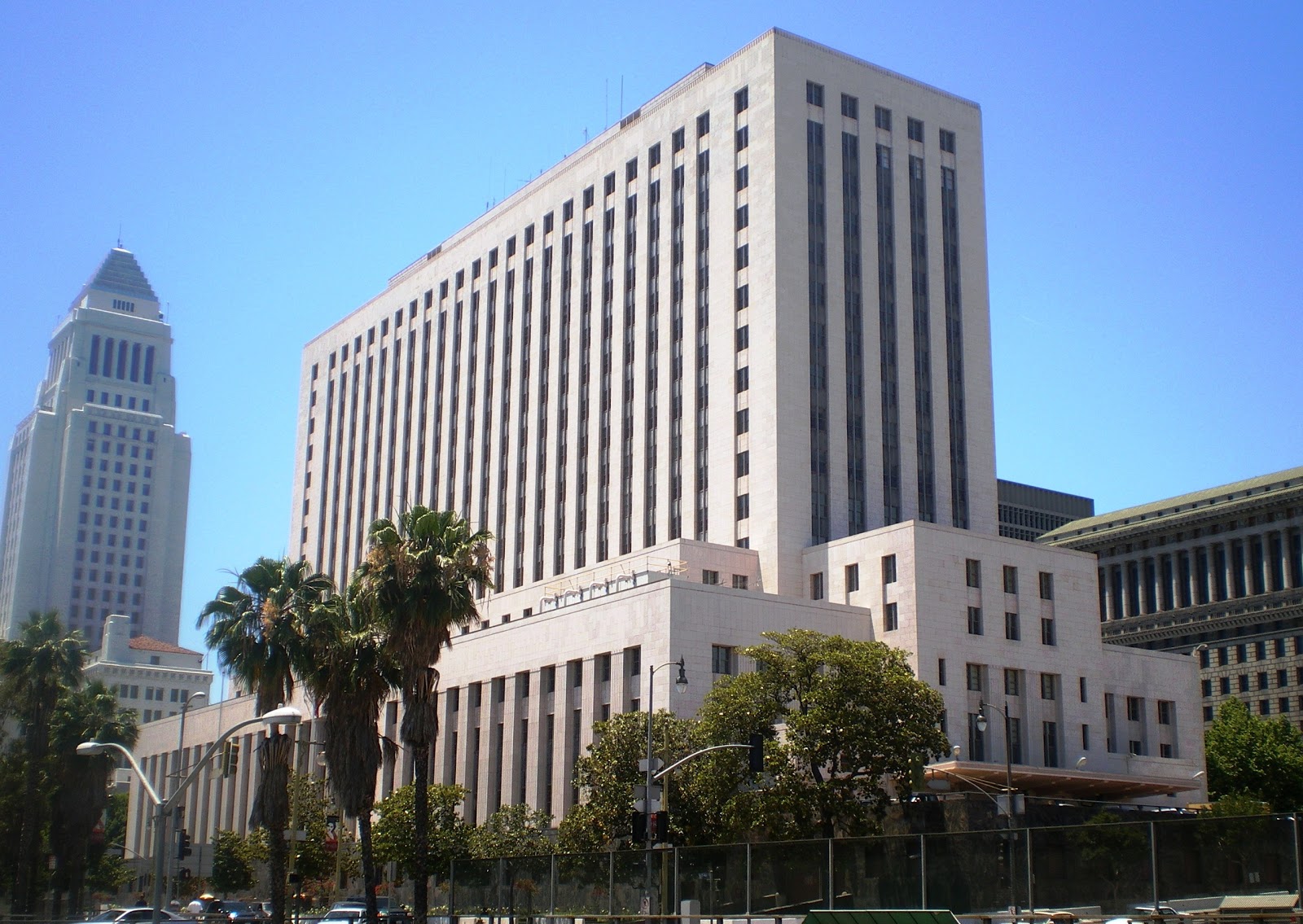
LA Court House Building

Even if Los Angeles shuts down red light cameras, don’t forget about the ticket you already have. Are Traffic Cameras Legal In Los Angeles, California? The Los Angeles City Council has announced plans to stop using cameras to enforce red-light violators at numerous intersections throughout the city. While many are rejoicing that the cameras may be shut down, don’t forget about the red light camera ticket you currently have! The program’s end would prevent future red light camera tickets from being issued. However, don’t assume that any current red light camera tickets you already have from the City of Los Angeles will just automatically vanish. If the current system ends, these tickets may still be prosecuted. To avoid potential problems, follow up on any outstanding tickets. You can always check the court website to confirm if your ticket is still active or closed. Remember: if the ticket is filed and active with the court before the program ends, it likely won’t be dropped. If you don’t follow up, it could go to collections or, in some cases, be referred to the DMV.

1. Status of Red Light Cameras in Los Angeles

The city officially ended its traditional red light camera enforcement program, but surrounding areas such as Beverly Hills, Culver City, and West Hollywood continue to operate cameras. This means that while LA proper has shut down its system, drivers in nearby jurisdictions can still receive tickets. Some cameras remain active on transit or rail corridors under different jurisdictions, which can still lead to citations even if the citywide program is gone.

2. What Happens to Old Tickets?

Ending the program does not erase existing violations. Courts treat red light camera tickets as legal proceedings. If a citation was already filed in court, it remains active until it is resolved. That means ignoring the ticket could still result in referral to collections agencies, potential negative impact on your credit, or referral to the DMV depending on court discretion. In other words, while new tickets may not be issued by LA, the old ones don’t simply disappear.

3. Should LA Have Shut Down the Cameras?

We would like your opinion: do you think LA should shut down the cameras? Critics point out that Los Angeles was losing money on red light cameras, with operating costs sometimes outweighing the fines collected. Non-profits and community advocates have argued that photo enforcement is not the best use of city resources. They highlight that signal timing enhancements alone have been shown by the LAPD and LADOT to improve intersection safety — often without the controversy that cameras generate.

4. California’s Current Legal Landscape

Red light cameras remain legal in California as of 2025, though the rules are strict. For a citation to hold up in court the photo must clearly show the driver’s face and the license plate, proper warning signage must be in place, and evidence must meet California Vehicle Code standards. At the state level, Senate Bill 720 is under consideration, which could dramatically change the rules. The bill proposes capping fines, eliminating DMV points, and reducing insurance impacts for automated enforcement tickets.

5. Should You Pay or Ignore the Ticket?

The practical reality in Los Angeles County is that some drivers have ignored camera tickets with little consequence. In many cases, the courts haven’t referred these cases to the DMV. But there’s no guarantee this will remain true — especially if new legislation or local enforcement priorities shift. If you do nothing, you might avoid immediate costs but could face long-term issues with collections, credit checks, or DMV records. If you act, you can choose to pay the fine to close the case, contest the ticket citing possible errors in the camera system or improper service, or seek dismissal or mitigation if you qualify under court discretion.

6. Neighboring Cities Still Enforce Cameras

Even though LA shut down its program, nearby municipalities such as Culver City still use photo enforcement actively. These programs operate under their own rules, and their tickets are prosecuted with more consistency. If you commute between jurisdictions, you need to remain cautious at intersections where cameras remain live.

7. Final Thoughts

If you already have an LA red light camera ticket, don’t count on it disappearing. While the program shutdown may bring relief to future drivers, outstanding tickets can still affect you. Always verify your case status, weigh your options, and follow up before the issue escalates. The debate over whether LA should continue or eliminate red light cameras isn’t just about money — it’s about safety, fairness, and effective use of resources. With technology, enforcement, and legislation changing, drivers need to stay aware of their rights and responsibilities.

Are Traffic Cameras Legal in Los Angeles, California?

Los Angeles red light cameras map

The debate over red light cameras in Los Angeles has been ongoing for more than a decade. As the Los Angeles Board of Police Commissioners prepares to decide whether to approve the LAPD’s request for a new multi-year, multi-million-dollar contract for the city’s Photo Red-Light Program, drivers, taxpayers, and policymakers alike are asking an important question: Are traffic cameras legal in Los Angeles, California, and do they actually work?    Are Traffic Cameras Legal In Los Angeles, California?

This article explores the legal battles, financial controversies, and political disputes surrounding Los Angeles’ red light camera program. We’ll look at who profits, who pays, and why many California cities have abandoned cameras altogether.

LAPD’s Request for a New Contract

The Los Angeles Police Department has asked the city to approve a new contract with American Traffic Solutions (ATS), the Arizona-based vendor currently operating the system. According to the LAPD, the new deal would keep the cameras running for several more years across dozens of busy intersections.

But the numbers don’t look good for the city’s bottom line. Under the proposed agreement, Los Angeles would actually lose a minimum of $1.5 million per year. Critics argue that no safety program should run at such a steep loss, especially when the public continues to question its effectiveness.

Arizona Boycott Controversy

Adding to the drama, ATS is headquartered in Arizona. Years ago, the Los Angeles City Council passed a resolution boycotting Arizona-based companies in protest of the state’s immigration policies. Now, with the LAPD pushing to sign a new deal with ATS, watchdog groups are pointing out the contradiction.

How can the city uphold a boycott while awarding a multi-million-dollar contract to an Arizona company? This inconsistency could sway the vote when commissioners meet to decide the fate of the program.

The Role of Safer Streets L.A.

Safer Streets L.A., a grassroots organization dedicated to motorist safety, has been one of the loudest voices opposing red light cameras in the city. The group argues that the cameras are less about safety and more about revenue generation, punishing drivers while failing to reduce accidents.

According to Safer Streets L.A., there is a growing chance that enough members of the Police Commission Board will reject the LAPD proposal, effectively ending the city’s red light camera program once and for all.

The organization also highlights the questionable ethics of ATS, pointing to reports that the company has engaged in manipulative campaigns designed to sway public opinion in favor of cameras. Publications such as the HeraldNet and Spokesman have reported on similar controversies involving the vendor in other states.

Do Red Light Cameras Improve Safety?

At the core of this debate is the question of whether cameras make streets safer. Studies have shown mixed results:

  • Supporters argue that cameras reduce dangerous T-bone collisions caused by drivers running red lights.

  • Opponents counter that while some collisions decrease, rear-end accidents often increase as drivers slam on their brakes to avoid tickets.

Safer Streets L.A. has published multiple reports claiming that Los Angeles’ red light cameras have not produced measurable safety improvements. Instead, they argue, the program simply transfers money from residents to an out-of-state corporation.

The Cost of Fighting a Ticket

In Los Angeles, getting caught by a red light camera can cost $490 or more once state fees are included. But that’s not all. Many drivers who challenge their citations end up spending thousands in legal fees. Some local traffic attorneys have become experts at fighting camera tickets, often getting them dismissed due to errors in the citation process.

These frequent court challenges are one reason the program is financially unsustainable. If drivers are beating tickets in court, the city and ATS are collecting less money, leaving taxpayers to cover the operating costs.

Why Other California Cities Shut Down Cameras

Los Angeles is not the only California city to face these challenges. In fact, more than 60 cities across the state have already abandoned their red light camera programs after facing similar problems. Cities like Berkeley, Pasadena, and San Diego found that the financial and political costs outweighed the benefits.

Opponents argue Los Angeles should follow suit, ending the program rather than extending it for several more years at a loss.

Legal Questions About Enforceability

Another wrinkle is the question of whether camera tickets are even enforceable under California law. While the state allows photo enforcement programs, courts have ruled that evidence must be reliable and drivers must be properly identified.

In some cases, drivers have successfully argued that mailed citations lack proper legal foundation because the officer who signs them did not personally witness the violation. These arguments, combined with public resentment, have further weakened support for the program.

Ethics and Public Trust

The LAPD and city officials have a responsibility not just to enforce traffic laws, but also to uphold public trust. Partnering with a company accused of questionable lobbying tactics raises concerns about transparency and accountability.

If residents believe cameras are more about money than safety, compliance drops and resentment grows. For programs like this to work, the public must view them as fair and effective.

What Happens Next?

The Los Angeles Board of Police Commissioners is scheduled to hold a meeting at 9:30 a.m. at the Police Administration Building, 100 West 1st Street, Los Angeles, CA. At that meeting, they will vote on whether to approve the LAPD’s request.

If the board votes against the contract, Los Angeles’ red light camera program could be shut down for good. If they approve, the city will continue paying millions to keep the cameras running—despite public opposition and financial losses.

The Bigger Picture

The fight over red light cameras in Los Angeles represents a larger debate happening nationwide. Cities across the United States are grappling with whether automated enforcement is the future of traffic safety or an outdated, ineffective cash grab.

Los Angeles, with its size and influence, could set an example for other municipalities. Ending the program might signal to other cities that it’s time to rethink photo enforcement altogether.

Conclusion

So, are traffic cameras legal in Los Angeles, California? Yes, they are allowed under state law—but legality doesn’t necessarily mean they make sense for the city. Between financial losses, ethical questions, legal challenges, and public opposition, the red light camera program faces a tough road ahead.

The upcoming Police Commission vote will determine whether Los Angeles doubles down on this controversial technology or joins dozens of other California cities in pulling the plug.

One thing is certain: the decision will affect not just drivers, but also the city’s reputation for balancing public safety with fairness and fiscal responsibility.

References:

Spokesman
Againstallclods

The Board of Police Commissioners meeting will take place at 9:30am at the Police Administration Building 100 West 1st Street. LA, CA. Safer Streets L.A. studies regarding red-light cameras can be viewed and downloaded for free at Saferstreetsla.org/reports

Montebello Wastes $500K on Red Light Cameras: A Warning

Montebello, CA is under fire after wasting an estimated $500,000 on red light cameras—a program that failed to deliver meaningful traffic safety improvements or financial returns. As California cities reevaluate red light enforcement, Montebello's experience offers an important lesson in what not to do.

What Happened in Montebello?

Montebello partnered with RedFlex Traffic Systems to operate red light cameras at high-traffic intersections like Garfield Avenue and Beverly Boulevard. The goal was to improve road safety and generate revenue from traffic violations.

However, recent reports show that the program lost money. A contract clause allowed the city to pay RedFlex less if citation revenue fell below expectations—an arrangement deemed illegal under California law, which prohibits traffic enforcement contracts based on financial incentives.

Yellow Light Timing Under Scrutiny

At the Garfield and Beverly intersection, the yellow light was set at 3.6 seconds—the legal minimum for a 35 mph speed zone. While this complies with California traffic signal regulations, experts argue it's not enough time for most drivers to stop safely. This has raised concerns that Montebello’s red light cameras prioritize profit over public safety.

Are Red Light Cameras Worth It?

Montebello isn’t alone in facing backlash. Other California cities like Los Angeles, Oakland, and San Diego have shut down their red light camera programs due to high costs, legal issues, and negligible safety benefits.

According to public data, many red light camera tickets in California go unpaid or dismissed in court, often due to technicalities, improper signage, or questionable enforcement practices.

Taxpayer Money Lost in Montebello

With nearly $500,000 in taxpayer funds wasted, residents and local watchdogs are demanding:

  • A full audit of the red light camera program

  • Greater contract transparency

  • Reforms in how automated traffic enforcement is implemented in California

Critics argue that the city should have focused on traffic signal upgrades, driver education, and real police enforcement, which are proven to be more effective at reducing crashes.

The Bigger Picture: Red Light Cameras in California

Montebello’s failed program is part of a growing trend. Across the state, cities are questioning whether red light cameras are:

  • Legal under California’s traffic enforcement laws

  • Effective at preventing accidents

  • Ethical in their implementation and intent

If cities continue to use them, best practices must include longer yellow light times, transparent contracts, and data showing a clear link to reduced traffic injuries.

Final Thoughts: Montebello's Mistake Shouldn't Be Repeated

The Montebello red light camera controversy is a clear example of poor policy planning and oversight. As more municipalities consider removing or regulating automated enforcement systems, Montebello’s experience could help guide statewide reform.

What If You Don't Pay Your Red Light Camera Ticket?

stop sign hand

Getting a red light camera ticket can be frustrating, but ignoring it might lead to bigger headaches than you think. Many drivers wonder what happens if they don’t pay a red light camera ticket. The answer varies by state, but unpaid tickets can lead to escalating fines, license issues, and even collections.

In this article, we’ll break down the consequences of not paying a red light camera ticket, how it affects your record, and what you can do if you believe you received the ticket unfairly.

What Is a Red Light Camera Ticket?

Red light cameras are automated systems installed at intersections to catch drivers running red lights. If your vehicle is photographed entering an intersection after the light turns red, a citation is mailed to the vehicle’s registered owner. These tickets usually include:

  • A photo or video of the violation

  • The date and time

  • The location

  • A fine amount (typically between $50–$150)

What Happens If You Don’t Pay?

The consequences of ignoring a red light camera ticket can escalate quickly. Here’s what you can expect:

1. Additional Fines and Late Fees

Unpaid tickets usually accrue late fees. A $75 fine could double or triple if not paid by the due date.

2. Debt Collection

Cities often send unpaid red light camera tickets to third-party debt collectors. This can damage your credit score, making loans, mortgages, and credit approvals more difficult.

3. Vehicle Registration Holds

In states like California, Illinois, and New York, unpaid tickets can result in a hold on your vehicle registration renewal.

4. License Suspension

Although uncommon, some jurisdictions may eventually suspend your driver’s license if too many unpaid traffic violations accumulate.

5. Court Action

Some cities may take legal action to recover the money, including small claims court or wage garnishment if the fine goes unpaid for a long time.

Consequences by State: A Comparison Table

To help you understand how different states handle unpaid red light camera tickets, here’s a side-by-side breakdown:

State Ticket Type Consequences of Non-Payment
California Moving Violation License suspension, court fines
Illinois Civil Violation Registration holds, boot/tow, collections
Texas Civil Violation (mostly banned) Debt collection (pre-2019)
New York Non-Moving Violation Registration renewal hold
Florida Civil Infraction License suspension, extra fines
Ohio Civil Violation Collections
Washington Like Parking Ticket Collections, registration issues
Arizona Civil Violation Default judgment, license suspension
Oregon Traffic Violation License suspension, debt collection
Nevada Varies by City Court action, DMV penalties

Does a Red Light Camera Ticket Go on Your Record?

Whether a red light camera ticket affects your driving record depends on the state:

  • In some states, like California, red light camera tickets are treated like moving violations and may add points to your license.

  • In others, like Texas, these are treated as civil penalties and don’t impact your driving record or insurance.

Always check your state’s traffic laws to know what’s at stake.

Can You Fight a Red Light Camera Ticket?

Yes, you can contest the ticket. Here’s how:

  • Request a hearing before the deadline.

  • Gather evidence, such as showing you weren’t the driver or the light was yellow when you crossed.

  • Challenge the accuracy of the camera or signage.

Some drivers successfully beat red light camera tickets due to blurry images, lack of posted signs, or incorrect vehicle identification.

Is It Ever Okay to Ignore the Ticket?

Not paying is risky. Some drivers gamble that cities won’t pursue non-payment, especially if they live out of state. While it's true some municipalities don't aggressively collect, others do—and the long-term consequences often outweigh the temporary relief.

Final Thoughts

So, what happens if you don’t pay your red light camera ticket? It can lead to growing fines, credit issues, vehicle registration blocks, and more. The best course of action is to either pay the ticket promptly or contest it through the proper legal channels.

Ignoring it won’t make it go away—and it could cost you far more in the long run.

List of Red Light Camera Programs Active & Discontinued in CA


Our database currently tracks approximately 49 cities that have active red light camera locations. California currently has 385+ active red light camera locations (intersections) remaining.  In the last 10 years approximately 75 cities have removed or shutdown red light camera programs in California.

Below is a list of cities that have active red light camera programs.  Please comment below if we need to update our information.  Some intersections have multiple cameras and this list only accounts for only the active intersection.

California red light and cameras map
City          Cameras
Bakersfield 15
Beverly Hills 11
Canoga Park 3
Capitola 1
Carmichael 1
Cathedral City 4
Cerritos 3
Citrus Heights 10
Commerce 4
Covina 7
Culver City 14
Daly City 4
Del Mar 3
East Los Angeles 1
Elk Grove 6
Encinitas 3
Fremont 11
Garden Grove 7
Hawthorne 2
Hollywood 3
Los Alamitos 2
Los Angeles 78
Lynwood 1
Mar Vista 1
Menlo Park 5
Millbrae 1
Modesto 4
Montebello 7
Napa 3
Newark 2
N. Hollywood 3
Oxnard 10
Rancho Cordova 3
Redding 5
Redwood City 3
Sacramento 39
San Francisco 32
San Leandro 9
San Mateo 3
Santa Ana 14
Santa Clarita 7
Santa Cruz 1
Solana Beach 2
Tarzana 2
Van Nuys 7
Ventura 19
Vista 6
Winnetka 1
Woodland Hills 2
Grand Total 385

Below is a list of 75 cities in California that have removed cameras or shutdown red light camera programs. 

Anaheim, Baldwin Park, Bell Gardens, Belmont, Berkeley, Beverly Hills, Burlingame, Cerritos, Compton, Corona, Costa Mesa, Davis, El Cajon, El Monte, Emeryville, Escondido, Fairfield, Fresno, Fullerton, Gardena, Glendale, Grand Terrace, Hayward, Hesperia, Highland, Huntington Beach, Indian Wells, Inglewood, Irvine, Laguna Niguel, Laguna Woods, Lancaster, Loma Linda, Los Angeles, Manteca, Marysville, Melrose, Modesto, Montclair, Moreno Valley, Murrieta, Napa, Oakland, Oceanside, Orange, Paramount, Pasadena, Poway, Redlands, Redwood City, Riverside, Rocklin, Roseville, San Bernardino, San Carlos, San Diego, San Francisco, San Juan Capistrano, San Rafael, Santa Ana, Santa Clarita, Santa Fe Springs, Santa Rosa, South Gate, South San Francisco, Stockton, Turlock, Upland, Victorville, Vista, Walnut, West Hollywood, Whittier, Yuba City & Yucaipa

Popular Articles (All Time)