
Showing posts with label Connecticut. Show all posts
Showing posts with label Connecticut. Show all posts
New Haven, CT Considers Red Light Cameras: Key Facts
In an effort to enhance road safety and reduce traffic violations, city officials in New Haven, Connecticut, have proposed the installation of red light cameras at key intersections throughout the city. This move aims to deter reckless driving and improve pedestrian safety in an area that has seen its share of traffic-related incidents. In this article, we’ll explore the details of the proposal, its potential implications, and what residents can expect as the city moves forward with this initiative.
Understanding the Proposal
The proposed plan to implement red light cameras in New Haven comes in response to growing concerns about traffic violations and pedestrian safety. According to city officials, the cameras will be strategically placed at high-traffic intersections known for frequent red light violations and accidents.
Objectives of the Proposal
-
Increase Safety: The primary goal of the red light cameras is to reduce the number of accidents at intersections, particularly those involving pedestrians and cyclists. By discouraging drivers from running red lights, the city hopes to create a safer environment for all road users.
-
Enhance Compliance: Studies have shown that the presence of red light cameras can lead to increased compliance with traffic signals. This initiative aims to instill a culture of responsibility among drivers, prompting them to obey traffic laws.
-
Collect Data: The implementation of red light cameras will also provide valuable data regarding traffic patterns and violations, allowing city officials to identify problematic intersections and implement targeted solutions.
Community Response
The proposal has sparked a mix of reactions among New Haven residents. Supporters argue that red light cameras can significantly improve safety, while critics raise concerns about the fairness and transparency of automated traffic enforcement.
Support for Red Light Cameras
Many community members believe that red light cameras are a necessary tool for improving safety. They point to successful implementations in other cities, which have reported reductions in accidents and fatalities at monitored intersections. Supporters also argue that the cameras can serve as a valuable deterrent against reckless driving.
Concerns and Criticism
On the other hand, some residents have expressed concerns about potential issues related to red light cameras, such as:
-
Revenue Generation: Critics argue that the cameras could be used primarily as a revenue-generating tool for the city rather than a genuine safety measure. They worry that this could lead to an increase in tickets issued for minor infractions.
-
Increased Accidents: Some studies suggest that the use of red light cameras can result in an increase in rear-end collisions, as drivers may suddenly stop to avoid a ticket. This concern has prompted calls for further examination of the proposal before implementation.
Next Steps for New Haven
As New Haven moves forward with the proposed red light cameras, several steps are likely to follow:
-
Public Hearings: City officials may hold public hearings to gather input from residents and stakeholders. This feedback will be crucial in shaping the final implementation plan.
-
Pilot Program: If the proposal is approved, the city may consider a pilot program to assess the effectiveness of red light cameras in select areas before a city-wide rollout.
-
Ongoing Evaluation: After implementation, city officials will need to continuously evaluate the performance of the red light cameras, assessing their impact on traffic safety and making adjustments as necessary.
Conclusion
The proposal for red light cameras in New Haven, Connecticut, represents a proactive approach to addressing traffic safety concerns in the city. While the initiative has garnered both support and criticism, the ultimate goal is to create a safer environment for all road users. As the city gathers feedback and moves through the implementation process, residents are encouraged to stay informed and participate in discussions about the future of traffic enforcement in their community.
Noise Enforcement Cameras Coming to Connecticut: What You Need to Know
Connecticut is set to join the growing trend of utilizing technology for noise enforcement by introducing noise enforcement cameras across the state. This innovative approach aims to tackle the persistent issue of excessive noise pollution, particularly from loud vehicles and disruptive gatherings. As municipalities grapple with the challenges posed by noise disturbances, the implementation of noise enforcement cameras could significantly change how communities manage sound regulations. Here’s everything you need to know about this new initiative.
Why Noise Enforcement Cameras?
Excessive noise is more than just an annoyance; it can negatively impact public health, safety, and quality of life. The introduction of noise enforcement cameras comes in response to several key factors:
-
Increased Complaints: Many Connecticut residents have reported rising noise levels, particularly in urban areas where loud vehicles and late-night parties disrupt the peace. Local authorities are responding to these complaints with a more proactive approach.
-
Public Health Concerns: Studies have shown that prolonged exposure to high noise levels can lead to a range of health issues, including stress, sleep disturbances, and cardiovascular problems. By addressing noise pollution, Connecticut aims to improve public health outcomes.
-
Advancements in Technology: With the development of sophisticated audio monitoring technology, municipalities can now accurately measure noise levels and identify offenders without the need for constant police presence.
How Noise Enforcement Cameras Work
Noise enforcement cameras are designed to monitor sound levels in real-time and automatically identify violations. Here’s how they typically operate:
-
Sound Measurement: Equipped with advanced microphones and sensors, these cameras continuously measure noise levels in designated areas. When noise exceeds a predetermined threshold, the system triggers a recording.
-
Automatic Violations: The camera captures evidence of the violation, including the date, time, and location. This information is then used to issue citations to the registered owner of the offending vehicle or property.
-
Evidence Collection: Along with sound recordings, the cameras can also document other relevant details, such as video footage of the incident, to provide context for the violation.
Potential Benefits of Noise Enforcement Cameras
The implementation of noise enforcement cameras in Connecticut could yield several benefits:
-
Improved Compliance: The presence of noise cameras may deter individuals from creating excessive noise, leading to greater compliance with noise regulations. Knowing that violations are being monitored can encourage responsible behavior.
-
Resource Efficiency: By automating the enforcement process, law enforcement agencies can allocate their resources more effectively. Officers can focus on more pressing issues while technology handles noise violations.
-
Enhanced Quality of Life: Reducing excessive noise levels can significantly improve the quality of life for residents, fostering a more peaceful living environment. This initiative aligns with broader efforts to promote public health and community well-being.
-
Data-Driven Insights: The data collected from noise enforcement cameras can provide valuable insights into noise patterns and trends, helping municipalities develop more effective noise management strategies.
Challenges and Considerations
While the introduction of noise enforcement cameras offers many advantages, there are also challenges to consider:
-
Privacy Concerns: The use of cameras to monitor noise levels may raise privacy issues among residents. It is essential for municipalities to implement measures that protect individuals' rights while enforcing noise regulations.
-
Defining Noise Violations: Establishing clear guidelines for what constitutes excessive noise can be complex. Local governments must ensure that regulations are well-defined to avoid confusion and ensure fair enforcement.
-
Community Acceptance: Gaining community support for noise enforcement cameras will be crucial. Residents should be informed about the benefits and rationale behind the initiative to foster acceptance and compliance.
Conclusion
The introduction of noise enforcement cameras in Connecticut marks a significant step towards addressing the challenges of noise pollution in urban areas. By leveraging technology to monitor and enforce noise regulations, the state aims to enhance the quality of life for its residents and promote public health. As this initiative unfolds, it will be essential for local governments to navigate the associated challenges while effectively communicating the benefits to the community. With proper implementation, noise enforcement cameras could pave the way for a quieter, more peaceful Connecticut.
Where Is It Illegal To Have Your Dog In The Front Seat Of The Car?

It is illegal to have a dog in the front seat in Connecticut, Maine, and Massachusetts.
Red-Light Cameras Coming to Connecticut?
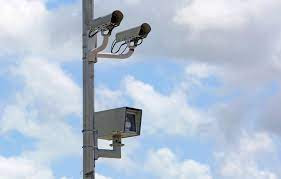
It appears that red-light cameras will soon make their way to Connecticut, marking a significant development in traffic enforcement. There is a long history of these cameras trying to make it through legislation in CT. Here is the anticipated fine system associated with the introduction of these cameras, shedding light on the potential consequences for violators. Here is a current Map of Connecticut Traffic Cameras.
Why Democratic Lawmakers Love Red Light Cameras?

Why Do Democrats Love Red Light Cameras More Than Republicans?
Connecticut is just one of the many States and Cities in throughout the U.S. considering to adopt red light camera legislation. National Coalition for Safer Roads is a group lobbying for support of the cameras in Connecticut that receives funds from Arizona-based American Traffic Solutions, a private vendor of red light cameras that has spent more than $100,000 on lobbying in Connecticut since last year. Democratic lawmakers are pushing hard for the new legislation and are now running up against some resistance. Read the full story.
Connecticut Getting Red Light Cameras?

A Connecticut bill, which was repeatedly described as a work in progress, creates a pilot program allowing towns with populations exceeding 48,000 to install the cameras. The cameras will photograph the license plates of vehicles running red lights or otherwise breaking the law. Owners of vehicles photographed would be issued infractions of up to $50 by mail. According to the bill’s fiscal analysis, the cameras will cost towns between $50,000 and $75,000 for installation and maintenance. However, towns can expect an increase in revenue depending upon how many people are ticketed and how many of them pay the fines.

Popular Articles (All Time)
-
 Red light camera tickets typically take from 3-7 business days to process and are mailed to the registered owner of the vehicle. We r...
 -
 A Traffic Monitoring Camera Is Not The Same As A Red Light Camera Many of our readers often get confused about the difference betwe...
 -
 If you ever plan on traveling to Downtown Los Angeles on the 110 Freeway I would suggest buying one of these Fast Trak transponders to avoid...
 -
 Red Light Camera Ticket in The Mail It typically takes 5-7 business for a ticket to arrive in the mail in Florida, California, New Yo...
 -
 Red light cameras are increasingly common at busy intersections, and their purpose is to deter dangerous driving and reduce collisions. ...
 -
 The flash of a red light camera is one of the most dreaded things you can see when you pass an intersection. You may have noticed that if...
 -
 Red-light cameras remain one of the most debated traffic enforcement tools in the United States. Supporters argue they save lives by discour...
 -
 Search the Map for " Live Traffic " To Only See Traffic Cameras Bookmark Our Live Traffic Cameras App on Your Phone ...
 -
 Freedom of Information Act Request to Any Government Agency This is the most common question PhotoEnforced.com receives on a daily b...
 -
 Drives Should Be Wary of Short Yellow Lights at Camera Enforced Intersections