Showing posts with label Traffic. Show all posts

License Plate Hunter Cameras: How They Work & Where They're Used

License plate hunter cameras—formally known as Automated License Plate Readers (ALPR)—are specialized surveillance systems designed to automatically capture and analyze license plate data in real time. As discussed in PhotoEnforced's original article, these devices are often mistaken for speed or red-light cameras, but their primary function is vehicle identification rather than issuing direct traffic tickets.

In the last decade, ALPR systems have become a common sight on highways, at toll booths, in parking garages, and even in residential neighborhoods. Their rapid adoption is driven by their ability to process thousands of license plates per hour, integrate with vast databases, and provide immediate alerts to authorities when a match is found.

How License Plate Hunter Cameras Work

The core technology behind ALPR involves a high-resolution camera paired with optical character recognition (OCR) software. This combination allows the system to “read” license plates, regardless of whether the vehicle is moving at high speed or parked. Infrared imaging is frequently used so the system can function in darkness, rain, fog, or glare conditions.

When a plate is captured, the system typically records:

  • The license plate number
  • Date and time of capture
  • GPS coordinates or fixed location data
  • A photo of the vehicle (often showing make, model, and color)

The recorded information is then compared against one or more databases. These may include stolen vehicle lists, active warrant notices, wanted persons alerts, unpaid toll violations, or other watchlists. Matches can trigger real-time alerts to patrol officers or dispatch centers.

Key Applications of ALPR Technology

  1. Law Enforcement: Police departments use ALPR to detect stolen vehicles, track suspects, locate missing persons, and solve crimes. A single patrol car equipped with ALPR can scan thousands of plates per shift.
  2. Toll Collection: Many toll roads have eliminated cash booths entirely, relying on ALPR to identify vehicles and bill the registered owner.
  3. Parking Management: In garages and municipal lots, ALPR automates entry and exit logging, enforces permit requirements, and streamlines payment verification.
  4. Private Security: Gated communities, corporate campuses, and logistics hubs use ALPR to monitor and log all vehicle entries and exits, enhancing security without adding guard staff.
  5. Traffic Analysis: Transportation departments use ALPR data to monitor congestion patterns, calculate travel times, and plan roadway improvements.

Advantages of License Plate Hunter Cameras

ALPR systems deliver benefits that manual observation cannot match:

  • Continuous operation, day and night
  • Rapid, automated identification without human intervention
  • Integration with national, state, and local databases
  • Long-term storage for investigative purposes
  • Ability to process large traffic volumes efficiently

These strengths have made ALPR a cornerstone of modern traffic enforcement and vehicle monitoring efforts.

Privacy & Legal Concerns

Despite their utility, license plate hunter cameras have drawn criticism from privacy advocates and civil liberties organizations. The core concern is that ALPR allows mass surveillance of ordinary drivers without their knowledge or consent. Specific issues include:

  • Data Retention: In some jurisdictions, plate scans are deleted after 48 hours; in others, they may be kept for years.
  • Access Control: Questions remain over who can access the data and whether it is shared with private companies or other government agencies.
  • Potential for Abuse: Without strict oversight, ALPR data could be misused for tracking individuals for non-law-enforcement purposes.

Some U.S. states have passed laws regulating ALPR usage, retention, and sharing, while others have yet to address the technology in legislation. Court rulings have also begun to shape the legal boundaries, with some judges questioning whether prolonged, warrantless tracking violates the Fourth Amendment.

Where You’ll Find ALPR Cameras

License plate hunter cameras can be either fixed or mobile. Common installation points include:

  • Highway overpasses
  • Traffic signals and busy intersections
  • Toll plazas and express lanes
  • School safety zones
  • Police patrol vehicles
  • Parking garage entrances and exits
  • Industrial or residential gated entries

In mobile form, ALPR cameras mounted on police cruisers can scan vehicles parked along streets or traveling nearby in real time.

Case Study: Neighborhood ALPR Networks

Some private companies have expanded ALPR into residential security. For example, Flock Safety operates networks in thousands of U.S. neighborhoods, capturing billions of license plate scans each month. These systems are marketed as tools to reduce crime by sharing data directly with local police departments when a match occurs. Supporters cite significant reductions in burglary and theft rates, while critics raise concerns about continuous tracking and the absence of clear opt-out options for residents.

Potential Risks and Misidentification

ALPR accuracy is generally high, but it is not flawless. Misreads can occur due to dirty or damaged plates, unusual fonts, lighting conditions, or obstructions. In rare cases, such errors have led to mistaken stops or arrests, underscoring the need for human verification before taking enforcement action.

Future Trends in License Plate Recognition

ALPR technology continues to evolve rapidly. Artificial intelligence now enables systems to identify vehicles by make, model, and color in addition to plate numbers. Predictive analytics may soon allow law enforcement to anticipate vehicle movements based on past patterns. Smaller, cheaper units are making it possible to install ALPR in more locations, including portable units for temporary deployments.

As cities adopt “smart traffic” infrastructure, ALPR data is likely to be integrated with other sources such as traffic sensors, GPS feeds, and even facial recognition systems. These integrations promise greater efficiency in traffic management and public safety but will also raise deeper privacy debates.

Balancing Security and Privacy

License plate hunter cameras can make communities safer, speed up investigations, and modernize transportation systems. However, unchecked deployment risks eroding public trust. Policymakers, law enforcement, and private operators must balance the legitimate benefits of ALPR with strong safeguards to prevent misuse.

Transparency measures such as public notice of camera locations, limits on data retention, and independent audits can help ensure that the technology serves the public good without compromising individual freedoms.

Conclusion

License plate hunter cameras have transformed vehicle monitoring from a manual process into a sophisticated, automated system capable of scanning and analyzing vast amounts of data instantly. Whether used by police, toll agencies, parking operators, or private security, these systems are now a permanent feature of modern transportation networks. The challenge moving forward will be ensuring that their use aligns with both public safety needs and the fundamental right to privacy.
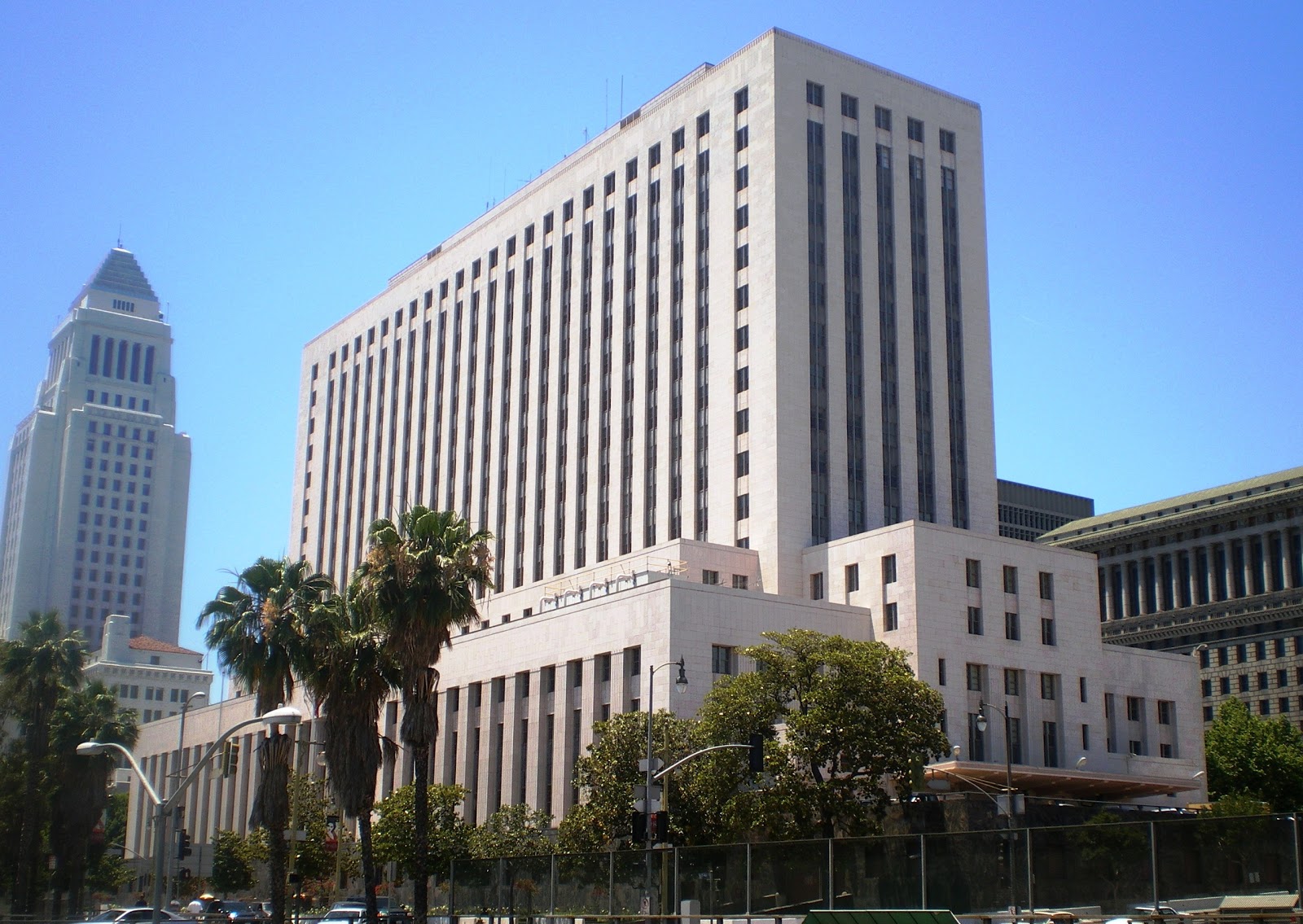
Do You Still Have to Pay That LA Red Light Camera Ticket?

LA Court House Building

Even if Los Angeles shuts down red light cameras, don’t forget about the ticket you already have. Are Traffic Cameras Legal In Los Angeles, California? The Los Angeles City Council has announced plans to stop using cameras to enforce red-light violators at numerous intersections throughout the city. While many are rejoicing that the cameras may be shut down, don’t forget about the red light camera ticket you currently have! The program’s end would prevent future red light camera tickets from being issued. However, don’t assume that any current red light camera tickets you already have from the City of Los Angeles will just automatically vanish. If the current system ends, these tickets may still be prosecuted. To avoid potential problems, follow up on any outstanding tickets. You can always check the court website to confirm if your ticket is still active or closed. Remember: if the ticket is filed and active with the court before the program ends, it likely won’t be dropped. If you don’t follow up, it could go to collections or, in some cases, be referred to the DMV.

1. Status of Red Light Cameras in Los Angeles

The city officially ended its traditional red light camera enforcement program, but surrounding areas such as Beverly Hills, Culver City, and West Hollywood continue to operate cameras. This means that while LA proper has shut down its system, drivers in nearby jurisdictions can still receive tickets. Some cameras remain active on transit or rail corridors under different jurisdictions, which can still lead to citations even if the citywide program is gone.

2. What Happens to Old Tickets?

Ending the program does not erase existing violations. Courts treat red light camera tickets as legal proceedings. If a citation was already filed in court, it remains active until it is resolved. That means ignoring the ticket could still result in referral to collections agencies, potential negative impact on your credit, or referral to the DMV depending on court discretion. In other words, while new tickets may not be issued by LA, the old ones don’t simply disappear.

3. Should LA Have Shut Down the Cameras?

We would like your opinion: do you think LA should shut down the cameras? Critics point out that Los Angeles was losing money on red light cameras, with operating costs sometimes outweighing the fines collected. Non-profits and community advocates have argued that photo enforcement is not the best use of city resources. They highlight that signal timing enhancements alone have been shown by the LAPD and LADOT to improve intersection safety — often without the controversy that cameras generate.

4. California’s Current Legal Landscape

Red light cameras remain legal in California as of 2025, though the rules are strict. For a citation to hold up in court the photo must clearly show the driver’s face and the license plate, proper warning signage must be in place, and evidence must meet California Vehicle Code standards. At the state level, Senate Bill 720 is under consideration, which could dramatically change the rules. The bill proposes capping fines, eliminating DMV points, and reducing insurance impacts for automated enforcement tickets.

5. Should You Pay or Ignore the Ticket?

The practical reality in Los Angeles County is that some drivers have ignored camera tickets with little consequence. In many cases, the courts haven’t referred these cases to the DMV. But there’s no guarantee this will remain true — especially if new legislation or local enforcement priorities shift. If you do nothing, you might avoid immediate costs but could face long-term issues with collections, credit checks, or DMV records. If you act, you can choose to pay the fine to close the case, contest the ticket citing possible errors in the camera system or improper service, or seek dismissal or mitigation if you qualify under court discretion.

6. Neighboring Cities Still Enforce Cameras

Even though LA shut down its program, nearby municipalities such as Culver City still use photo enforcement actively. These programs operate under their own rules, and their tickets are prosecuted with more consistency. If you commute between jurisdictions, you need to remain cautious at intersections where cameras remain live.

7. Final Thoughts

If you already have an LA red light camera ticket, don’t count on it disappearing. While the program shutdown may bring relief to future drivers, outstanding tickets can still affect you. Always verify your case status, weigh your options, and follow up before the issue escalates. The debate over whether LA should continue or eliminate red light cameras isn’t just about money — it’s about safety, fairness, and effective use of resources. With technology, enforcement, and legislation changing, drivers need to stay aware of their rights and responsibilities.

Are Traffic Cameras Legal in Los Angeles, California?

Los Angeles red light cameras map

The debate over red light cameras in Los Angeles has been ongoing for more than a decade. As the Los Angeles Board of Police Commissioners prepares to decide whether to approve the LAPD’s request for a new multi-year, multi-million-dollar contract for the city’s Photo Red-Light Program, drivers, taxpayers, and policymakers alike are asking an important question: Are traffic cameras legal in Los Angeles, California, and do they actually work?    Are Traffic Cameras Legal In Los Angeles, California?

This article explores the legal battles, financial controversies, and political disputes surrounding Los Angeles’ red light camera program. We’ll look at who profits, who pays, and why many California cities have abandoned cameras altogether.

LAPD’s Request for a New Contract

The Los Angeles Police Department has asked the city to approve a new contract with American Traffic Solutions (ATS), the Arizona-based vendor currently operating the system. According to the LAPD, the new deal would keep the cameras running for several more years across dozens of busy intersections.

But the numbers don’t look good for the city’s bottom line. Under the proposed agreement, Los Angeles would actually lose a minimum of $1.5 million per year. Critics argue that no safety program should run at such a steep loss, especially when the public continues to question its effectiveness.

Arizona Boycott Controversy

Adding to the drama, ATS is headquartered in Arizona. Years ago, the Los Angeles City Council passed a resolution boycotting Arizona-based companies in protest of the state’s immigration policies. Now, with the LAPD pushing to sign a new deal with ATS, watchdog groups are pointing out the contradiction.

How can the city uphold a boycott while awarding a multi-million-dollar contract to an Arizona company? This inconsistency could sway the vote when commissioners meet to decide the fate of the program.

The Role of Safer Streets L.A.

Safer Streets L.A., a grassroots organization dedicated to motorist safety, has been one of the loudest voices opposing red light cameras in the city. The group argues that the cameras are less about safety and more about revenue generation, punishing drivers while failing to reduce accidents.

According to Safer Streets L.A., there is a growing chance that enough members of the Police Commission Board will reject the LAPD proposal, effectively ending the city’s red light camera program once and for all.

The organization also highlights the questionable ethics of ATS, pointing to reports that the company has engaged in manipulative campaigns designed to sway public opinion in favor of cameras. Publications such as the HeraldNet and Spokesman have reported on similar controversies involving the vendor in other states.

Do Red Light Cameras Improve Safety?

At the core of this debate is the question of whether cameras make streets safer. Studies have shown mixed results:

  • Supporters argue that cameras reduce dangerous T-bone collisions caused by drivers running red lights.

  • Opponents counter that while some collisions decrease, rear-end accidents often increase as drivers slam on their brakes to avoid tickets.

Safer Streets L.A. has published multiple reports claiming that Los Angeles’ red light cameras have not produced measurable safety improvements. Instead, they argue, the program simply transfers money from residents to an out-of-state corporation.

The Cost of Fighting a Ticket

In Los Angeles, getting caught by a red light camera can cost $490 or more once state fees are included. But that’s not all. Many drivers who challenge their citations end up spending thousands in legal fees. Some local traffic attorneys have become experts at fighting camera tickets, often getting them dismissed due to errors in the citation process.

These frequent court challenges are one reason the program is financially unsustainable. If drivers are beating tickets in court, the city and ATS are collecting less money, leaving taxpayers to cover the operating costs.

Why Other California Cities Shut Down Cameras

Los Angeles is not the only California city to face these challenges. In fact, more than 60 cities across the state have already abandoned their red light camera programs after facing similar problems. Cities like Berkeley, Pasadena, and San Diego found that the financial and political costs outweighed the benefits.

Opponents argue Los Angeles should follow suit, ending the program rather than extending it for several more years at a loss.

Legal Questions About Enforceability

Another wrinkle is the question of whether camera tickets are even enforceable under California law. While the state allows photo enforcement programs, courts have ruled that evidence must be reliable and drivers must be properly identified.

In some cases, drivers have successfully argued that mailed citations lack proper legal foundation because the officer who signs them did not personally witness the violation. These arguments, combined with public resentment, have further weakened support for the program.

Ethics and Public Trust

The LAPD and city officials have a responsibility not just to enforce traffic laws, but also to uphold public trust. Partnering with a company accused of questionable lobbying tactics raises concerns about transparency and accountability.

If residents believe cameras are more about money than safety, compliance drops and resentment grows. For programs like this to work, the public must view them as fair and effective.

What Happens Next?

The Los Angeles Board of Police Commissioners is scheduled to hold a meeting at 9:30 a.m. at the Police Administration Building, 100 West 1st Street, Los Angeles, CA. At that meeting, they will vote on whether to approve the LAPD’s request.

If the board votes against the contract, Los Angeles’ red light camera program could be shut down for good. If they approve, the city will continue paying millions to keep the cameras running—despite public opposition and financial losses.

The Bigger Picture

The fight over red light cameras in Los Angeles represents a larger debate happening nationwide. Cities across the United States are grappling with whether automated enforcement is the future of traffic safety or an outdated, ineffective cash grab.

Los Angeles, with its size and influence, could set an example for other municipalities. Ending the program might signal to other cities that it’s time to rethink photo enforcement altogether.

Conclusion

So, are traffic cameras legal in Los Angeles, California? Yes, they are allowed under state law—but legality doesn’t necessarily mean they make sense for the city. Between financial losses, ethical questions, legal challenges, and public opposition, the red light camera program faces a tough road ahead.

The upcoming Police Commission vote will determine whether Los Angeles doubles down on this controversial technology or joins dozens of other California cities in pulling the plug.

One thing is certain: the decision will affect not just drivers, but also the city’s reputation for balancing public safety with fairness and fiscal responsibility.

References:

Spokesman
Againstallclods

The Board of Police Commissioners meeting will take place at 9:30am at the Police Administration Building 100 West 1st Street. LA, CA. Safer Streets L.A. studies regarding red-light cameras can be viewed and downloaded for free at Saferstreetsla.org/reports

What Does Red Time Mean on Ticket?

red light and yellow light

When you receive a red-light camera ticket in the mail, you might notice a detail labeled “Red Time.” Many drivers are confused by this term, wondering if it refers to how long the light was red, how long they were in the intersection, or something else entirely. Understanding what “Red Time” means is critical because it determines whether the ticket issued against you is valid, how serious the violation is, and whether you have grounds to contest it in court.

This article explains what “Red Time” is, how law enforcement uses it, and what drivers need to know if they see it printed on a citation.

Defining “Red Time” on a Ticket

Red Time (sometimes called late time) refers to the amount of time, measured in seconds, that the traffic signal had been red before your vehicle entered the intersection.

For example:

  • If your ticket shows Red Time: 0.2 seconds, you entered the intersection just 0.2 seconds after the light turned red.

  • If it shows Red Time: 3.5 seconds, you crossed into the intersection more than three seconds after the red phase began.

At any given camera-enforced intersection, enforcement is only supposed to begin after the light turns red. The system should not activate during green or yellow. Cameras are specifically designed to photograph only when the red signal is active (what is the proper length of a yellow light?).

Two Types of Red Time

Tickets often list two separate red times:

  1. Initial Red Time – how long the light was red before the vehicle crossed the stop line.

  2. Elapsed Red Time – the time between the first picture (when the vehicle entered) and the second picture (when it moved through the intersection).

This distinction matters because it provides additional proof of whether you truly ran the light. Courts often review both numbers before making a judgment.

It’s always a good idea to check these details on your ticket. In many cases, courts are more lenient with very short red times, such as 0.1 or 0.2 seconds, than with clear and prolonged violations.

Why Red Time Matters

The Red Time figure is crucial evidence in red-light enforcement.

  1. Establishes the Violation

    • Traffic laws require vehicles to stop before entering once the light is red.

    • The Red Time shows whether you crossed legally or illegally.

  2. Determines Severity

    • A short Red Time suggests a borderline case where the driver just missed the yellow.

    • A long Red Time proves a blatant violation and is harder to contest.

  3. Impacts Court Outcomes

    • Drivers with very short red times sometimes get their tickets reduced or dismissed.

    • Long red times rarely succeed in court challenges.

How Red-Light Cameras Measure Red Time

Modern camera systems use three main technologies:

  • Inductive Loop Sensors – detect when a vehicle passes the stop line.

  • Traffic Signal Controller – records the exact instant the signal changes.

  • Cameras and Flash Units – triggered only once the light turns red.

The result: two timestamped photographs (or a video clip) that show your vehicle entering and traveling through the intersection, with the Red Time documented alongside.

Common Misconceptions About Red Time

  • Myth 1: If it’s under one second, it doesn’t count.
    Even 0.1 seconds after red is still legally a violation.

  • Myth 2: There’s a built-in grace period.
    Not true in most jurisdictions. Once red, enforcement begins immediately.

  • Myth 3: A camera flash always equals a ticket.
    Sometimes cameras flash erroneously; police review evidence before mailing citations.

How Red Time Appears on Tickets

Most citations include:

  • Event time (date & time of violation)

  • Red Time (in seconds)

  • Two images (entering & passing through the intersection)

  • License plate close-up

  • Video link (in some states)

These details allow both drivers and courts to verify the accuracy of the ticket.

Can Red Time Help You Beat a Ticket?

Yes, in some cases. Attorneys often scrutinize the Red Time to build a defense.

Common Defenses:

  • Improper Yellow Timing – If the yellow was shorter than legally required, entering slightly after red may not be your fault (learn more here).

  • Close-to-Zero Red Time – Judges sometimes dismiss or reduce penalties if you crossed less than a second after red.

  • Out of Necessity – Weather, sudden braking, or avoiding a crash may justify entering.

  • Technical Error – Faulty sensors or miscalibration could produce inaccurate red time readings.

Safety Implications of Red Time

  • Short Red Time (<1 second): Often linked to rear-end crashes due to sudden braking.

  • Long Red Time (>2 seconds): More likely to cause serious T-bone collisions.

This is why municipalities strictly enforce even small violations. Each fraction of a second can affect crash outcomes.

State & Local Variations

  • California: Courts allow challenges if yellow intervals are too short, making Red Time a central piece of evidence.

  • New York: Tickets upheld even at 0.1 seconds of Red Time.

  • Texas (before bans): Red Time used to justify safety benefits of cameras before statewide removal.

Frequently Asked Questions (FAQ)

Q: Does a Red Time of 0.1 seconds count as a violation?
Yes. Any entry after the light turns red is technically illegal.

Q: Can I fight a ticket if my Red Time is very short?
Yes. Courts sometimes reduce penalties when violations are within tenths of a second.

Q: Why are there two Red Times on my ticket?
One measures when you entered; the other measures how long it took to pass fully through the intersection.

Q: Does the system ever activate during yellow?
No. Cameras are only supposed to activate once the light is red (read more here).

Conclusion

“Red Time” isn’t just a technicality—it’s the foundation of a red-light camera ticket. It represents the length of time the light had been red before you entered the intersection, and in many cases, also tracks how long it took you to clear it. Courts treat these numbers seriously, but drivers with very short red times sometimes succeed in contesting their tickets.

By checking the Red Time on your citation, you’ll know whether you may have a strong case in court or whether it’s best to pay the fine. Remember, even a tenth of a second matters when it comes to intersection safety.

How Many Cities & Countries Use Red Light and Speed Cameras?

How Many Cities Use Red Light and Speed Cameras?

Automated traffic enforcement using red light and speed cameras is a growing trend worldwide, although its implementation varies significantly by region. These systems are used to deter dangerous driving behavior, improve road safety, and reduce traffic-related injuries and deaths.

Red Light Cameras in the United States

Red light cameras are currently in use in approximately 338 U.S. communities, marking a decline from the over 500 cities that operated such systems a decade ago. These programs are permitted in 22 states and the District of Columbia, with large metro areas like New York City, Chicago, Philadelphia, and Washington, D.C. leading the way.

Rank City Approximate Number of Cameras Camera Types Used Notes
1 New York City, NY 2,200+ Speed Cameras, Red Light Largest U.S. program; 750 school zones covered
2 Washington, D.C. 5,000+ Speed Cameras, Red Light Most traffic cameras per capita in the U.S.
3 Chicago, IL 527+ Speed Cameras, Red Light Extensive program; significant revenue from fines
4 San Francisco, CA 33+ Speed Cameras New program with income-based fines; 50 cameras planned
5 Los Angeles, CA 33+ Speed Cameras Pilot program initiated; fines based on income
6 Philadelphia, PA 300+ Speed Cameras, Red Light Focus on high-risk intersections
7 Seattle, WA 100+ Speed Cameras, Red Light Active enforcement in school zones
8 Denver, CO 100+ Speed Cameras, Red Light Implemented to reduce accidents
9 Phoenix, AZ 100+ Speed Cameras, Red Light Comprehensive citywide coverage
10 San Diego, CA 100+ Speed Cameras, Red Light

These cameras are typically placed at high-risk intersections and are credited with reducing angle collisions and red light running violations. In some areas, their effectiveness has led to a decrease in the number of cameras needed over time.

Keywords: red light camera statistics, red light enforcement USA, cities with red light cameras

Speed Cameras in the United States

Speed camera programs are in operation in about 195 U.S. cities, with legal authorization in 19 states and the District of Columbia. These cameras are often deployed in school zones, high-accident corridors, and areas where speeding is a persistent problem.

For example, New York City operates over 2,000 speed cameras near schools. Between 2019 and 2021, data showed a 73% drop in speeding violations at fixed locations, highlighting the effectiveness of the system in reducing dangerous driving.

Keywords: speed camera usage USA, speed enforcement cities, speed cameras near schools

Global Camera Use: Red Light and Speed Enforcement Worldwide

Worldwide, the number of traffic enforcement cameras far exceeds those in the U.S. Combined, there are more than 118,000 red light and speed cameras around the globe.

  • Red light cameras worldwide: Over 19,000

  • Speed cameras worldwide: Over 80,000

The top countries with the most traffic enforcement cameras include:

Rank Country Red Light Cameras Speed Cameras Total Cameras
1 Brazil 1,170 14,210 15,380
2 Italy 2,321 8,104 10,425
3 United States 3,974 4,001 7,975
4 United Kingdom 811 4,004 4,815
5 Germany 408 3,869 4,277
6 France 720 2,969 3,689
7 United Arab Emirates 482 2,109 2,591
8 Sweden 0 2,487 2,487
9 Spain 377 1,598 1,975
10 Turkey 70 1,427 1,497
11 Austria 177 1,245 1,422
12 Argentina 470 772 1,242
13 Belgium 68 1,163 1,231
14 Finland 45 1,057 1,102
15 Canada 774 279 1,053
16 Taiwan 308 712 1,020
17 Poland 208 534 742
18 Australia 335 264 599
19 Morocco 7 548 555
20 Croatia 12 513 525

This shows a strong global commitment to improving traffic safety through automated enforcement.

Keywords: global red light camera statistics, worldwide speed camera data, countries with most speed cameras

Legal and Policy Differences

In the U.S., state-level laws govern whether red light and speed cameras can be used. While some states fully embrace these systems, others have banned or heavily restricted them. For example, Texas has prohibited red light cameras, although some cities were allowed to maintain them until contracts expired.

These legal differences make the U.S. a patchwork of enforcement zones, where drivers may face automatic fines in one state but not the next.

Keywords: red light camera laws by state, speed camera legal states, U.S. automated enforcement laws

Conclusion

Red light and speed cameras continue to play a major role in promoting road safety in the U.S. and around the world. While their use is growing globally, adoption in the U.S. remains dependent on local and state policy. Cities that do use these systems have often seen measurable improvements in driver behavior and road safety.

Keywords summary: how many cities use red light cameras, speed camera statistics USA, red light enforcement worldwide, traffic camera usage by country

Red Light Cameras are Cash Cows

cash cow

Safety Tool or Municipal Cash Cow?

Red light cameras remain one of the most divisive traffic enforcement tools in the United States. Cities praise them as lifesaving deterrents, while drivers often view them as sneaky cash machines. Billions of dollars have been collected since their introduction, and the question remains: are these cameras about safety or revenue?

Why Red Light Cameras Were Introduced

The technology arrived in U.S. cities in the 1990s. Its promise was straightforward:

  • Automatically catch drivers running red lights.

  • Free up police resources.

  • Reduce deadly right-angle collisions at intersections.

On paper, it sounded like a win-win. But as citations piled up, public skepticism grew, especially when people noticed how much money cities were making from the fines.

The Safety Debate

Studies consistently show red light cameras reduce dangerous T-bone crashes, which often cause severe injuries and fatalities. The Insurance Institute for Highway Safety (IIHS) found that cities using cameras see fewer fatal crashes caused by red-light running (IIHS).

Yet the trade-off is an increase in rear-end collisions. Drivers slam on the brakes to avoid a ticket, leading to chain-reaction crashes. These tend to be less severe, but they still raise insurance costs and public frustration.

So while cameras may improve safety in one way, they also create new risks. Whether they’re worth it depends on how cities manage them.

The Revenue Engine

While safety is the selling point, revenue is the reality. Many programs generate tens of millions annually. In some places, city budgets even factor in camera fines as a steady funding stream.

  • In Chicago, red light cameras generated $56.5 million between June 2024 and May 2025.

  • In New York City, the program is projected to raise $38 million in FY 2025.

  • Smaller municipalities like Hallandale, Florida projected $1.2 million from just one intersection.

When local governments lean heavily on these fines, critics argue the programs become more about profit than protection.

Contracts and Conflicts of Interest

Adding fuel to the fire are the private vendors who run the systems. In many cities, companies are paid a percentage of each ticket, creating a direct incentive to maximize citations.

That setup raises uncomfortable questions:

  • Are cameras calibrated for safety, or to catch as many drivers as possible?

  • Could short yellow lights or tricky intersections be exploited to drive up revenue?

The potential conflict of interest is a major reason why so many drivers see cameras as a cash cow rather than a safety measure.

Legal and Ethical Issues

Several issues keep sparking public outrage:

  • Due process: Tickets go to the vehicle owner, not necessarily the driver.

  • Accuracy: Malfunctions and unclear photos lead to wrongful citations.

  • Equity: Flat fines disproportionately punish low-income drivers.

  • Transparency: Many cities don’t release calibration data or dismissal rates.

This lack of oversight fuels distrust, leading some states and cities to ban or scale back their programs.

Where the Money Flows Today (2023–2025)

Fresh reporting shows that automated camera revenue remains massive in major metros. Washington, DC, pulled in more than $113 million in 2022 from its automated enforcement network. Chicago’s red light cameras alone produced $56.5 million in 2025. And in New York City, projections show $38 million in fines tied to red light cameras in FY 2025.

Counties and suburbs also rake in millions. For example, Suffolk County, NY, collected nearly $18.7 million in 2023, while Philadelphia redirected almost $14.8 million to state safety grants in FY 2023. Even mid-sized cities like Orlando and Miami report seven-figure totals.

Top 10 Cities by Red-Light (and Automated) Camera Revenue

Rank City / Jurisdiction Year/Window Revenue (USD) Scope
1 Washington, DC 2022 $113,000,000 All automated enforcement (incl. red-light)
2 Chicago, IL Jun 2024–May 2025 $56,500,000 Red-light only
3 New York City, NY FY 2025 (est.) $38,000,000 Red-light only
4 Baltimore, MD FY 2023 $30,400,000 Automated enforcement (speed + red-light)
5 New Orleans, LA 2023 $19,600,000 Automated enforcement
6 Suffolk County, NY 2023 $18,729,267 Red-light only
7 Philadelphia, PA FY 2023 $14,791,780 Red-light only
8 Orlando, FL Jul 2023–Jun 2024 $6,891,599 Red-light only
9 Orange Park, FL 2023 ~$2,160,000 Red-light only
10 Miami, FL FY 2024 proj. ~$2,000,000 Red-light only

Alternatives to Cameras

Critics argue that safer and fairer options exist:

  1. Lengthen yellow lights: Even one extra second can reduce violations by more than a third.

  2. Improve design: Add turn lanes, better signage, and longer all-red intervals.

  3. Targeted police enforcement: Human judgment can distinguish between reckless driving and honest mistakes.

  4. Public education campaigns: Raising awareness about the risks of running red lights.

These measures may not generate revenue, but they directly improve safety.

Public Opinion and Political Pushback

Public sentiment has shifted against red light cameras. In Houston, voters ended the city’s program. Several other states have banned automated enforcement outright.

As more drivers share stories of unfair tickets, and as media investigations uncover budgetary dependence, pressure grows on lawmakers to rethink these programs. Some cities are now required to earmark revenue for road safety projects, while others are phasing out contracts entirely.

Best Practices for Fair Use

If red light cameras are to survive, reforms are essential:

  • Vendors should be paid flat fees, not per-ticket commissions.

  • All revenue should be reinvested into road safety projects.

  • Cities must publish annual reports with calibration logs and appeal statistics.

  • Intersections should be engineered for safety before cameras are installed.

  • Programs should expire unless renewed by proven results.

Without these safeguards, public trust will continue to erode.

Conclusion: More Than Meets the Eye

Red light cameras do reduce dangerous crashes, but they also generate enormous revenue. For cities like Chicago, Washington, and New York, tens of millions of dollars flow in each year. For smaller towns, even a single intersection can bring in millions.

The balance between safety and profit is delicate. Done right, cameras can deter reckless driving and save lives. Done wrong, they become little more than municipal cash cows with a side effect of resentment. The real question isn’t whether cameras work—it’s whether cities use them responsibly.

License Plate Reading Camera Locations in the U.S.

License Plate Reader Cameras

A lot of drivers get confused about the different types of cameras being used.  Drivers often confuse traffic cameras (located on the top of traffic lights) with red light cameras (located on the side of the road).  These cameras are license plate readers and are using track vehicles and are not used to enforced speeding or red-light running.  The use of license plate reading cameras is rapidly on the rise.  If you would like to read more about them see this Arstechnica article.    

We recently started a new category (license plate camera) in our database to track license plate reading cameras simply to minimize the confusion about the different types of cameras with our readers.  We get hundreds of erroneous red light cameras locations submitted to our database every month.  When in fact these locations are license plate but most likely traffic flow monitoring cameras. Having a new category of cameras we track in the database should help minimize driver confusion. Read also our articles on traffic flow cameras.    

Across the U.S., drivers are increasingly noticing cameras at intersections, along highways, and in parking facilities. Many assume these devices are speed or red-light enforcement tools, but in many cases they are license plate reading cameras (LPRs). These specialized systems are designed to scan and record license plates, not necessarily to issue tickets. Understanding where LPR cameras are located and how they function can help drivers separate fact from fear.

Common Locations of License Plate Readers

Common Locations of License Plate Readers

License plate readers are strategically placed to maximize coverage, efficiency, and usefulness for law enforcement, transportation agencies, and private operators. The most common locations include:

  1. Highway Overpasses and Ramps

    • Positioned on overhead gantries or bridges.

    • Used for toll collection, stolen vehicle detection, and traffic analysis.

  2. Busy Intersections

    • Mounted on poles near traffic lights or traffic signs.

    • Often confused with red-light cameras, but usually used for tracking flow, Amber Alerts, and crime prevention.

  3. Parking Lots and Garages

    • Found at airports, shopping malls, universities, and private garages.

    • Used to monitor overstays, enforce permits, and simplify automated entry/exit.

  4. Police Vehicles

    • Mobile LPRs mounted on the roof or trunk of patrol cars.

    • Allow officers to scan plates while driving, instantly flagging wanted or stolen vehicles.

  5. Residential & Gated Communities

    • Installed at entry gates to monitor traffic in and out of private neighborhoods.

    • Helps property managers enforce access rules and track visitors.

  6. Border Crossings

    • Widely used at international checkpoints.

    • Helps customs and immigration agencies track vehicles entering or leaving the country.

Why These Locations Matter

The placement of license plate reading cameras isn’t random. Each location serves a strategic purpose:

  • Highways & Ramps: Maximizes the number of vehicles scanned, improving tolling and stolen vehicle recovery.

  • Intersections: Provides valuable data for traffic safety and criminal investigations.

  • Parking Facilities: Reduces labor costs while improving enforcement.

  • Police Cruisers: Extends coverage beyond fixed locations.

  • Borders: Enhances national security and monitors cross-border crime.

LPRs vs. Other Cameras

Driver confusion stems from the variety of cameras on roadsides:

  • Traffic Flow Cameras: Positioned high above roads, designed to measure congestion.

  • Red-Light Cameras: Located at intersections, angled to capture vehicles that run red lights.

  • Speed Cameras: Often box-like, placed on poles or trailers to detect speed violations.

  • License Plate Readers: Mounted lower or angled specifically to capture plates, not issue tickets for moving violations.

By knowing which camera is which, drivers can better understand whether a device is monitoring behavior or simply recording movement.

National Expansion of LPR Networks

The presence of license plate readers is rapidly expanding nationwide. Urban centers deploy them for law enforcement, suburban counties add them for traffic monitoring, and private entities invest in them for parking enforcement. The rise of cashless tolling and congestion pricing zones has only accelerated their spread.

For example:

  • New York City uses LPRs in its congestion pricing program.

  • Los Angeles and Chicago integrate them into both traffic flow and law enforcement operations.

  • Smaller communities are increasingly adopting fixed LPR units to supplement limited police manpower.

Privacy Concerns Around Location Tracking

Because LPRs are strategically positioned in high-traffic areas, concerns arise about constant surveillance. Drivers often ask:

  • How long is data stored? Some agencies delete after 30 days, others keep records for years.

  • Who can access the data? Local police, state agencies, and sometimes federal authorities share data across networks.

  • Can private companies misuse it? Parking firms and repossession agencies often run their own LPR systems.

Public debate continues about whether these widespread locations create a “tracking grid” of vehicle movement.

Why We Track LPR Locations in Our Database

At PhotoEnforced.com, we receive thousands of camera location submissions from drivers every year. Many of these are mistakenly flagged as red-light cameras, when in fact they are license plate readers or traffic monitoring cameras.

To reduce confusion, we added a dedicated license plate camera category in our database. This helps drivers distinguish between:

  • Locations where tickets are issued.

  • Locations where plates are scanned for data, security, or tolling.

Knowing the difference not only eases anxiety but also helps educate the public about how roadway surveillance is evolving.

International Examples of LPR Locations

LPR locations aren’t limited to the U.S.:

  • London uses them throughout its congestion charge zone.

  • Singapore has citywide LPR coverage integrated with traffic management.

  • Australia deploys mobile and fixed LPRs for both police and tolling.

Globally, LPR placement is guided by the same principle: maximum coverage at choke points like tolls, borders, and intersections.

The Future of LPR Camera Locations

As technology evolves, the number and variety of LPR locations will continue to grow. Emerging trends include:

  • Integration with Smart Traffic Lights: Automatically adjusting signals based on real-time flow data.

  • Neighborhood Security Networks: Communities pooling resources to install LPRs at every entry/exit.

  • Expanded Highway Networks: Cashless tolling spreading across more U.S. states.

  • Private Sector Growth: Retailers, universities, and even hospitals deploying LPRs for security and parking management.

Conclusion

License plate reading cameras are no longer rare—they are a permanent feature of modern roads and communities. Found on highways, intersections, police cruisers, parking lots, borders, and residential neighborhoods, these cameras serve many purposes beyond issuing tickets. While they improve efficiency, safety, and enforcement, they also raise important debates about privacy and data security.

By clearly identifying and categorizing these cameras, databases like PhotoEnforced.com help drivers understand the difference between enforcement tools and monitoring systems. Knowing where license plate cameras are located allows drivers to make sense of the growing network of roadside technology that shapes today’s driving experience.

Seat Belt Cameras: Where They’re Being Used and What You Need to Know

With advancements in technology, automated enforcement of traffic laws is becoming more common. One significant development is the use of AI-powered seat belt detection cameras. These cameras are designed to catch drivers and passengers who are not wearing their seat belts, helping improve road safety.

Where Are Seat Belt Cameras Being Used?

New South Wales, Australia

New South Wales (NSW) has implemented seat belt detection cameras since July 1, 2024. These cameras, initially designed to catch mobile phone use while driving, now also detect seat belt violations. Within the first three weeks of enforcement, more than 11,400 penalties were issued, with around 75% related to seat belt non-compliance. Fines for not wearing a seat belt in NSW can reach $410, and offenders receive at least three demerit points. (Source)

United Kingdom

The UK has been trialing AI-powered seat belt and phone detection cameras in several regions, including Greater Manchester, Durham, Humberside, and Cornwall. These cameras, developed by Acusensus, analyze vehicle interiors and flag violations. In Greater Manchester, a five-week trial recorded over 3,200 offenses. Offenders receive a notice, and penalties vary based on the violation. (Source)

How Do Seat Belt Cameras Work?

These cameras use AI technology to scan vehicles and identify whether occupants are wearing seat belts. High-resolution images are analyzed, and potential violations are flagged for human review before fines are issued. This ensures accuracy and reduces false positives.

Penalties for Not Wearing a Seat Belt

Penalties vary by location, but they typically include:

  • Fines: Ranging from $100 to over $400 in some areas

  • Demerit Points: Accumulating points can lead to license suspension

  • Driver Responsibility: In many regions, drivers are responsible for ensuring passengers are buckled up

Why Is This Important?

Seat belts reduce the risk of fatal injuries by up to 50% in car accidents. Automated enforcement ensures compliance and enhances road safety by discouraging reckless behavior.

Final Thoughts

With AI-powered seat belt cameras becoming more common, it’s essential to always buckle up. These cameras are already in place in Australia and the UK, and more regions may follow suit. Staying informed and adhering to seat belt laws can help you avoid fines and, more importantly, save lives.

For more details, check out the full reports on NSW’s seat belt camera enforcement and the UK’s AI camera trials.

What If You Don't Pay Your Red Light Camera Ticket?

stop sign hand

Getting a red light camera ticket can be frustrating, but ignoring it might lead to bigger headaches than you think. Many drivers wonder what happens if they don’t pay a red light camera ticket. The answer varies by state, but unpaid tickets can lead to escalating fines, license issues, and even collections.

In this article, we’ll break down the consequences of not paying a red light camera ticket, how it affects your record, and what you can do if you believe you received the ticket unfairly.

What Is a Red Light Camera Ticket?

Red light cameras are automated systems installed at intersections to catch drivers running red lights. If your vehicle is photographed entering an intersection after the light turns red, a citation is mailed to the vehicle’s registered owner. These tickets usually include:

  • A photo or video of the violation

  • The date and time

  • The location

  • A fine amount (typically between $50–$150)

What Happens If You Don’t Pay?

The consequences of ignoring a red light camera ticket can escalate quickly. Here’s what you can expect:

1. Additional Fines and Late Fees

Unpaid tickets usually accrue late fees. A $75 fine could double or triple if not paid by the due date.

2. Debt Collection

Cities often send unpaid red light camera tickets to third-party debt collectors. This can damage your credit score, making loans, mortgages, and credit approvals more difficult.

3. Vehicle Registration Holds

In states like California, Illinois, and New York, unpaid tickets can result in a hold on your vehicle registration renewal.

4. License Suspension

Although uncommon, some jurisdictions may eventually suspend your driver’s license if too many unpaid traffic violations accumulate.

5. Court Action

Some cities may take legal action to recover the money, including small claims court or wage garnishment if the fine goes unpaid for a long time.

Consequences by State: A Comparison Table

To help you understand how different states handle unpaid red light camera tickets, here’s a side-by-side breakdown:

State Ticket Type Consequences of Non-Payment
California Moving Violation License suspension, court fines
Illinois Civil Violation Registration holds, boot/tow, collections
Texas Civil Violation (mostly banned) Debt collection (pre-2019)
New York Non-Moving Violation Registration renewal hold
Florida Civil Infraction License suspension, extra fines
Ohio Civil Violation Collections
Washington Like Parking Ticket Collections, registration issues
Arizona Civil Violation Default judgment, license suspension
Oregon Traffic Violation License suspension, debt collection
Nevada Varies by City Court action, DMV penalties

Does a Red Light Camera Ticket Go on Your Record?

Whether a red light camera ticket affects your driving record depends on the state:

  • In some states, like California, red light camera tickets are treated like moving violations and may add points to your license.

  • In others, like Texas, these are treated as civil penalties and don’t impact your driving record or insurance.

Always check your state’s traffic laws to know what’s at stake.

Can You Fight a Red Light Camera Ticket?

Yes, you can contest the ticket. Here’s how:

  • Request a hearing before the deadline.

  • Gather evidence, such as showing you weren’t the driver or the light was yellow when you crossed.

  • Challenge the accuracy of the camera or signage.

Some drivers successfully beat red light camera tickets due to blurry images, lack of posted signs, or incorrect vehicle identification.

Is It Ever Okay to Ignore the Ticket?

Not paying is risky. Some drivers gamble that cities won’t pursue non-payment, especially if they live out of state. While it's true some municipalities don't aggressively collect, others do—and the long-term consequences often outweigh the temporary relief.

Final Thoughts

So, what happens if you don’t pay your red light camera ticket? It can lead to growing fines, credit issues, vehicle registration blocks, and more. The best course of action is to either pay the ticket promptly or contest it through the proper legal channels.

Ignoring it won’t make it go away—and it could cost you far more in the long run.

Washington D.C. Adds Crosswalk Cameras for Safety

DC crosswalk cameras
Search the database for "Crosswalk" to find Crosswalk Camera Locations

Washington D.C. has become a pioneer in pedestrian safety by installing crosswalk cameras. This innovative move aims to improve traffic enforcement, reduce pedestrian accidents, and promote safer streets for both pedestrians and drivers. As one of the first cities to adopt this technology, Washington D.C. is setting an example for other cities looking to improve traffic safety through automated enforcement.

What Are Crosswalk Cameras?

Crosswalk cameras are automated traffic enforcement devices designed to monitor and enforce pedestrian traffic laws at crosswalks. These cameras are strategically placed at high-traffic intersections and are capable of capturing images of vehicles that fail to yield to pedestrians in crosswalks, violating traffic laws. Drivers who break the law receive fines based on the evidence captured by the cameras.

Is Washington, D.C. the First City to Install Crosswalk Cameras?

While Washington D.C. is not the first city to experiment with automated traffic enforcement cameras, it is one of the first to specifically implement crosswalk cameras. This system is a part of D.C.’s broader efforts to reduce pedestrian accidents and improve traffic safety. The District joins a growing list of U.S. cities that are leveraging technology to enforce traffic laws and protect pedestrians.

Why Did D.C. Install Crosswalk Cameras?

Rising Pedestrian Accidents

Pedestrian accidents in Washington D.C. have been a growing concern in recent years. The city has seen an uptick in the number of pedestrian fatalities and injuries, prompting city officials to take action. By installing crosswalk cameras, the city aims to enforce pedestrian right-of-way laws and deter drivers from engaging in risky behavior, such as failing to yield to pedestrians in crosswalks.

Vision Zero Initiative

The crosswalk camera program is part of D.C.'s Vision Zero initiative, a comprehensive plan to eliminate traffic-related deaths and injuries by 2030. The program focuses on engineering safer streets, educating the public, and enforcing traffic laws. Crosswalk cameras contribute to these efforts by ensuring that drivers comply with laws designed to protect pedestrians.

Public Awareness and Education

Beyond enforcement, the installation of crosswalk cameras serves to raise awareness about pedestrian safety. By publicly announcing the use of cameras and issuing fines, D.C. hopes to educate drivers on the importance of yielding to pedestrians and following traffic laws.

What Are the Benefits of Crosswalk Cameras?

Improved Pedestrian Safety

The primary benefit of crosswalk cameras is increased pedestrian safety. By holding drivers accountable for not yielding to pedestrians, the cameras help reduce the number of pedestrian accidents. Studies have shown that automated traffic enforcement can lead to a decrease in accidents at monitored locations.

Increased Driver Accountability

Crosswalk cameras provide an effective way to enforce traffic laws and hold drivers accountable for their actions. By issuing fines based on camera footage, the city ensures that violators are penalized, even if they are not caught by a police officer. This helps create a culture of accountability on the roads.

Revenue Generation for City Infrastructure

In addition to improving safety, crosswalk cameras generate revenue that can be reinvested into city infrastructure. The fines collected from traffic violations help fund projects that improve roadways, pedestrian infrastructure, and public safety.

Challenges and Considerations

Privacy Concerns

One of the key challenges associated with crosswalk cameras is privacy. Some residents have raised concerns about surveillance and the potential misuse of camera data. However, city officials argue that the cameras are focused solely on traffic enforcement and are not used for general surveillance.

Public Perception and Acceptance

While crosswalk cameras have been effective in improving safety, some drivers may view them as an infringement on their rights or as a means of generating revenue. Public perception of the program is crucial to its success, and ongoing education and outreach are essential to ensure that the public understands the program's goals and benefits.

Conclusion

Washington D.C.'s decision to install crosswalk cameras represents a significant step forward in the city’s efforts to enhance pedestrian safety. By using automated technology to enforce traffic laws, the city is not only improving safety for pedestrians but also setting an example for other cities considering similar initiatives. As the program continues to evolve, Washington D.C. will likely see reductions in pedestrian accidents and a shift toward safer, more responsible driving habits.

Are Judges Throwing Out Red Light Camera Cases? What You Need to Know

judge

Red light cameras have been a point of controversy in cities across the United States for years. While municipalities argue these automated systems improve road safety and reduce traffic violations, many drivers see them as a cash grab. Recently, there's been a growing trend across various jurisdictions: judges are throwing out red light camera cases. But why is this happening, and what does it mean for drivers who’ve received a ticket?

Why Are Red Light Camera Tickets Being Dismissed?

Several legal and constitutional issues have prompted courts to toss out red light camera tickets. Some of the most common reasons include:

1. Due Process Violations

Many drivers argue that red light camera tickets violate their right to due process. Tickets are often issued to the vehicle owner, regardless of who was driving. In several cases, judges have ruled that this method fails to prove guilt beyond a reasonable doubt.

2. Improper Issuance by Private Companies

In some jurisdictions, the companies operating red light cameras are private, not governmental agencies. Judges have dismissed cases on the grounds that only law enforcement has the authority to issue traffic citations — not third-party contractors.

3. Lack of Proper Evidence

Courts have also rejected red light camera tickets where the evidence (e.g., video or still images) was blurry, inconclusive, or did not clearly establish a violation.

4. Failure to Properly Serve Notice

Some cities fail to follow the correct legal procedures when notifying drivers of a red light camera violation. If a driver doesn't receive timely or accurate notice, a judge may dismiss the case.

Cities Where Judges Are Dismissing Red Light Camera Tickets

While this varies by location, there have been noteworthy developments in cities like:

  • Chicago, IL – Judges have thrown out thousands of tickets due to improper notification procedures.

  • Los Angeles, CA – The city stopped enforcing red light camera tickets after courts frequently sided with drivers.

  • Cleveland, OH – Courts ruled the program unconstitutional unless a police officer issued the citation.

  • New Miami, OH – The village was ordered to refund millions in red light camera fines after courts deemed the system illegal.

Can You Fight a Red Light Camera Ticket?

Yes — and more people are winning than ever before. Here's how:

1. Request a Court Hearing

Don’t automatically pay the fine. Contest the ticket in court, where you can argue your case and possibly have it dismissed.

2. Challenge the Evidence

Ask for photographic or video evidence. If the quality is poor or the violation is unclear, the judge may rule in your favor.

3. Cite Precedent Cases

If you live in an area where courts have recently ruled against red light camera programs, referencing those decisions can strengthen your defense.

4. Consult a Traffic Attorney

Many lawyers specialize in traffic cases and offer free consultations. An experienced attorney can identify legal flaws in your ticket.

Are Red Light Cameras Being Phased Out?

Some cities have responded to legal pushback and public outcry by removing red light cameras altogether. Others have restructured their programs to ensure legal compliance. However, many municipalities still rely on them as a revenue source — so knowing your rights remains essential.

Final Thoughts

If you’ve received a red light camera ticket, don’t assume you have to pay it. Increasingly, judges are throwing out red light camera cases due to constitutional concerns, improper evidence, and flawed enforcement practices. Understanding the legal landscape can help you make informed decisions — and possibly beat the ticket altogether.

Red Light Camera Ticket Defense: Spotting Key Details

red devil

What You Should Know About Red Light Camera Tickets

Next time you get a red light ticket remember this. Red light camera tickets are very different from, say a red light ticket handed to you by an officer. With a red light camera ticket, there is no “your word against the officer”. With a red light ticket issued by an officer, you have to try and convince the court that the officer did not have a clear line of sight to your car, to the limit line for the red light, or the red light itself, at the time you went through the light. Red light camera tickets, on the other hand, are best dismissed if attacked from a technical-based standpoint; after all, it is a machine that ticketed you , not an officer. And there are certain rules and requirements that are necessary to be present (or need to have been followed) in order for the red light camera ticket to be successfully held up in court against you.  Before you pay that fine, there are a few important things you should know.

What Is a Red Light Camera Ticket?

A red light camera ticket is a type of traffic citation issued after a camera records your vehicle entering an intersection after the traffic light turns red. These tickets typically include:

  • A photo of your vehicle

  • The time and date of the incident

  • The duration the light had been red (also called the “late time”)

  • A fine amount and payment instructions

These automated systems are intended to reduce red light violations and improve traffic safety, but they’ve also sparked controversy for being overly punitive or inaccurate.

Are Red Light Camera Tickets Legal?

Yes—but laws vary by state and municipality. Some states have banned them, while others allow them with strict regulations. Always check your local traffic laws to determine the legality of red light camera enforcement in your area.

How Much Is a Red Light Camera Ticket?

The cost of a red light camera ticket can range from $50 to $500 or more, depending on where you live. In some cities, these tickets also come with additional fees or administrative costs. However, unlike traditional traffic tickets, many red light camera violations do not add points to your driving record—but again, this varies by location.

Can You Fight a Red Light Camera Ticket?

Absolutely. Just because you received a ticket doesn’t mean you’re automatically guilty. Here are some common defenses:

1. Short Yellow or Red Light Timing

If the yellow light was too short, or the red light had just turned, it might have been impossible to stop safely. Some jurisdictions require minimum yellow light durations, and failure to meet them can be grounds for dismissal.

2. Late Time Less Than 0.3 Seconds

Many systems include a grace period of 0.3 to 0.5 seconds before recording a violation. If your late time (how long the light had been red) was under this, you could have a strong defense.

3. Not the Driver

If someone else was driving your car, or if the photo doesn’t clearly identify the driver, you might be able to challenge the ticket.

4. Poor Visibility or Weather Conditions

If visibility was impaired due to fog, rain, or other factors, you may have a valid safety argument for why stopping immediately would have been unsafe.

What Happens If You Ignore the Ticket?

Ignoring a red light camera ticket can lead to additional fines, collections, or even a suspended license, depending on your state. Some cities treat these as civil infractions and will pursue payment through collection agencies, while others may escalate enforcement.

Tips for Handling a Red Light Camera Ticket

  • Read the ticket carefully for details like time, location, and violation type.

  • Check the photos or video provided online (most cities include a link).

  • Look for the “late time”—the shorter it is, the better your chance of fighting it.

  • Research your local laws, especially any grace period or yellow light timing standards.

  • Consider consulting a traffic attorney if you plan to contest the ticket in court.

Are Red Light Cameras Effective?

This is still debated. While some studies show red light cameras reduce T-bone collisions, others show an increase in rear-end accidents from sudden braking. Additionally, critics argue that some cities may prioritize revenue generation over safety, especially if yellow light durations are shortened.

Conclusion

Getting a red light camera ticket can be frustrating—but knowing your rights and responsibilities makes a big difference. Whether you choose to pay, contest, or investigate further, understanding how these systems work is key to protecting your driving record and your wallet.

Popular Articles (All Time)