Witnessed a hit-and-run? Here's what to do to help victims: document the scene, assist police, and understand how insurance plays a role.

Showing posts with label Hit and Run. Show all posts
Showing posts with label Hit and Run. Show all posts
Different Types of Traffic Lawyers & What They Do
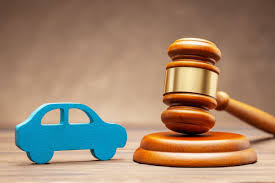
Photo enforcement technology—such as red light cameras and speed enforcement cameras—is now widely used across many cities and states. While it's designed to improve road safety, it has also led to a surge in traffic citations, some of which are issued unfairly. That’s where traffic lawyers come in.
Let’s explore the different types of traffic lawyers and what they do, especially as it relates to photo enforcement cases.
Different Types of Lawyers & What They Do
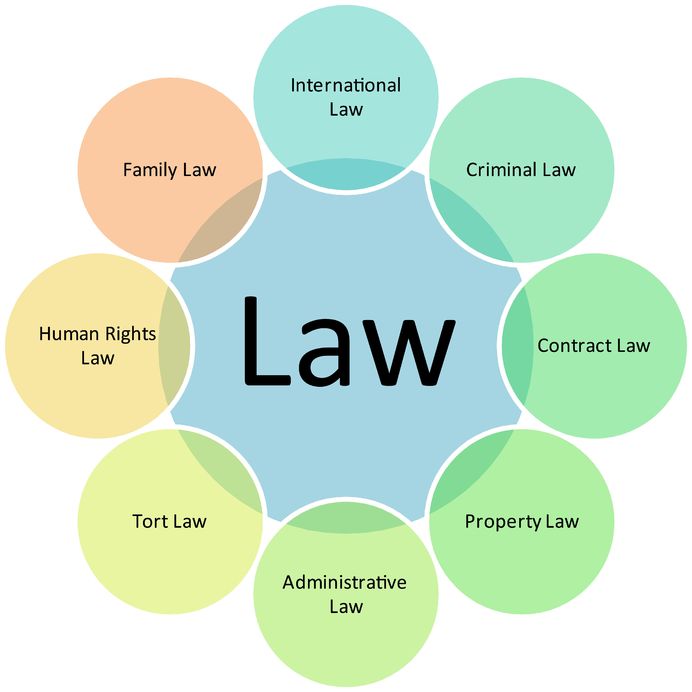
There are several different types of law, each focusing on specific areas of legal practice. Many legal practitioners specialize in one or more areas based on their interests and expertise. Here are some of the main types of law:
Tickets that Have the Biggest Effect on Car Insurance

Most drivers have been caught speeding, and probably a good chunk of those individuals were lucky enough to only get a speeding warning ticket. Other tickets that people get while driving are for forgetting to use their turn signal or for breaking other rules of the road.
The violations may vary, but you can end up facing a variety of costly penalties, especially with your car insurance provider. Those who have received driving tickets may have noticed an increase in their insurance policy rate without completely understanding why they were charged that rate.
Well, an increase in car insurance rates is because those who have recent tickets or car accidents on their driving record are considered high-risk drivers. Insurance providers charge these types of drivers more as a way to protect themselves financially if the driver ends up in an accident.
However, knowing which tickets have the biggest effect on your car insurance can help you make wiser decisions on the road in order to prevent a policy rate increase.
Violations that Increase Your Car Insurance Rates
A traffic violation can raise car insurance rates by as much as 82 percent per year. Almost every type of violation can negatively affect your insurance policy, even if the ticket was not given specifically for dangerous behavior behind the wheel.
You can get a ticket for driving too slow and receive the same rate increase as much as someone who was speeding. Many believe that driving dangerously is the only cause for a rate spike, but that is not always the case.
Take a look at some of the lowest and highest costing violations that you can receive while driving on the road and how much that violation can cause your insurance rate to increase per year:
|
The Violation |
How Much Insurance Rate Can Increase Per Year |
|
|
Driving without lights |
2.4% ($51) |
|
|
Not wearing a seat belt |
4.0% ($59) |
|
|
The Cheapest Violations |
Not-at-fault accident |
6.7% ($98) |
|
Failure to show documents |
8.7% ($128) |
|
|
Driving with expired registration |
10.9% ($161) |
|
|
Hit and run |
82.2% ($1,209) |
|
|
Refusal of breathalyzer/chemical test |
74.1% ($1,089) |
|
|
The Costliest Violations |
Driving Under the Influence (DUI) |
73.9% ($1,086) |
|
Racing |
73.7% ($1,084) |
|
|
Reckless driving |
70.4% ($1,034) |
Though these are not all the violations that you can be ticketed for on the road, you can see that even the lowest costing offense can have a costly effect on your car insurance. Even if you are not at fault for the accident, your insurance rate can increase by at least 6 percent, and filing a claim for damage raises your premium as well.
The size of the claim, who was at fault, and the terms of the insurance policy plays a role in how much the rate will increase per year. A single medical or personal injury claim or a single comprehensive claim can raise your rate anywhere between 0.5 and 5 percent.
Two medical or personal injury claims or two comprehensive claims can raise your rate anywhere between 6 and 11 percent.
For those who are unaware, a comprehensive policy claim covers damage to a car that is not caused by an accident such as vandalism, weather damage, or theft. A personal injury or medical claim pays for treatment and recovery costs for those who were injured because of a car accident.
Why Speeding Tickets Affect Your Insurance Rates

Insurance providers make money by taking on clients who are less likely to get into an accident. Doing this means they will not have to pay out large chunks of money to cover any damages filed by a claim. If you take too many risks while driving on the road, your provider may opt to not renew your policy altogether.
The exact percentage that your rate can spike various by the provider, but here is a list of factors that are commonly considered when determining the rate increase after a moving violation:
● Amount of time since your last moving violation
● Your prior driving record
● Whether the ticket was the first offense
● How many miles per hour you were going over the speed limit
● The location where the violation occurred
How to Reduce Your Insurance Premium After a Ticket
If you have received a ticket that caused your premium to spike, there are ways to help lower the cost of your auto insurance policy.
For starters, you can try fighting the ticket if you feel you did not legally deserve to be ticketed. Situations like this will often require a lawyer and solid proof. An example of this may be receiving a red-light camera ticket even though you were not the driver of the car.
Changing your policy coverage could also lower your premium, but this depends on your personal needs. If you are a driver that absolutely needs the amount of coverage you currently have, then it can be risky to lose that.
Speaking with an insurance representative about such a decision would be wise before making the next steps.
Last, taking a safety driving course can give you a discount that knocks your rate back down. In some states and with some insurance providers, taking a defensive driving or accident prevention course can grant you a hefty discount.
How to Avoid Getting a Speeding Ticket
Though the likelihood of receiving an insurance rate increase is high after getting a ticket, especially a speeding ticket, your insurance provider may not do so if you have not had a violation in the last three years and if you’re over the age of 25.
The best way to avoid getting a speeding ticket and risk a premium spike is by driving safely and legally at all times. You should also avoid using your phone while driving because cameras may enforce texting while driving laws without you realizing it, and that will definitely increase your insurance rates.
As a general tip, taking a driving course every couple of years is also a great way to remain a skilled driver.

Imani Francies writes and researches for the car insurance comparison site, CarInsurance101.com. She earned a bachelor of arts in film and media and specializes in various forms of media marketing.
What to Do After Being Involved in A Car Accident with Another Driver

The number
of road traffic accidents has increased dramatically in the last several years.
Unfortunately, they are the leading cause of death by injury or permanent severe
injuries globally. Being involved in a car accident can be a scary and
confusing experience. Although it is not a nice thought, car accidents may
happen to all of us for several reasons. Therefore, it is always better to be safe than
sorry and to know exactly what you should do in such a situation. Your immediate
actions, after the accident has happened, could have a significant
impact on its long-term fallout. Whether it is a gentle sideswipe or a major
collision and whether it is your fault or the fault of the other driver, taking
the right steps may help you prevent an already bad situation from getting even
worse.
Stop and Remain Calm

No matter
how minor you think that the car accident is, you must stop. It is not only the
best thing for your safety but failing to do so is also an offense under the
Road Traffic Act. Immediately after the collision has happened, you need to
make sure that your car’s engine is switched off and your hazard lights on to
alert other road users of your presence. Under no circumstance, one driver who
has been involved in a car accident should leave the scene. Being involved in a
road accident may also trigger confusing feelings that may influence the person
involved to react in anger or fear. Therefore, you need to remain as calm as
possible to properly deal with the situation that you are involved in.
Keep Safety First and Call for Medical Assistance If Needed
First and
foremost, after suffering a car accident you have to make sure that you have
sustained no injuries in the crash. Keep in mind that the adrenaline may make
your emotions run high so you may not feel any pain immediately. Before moving
outside of the car, check yourself thoroughly so that you avoid
any risk of aggravating any unnoticed injury. Next, ensure that no
one else involved in the accident has suffered any severe injury which could
put their lives in danger and trigger a worse come out of the crash. In case
you discover that there are any injuries that need urgent medical attention,
do not make any move until the medical assistance arrives. Due to the adrenaline
and the confusing emotions that you may feel, you may be unable to adequately
assess the situation. Therefore, it is better to seek professional help than to
put others or yourself in danger.
Determine the Fault and Assess the Damage of Your Vehicle
Once you
have ensured that no person has suffered any severe injury, you need to take
the steps for finding the right solution for your situation. You should start by
checking
your car for damage. It is important to ensure that the damages have
not transformed your vehicle into danger for you and the other traffic
participants. Assess the damage of your vehicle to understand what the
reparation of it may imply. Determining the fault is vital to be done
immediately. For anything but the most minor collisions, it is best to call the
police. Although the accident does not involve any victim, the police have the
authority to determine exactly whose fault it is and has to pay for the
damages. In states like Maryland, which is an “at-fault” state, understanding the legal implications of fault in car accidents is crucial. Maryland is an “at-fault” state, and knowing your rights and responsibilities can significantly impact the outcome of any claims or legal actions that follow. However, if you decide that you and the other driver may solve the conflict without having to take any legal actions, you need to exchange contact details with the other driver. Beware the hit and run drivers who do not stop and leave the accident scene immediately." To determine who you are dealing with
and if you may trust the other driver, ask for their phone number. Performing a
reverse
phone lookup is the best solution to find out who the other driver
is. All you have to do is to search the number and get all the relevant
information associated with it such as social media accounts, address history,
and even more. If you find any suspicious detail
which makes you unable to trust the other driver, it is better to call the
police to take the situation under control.
Photograph and Document the Accident

Documenting
the accident scene may prove to be extremely helpful in the following actions
after the crash. The other driver, the environmental conditions, or even
weather conditions may change what has really happened. Take
photographs to all the damages of all vehicles which have been
involved in the accident. In your documentation include photos that reveal the
overall context of the crash including road conditions, intersection site,
traffic signs, and traffic lights. Keep a record of all pertinent information
concerning the incident including the time, date, and location of the accident,
involved parties, witnesses, and even the police officers who have arrived at
the scene.
Use Other Transportation Method to Leave the Scene
After you
have taken care of all the details and steps that you immediately need to take
after being involved in a car accident, all you want to do is to leave the
scene and relax after the confusing experience. Certainly, you do not feel comfortable with
leaving your car at the scene of the collision and use another transportation
method to get back home. However, it is the wisest idea to consider for several
reasons. First of all, you may have failed to adequately assess the damage that
your vehicle has suffered. Therefore, once you leave on the road again, your
car may become a real danger both to you and to the other traffic participants.
Even if the accident seems to be only a gentle sideswipe, your vehicle may have
suffered more serious damages which may be difficult to notice immediately. It
is better to use another safe transportation method and have your vehicle
checked by a professional before you start the engine again and run it on the
road.
How to Get Traffic Video Footage?

Freedom of Information Act Request to Any Government Agency
This is the most common question PhotoEnforced.com receives on a daily basis from drivers who were in car accidents. We have requested several of our readers to give us feedback on their success in obtaining traffic video footage through a FOIA and they have been successful in several cities.
PhotoEnforced.com now has become the largest public database map of traffic camera locations in the World through lots of hard work and a huge community of thousands of daily users contributing all different kinds of camera locations on a map.
What kind of camera is this and which agency operates the camera?

DOT Traffic Camera

Police Red Light Camera

City Surveillance Camera
Were you in a car accident or involved in a hit and run?
Intersection traffic camera locations are growing rapidly and it is not always easy to locate them. It is becoming a lot more common for a driver involved in an accident to need additional proof for insurance purposes. It is amazing how often the driver at fault will change their story once they know the significance of the liability of the accident. Having video footage can provide the additional proof that insurance companies need to prove which driver was at fault. PhotoEnforced.com provides a map so you can easily search and find the type of traffic or red light camera at an intersection.
How easy is it to obtain a copy of this footage?
There are many traffic video cameras along highways, toll roads, red lights, and even on city buses. While there are many reasons why these cameras exist (e.g., law enforcement, monitoring traffic congestion, license plate recognition, asset tracking), understanding which Government agency operates the cameras is usually the most difficult task. There are over 8,000 different municipalities in the United States and knowing which agency operates the camera will help you save lots of time before doing a FOIA request. Some cameras are owned by the State, City or County and operated by the Department of Transportation (DOT) or police.
How much time do you have before the video is destroyed?
There is no standard time but I am hearing that these agencies are keeping video for as little as 14 days. So it is recommended that you don't wait longer than 10 days to request the video. There is no harm in asking for a copy of the video, but they may likely deny your request simply because they do not want to put the time into tracking down the relevant portion of the video.
Who should I contact?
I would start by contacting the local police and the Department of Transportation first. It always helps to do this face-to-face at the local city offices or police station if you can. Ask the clerk or office for freedom of information act request form.
Please comment and send your feedback below . . .
We are looking to build a database of contacts to expedite FOIA requests in the future. Any help or ideas you might have are greatly appreciated.
Here is a story of one such individual in Illinois recently. Based on this don't take no for an answer and you must be persistent.
Hey Jeff,I just wanted to say thanks again for informing me that I needed to get the Freedom of Information Act request form. I want to give you a little story of what I went through so hopefully I'll post it on your blog so others don't have to jump through the Hoops I did.
I was involved in a hit-and-run accident where there was red light cameras. The officer that took the report said that he would have them scan the footage and see what they find. Five to seven days later he called and left a voicemail at around 6:25 in the morning stating there was nothing on the video. So I went into the police department asked the person behind the counter if I can obtain video footage of the camera for a hit-and-run accident and they informed me no I cannot. That I went home and Google searched red light camera photo enforcement and I found your website, emailed you and you replied back quickly and informed me to go in the police station and ask for a Freedom of Information Act request form for that camera for that date and around the time. I did go back to the police station ask the same person for a Freedom of Information Act request form for the red light camera and they informed me to go down to the clerk's office 40 feet away and get the request form from them. I asked them why they couldn't just tell me to go get a request form when I asked them that I needed the video footage they just looked at me with a Blank Stare. So bottom line, if you ever get in an accident and there are cameras there and the police tell you there is no way to obtain them then ask them for a freedom of information request form for that camera.
Popular Articles (All Time)
-
 Red light camera tickets typically take from 3-7 business days to process and are mailed to the registered owner of the vehicle. We r...
 -
 A Traffic Monitoring Camera Is Not The Same As A Red Light Camera Many of our readers often get confused about the difference betwe...
 -
 If you ever plan on traveling to Downtown Los Angeles on the 110 Freeway I would suggest buying one of these Fast Trak transponders to avoid...
 -
 Red Light Camera Ticket in The Mail It typically takes 5-7 business for a ticket to arrive in the mail in Florida, California, New Yo...
 -
 Red light cameras are increasingly common at busy intersections, and their purpose is to deter dangerous driving and reduce collisions. ...
 -
 The flash of a red light camera is one of the most dreaded things you can see when you pass an intersection. You may have noticed that if...
 -
 Red-light cameras remain one of the most debated traffic enforcement tools in the United States. Supporters argue they save lives by discour...
 -
 Search the Map for " Live Traffic " To Only See Traffic Cameras Bookmark Our Live Traffic Cameras App on Your Phone ...
 -
 Freedom of Information Act Request to Any Government Agency This is the most common question PhotoEnforced.com receives on a daily b...
 -
 Drives Should Be Wary of Short Yellow Lights at Camera Enforced Intersections